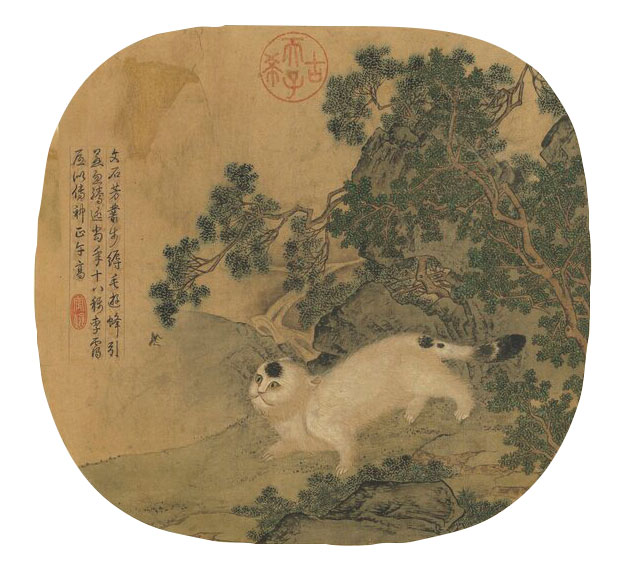
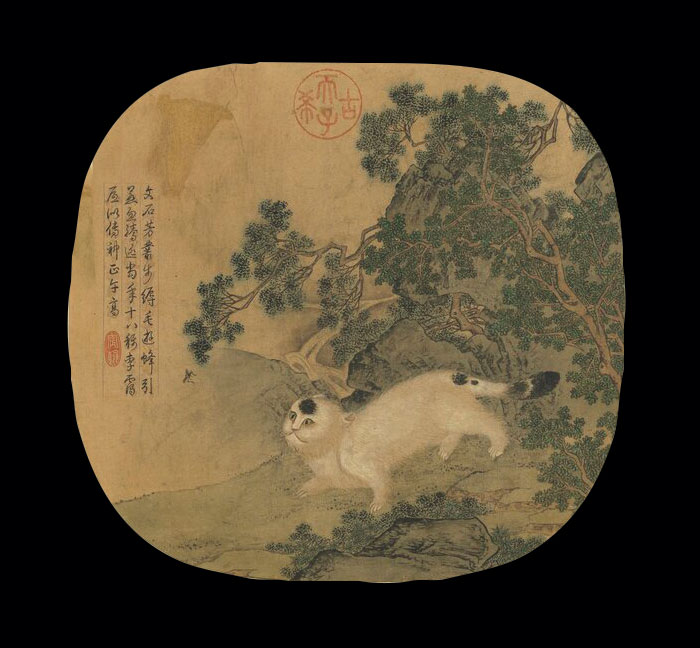
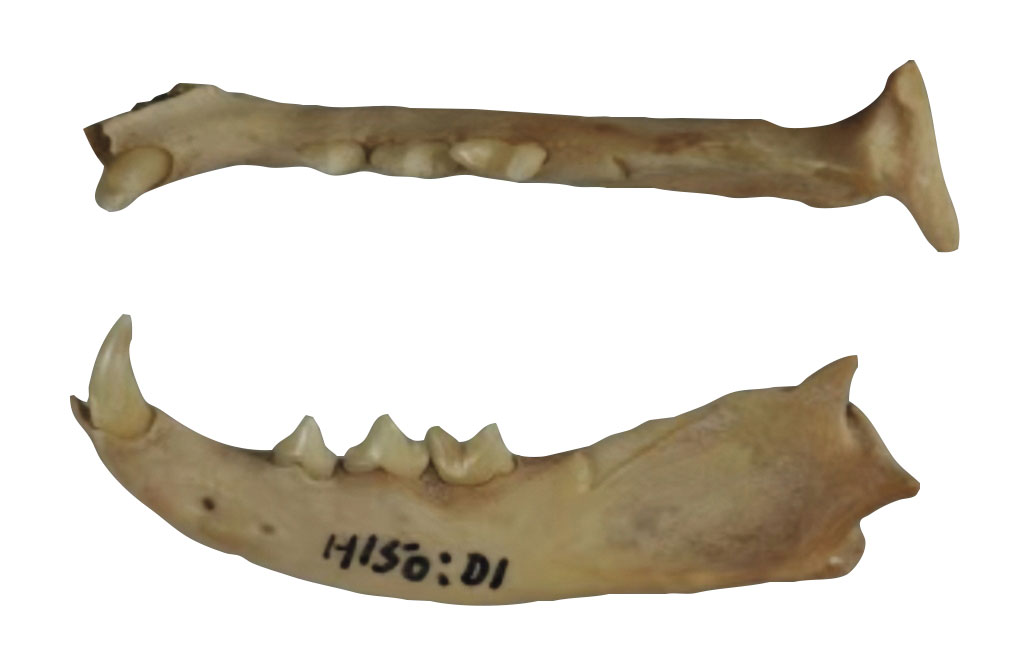
Wild leopard cats (Prionailurus bengalensis) began frequenting human settlements in China starting at least 5,400 years ago and became important agents of rodent control. Although they were never domesticated, these spotted felines developed such close relationships with people that they were depicted in paintings and on decorative plates. Leopard cats’ association with humans continued until the early third century a.d., when changes in the climate and social upheaval following the collapse of the Han Dynasty (206 b.c.–a.d. 220) likely caused them to retreat to their natural habitats. Scholars have long wondered when and how cats were finally domesticated in East Asia.
A team led by zooarchaeologist Yu Han and geneticist Shu-Jin Luo, both of Peking University, analyzed DNA from bones of several feline species recovered at 14 sites in China. These included the remains of a male cat unearthed in Tongwan City, an important trading hub along the Silk Road in western China. That cat’s bones have been radiocarbon dated to around a.d. 730, making it the earliest known domestic cat (Felis catus) in the country. The researchers determined that the furry feline had a long tail and a short coat that was either completely white or had a striped pattern that included white markings. The Tongwan City cat lived during the Tang Dynasty (a.d. 618–906). “Historical accounts from this period indicate that animals from foreign locales were often presented to the imperial court as diplomatic gifts or tribute,” Han says. “Cats are most frequently mentioned in texts related to the court and are depicted in murals decorating elite tombs.”
Han and Luo were able to trace the ancestry of the earliest domestic cats in China to the Levant. Since the remains of the Tongwan City cat and other early domestic felines were discovered at inland sites, they believe cats were initially transported overland to China. “The archaeological and genetic evidence both support the idea that trade networks along the Silk Road were the dominant way that domestic cats were first introduced to the region,” says Luo.