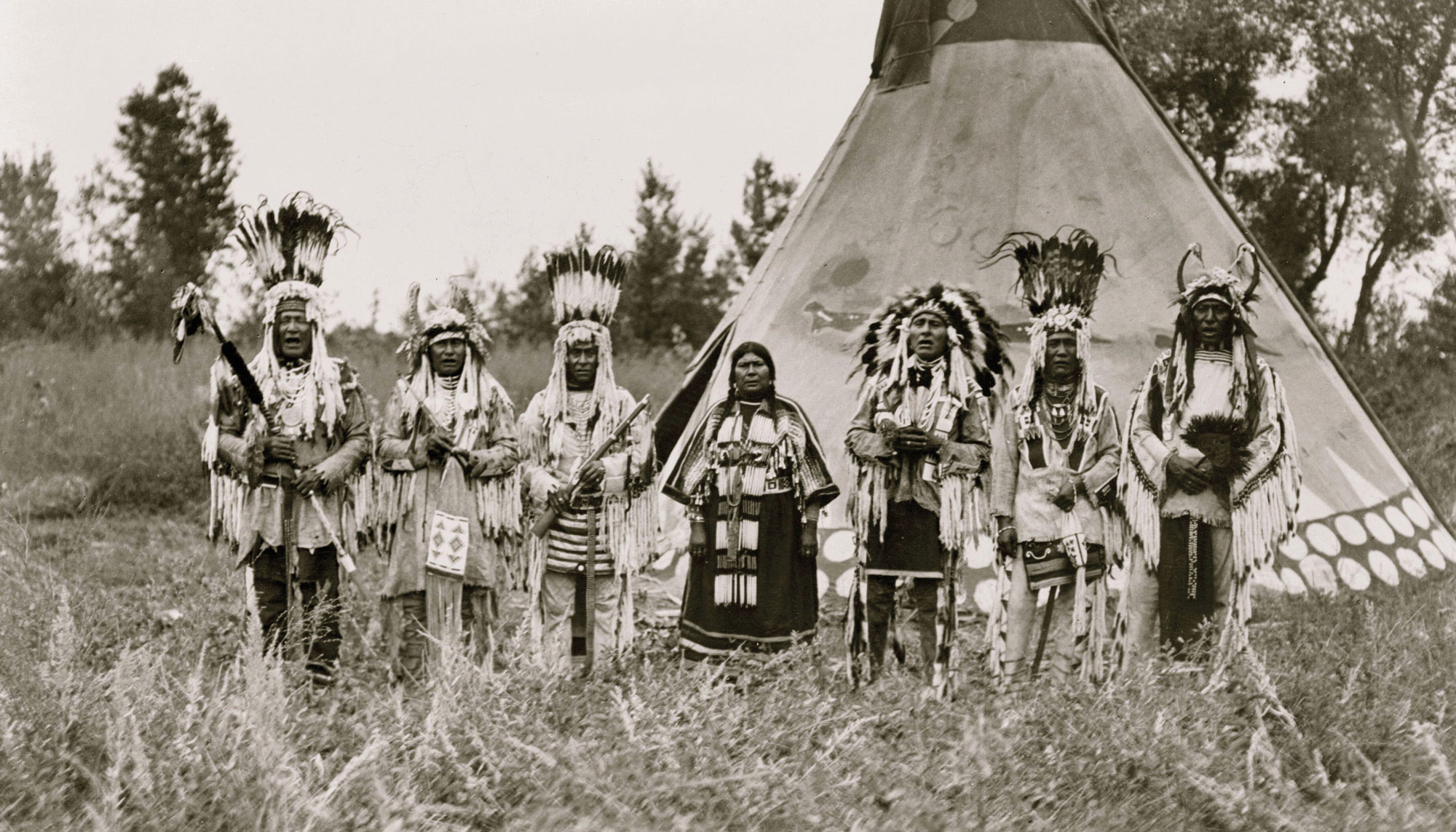
Scholars interested in North America’s deep past have recently begun to study Native American oral histories, exploring narratives that feature dramatic geological and historical events. Scientists have used Indigenous stories about long-ago volcanic eruptions, tsunamis, and earthquakes to confirm the dates of such natural disasters. Indigenous historical accounts have also helped archaeologists understand ancient migrations. (See “Spirit Cave Connection.”) Now, a group of Native Americans from several Great Basin tribes, including Misty Benner of the Walker River Paiute Tribe, has worked with researchers to explore the ecology of a vanished landscape.
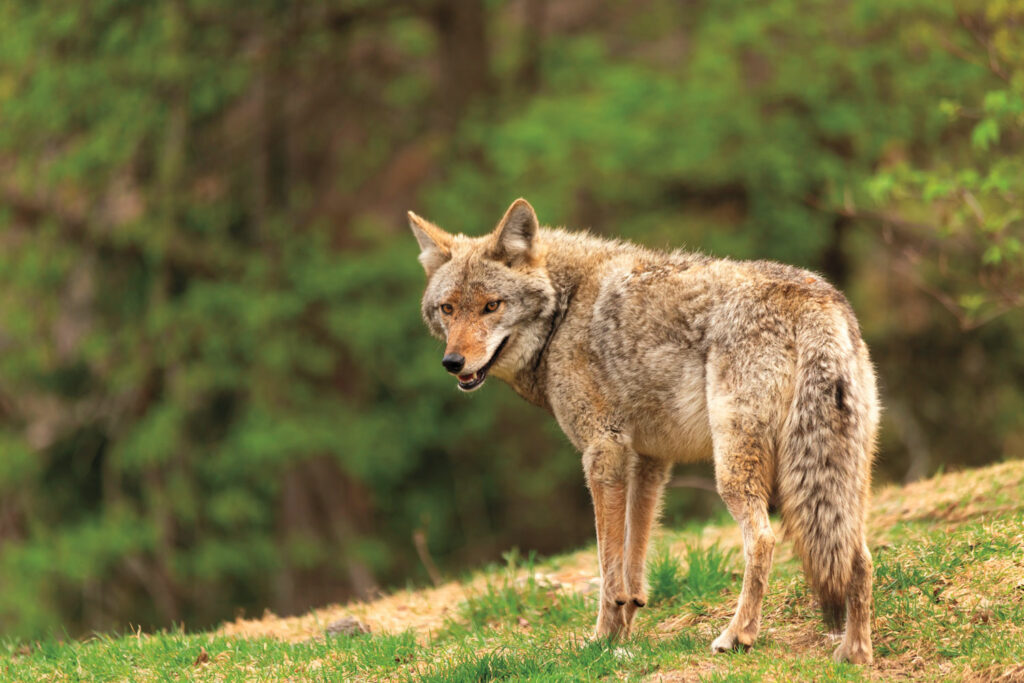
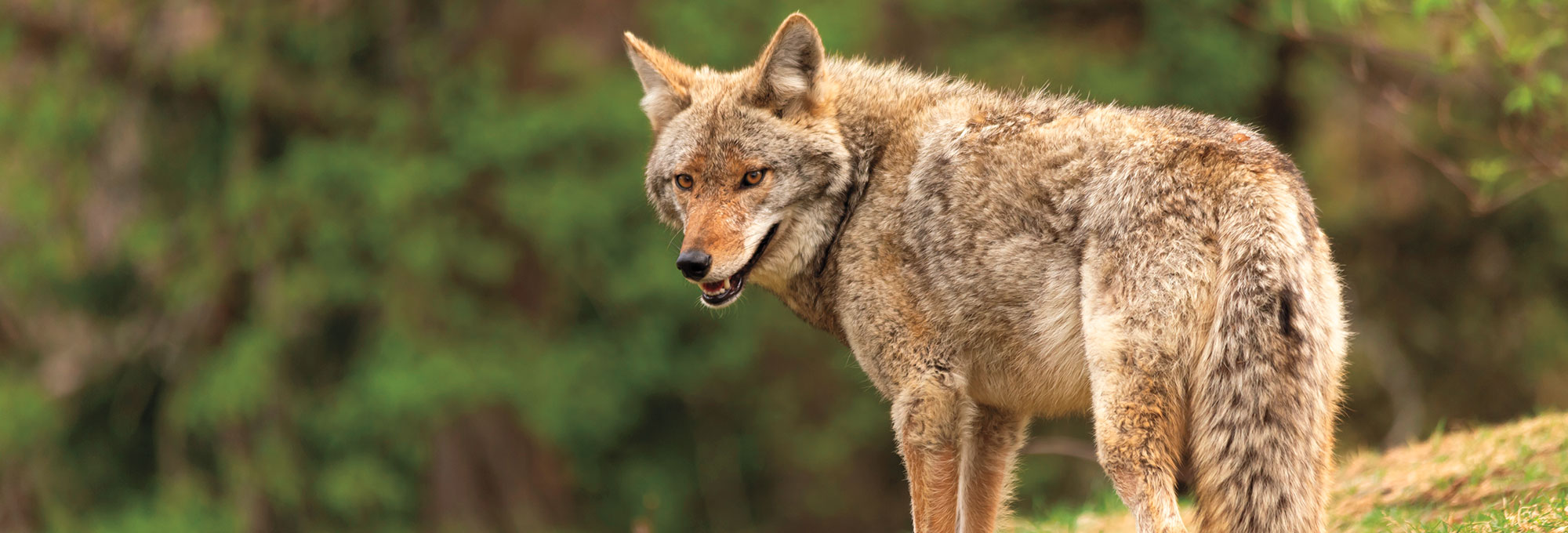
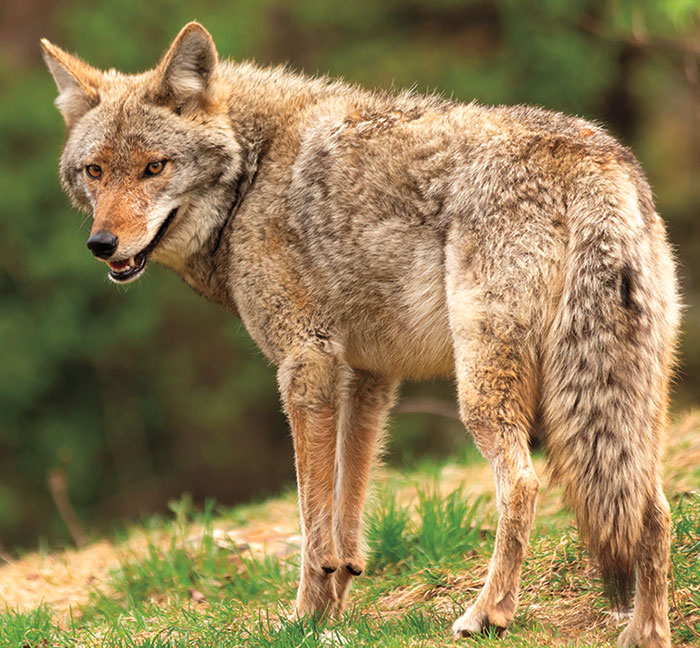
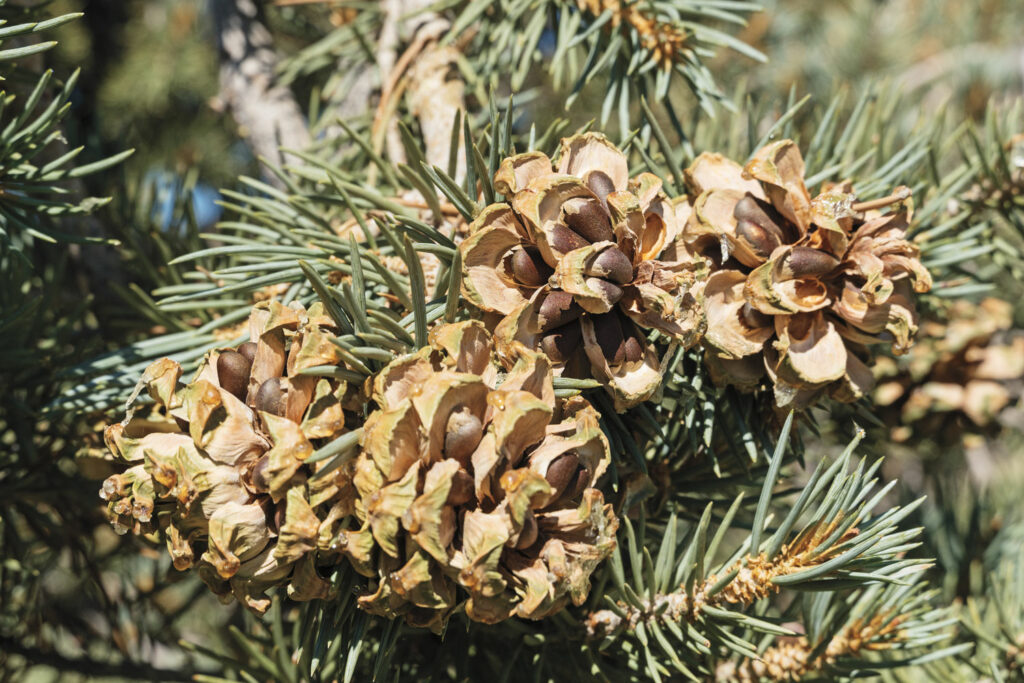
The team drew upon 61 versions of an Indigenous epic narrative known as “Theft of Pine Nuts,” which features heroic animal protagonists, to plot the ancient extent of the pinyon pine in the American West. They also gained new insights into the former ranges of mammals such as grizzly bears, gray wolves, and cougars. In the story, pine nuts, a critical source of nutrition for the peoples of the Great Basin, are absent from the homeland of one of the animal protagonists, usually Coyote. Coyote travels with other animal companions to the distant north to steal the pine nuts and bring them home. The stories are a rich source of biogeographical information about the ancient distribution of the pinyon pine and the former habitats of the animal companions. “We tell these stories to help us learn and remember how to be good people,” says Benner. “But they can also help everyone understand the world around us and how it has changed.”