CHINA
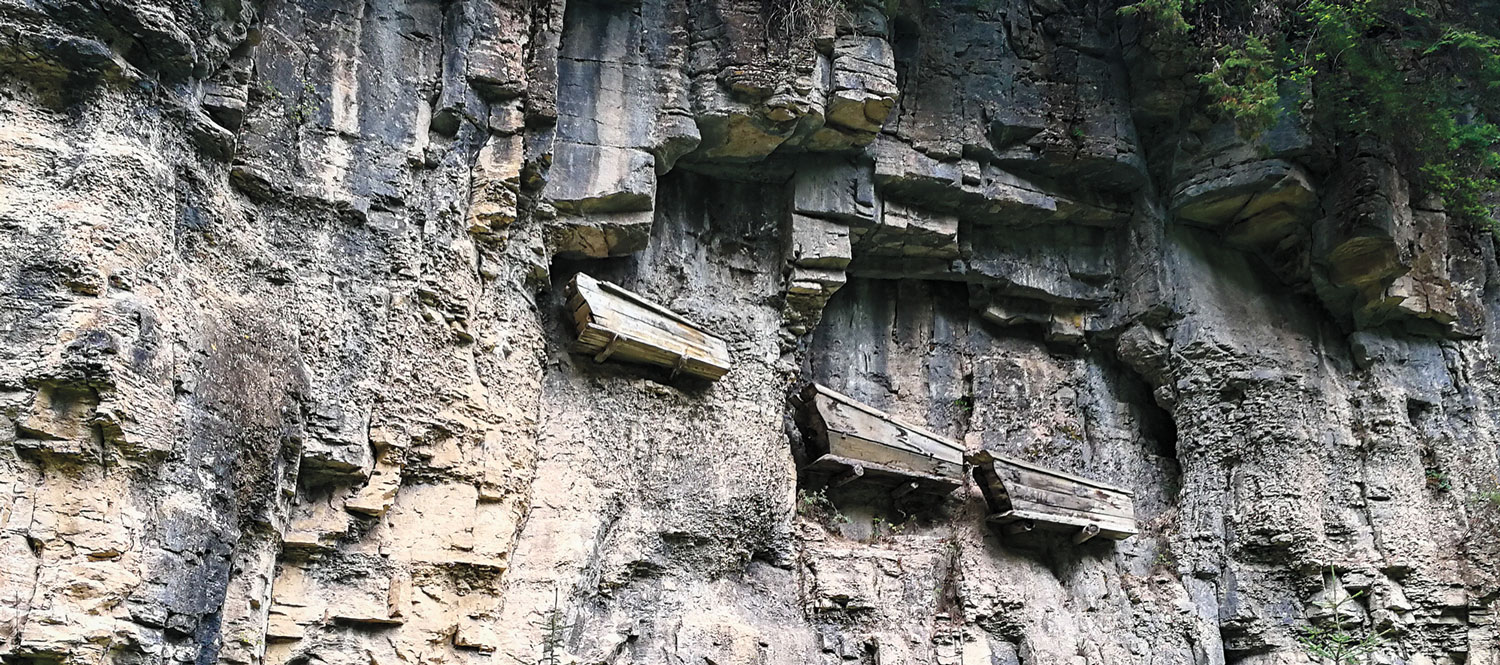
DNA testing confirmed that ancestors of the Bo people were responsible for an enigmatic funerary tradition known as hanging coffins, in which caskets were displayed clinging to steep cliff faces. This custom is known to have been practiced across southern China and Southeast Asia, yet archaeologists have been unsure where it began. Genetic testing of human remains from four hanging coffin sites in China established that the burial tradition was first carried out 3,000 years ago by forebears of the Bo, a persecuted ethnic group that disappeared almost entirely by the 16th century.
Related Content
KAZAKHSTAN
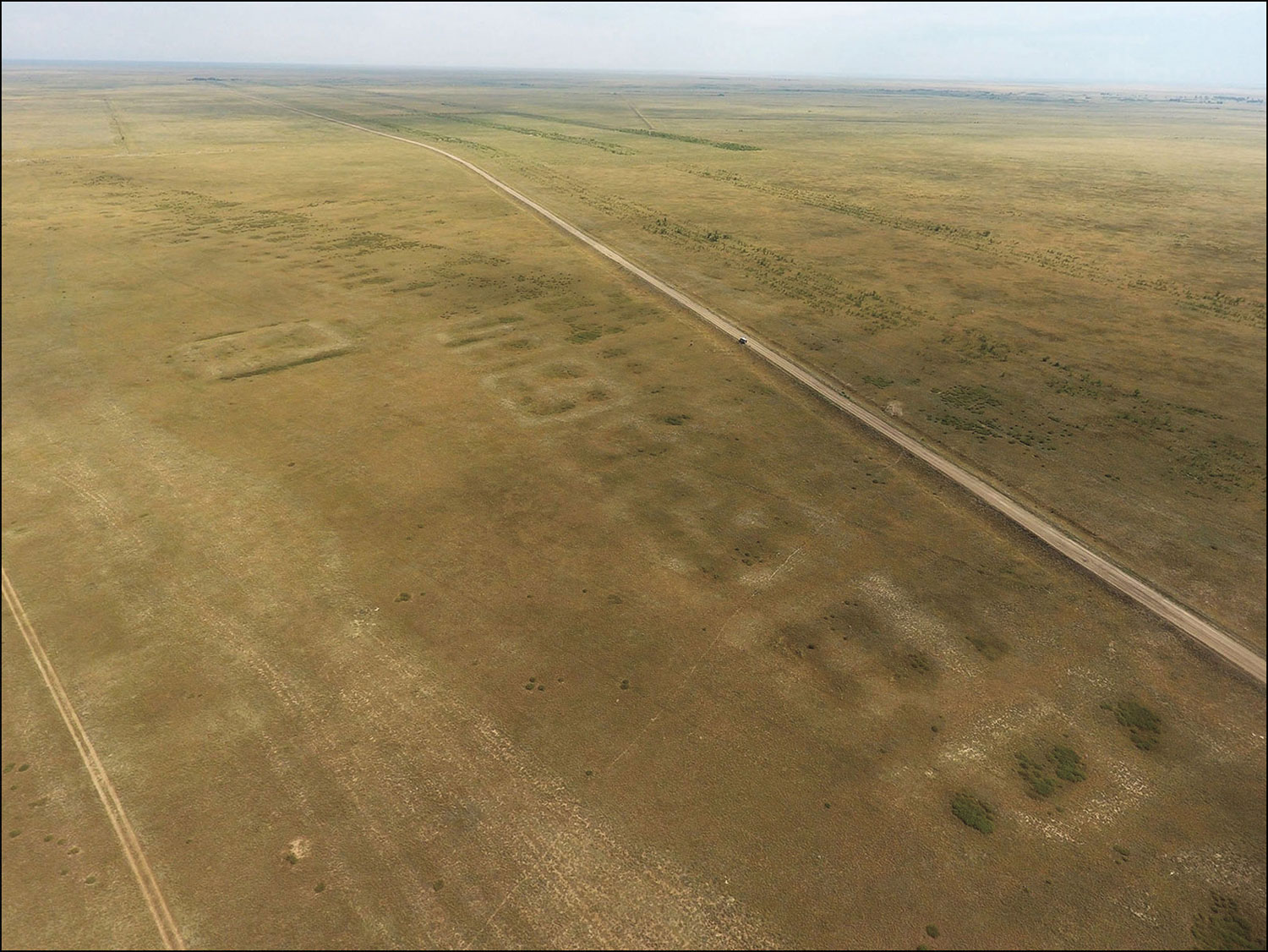
An archaeological survey of the Kazakh steppe revealed a 0.5-square-mile Bronze Age city, the largest ever found in the region. Dating to around 1600 b.c., the city is now known as Semiyarka. Once a major center of metal production, its remnants consist of two long rows of rectangular earthen mounds. Archaeologists were surprised by the discovery. Seminomadic Bronze Age steppe societies were not previously thought to have established permanent organized urban settlements, much less ones specializing in large-scale industry.
Related Content
Around the World September/October 2020
KAZAKHSTAN
Digs & Discoveries July/August 2021
Red Carpet Treatment
MALAWI
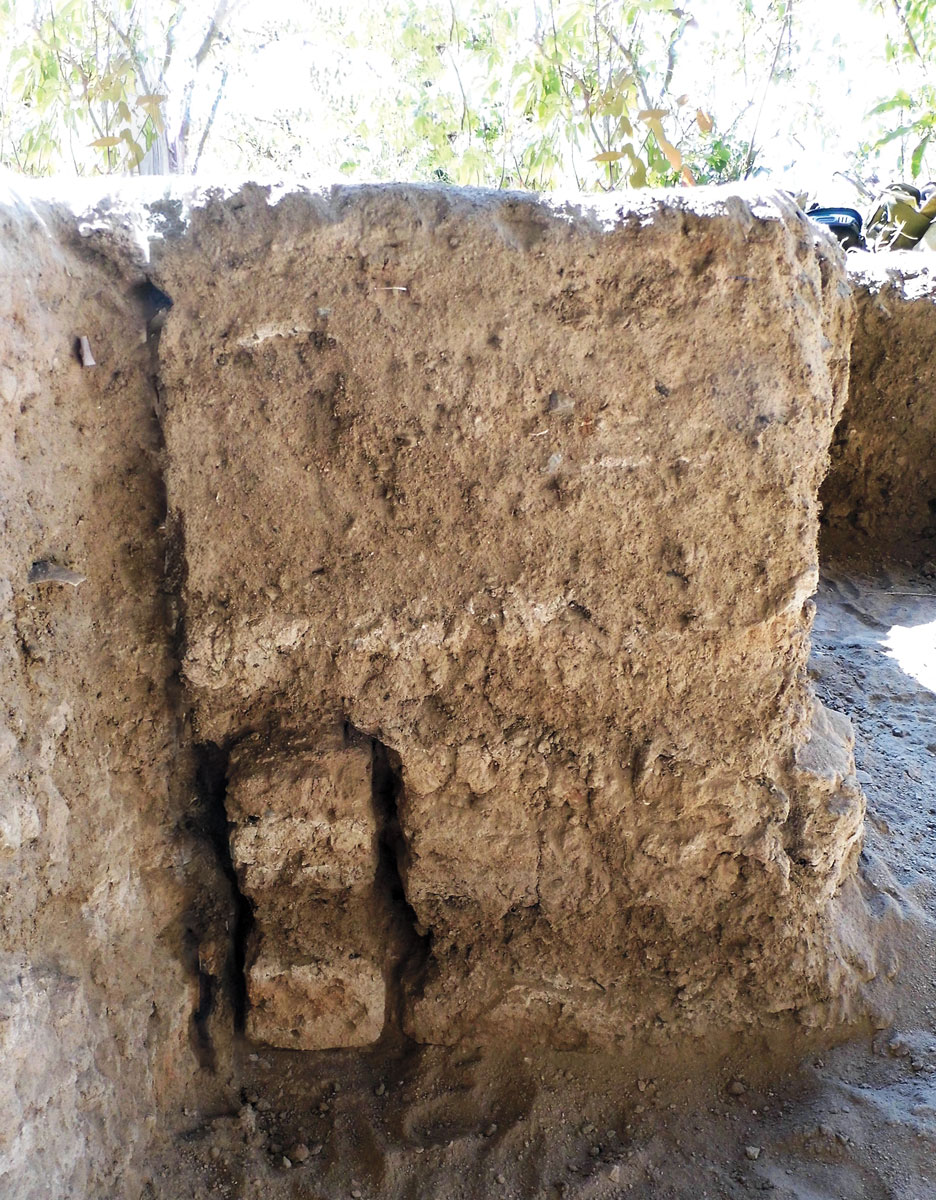
Around 9,500 years ago, members of a community living near Mount Hora placed the body of a diminutive woman on a funeral pyre and said their goodbyes. Not only is this the earliest known instance of cremation in Africa, but the recently identified site includes the oldest known in situ adult cremation pyre found anywhere in the world. The woman must have been extraordinary—cremation was exceedingly rare among African hunter-gatherers.
EGYPT
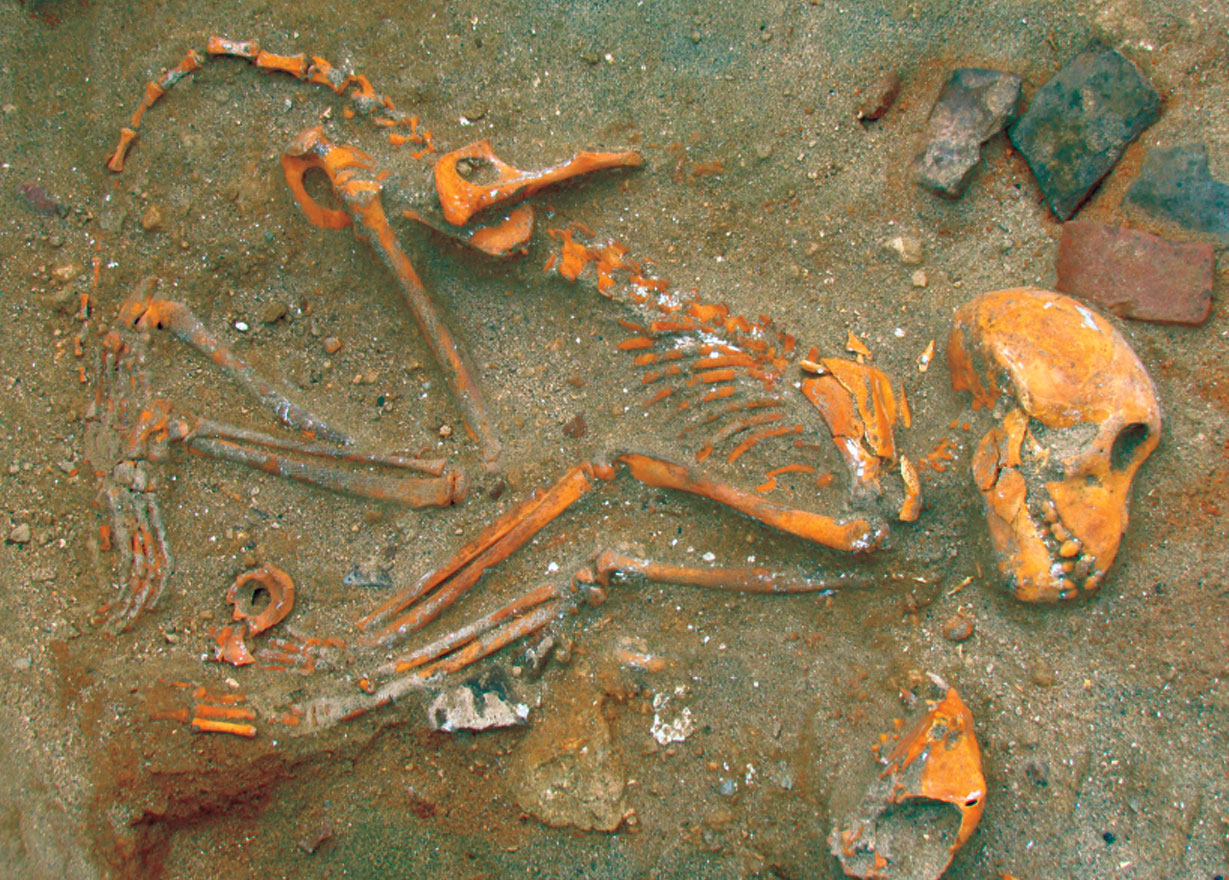
Excavations at an animal necropolis in the ancient port city of Berenike uncovered more than 800 burials. Along with cats and dogs, archaeologists found the remains of 35 Indian macaques. Scholars now believe these exotic creatures were imported by high-ranking Roman military officers during the first and second centuries a.d. and kept as status symbols. Some of the macaque graves also contained baby animals such as piglets and kittens, leading experts to speculate that the monkeys might have kept their own pets.
Related Content
BULGARIA
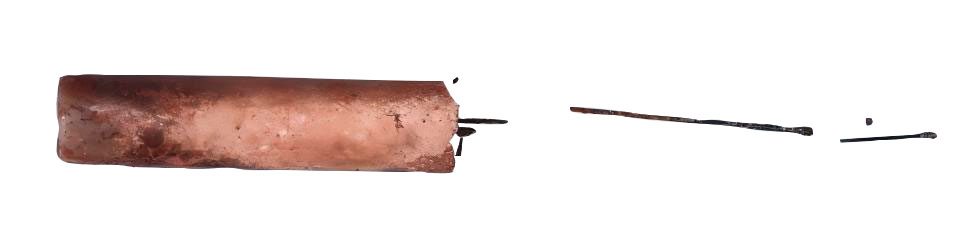
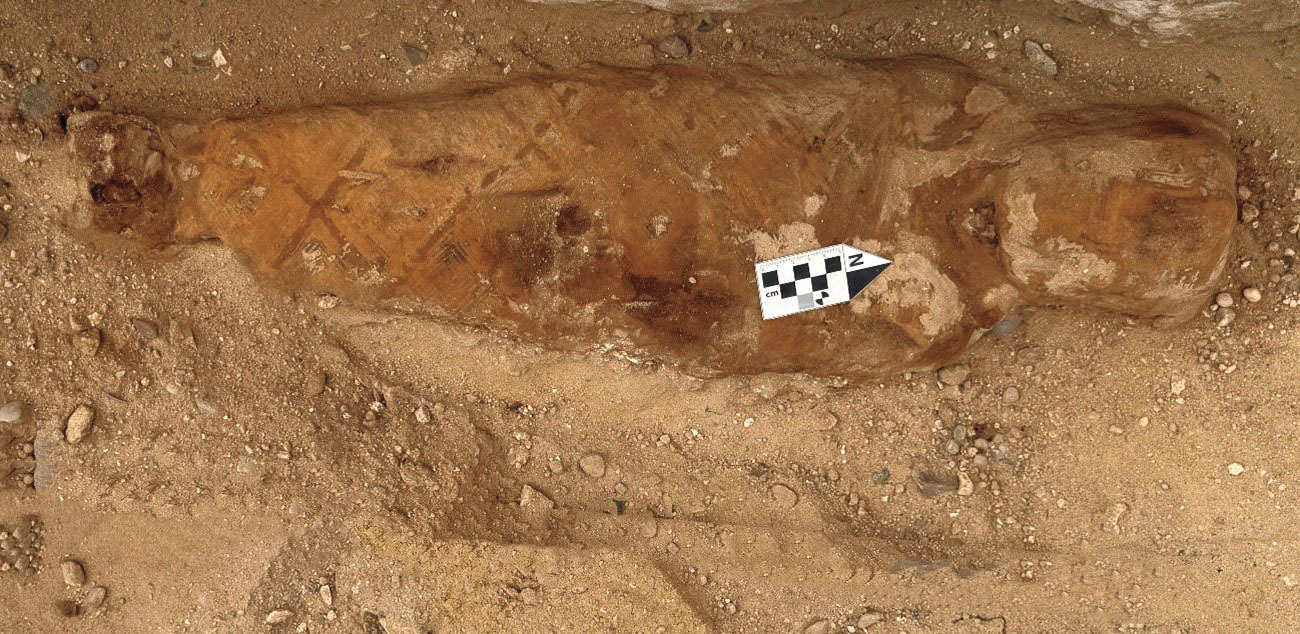
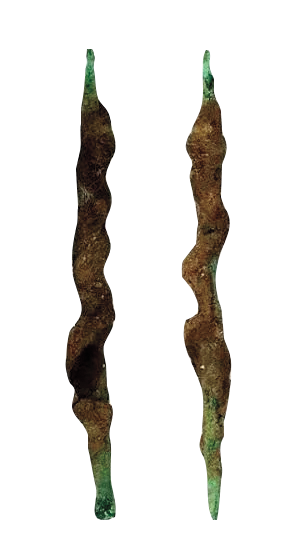
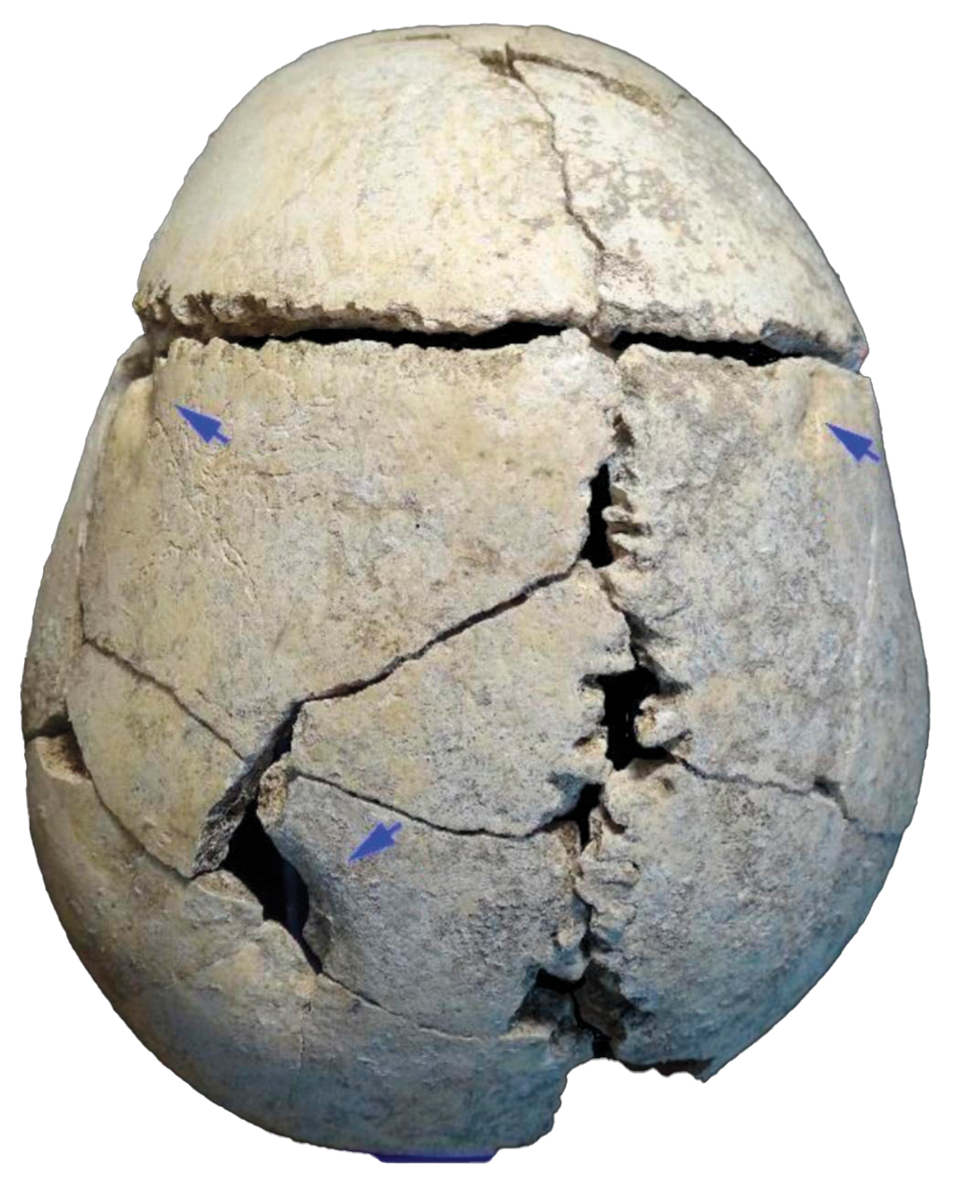
When archaeologists discovered the 6,400-year-old grave of a teenage boy near Kozareva Mound, they noticed that his skull contained unusual perforations. The researchers concluded that these injuries likely resulted from a lion attack. The boy’s wounds show evidence of healing, indicating that he survived the assault, though the extensive damage to his head, arms, and legs would have left him permanently disabled. The teen may have lived as much as two years after the attack, during which time he would have relied heavily on community care and support.
Related Content
UKRAINE
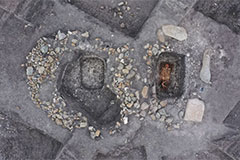
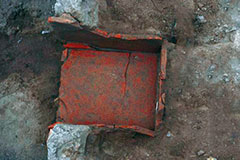
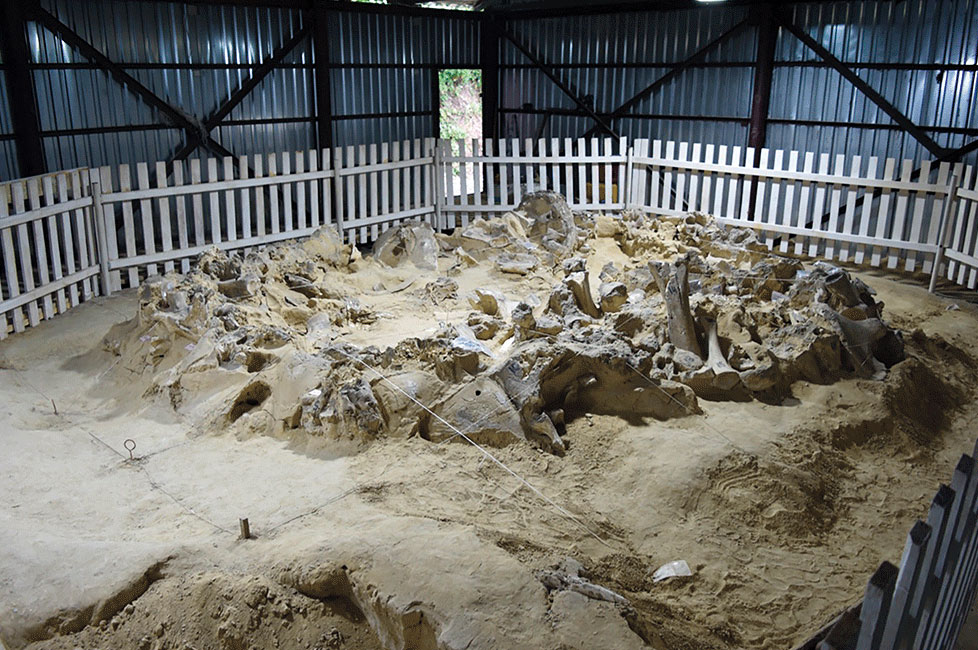
If there are few resources on hand, you build with what you’ve got. Some 18,000 years ago, during the last Ice Age, what people had was mammoth bone. Four circular structures built almost entirely from mammoth tusks and bones were discovered decades ago in the village of Mezhyrich. Archaeologists have been unsure whether they were houses, storage facilities, or ritual monuments. New data indicates that the structures were likely used as temporary dwellings that provided refuge during brief periods of extreme weather.
Related Content
Top 10 Discoveries of 2025 January/February 2026
The First Indo-European Speakers
Eastern Ukraine and Southern Russia

IRELAND
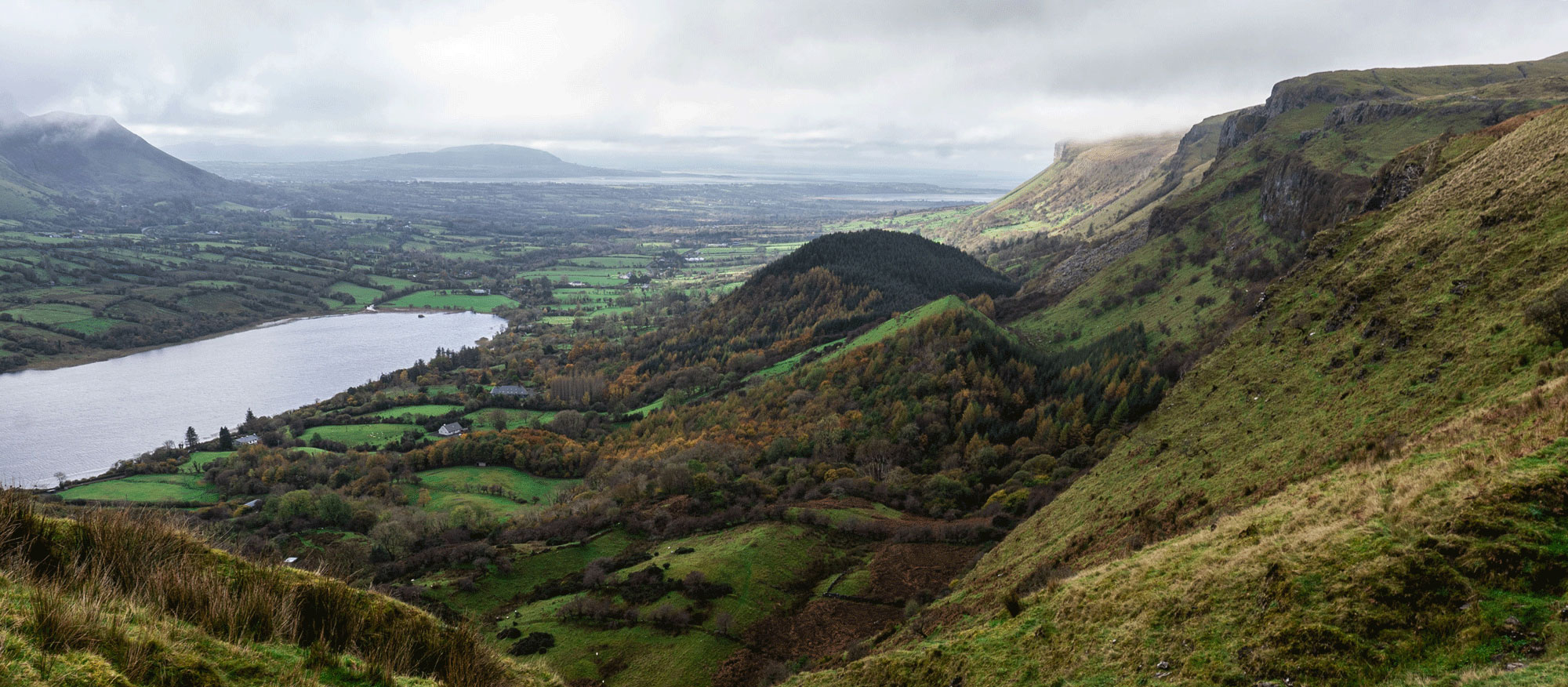
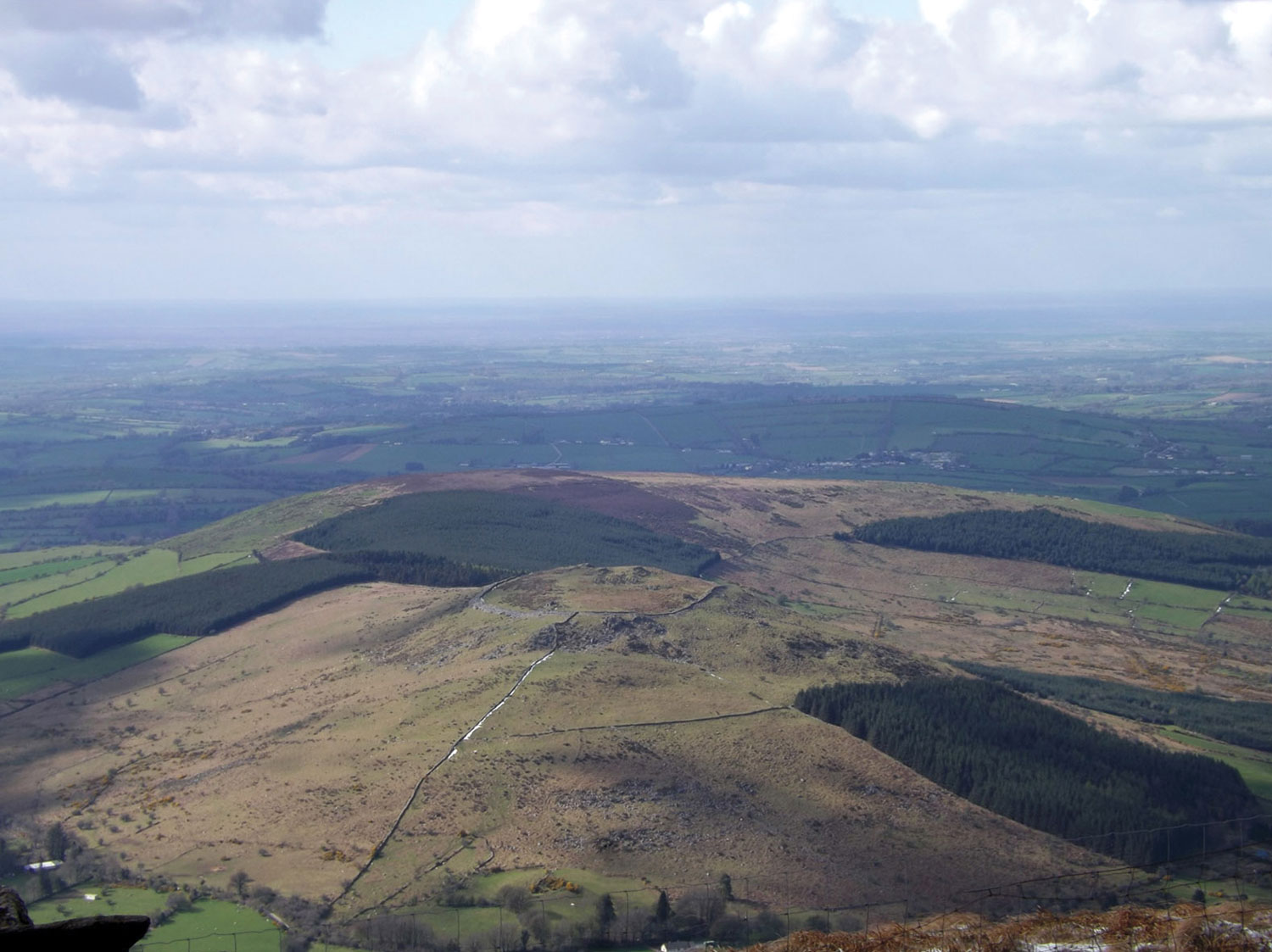
The Vikings have long been credited with building Ireland’s first towns in the ninth century a.d. New evidence from County Wicklow, however, indicates that Irish urban traditions might be much older. A survey of the Brusselstown Ring hillfort, which was inhabited between 1200 and 400 b.c., revealed as many as 600 possible house platforms located within two concentric circular ramparts. If these structures were, in fact, dwellings, this would be the largest prehistoric settlement ever discovered in Britain or Ireland.
Related Content
GUATEMALA
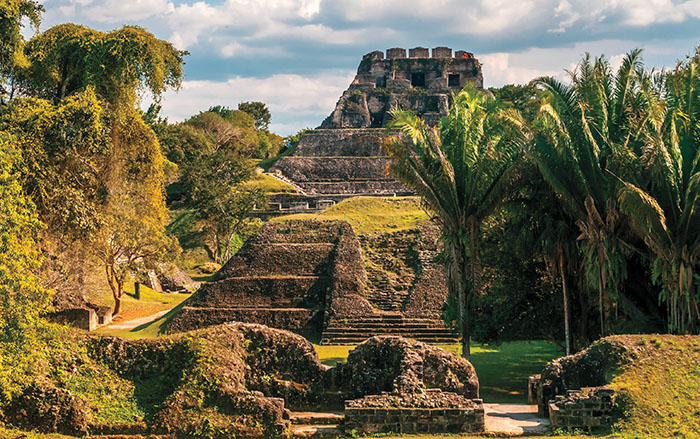
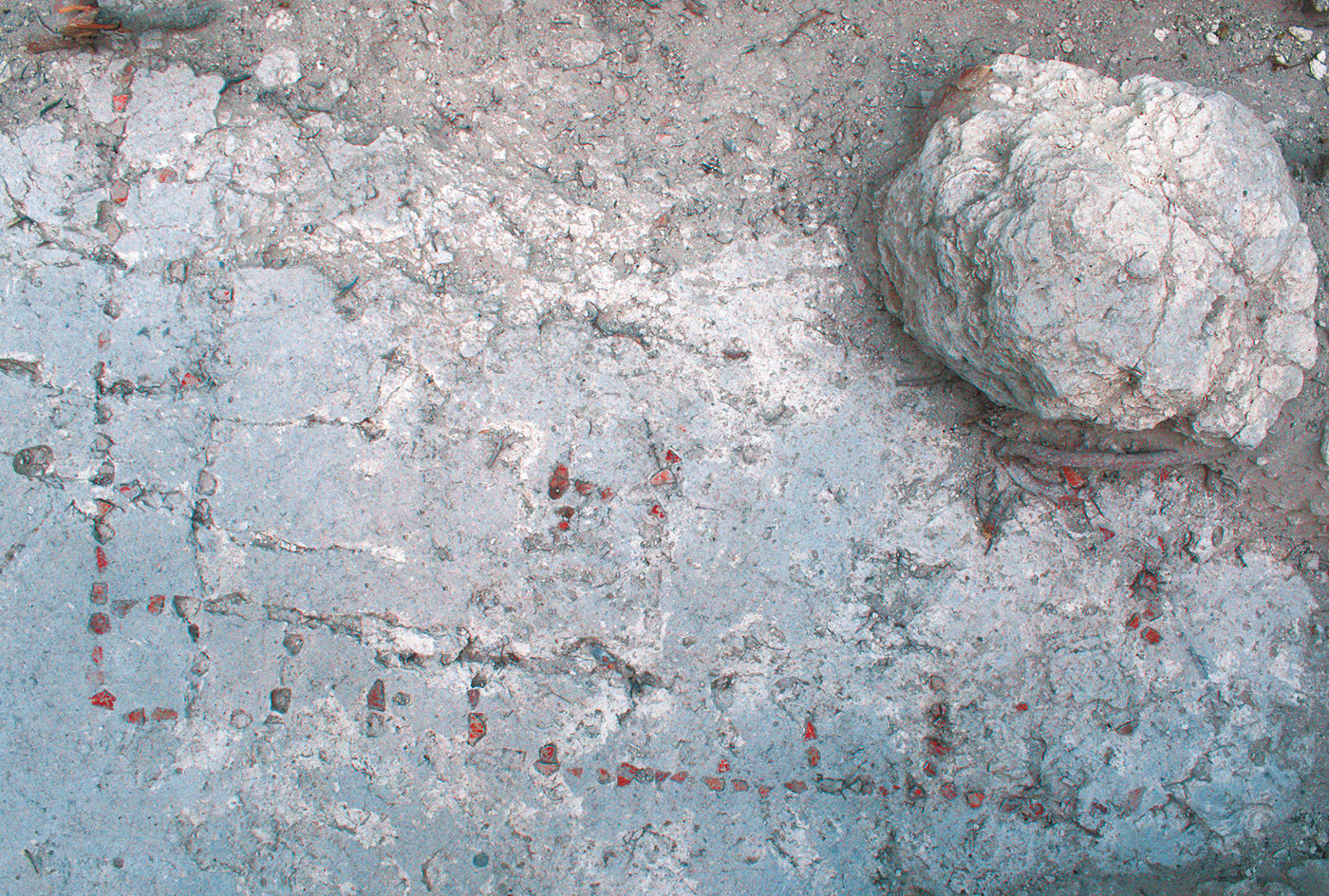
Games were such an integral part of Maya society that they were sometimes embedded into a building’s design. A unique fifth-century a.d. patolli gaming board was found on the floor of a wealthy residential complex in the ancient city of Naachtun. While most known patolli boards—which feature a pattern of squares forming a cross—were roughly scratched into stucco floors or benches, this one was inlaid as a mosaic. It is the only one of its kind.
Related Content
VIRGINIA
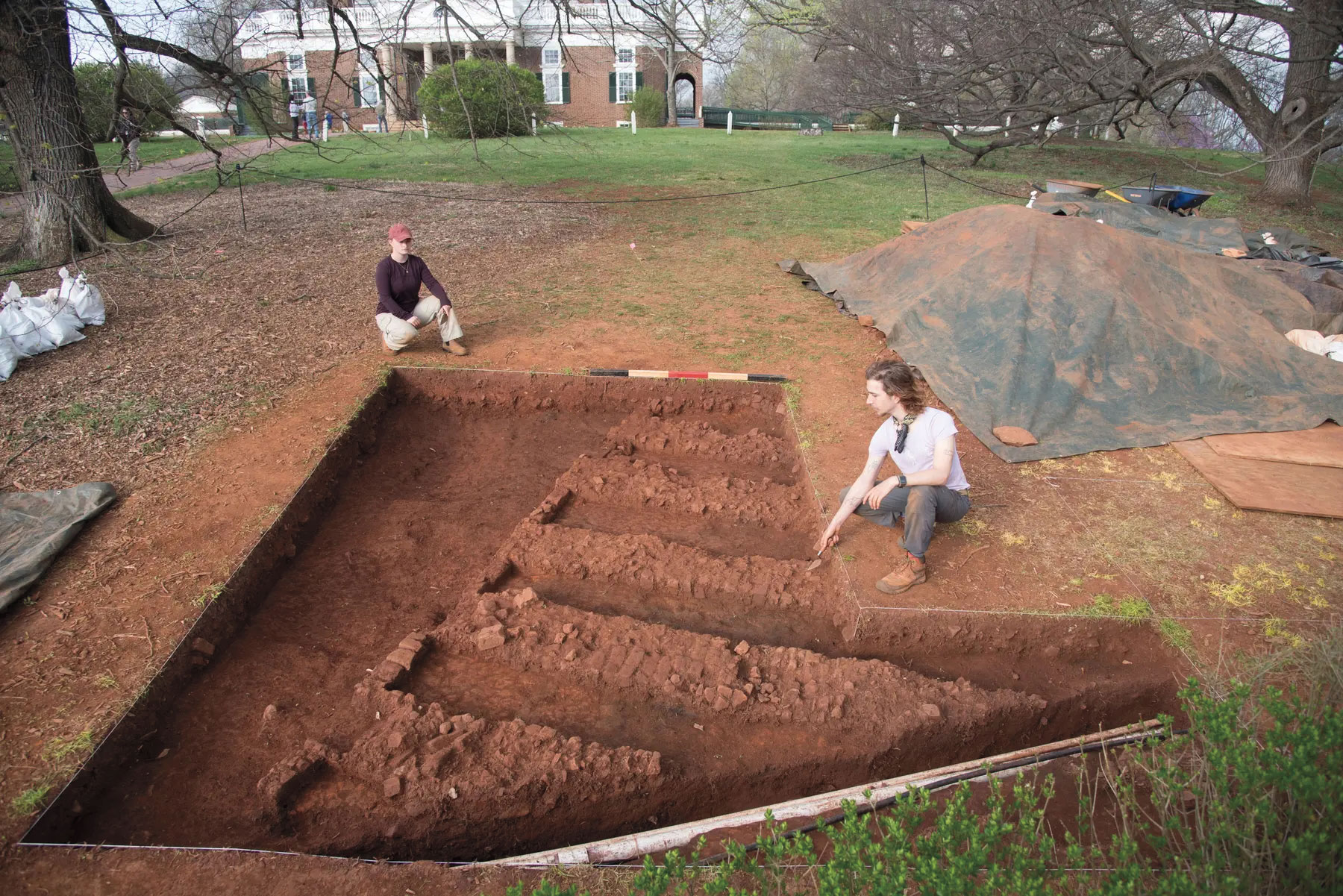
When Captain John Smith mapped the Rappahannock River in 1608, he meticulously detailed the locations of Native American villages, including several near Fones Cliffs, where he and his men were reportedly attacked. Using Smith’s journals, historical maps, and oral histories of the Rappahannock Indian Tribe, researchers pinpointed the location of one of the Fones Cliffs Rappahannock settlements. Excavations at the site unearthed 11,000 artifacts, including beads, stone tools, tobacco pipes, and pottery.
Related Content

TEXAS
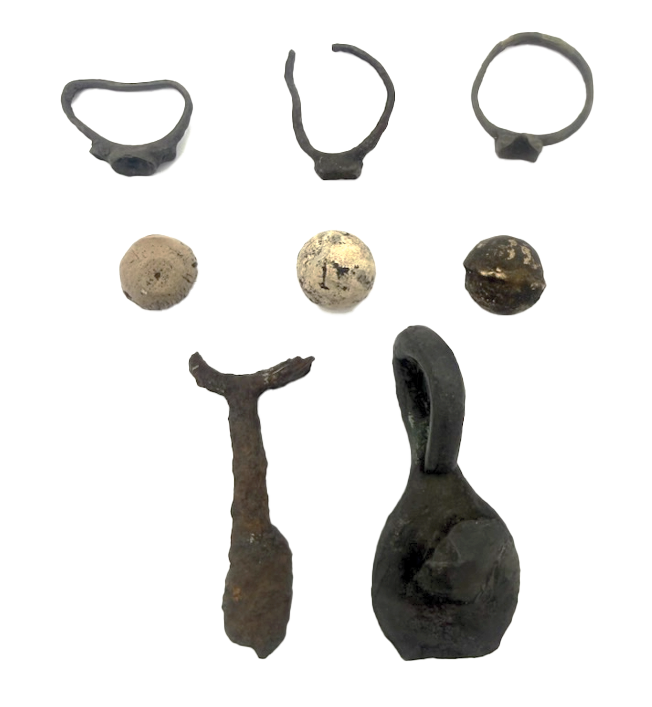
Archaeologists recovered a variety of 17th- and 18th-century colonial artifacts in Jackson County at the site of the Nuestra Señora del Espíritu Santo Mission. The settlement was originally founded in the 1680s by French explorer René-Robert Cavelier, Sieur de La Salle, during his quest to find the mouth of the Mississippi River. After La Salle’s death, the rival Spanish seized control of the outpost and built the mission, which was abandoned in the 1720s.
Related Content
Around the World July/August 2025
TEXAS
Features January/February 2012
Texas - United States
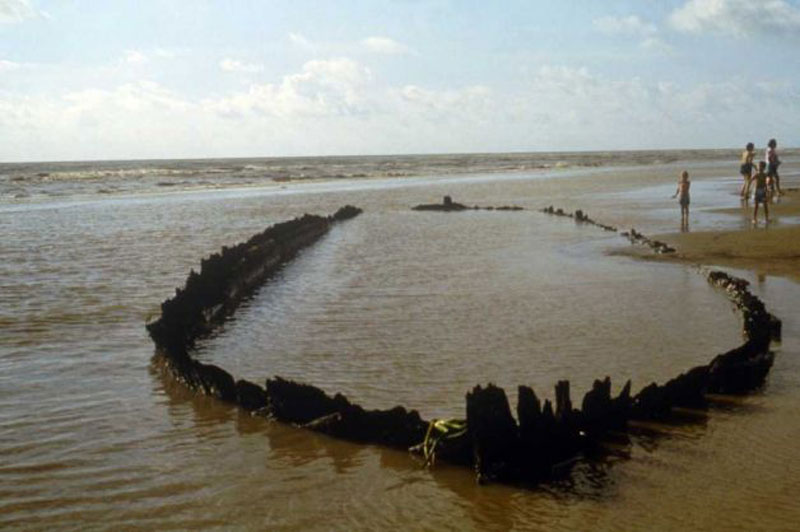
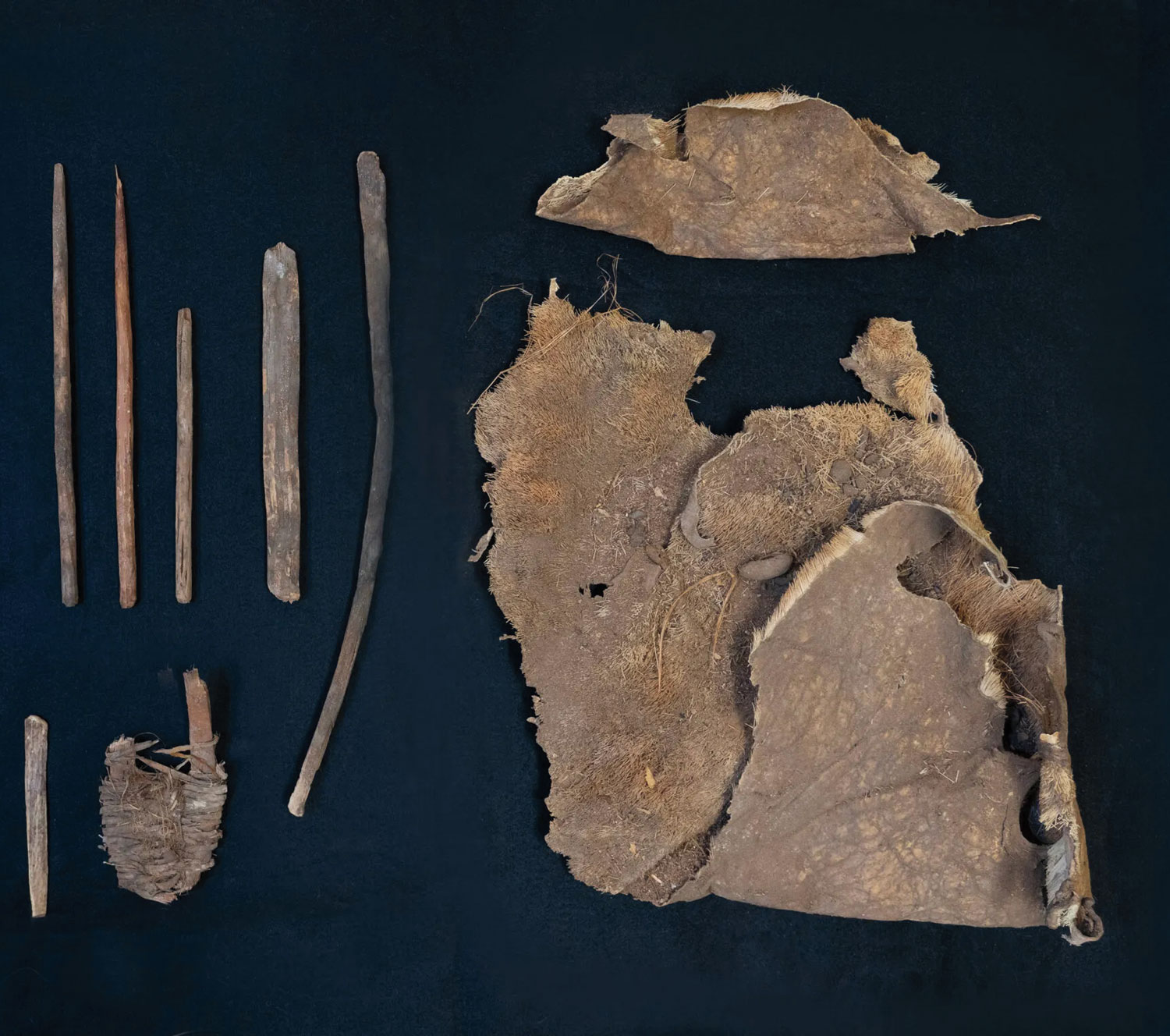
From October 2010 to the end of September 2011, Texas received the smallest amount of rainfall ever recorded over a 12-month period. he receding waters are affecting local ARCHAEOLOGY, exposing sites that have been underwater for decades.