INDONESIA
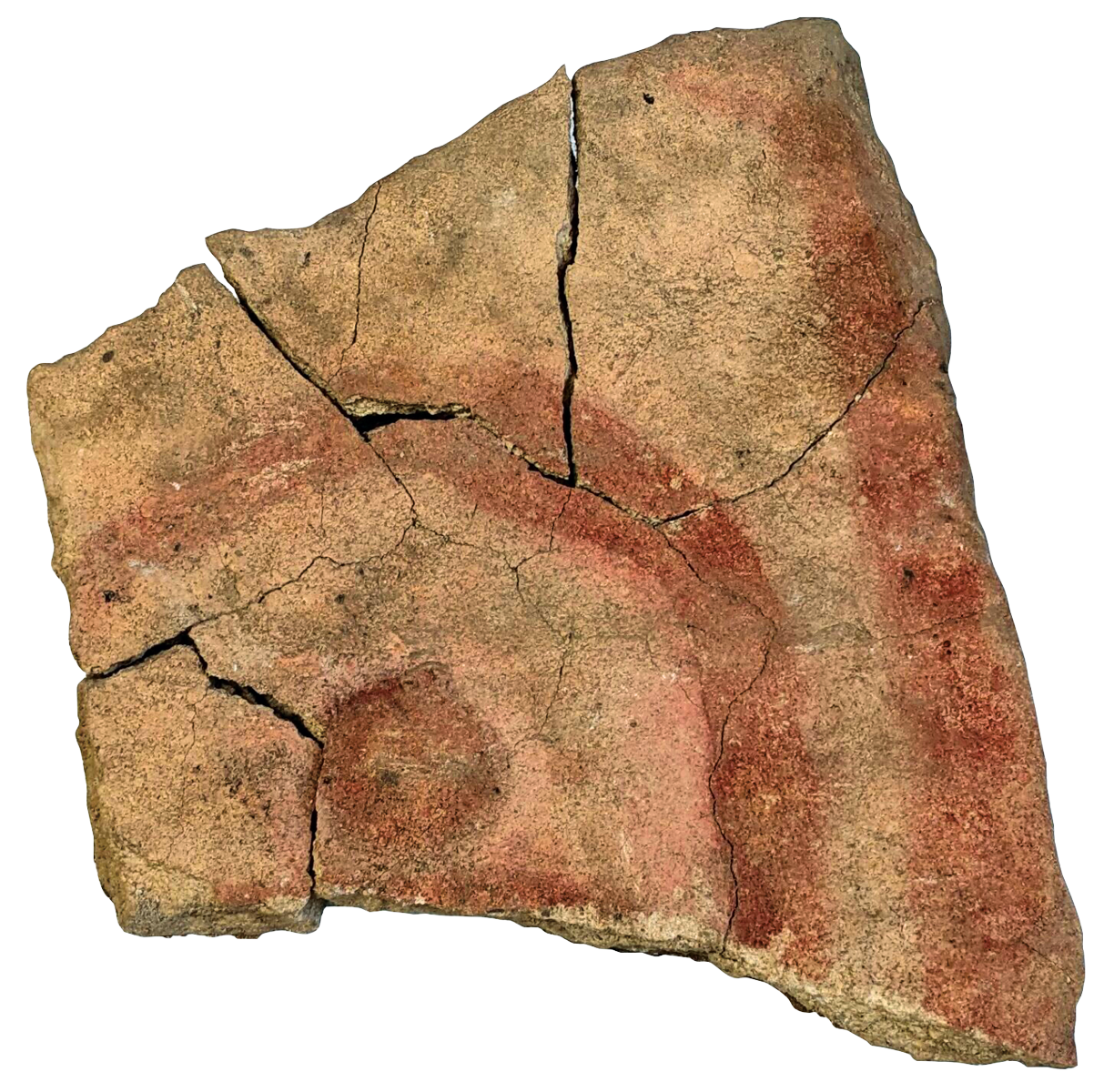
A 4,000-year-old painted stone plaque found in Wetar Island’s Huknaur rock shelter is the first of its kind ever discovered in Indonesia. The artifact’s red concentric circles and radiating sunray motif are characteristic of the Austronesian Painting Tradition, which has been identified around the western Pacific. These paintings are typically found on cave walls, but the recently unearthed artifact is the only known portable artwork executed in this style. The plaque was likely carried by an intrepid seafarer for protection or as a symbol of community identity.
Related Content
CHINA
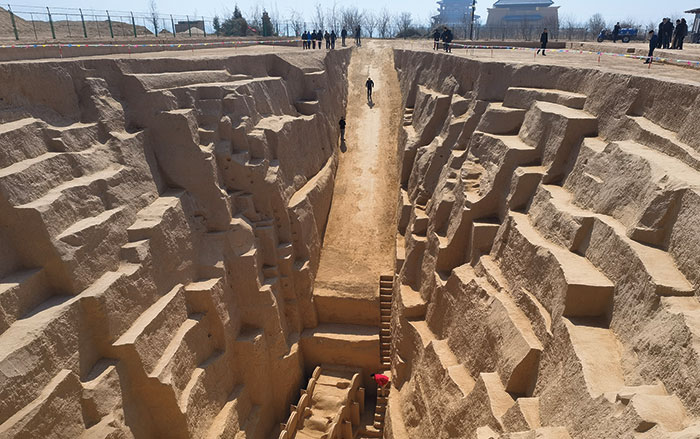
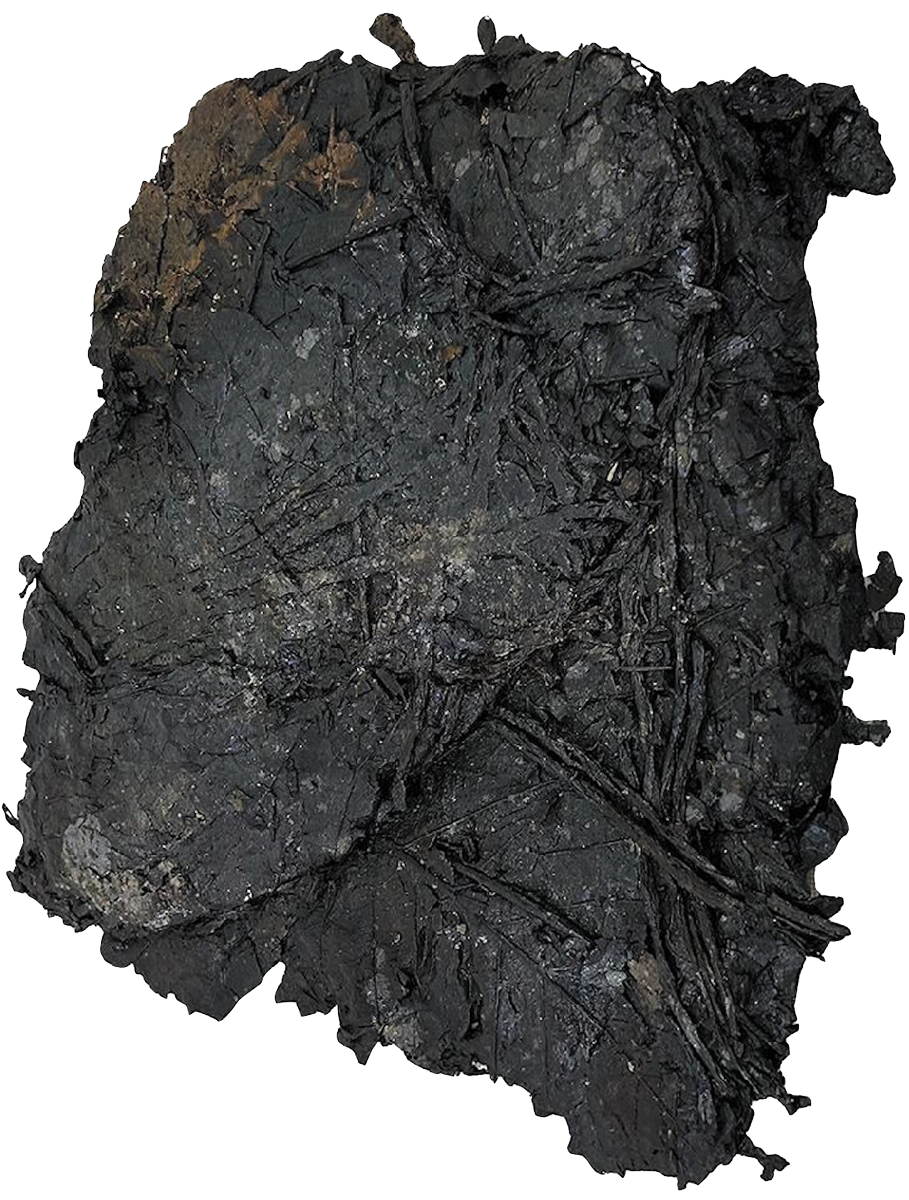
During the Dragon Boat Festival, revelers typically eat zongzi, a type of dumpling made of rice wrapped in leaves. These beloved food packets may have their roots in ancient funerary traditions. Several enigmatic plant bundles dating to around 200 b.c. were recovered from the royal Wuwangdun Tomb in eastern China’s Anhui Province. The bundles were found to contain rice, millet, and other cereals wrapped in layers of oak leaves and tied with grass, indicating that early versions of zongzi are at least 1,000 years older than once thought.
Related Content

KENYA
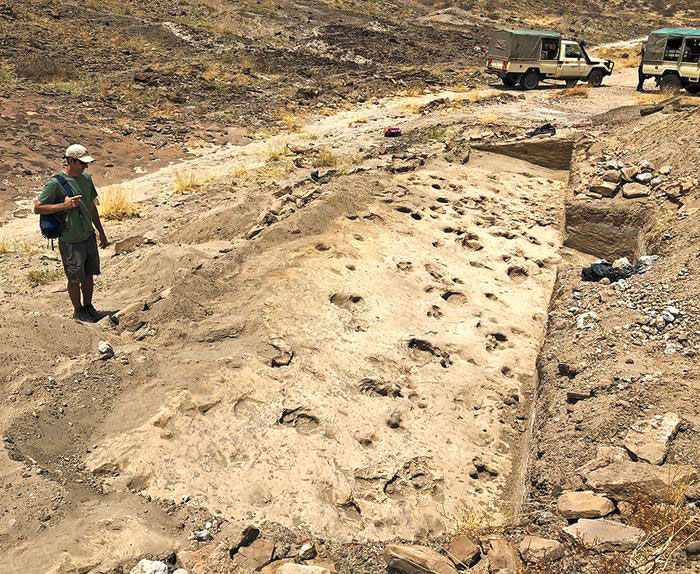
Around 1.4 million years ago, a band of Paranthropus boisei walking along the mudflats near Lake Turkana left footprints at the GaJi10 site that are giving scholars a new look at the behavior of these extinct hominins. Based on the size and depth of their tracks, researchers determined that the eight individuals were all male. They were also remarkably tall, standing six feet, and heavy, weighing around 165 pounds each. The itinerant bachelor party may have been seeking food or patrolling the area, or perhaps had been driven off from the main social group.
Related Content
Around the World May/June 2024
KENYA
Digs & Discoveries March/April 2026
The Path Not Taken

ISRAEL
The Natufian culture of the southern Levant established some of the world’s first permanent settlements around 15,000 years ago. A more sedentary lifestyle, though, meant fewer available food resources. Evidence from the site of El Wad Terrace on Mount Carmel reveals that, over time, Natufian communities adapted to life in the desert by feasting on reptiles, especially black whip snakes, eastern Montpellier snakes, and European glass lizards. These species were likely chosen for their large size, slow speed, and the minimal threat they posed.
Related Content

EGYPT
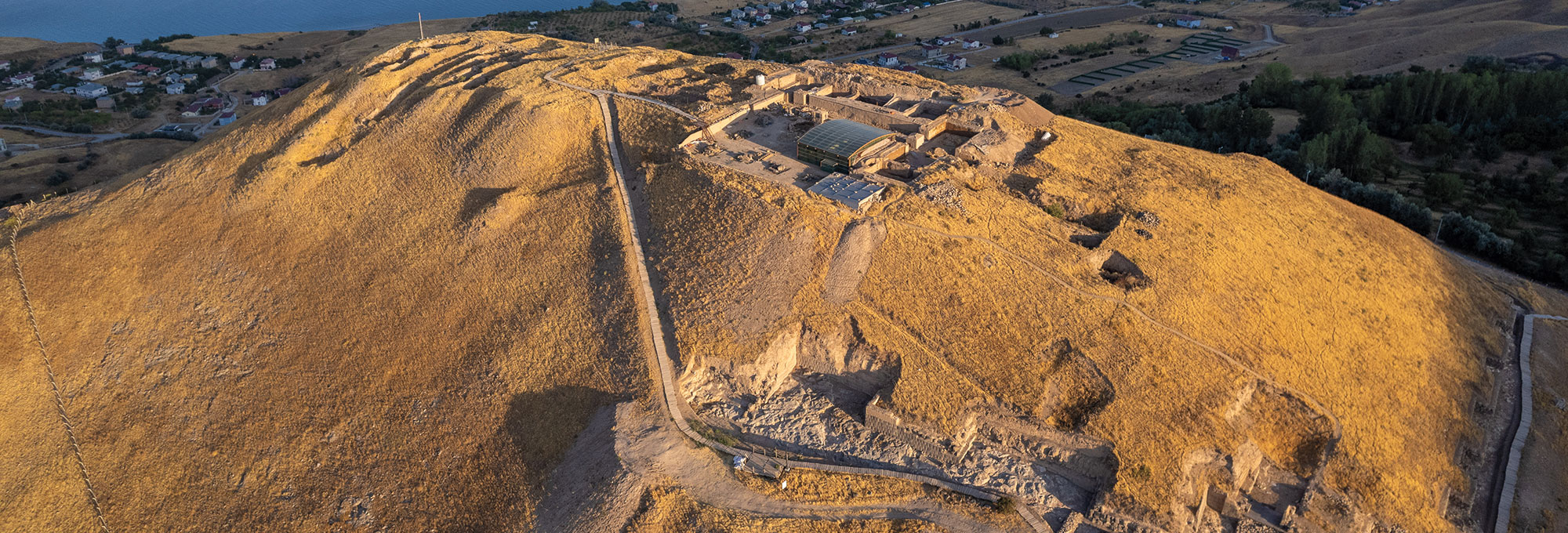
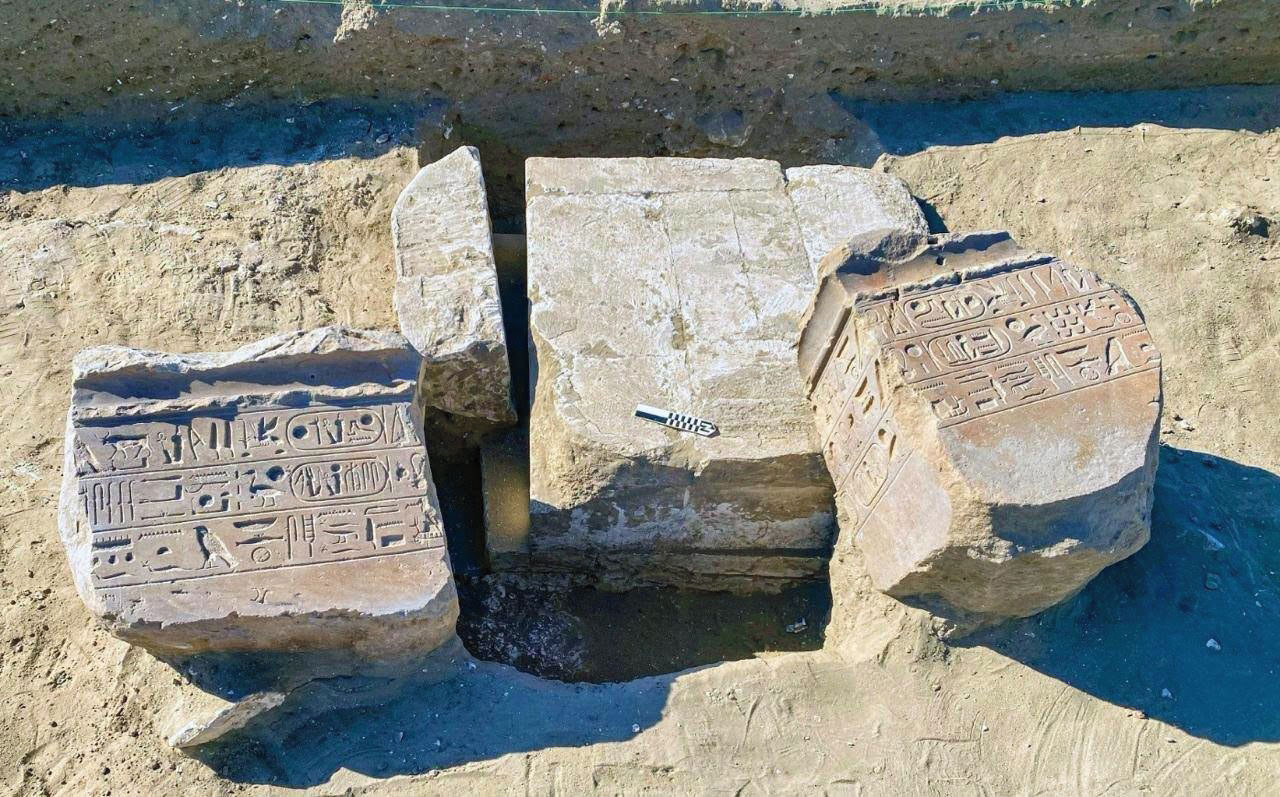
Tantalizing new evidence from Tell Abu Saifi has strengthened the case for the site’s association with an important long-lost Egyptian city. A recently uncovered sandstone lintel is inscribed with titles belonging to the pharaoh Ramesses II (reigned ca. 1279–1213 b.c.) as well as a reference to the god Horus as the Lord of Mesen. The city of Mesen is mentioned in ancient sources and was located along the Way of Horus, a key coastal military and trade route, but its exact whereabouts have never been confirmed.
Related Content
GREECE
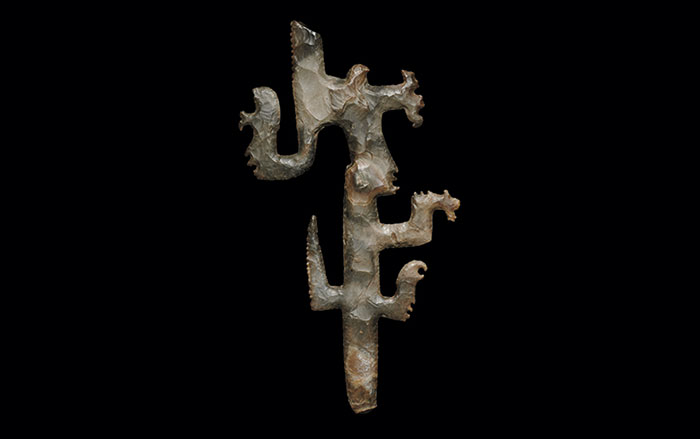
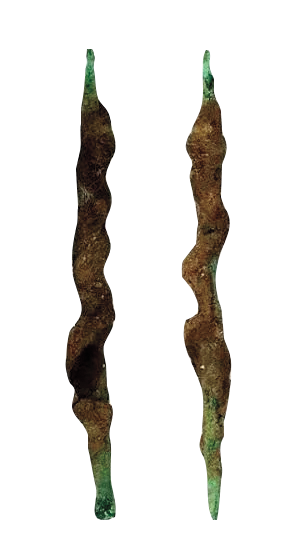
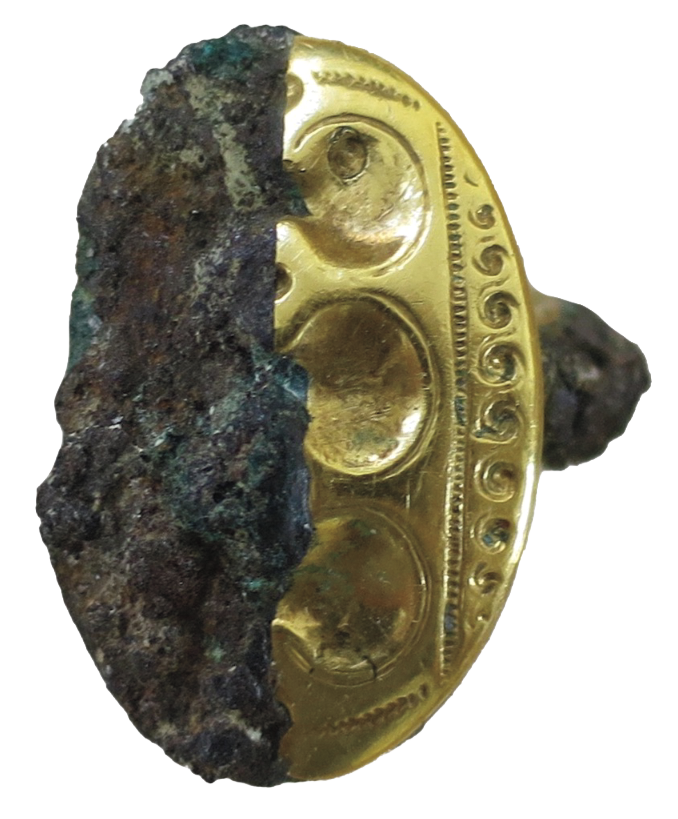
Some 3,500 years ago, before iron smelting was commonplace, Mycenaean and Minoan nobles wore iron rings embellished with silver or gold as symbols of power. Analysis of 13 rings from Bronze Age sites revealed that the iron that smiths used came not from the ground, but from the sky. High concentrations of nickel established the metal’s extraterrestrial origins. It’s possible that the raw material was imported from Egypt, where meteorites are better preserved than in Greece.
Related Content
BULGARIA
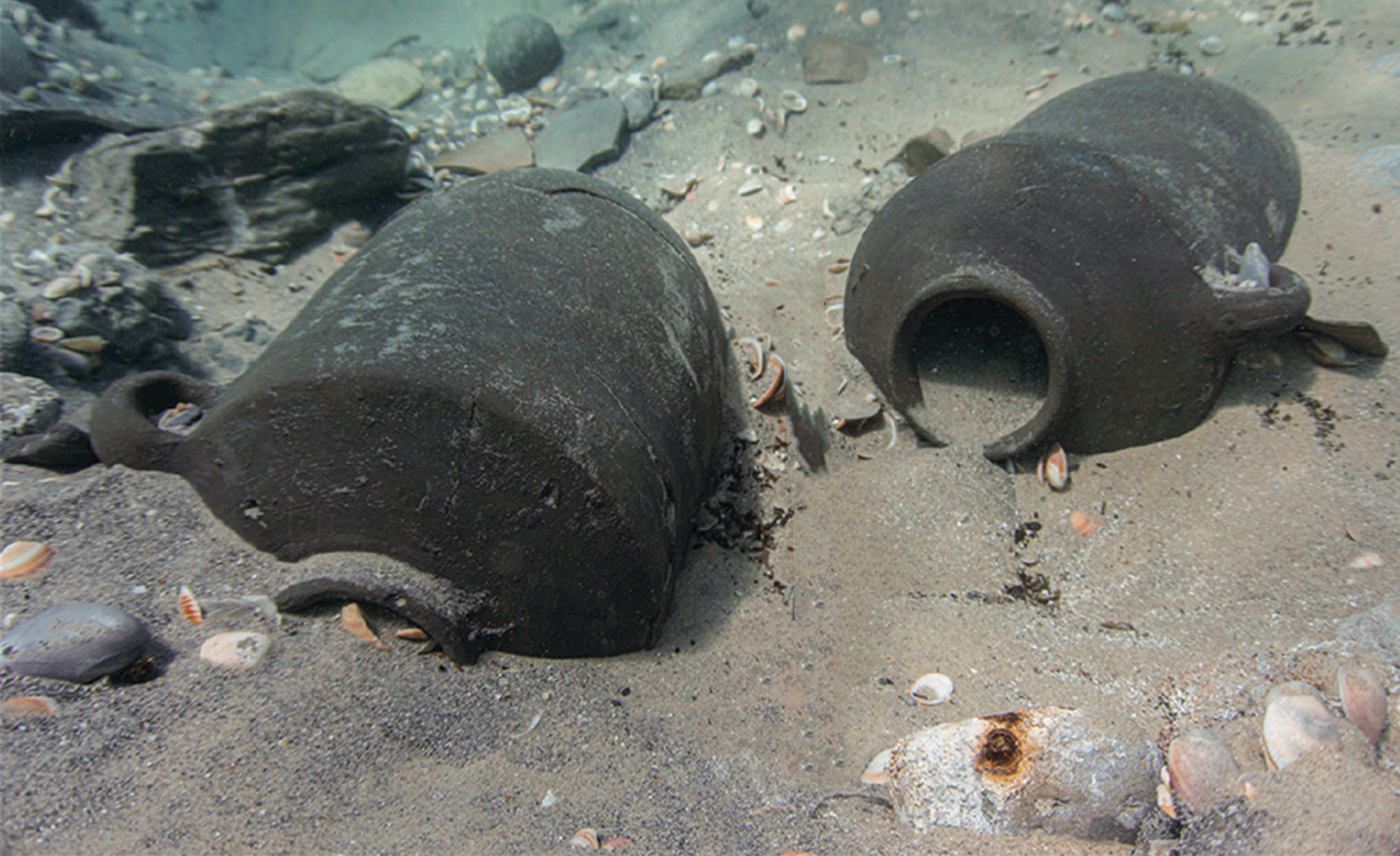
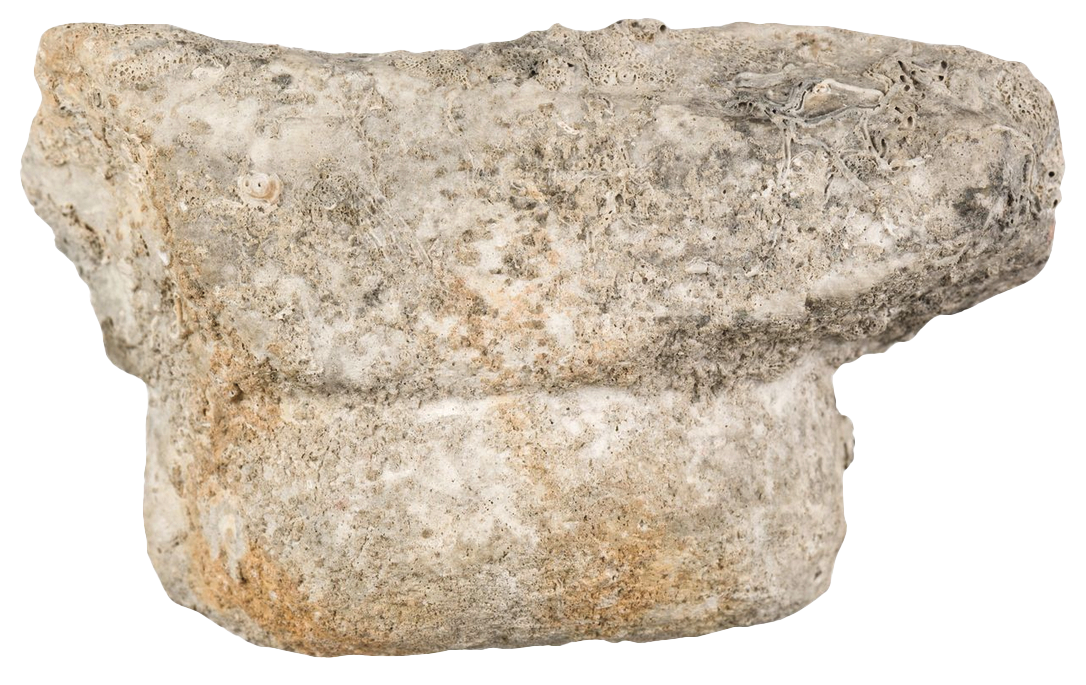
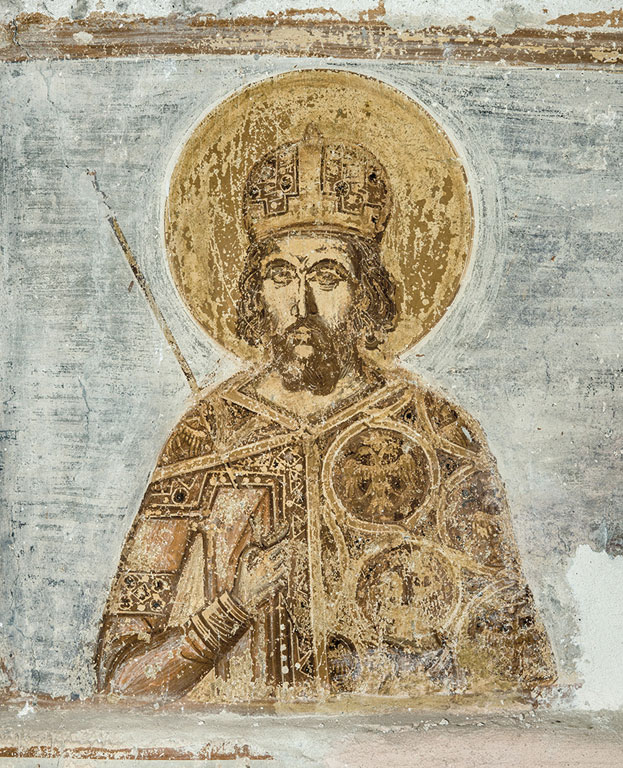
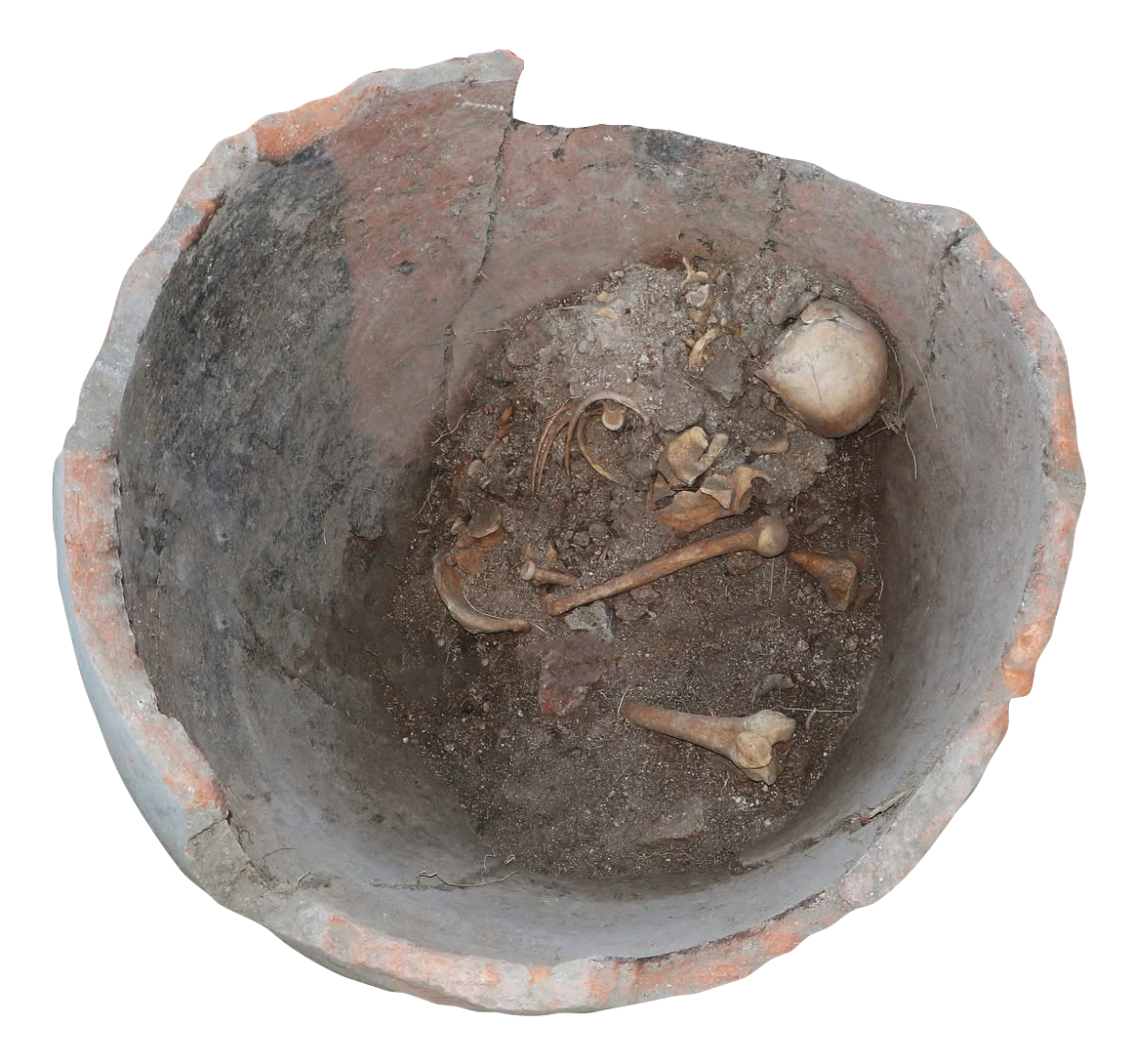
Archaeologists were stunned when they peered inside a dolium, or large ceramic jar, in the Roman colony of Deultum. Dolia typically held foodstuffs, but this one contained a human skeleton in a crouched position armed with a pair of knives. It appears that the doomed individual made a last-ditch effort to seek refuge in the jar during an enemy attack around a.d. 400 but perished when the colony was set on fire.
Related Content
SCOTLAND
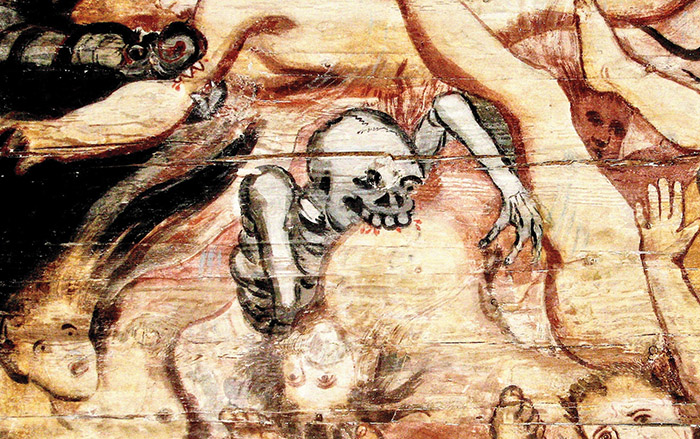
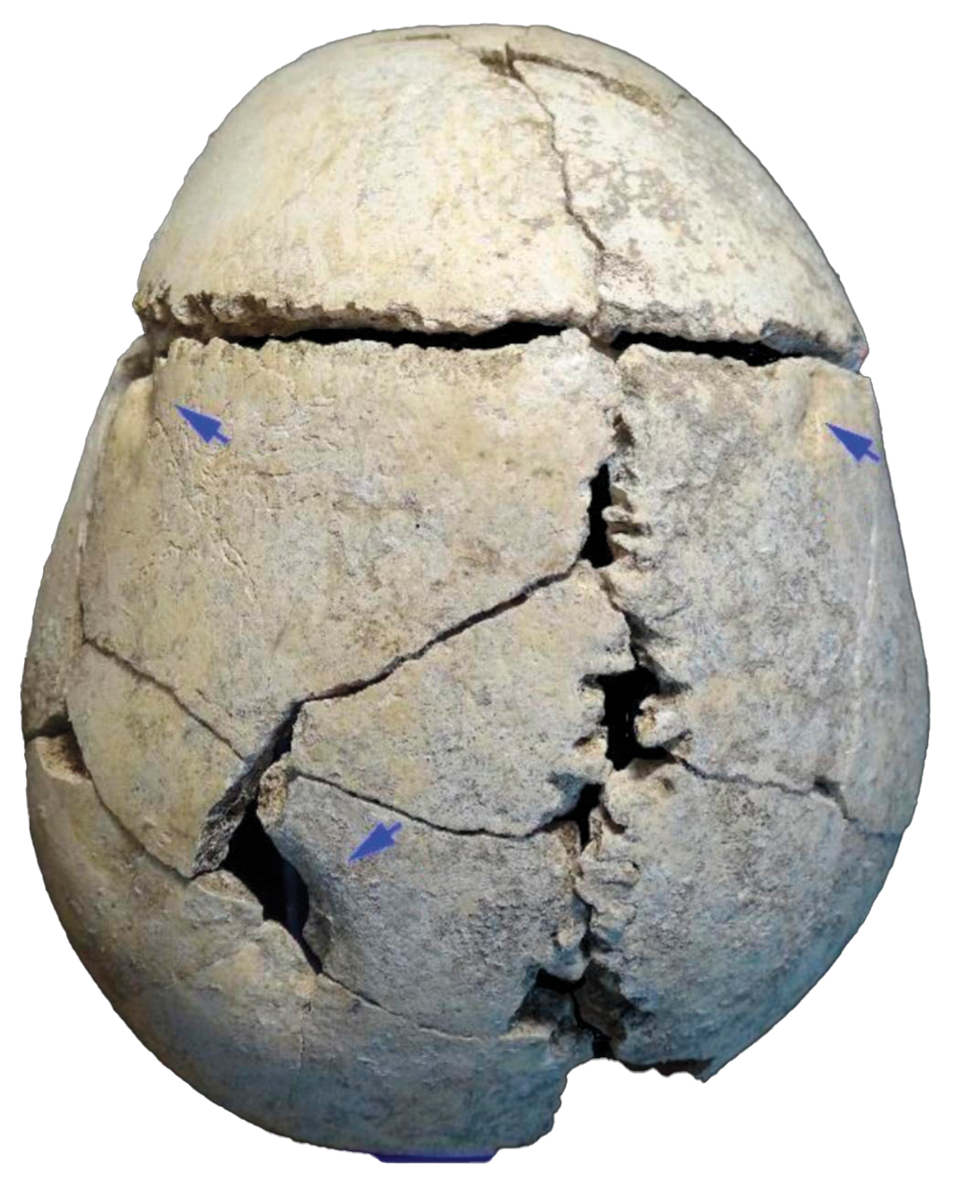
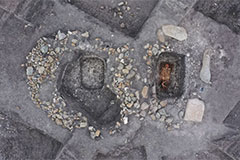
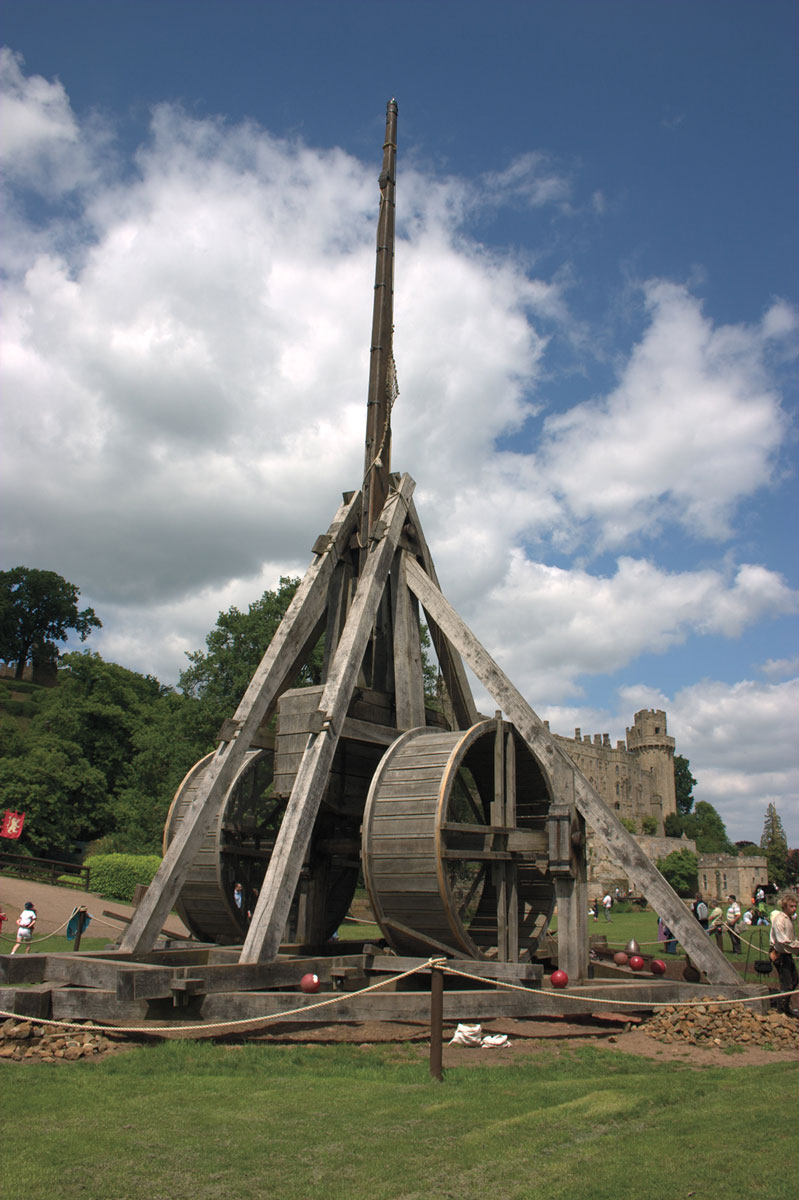
A researcher recently examined the skeletal remains of an individual buried in Stirling Castle and determined that the body had 160 catastrophic fractures consistent with a high-speed train or car crash. The young man, however, died more than 700 years ago. Further research determined that he was likely struck by a huge projectile launched by a trebuchet during the English king Edward I’s siege of the castle in 1304, making the unfortunate soul the world’s first known casualty of catapult fire.
Related Content

PERU
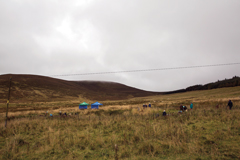
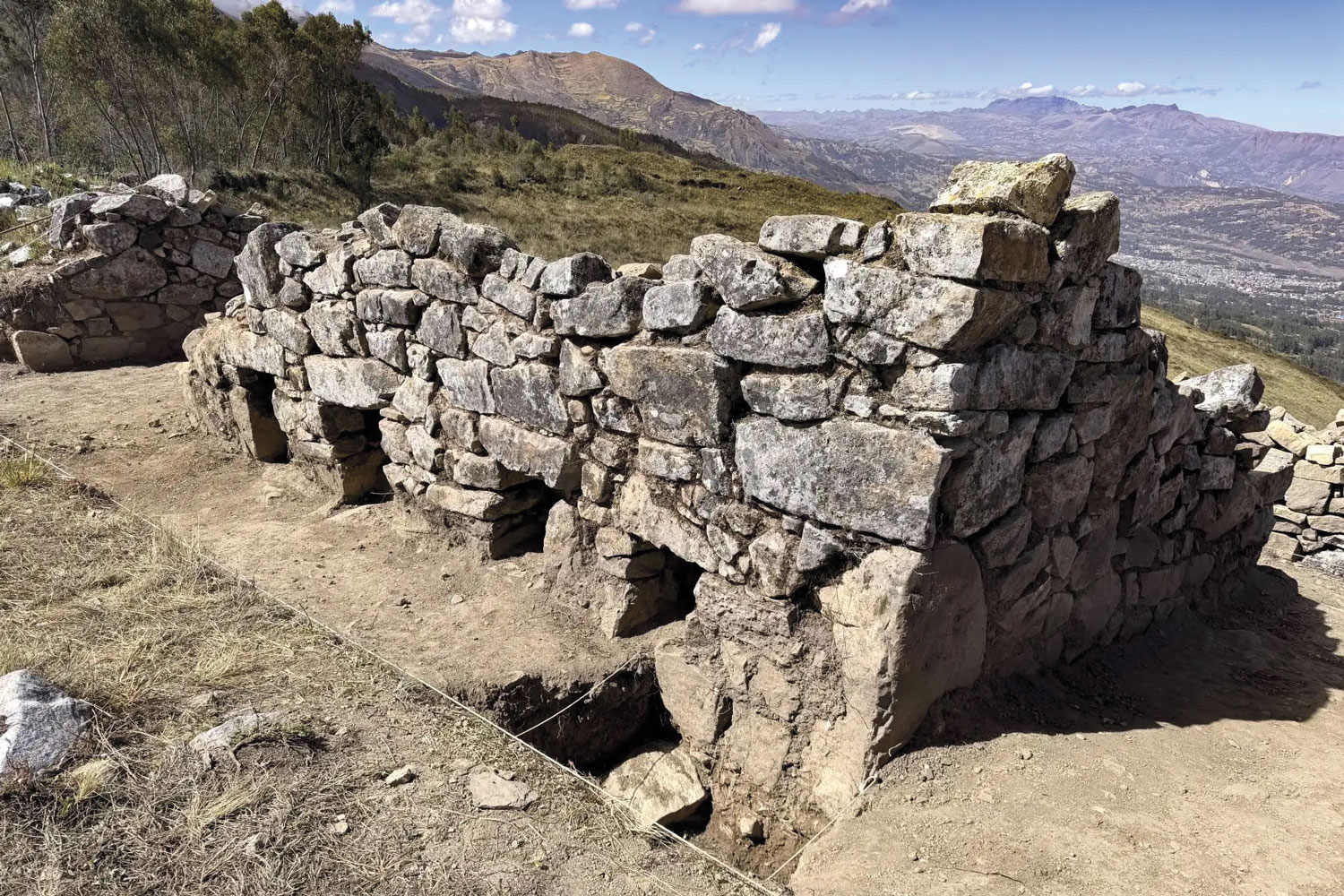
State-run Inca food storage facilities, or colcas, were sometimes located at high elevations where chilly mountain air helped preserve perishable provisions. Twelve circular colcas dating to 500 years ago were recently uncovered at the site of Wancasanga, which sits at 11,000 feet above sea level overlooking the Condebamba Valley. Archaeologists excavated a nearby building equipped with innovative stone ventilation shafts that circulated cool air through the storehouses to help regulate conditions inside.
Related Content
GEORGIA (USA)
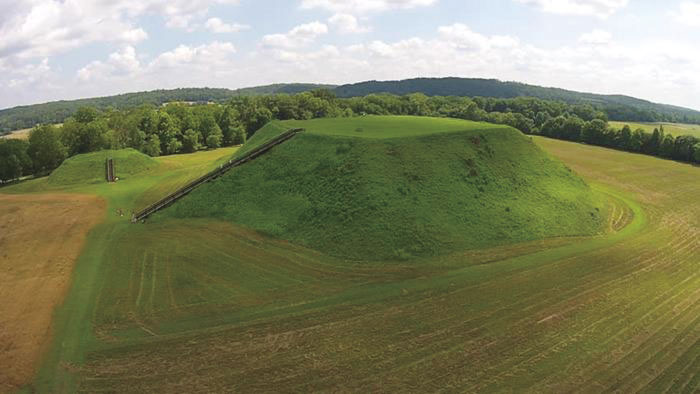
Native Americans in what is now Georgia may have developed a taste for chocolate much earlier than previously thought. Indigenous communities in South and Central America, where the cacao tree is endemic, have consumed the delightful treat for thousands of years, but there was no evidence of its presence in the American Southeast prior to European contact in the 16th century. Analysis of residues from pottery found at the Mississippian culture site of Etowah Indian Mounds suggests that its residents enjoyed chocolate as early as the 11th century.