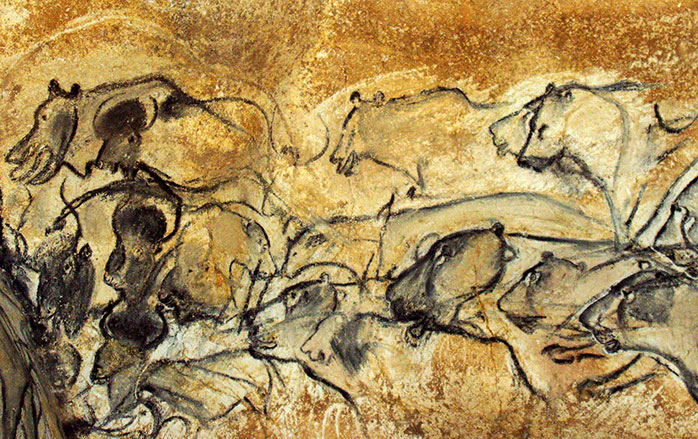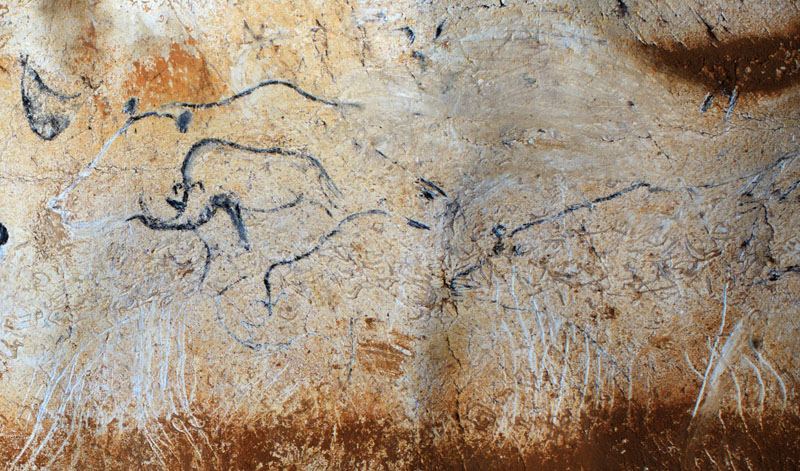
(Courtesy Marc Valsella)
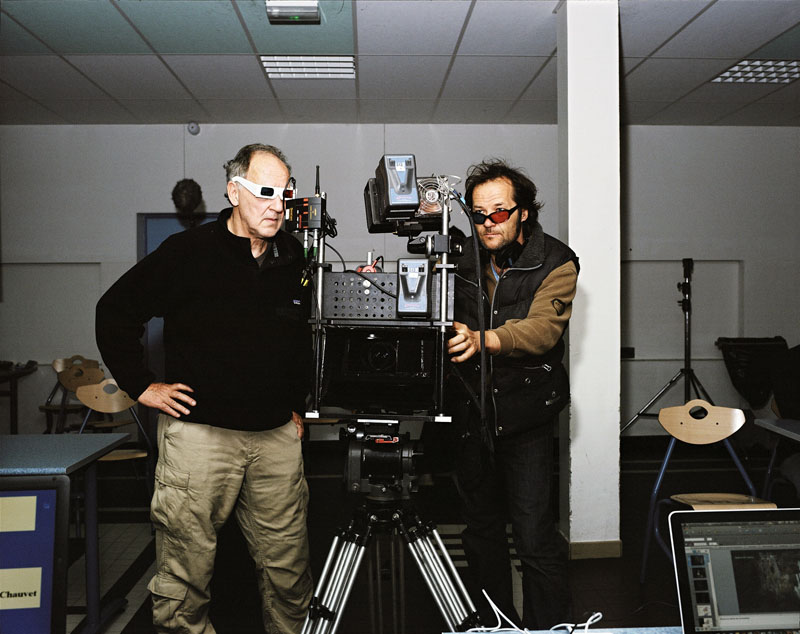
Last March, preeminent filmmaker Werner Herzog was given unprecedented access to Chauvet Cave in southeastern France to film the site's Paleolithic art. The result, his film Cave of Forgotten Dreams, which will be released this spring, is a document of some of humankind's earliest and most extraordinary paintings. Since the cave was discovered in December 1994, only a few people, mostly researchers, have seen the artwork, owing to the cave's extremely delicate climate and concerns about preserving the ancient paintings. But the film is more than a tour of the cave. It is an exploration of what the science of archaeology is revealing about the Aurignacian people—Europe's first artists who lived about 35,000 years ago—and the origins of the modern human mind. Part of the film focuses on the work of Jean Clottes, the former director of research for the Chauvet Cave Project, and Jean-Michel Geneste, the project's current director, and what their work tells us about how the Aurignacian people may have lived their lives and connected to their world through art. ARCHAEOLOGY senior editor Zach Zorich was invited to Herzog's Manhattan apartment, the day after an exclusive screening of the film in New York, for an interview about the unique challenges of making this film and the kinship among artists across the ages. These web exclusive clips from the interview are a taste of the longer interview, which appears in the March/April 2011 issue of ARCHAEOLOGY.
Why film in 3D?
No one will mistake Cave of Forgotten Dreams for one of the action-adventure movies that typically use the 3D format. Herzog, who has never used it before, discusses why filming in Chauvet Cave couldn't have been done any other way.

Scent of a Cave Bear
Understanding the ancient environment inside Chauvet Cave is a major concern of the researchers working there. They know the primary residents were a now-extinct species of bear and that feces and rotting carcasses of bears that died while hibernating—in addition to smoke from torches and fires lit by the artists—would have made up the atmosphere. Herzog discusses the ways that film can convey the unique sensory realities of such a place.
Artist or Craftsman
Contrasts and similarities between the ancient artists of Chauvet and a modern-day auteur such as Herzog are implicit in Cave of Forgotten Dreams. He believes modern-day artists face an environment that is, in its way, more difficult than the one confronted by their Paleolithic forbears.
A Good Caveman
Much of Cave of Forgotten Dreams deals with the question, who were the Aurignacian people? What were their lives like? Herzog's experience as a hunter and a long-distance walker helped him understand certain aspects of their lives.
Zach Zorich is a senior editor at ARCHAEOLOGY.