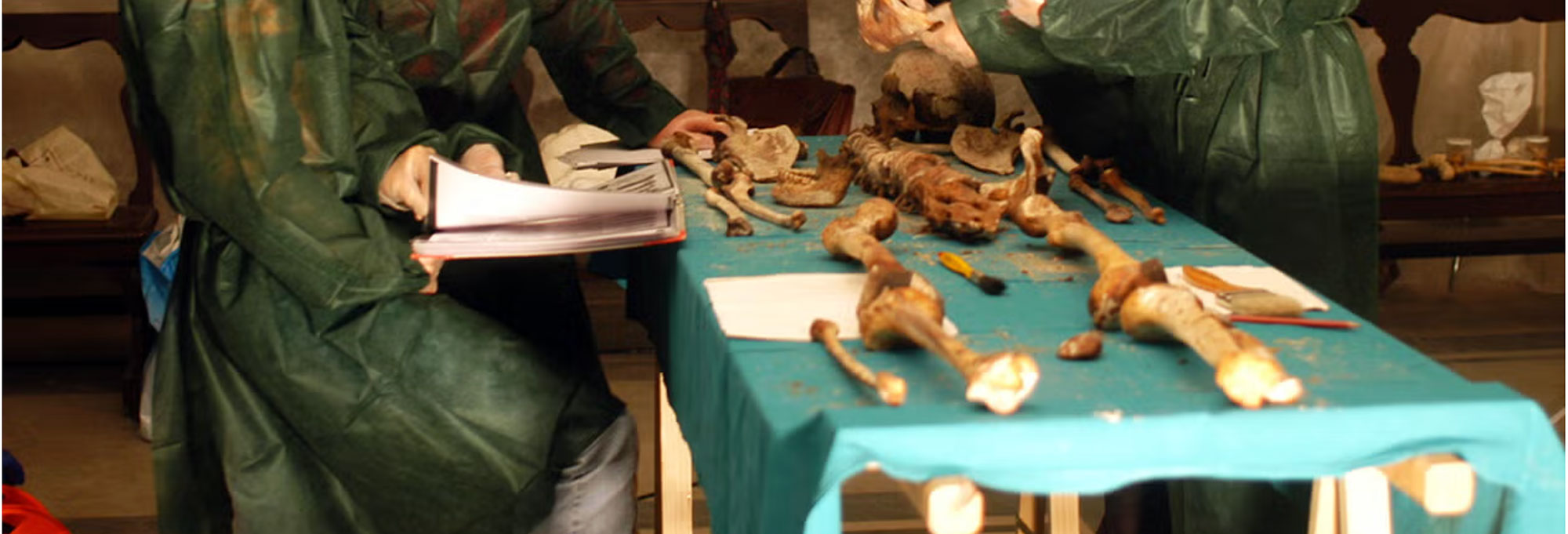
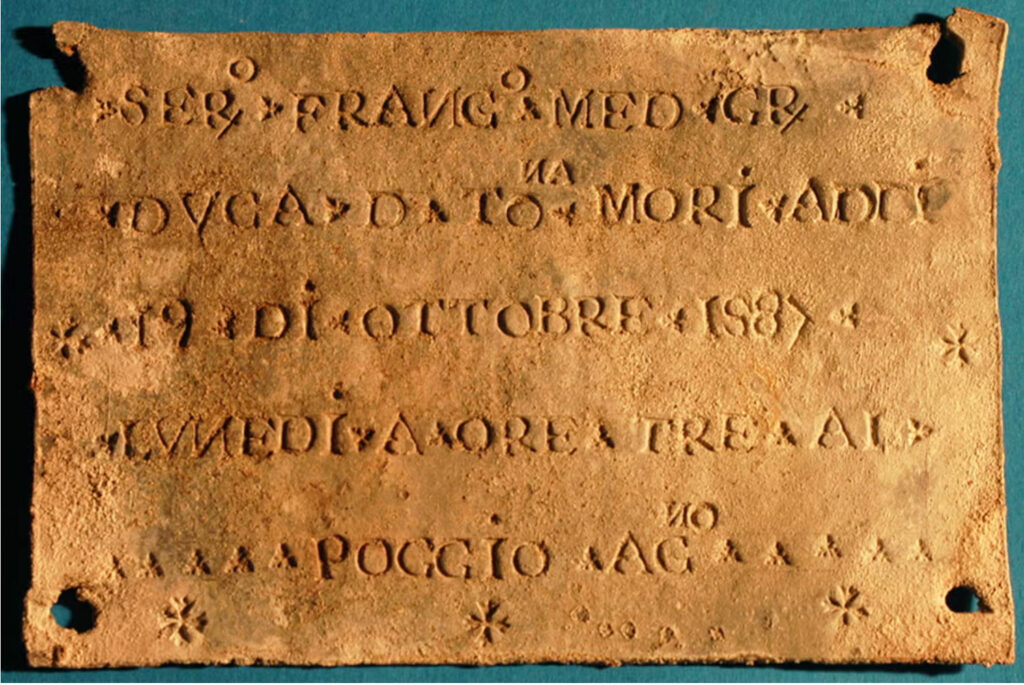
NEW HAVEN, CONNECTICUT—According to a statement released by Yale University, researchers from Yale University and the University of Pisa identified an unknown strain of Plasmodium falciparum in the bones of Cardinal Giovanni de Medici, who died of malaria in 1562. His brother, Grand Duke Francesco de Medici, died of the same disease in 1587. Traces of P. falciparum and P. malariae were detected in his bones. “At the time, both were diagnosed with symptoms, such as intermittent fevers, consistent with malaria,” said Valentina Giuffra of the University of Pisa. “This genetic analysis confirms the historical accounts as well as prior research." The genetic evidence of malaria infection in Francesco de Medici’s bones counters rumors that he had been poisoned with arsenic by his brother and rival, Cardinal Ferdinando de Medici, she added. The study will also help scientists to understand how Plasmodium falciparum adapts over time, noted Alexander Ochoa of Yale University. Read the original scholarly article about this research in iScience. To read about an investigation into the death of Lodovico de Medici, go to "Medici Mystery."