

WASHINGTON, D.C.—According to a Phys.org report, E. Grace Veatch of the Smithsonian Institution and her colleagues have reevaluated the idea that Homo floresiensis, a small-brained hominin that stood about 3.5 feet tall, hunted dwarf elephants and controlled fire. First, the researchers examined fresh tooth marks left on the bones of a goat consumed by an Indonesian Komodo dragon held at Zoo Atlanta. They then compared the fresh tooth marks with marks on more than 3,100 fossilized bone fragments from extinct dwarf elephants (Stegodon florensis insularis) and some 7,000 rodent bones found in Liang Bua Cave on the Indonesian island of Flores, where fossils of Homo floresiensis, or the “hobbit,” were discovered. Veatch and her colleagues determined that the marks left on the fossilized elephant bones were similar to the fresh Komodo dragon tooth marks on the goat bones. They also noted that these tooth marks were concentrated on bones from the meatiest parts of the animals. The stone tool marks, meanwhile, were found to be concentrated on rib and foot fossils, suggesting that H. floresiensis had scavenged what was left of the carcasses. The researchers also suggest that discolored bones uncovered at Liang Bua had not been charred, but were stained by minerals in the soil over time. “Moreover, no signs of intentional use of fire are present in the stratigraphic units associated with H. floresiensis,” the researchers concluded. Read the original scholarly article about this research in Science Advances. To read about another recent discovery in Indonesia, go to "Mark of the Human."
Was Homo floresiensis a Hunter or a Scavenger?
News July 8, 2026
Recommended Articles
Digs & Discoveries March/April 2026
Reindeer Harvest

Top 10 Discoveries of 2024 January/February 2025
Reindeer Hunters’ Wall
Bay of Mecklenburg, Baltic Sea

Digs & Discoveries July/August 2023
Big Game Hunting
More to Discover
Features July/August 2026
Egypt's First Queen
How a trailblazing ruler pulled her realm back from the brink


-
Features July/August 2026
Secrets of the Serpent
Is a Native American origin story embedded in Ohio’s colossal earthwork?
 Timothy E. Black
 -
Features July/August 2026
Slinging Insults
Greek and Roman soldiers fired pointed barbs at their enemies
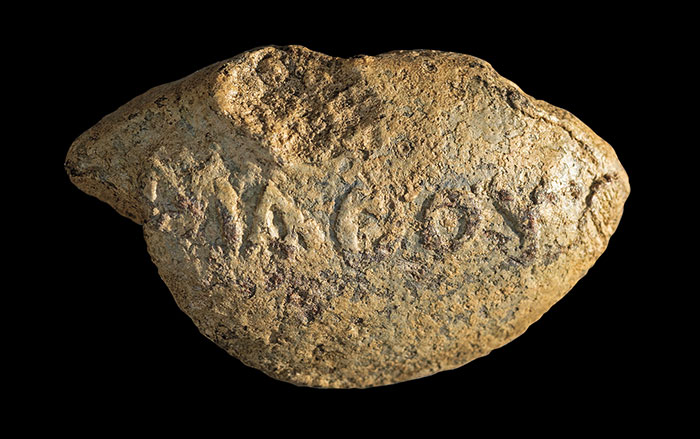 Courtesy Michael Eisenberg
 -
Features July/August 2026
Inside Africa’s Houses of Stone
Archaeologists are rethinking how kings shared power beyond the great capitals of medieval Zimbabwe
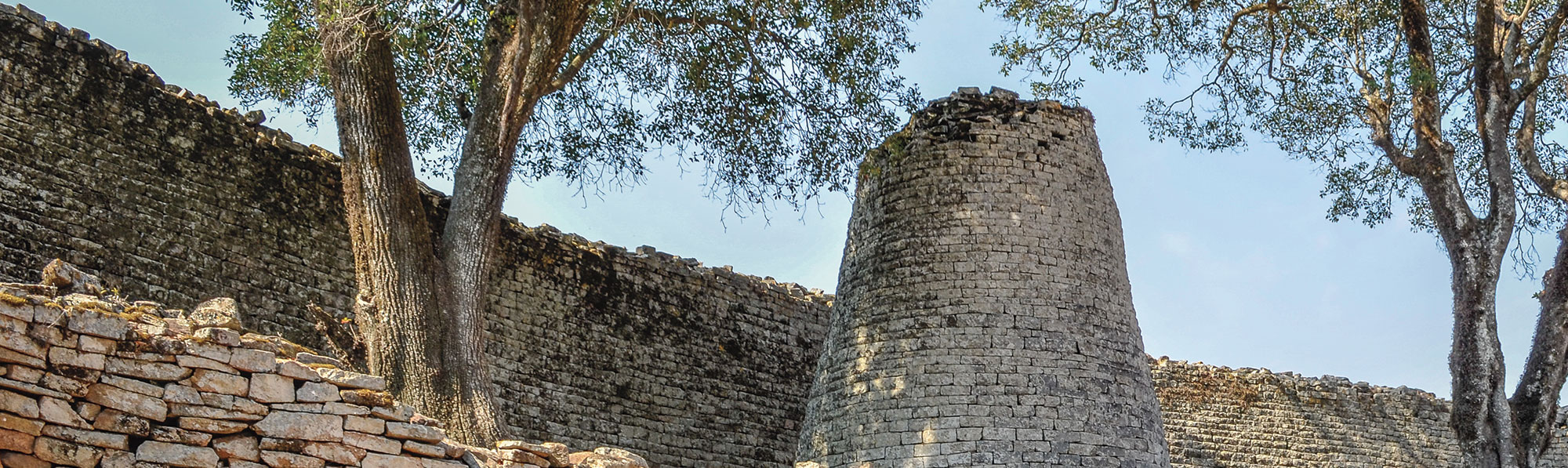 Ad/AdobeStock
 -
Features July/August 2026
Tennis, Anyone?
Discovering the origins of the peculiar racket game that swept sixteenth-century France
 © Denis Gliksman, Inrap