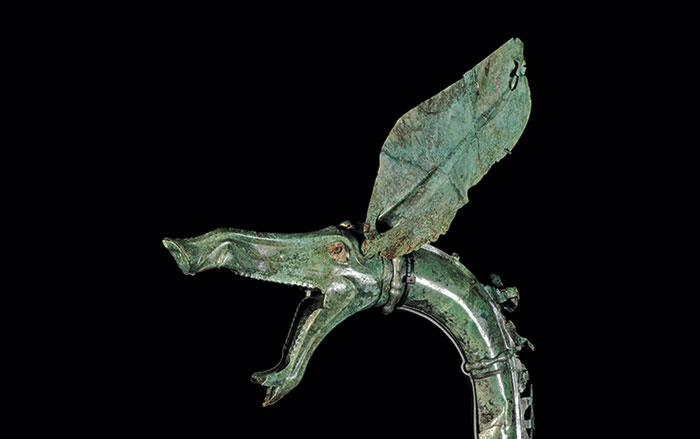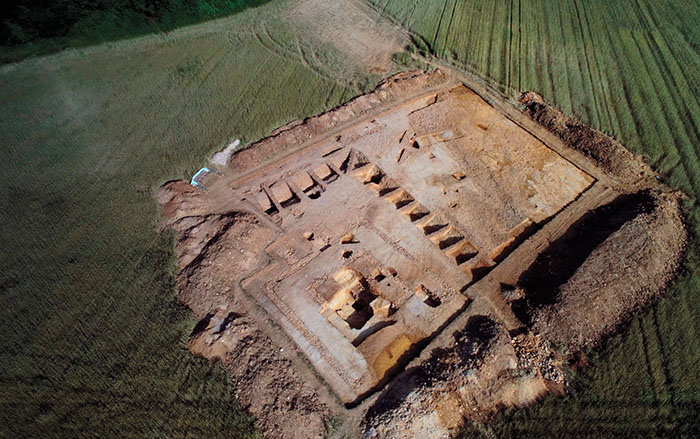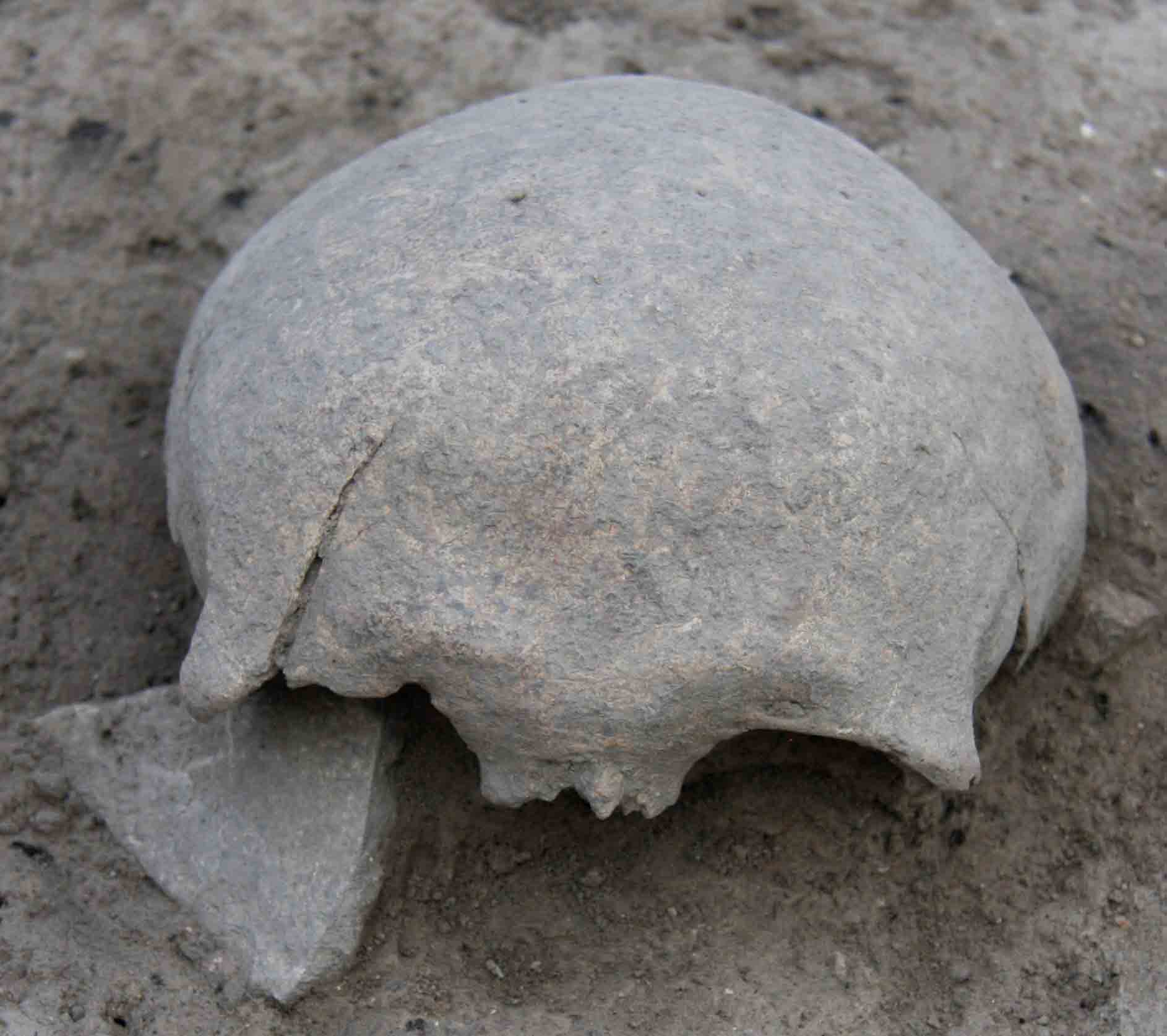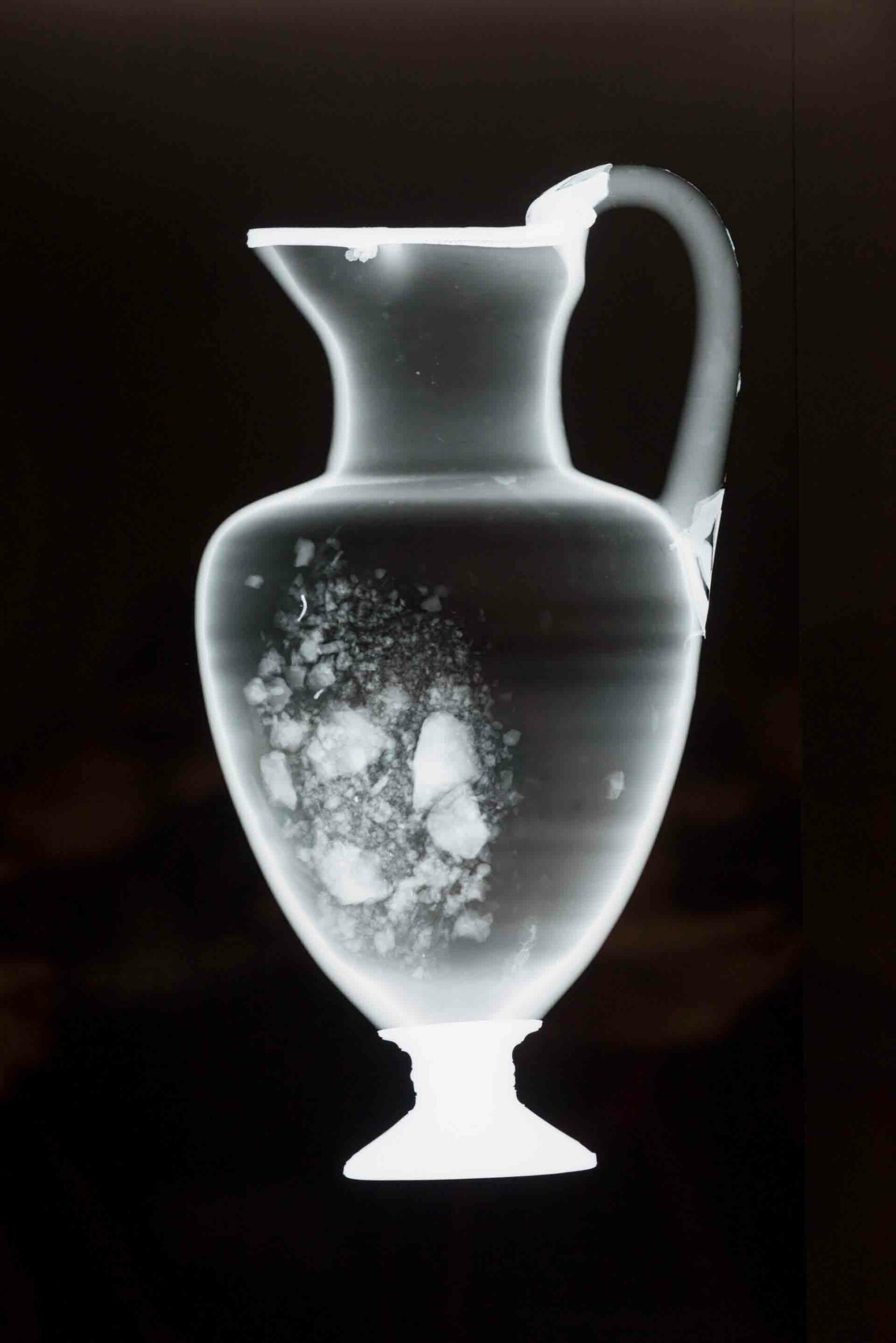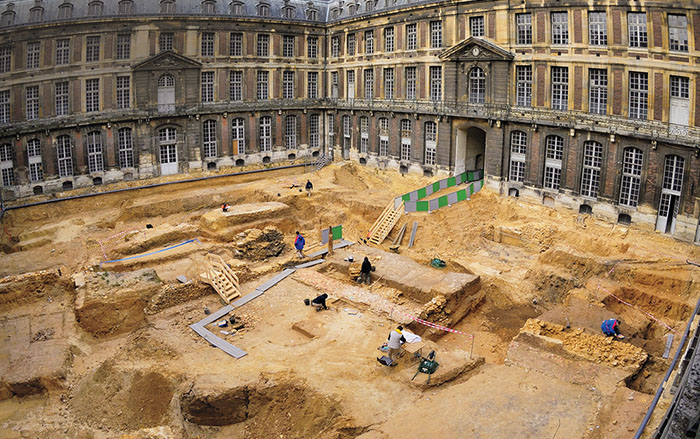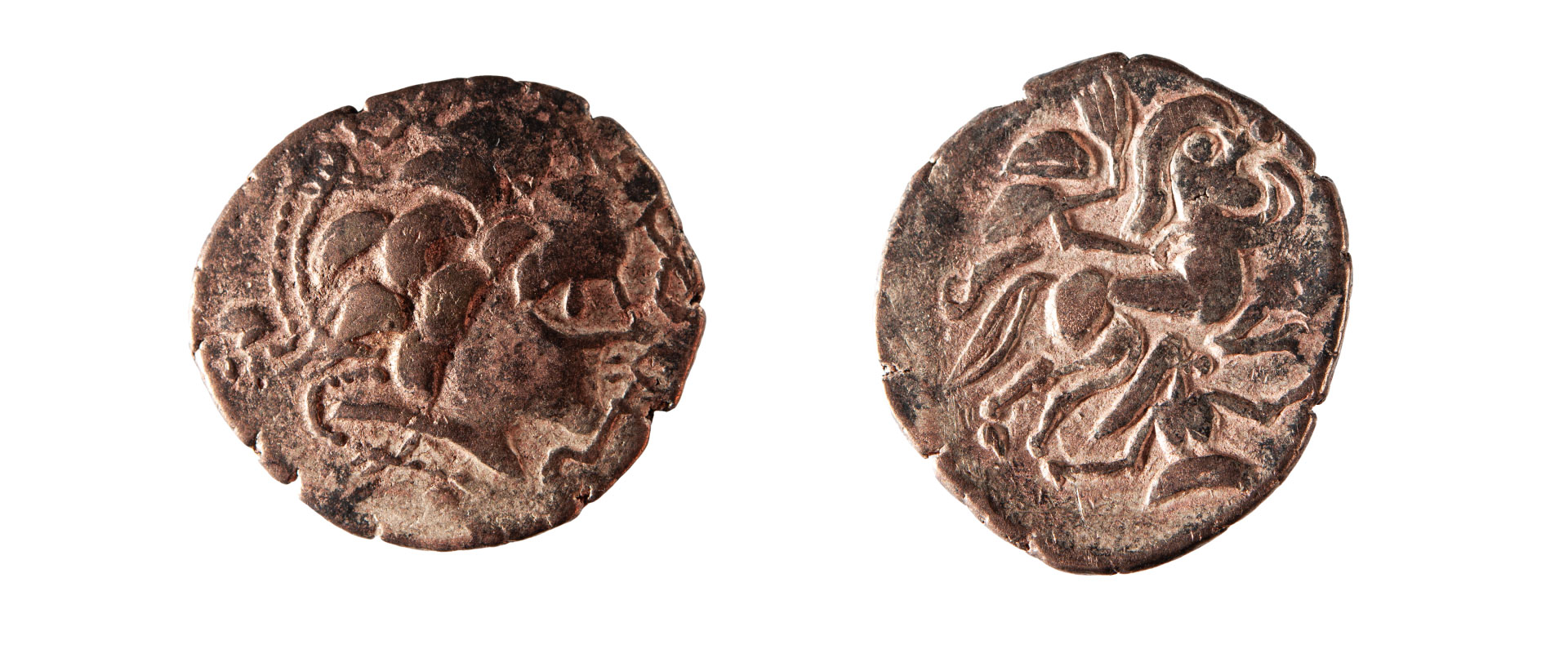
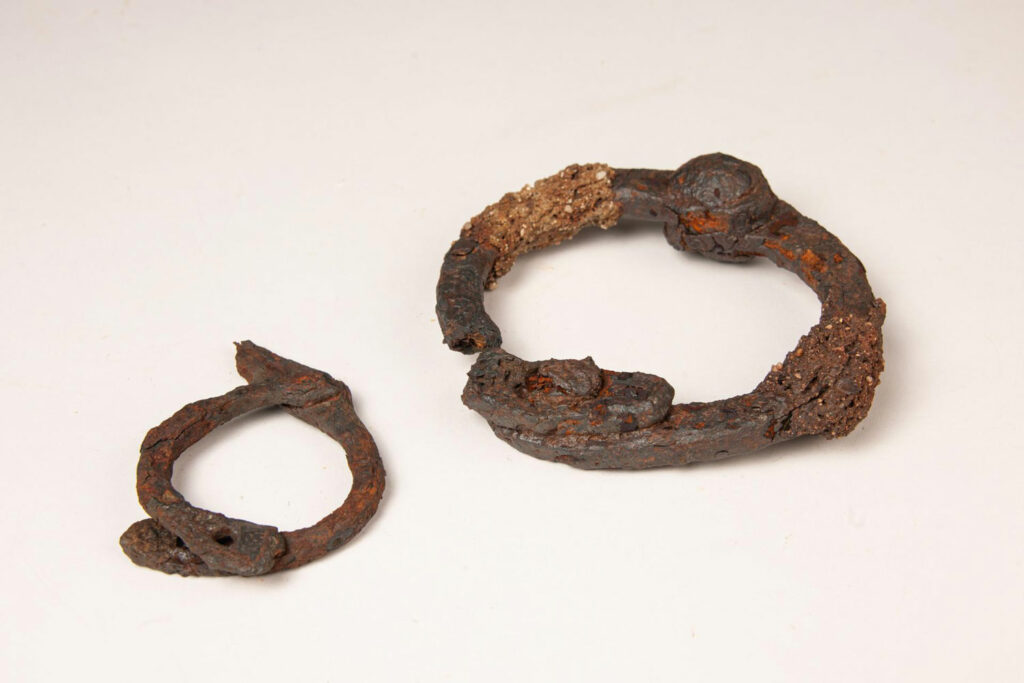
ALLONNES, FRANCE—Five pairs of iron shackles were unearthed at a 2,300-year-old Celtic site in central France by researchers from the French National Institute for Preventive Archaeological Research (INRAP), according to a Live Science report. The settlement was situated at the intersection of several ancient roads. Metallurgic finds indicate that blacksmiths, coppersmiths, bronze workers, and sheet metal workers had small workshops at the site, which also featured a religious complex. The presence of the shackles suggests that the settlement may have also been a hub for slave trading. The enslaved may have been prisoners of war, convicts, or debtors. Archaeologists also uncovered hundreds of coins, minted over a period of more than 500 years, that may have been linked to the religious complex. Isabelle Bollard-Raineau of the French Ministry of Culture said that about one-third of the coins had been filed, sheared, or etched with a chisel. “These mutilations reveal a ritual intention: the removal of the coin’s commercial function in order to dedicate the object to the sacred, thereby ensuring the permanence of the offering,” she explained. To read about people wearing iron fetters who were buried in a Gallo-Roman necropolis in southwest France, go to "Shackled for Eternity."