

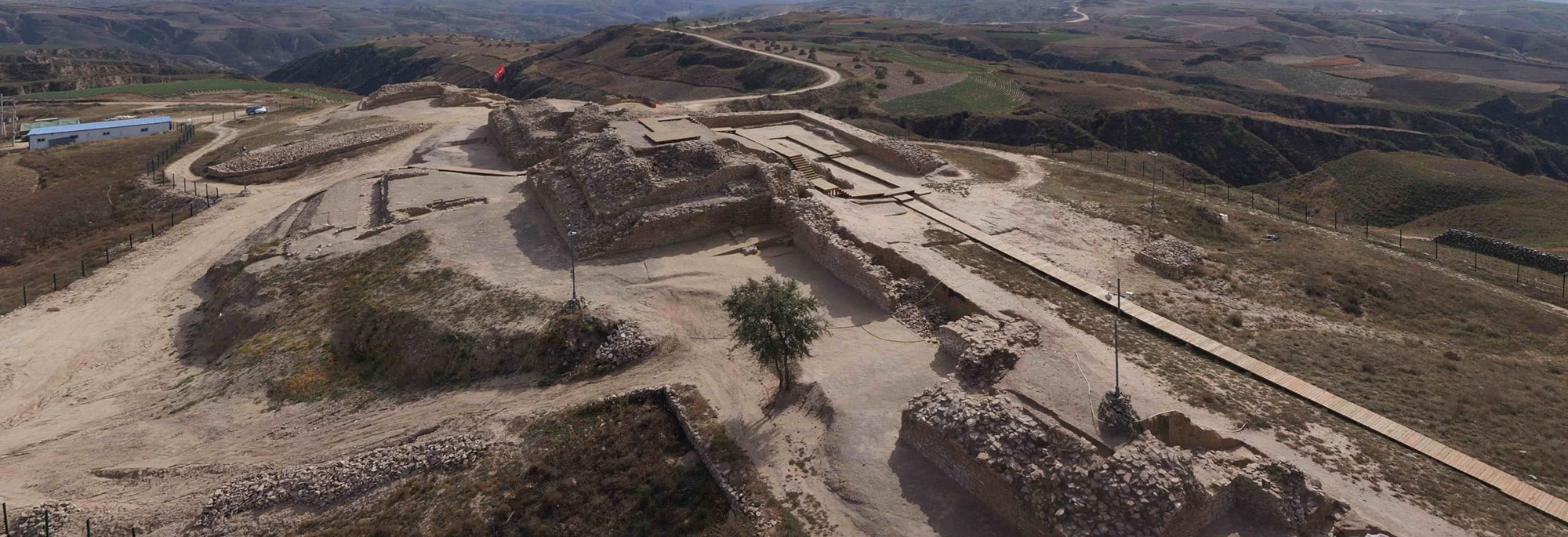
SHAANXI, CHINA—According to a statement released by the Chinese Academy of Sciences, Qiaomei Fu of the Chinese Academy of Sciences and his colleagues analyzed genomes obtained from 169 sets of human remains unearthed at Shimao, a Neolithic site in northwestern China, and the surrounding area. Occupied between 4,200 and 3,700 years ago, Shimao covered nearly 1,000 acres and was surrounded by a defensive wall. The study suggests that the people who lived at Shimao descended from local groups and had genetic ties to the Yangshao culture, which was also located on the Loess Plateau of the Yellow River. Genetic links to different cultural groups to the south were detected in the remains of the people of Shimao as well. DNA taken from the 80 human skulls unearthed near Shimao’s East Gate indicates that nine out of 10 of these skulls belonged to men, who are thought to have been sacrificed. It had been previously believed that these skulls belonged to women. The remains of sacrificed women were identified at elite cemeteries located in the center of the city, however. Read the original scholarly article about this research in Nature. For more, go to "Neolithic City of Shimao," one of ARCHAEOLOGY's Top 10 Discoveries of the Decade.
Researchers Analyze DNA from Residents of Chinese Neolithic City
News July 17, 2026
Recommended Articles
Digs & Discoveries March/April 2020
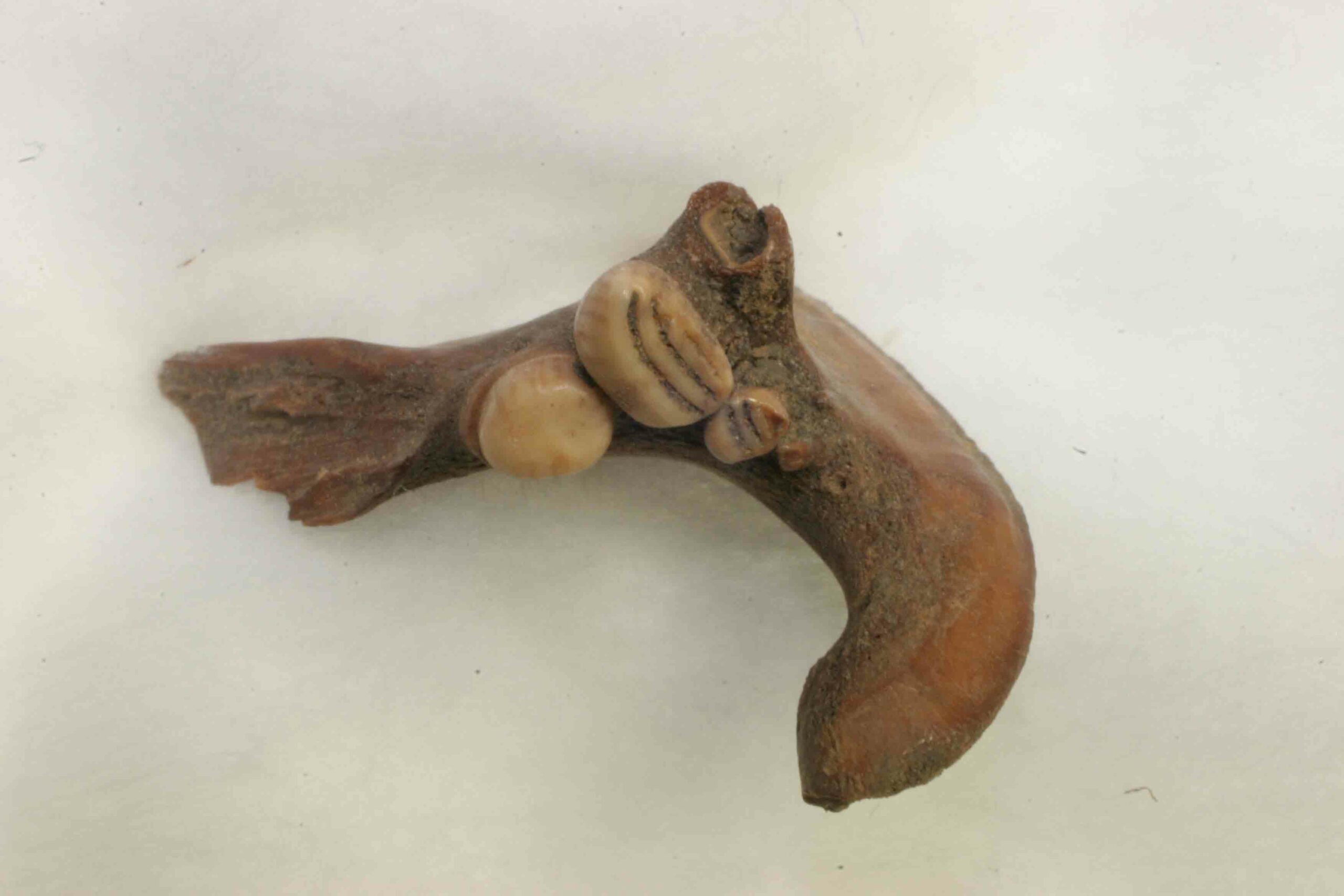
China's Carp Catchers
Digs & Discoveries July/August 2026
A Surprising Encounter
Features May/June 2026
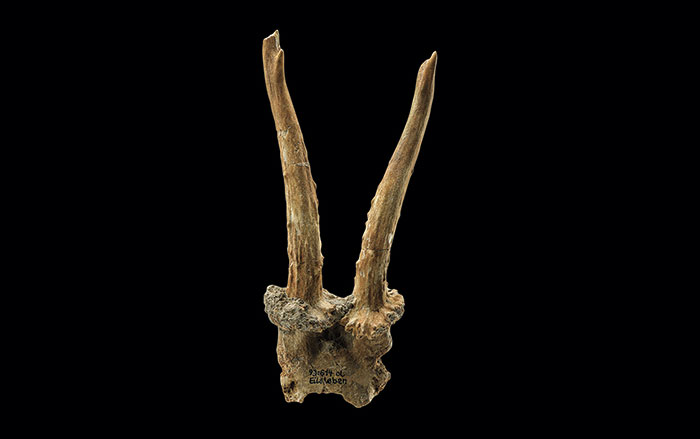
Pioneers of Lakefront Living
Why Neolithic and Bronze Age farmers in the Alps built their villages on stilts

Model Homes March/April 2026
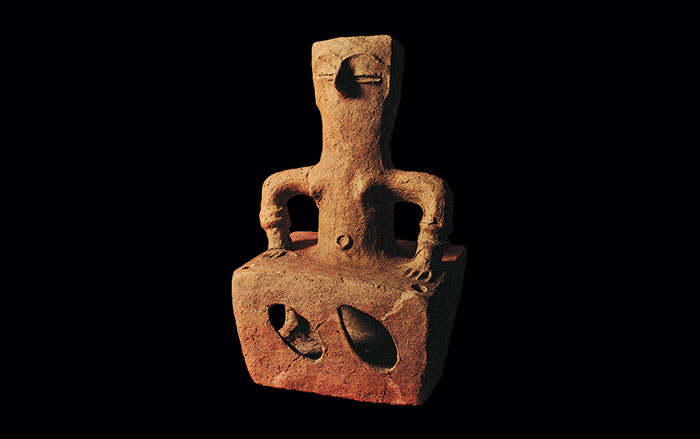
Head of the Household
LOCATION: North Macedonia
DATES: Ca. 6400
More to Discover
Features July/August 2026
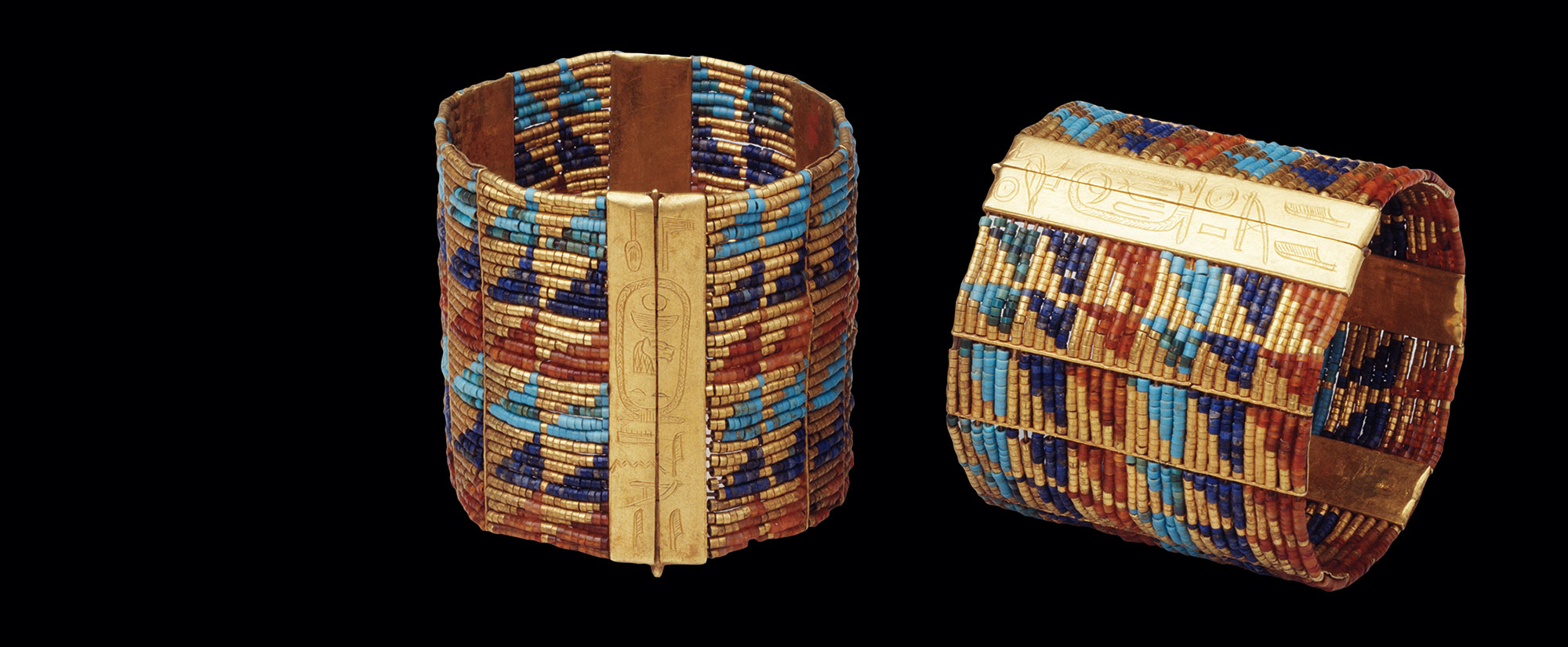
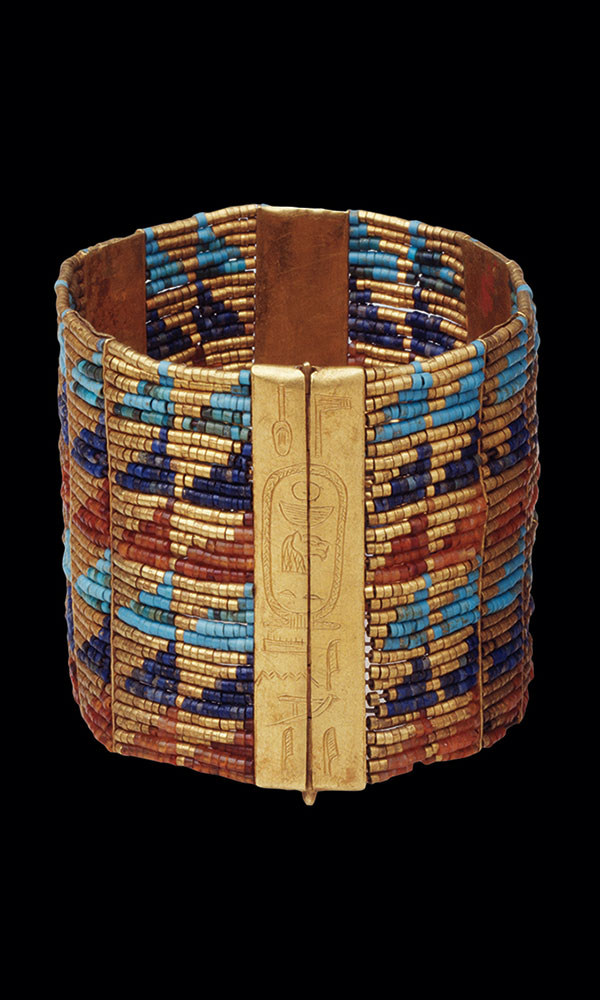
Egypt's First Queen
How a trailblazing ruler pulled her realm back from the brink
-
Features July/August 2026
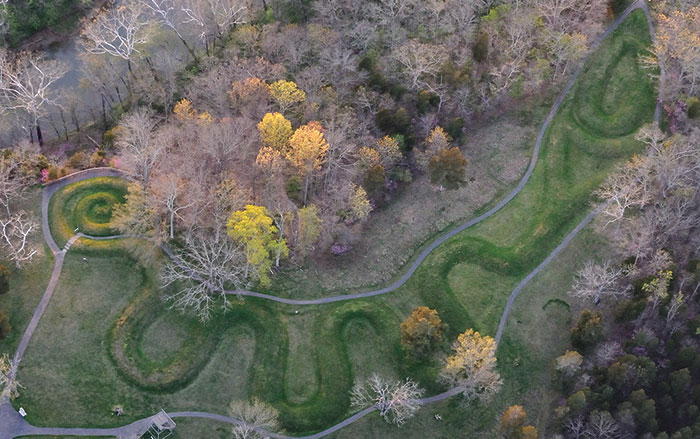
Secrets of the Serpent
Is a Native American origin story embedded in Ohio’s colossal earthwork?
 Timothy E. Black
 -
Features July/August 2026
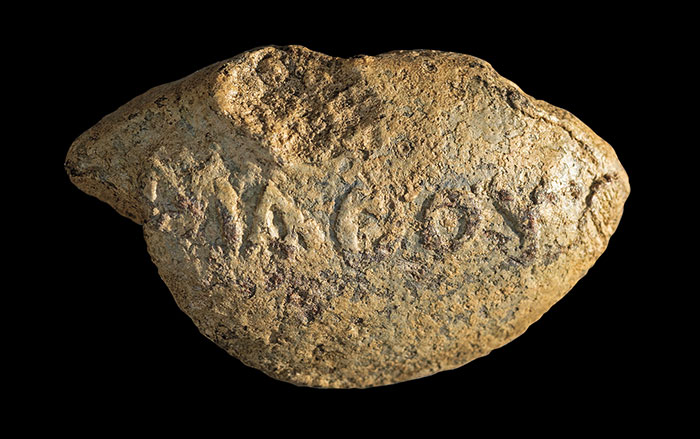
Slinging Insults
Greek and Roman soldiers fired pointed barbs at their enemies
 Courtesy Michael Eisenberg
 -
Features July/August 2026
Inside Africa’s Houses of Stone
Archaeologists are rethinking how kings shared power beyond the great capitals of medieval Zimbabwe
 Ad/AdobeStock
 -
Features July/August 2026
Tennis, Anyone?
Discovering the origins of the peculiar racket game that swept sixteenth-century France
 © Denis Gliksman, Inrap