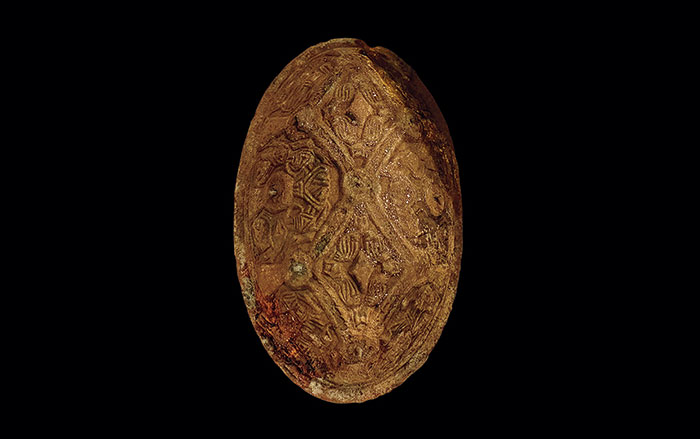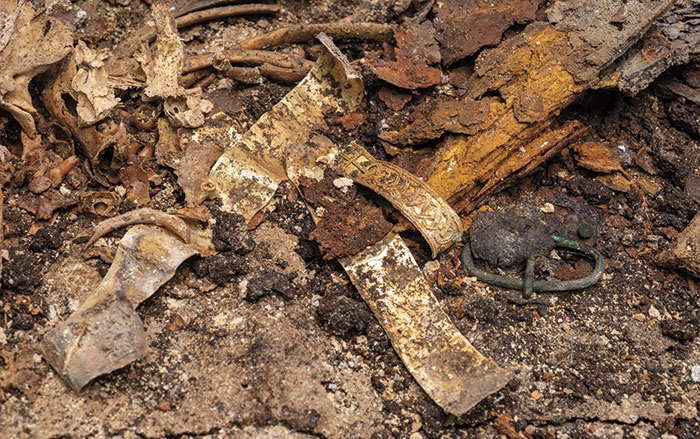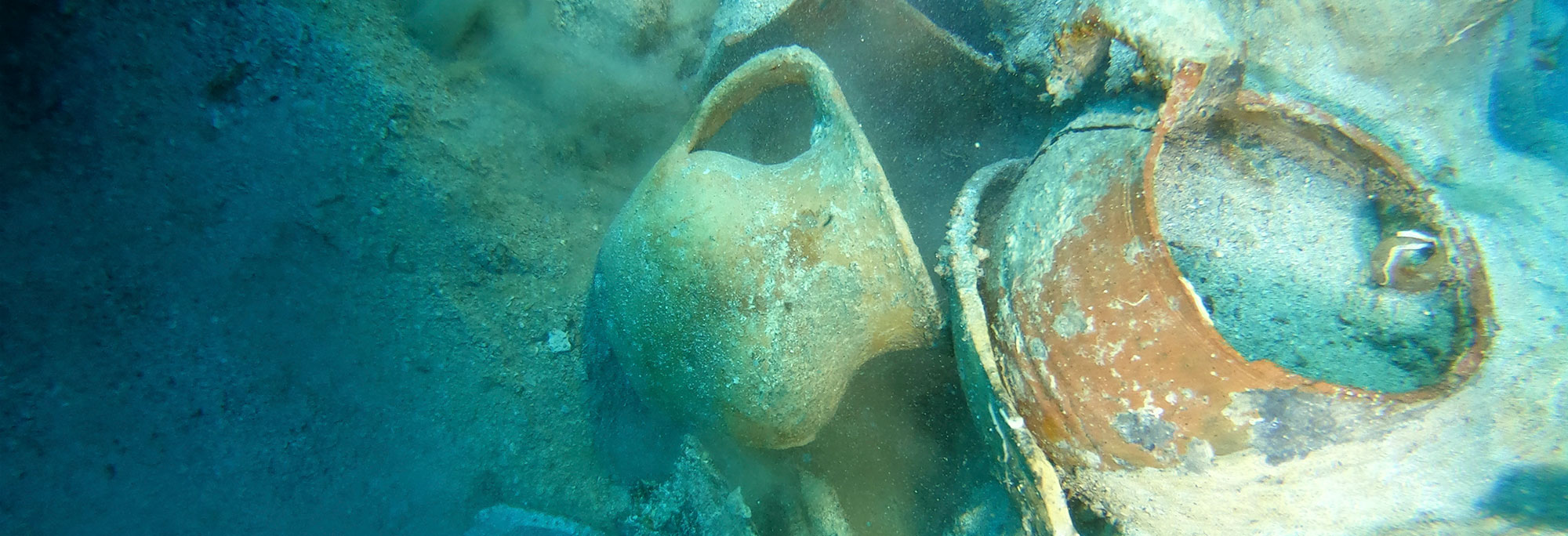
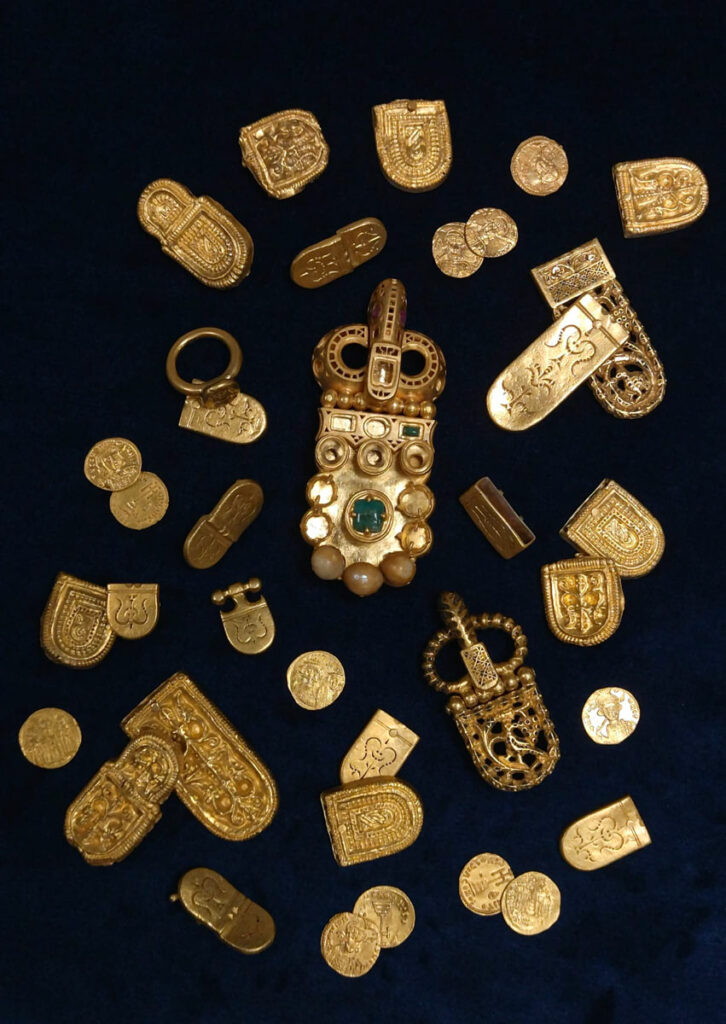
MLJET, CROATIA—Reuters reports that a shipwreck found more than 10 years ago off the southern coast of Croatia near an island in the Adriatic Sea dates to the seventh or eighth centuries A.D. After analyzing finds from the site, archaeologists have also determined that the vessel was carrying a high-ranking person and their entourage when it sank. Gold coins; buckles decorated with rubies, emeralds, and pearls; and a gold signet ring bearing a picture of the emperor were found among the wreckage, said Pavle Dugonjic of the Croatian Conservation Institute. “This is an impressive amount of gold, the largest ever found on a shipwreck in the entire Mediterranean [region],” said Igor Miholjeck of the Croatian Conservation Institute. In all, the gold weighs more than one pound, he added. “If you’re studying the end of the late Roman Empire and the transformation into the medieval world, this is a critical site for us to understand and to gain insights into how the Mediterranean was held together by its sea routes, how it fragmented, how the empire fell apart,” concluded Justin Leidwanger of Stanford University. To read about explorations of another Byzantine shipwreck, go to "Shipping Stone."