

DUBLIN, IRELAND—According to a Live Science report, the earliest known smallpox genomes found in the Americas have been recovered from the bones of two mummified Inca individuals recovered in northern Chile, which have been dated to between 1492 and 1631. The disease, which is caused by the variola virus, was first documented in the Americas in 1518, during the Spanish conquest of the Caribbean. “I don’t think there was any historical record documenting smallpox in this particular community, so no one expected the smallpox evidence,” said Shigeki Nakagome of Trinity College Dublin. The study also revealed that the two individuals had contracted the same strain of the virus, and may have been infected during the same outbreak. When the researchers compared this virus with other ancient and modern strains of variola viruses, they found that it matched an extinct lineage that split from a European strain around 1296, making it a step between medieval European strains and modern strains of the virus. “We provide the first molecular evidence of smallpox introduction to the Americas through colonization,” Nakagome said. The disease eventually killed an estimated three to four million people living in the Americas. Read the original scholarly article about this research in Science. To read about excavations on the estate of the eighteenth-century physician who pioneered the smallpox vaccine, go to "Letter from England: The Scientist's Garden."
Smallpox Virus Detected in Inca Remains Came from Europe
News August 3, 2026
Recommended Articles
Features September/October 2026
Cultivating Fields of Stone
Peru’s ancient farmers used intricate rock maps to plan for the future

Digs & Discoveries September/October 2026
Peru Foodie Tour
Features March/April 2026
Return to Serpent Mountain
Discovering the true origins of an enigmatic mile-long pattern in Peru’s coastal desert

Digs & Discoveries November/December 2025
A Knotty Problem
More to Discover
Features July/August 2026
Egypt's First Queen
How a trailblazing ruler pulled her realm back from the brink
-
Features July/August 2026
Secrets of the Serpent
Is a Native American origin story embedded in Ohio’s colossal earthwork?
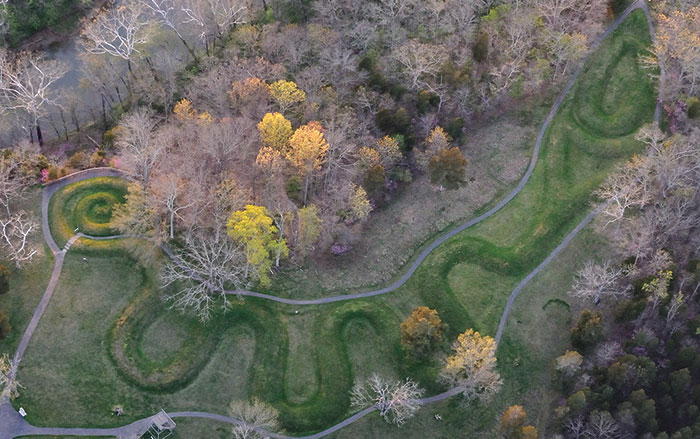 Timothy E. Black
 -
Features July/August 2026
Slinging Insults
Greek and Roman soldiers fired pointed barbs at their enemies
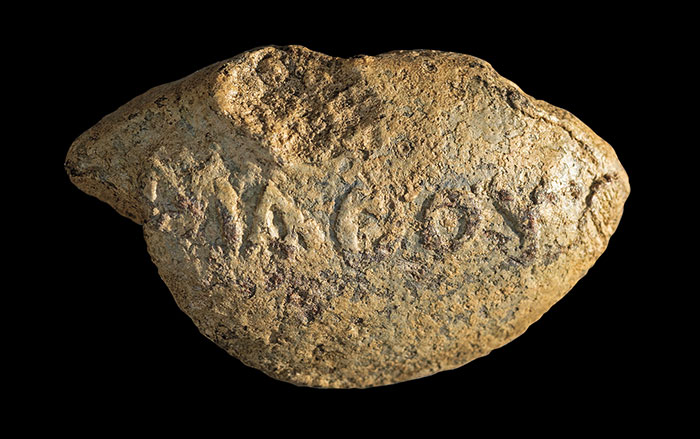 Courtesy Michael Eisenberg
 -
Features July/August 2026
Inside Africa’s Houses of Stone
Archaeologists are rethinking how kings shared power beyond the great capitals of medieval Zimbabwe
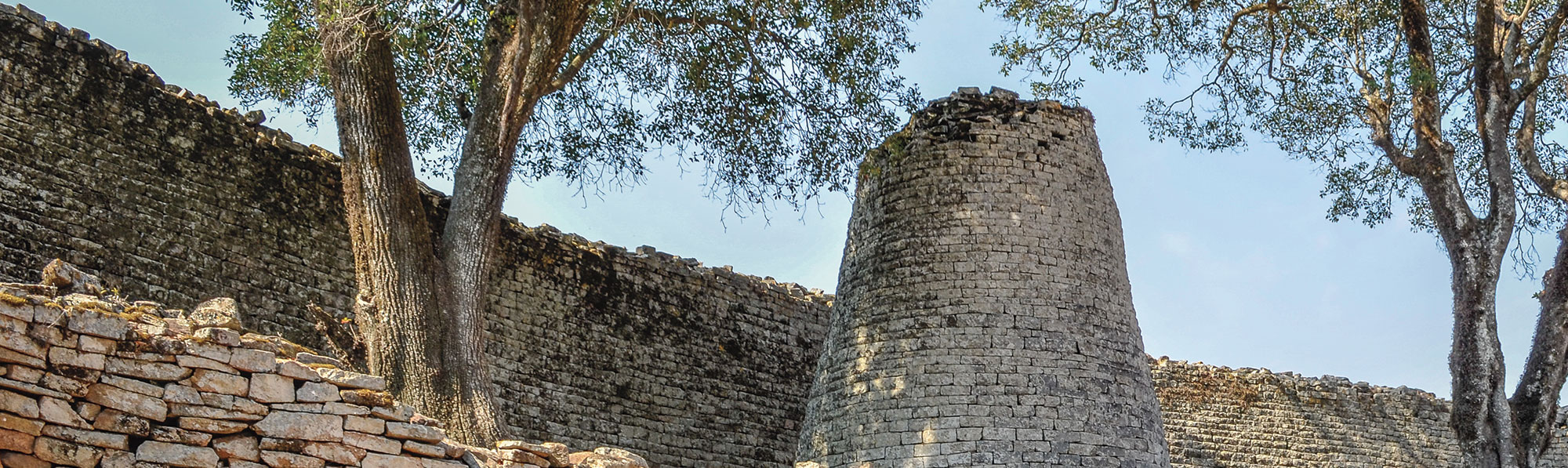 Ad/AdobeStock
 -
Features July/August 2026
Tennis, Anyone?
Discovering the origins of the peculiar racket game that swept sixteenth-century France
 © Denis Gliksman, Inrap