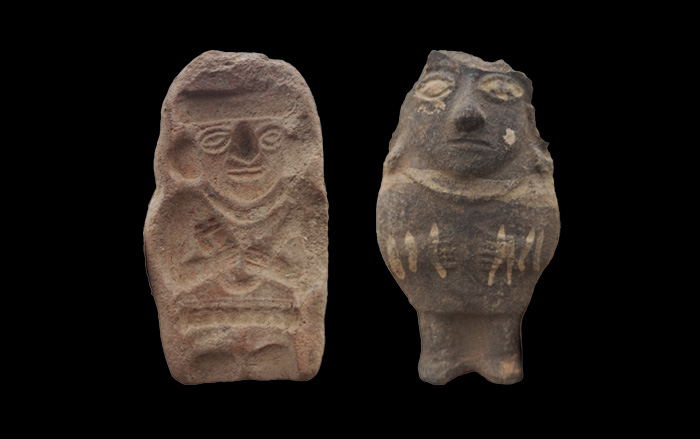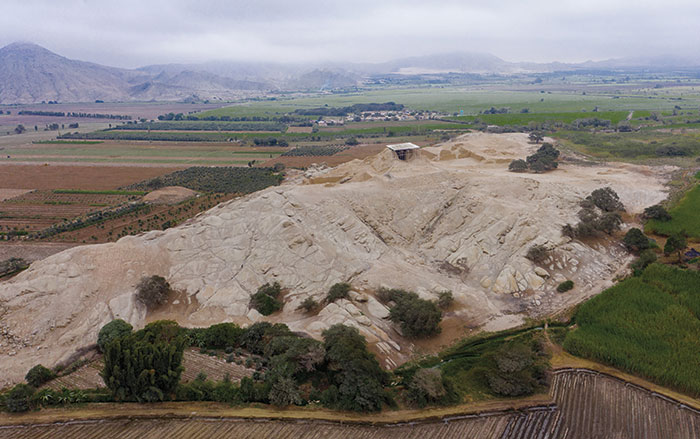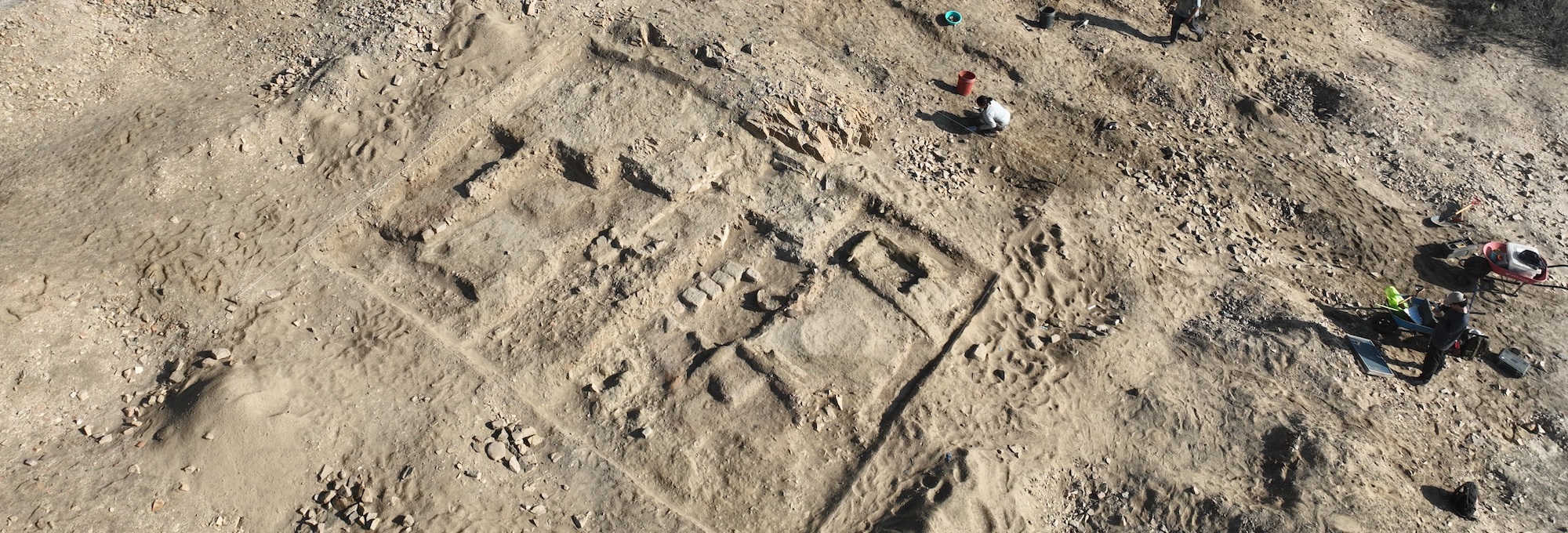
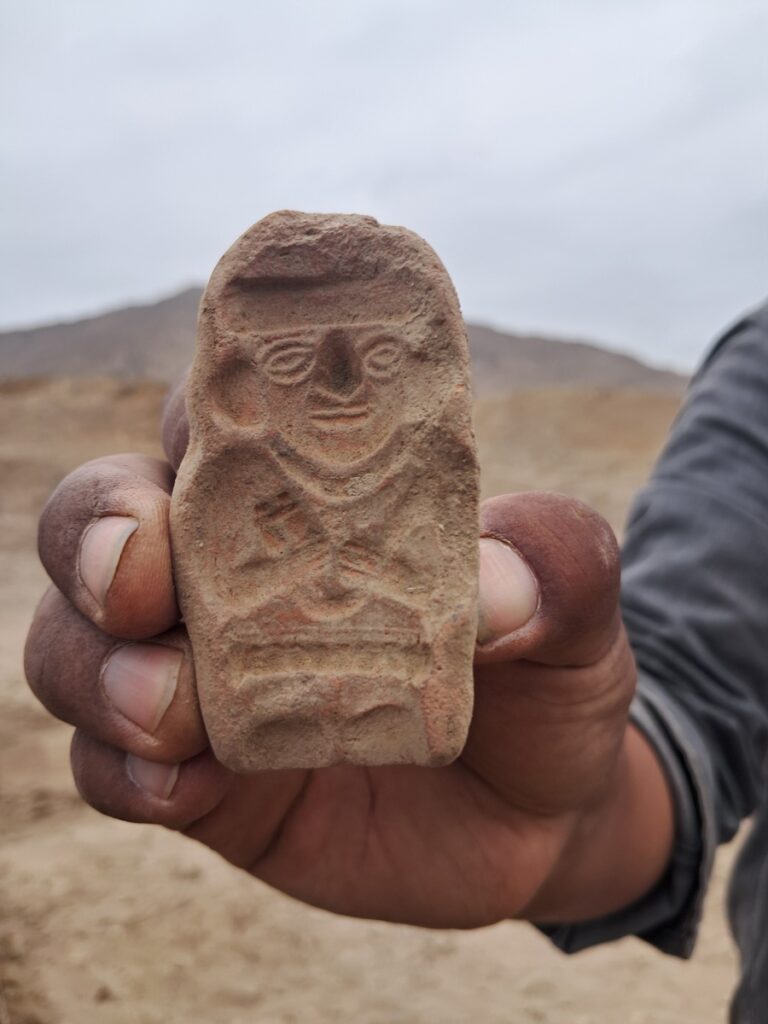
LA LIBERTAD, PERU—The Art Newspaper reports that excavations at the site of Cerro Mayal in northern Peru's Chicama Valley are offering archaeologists a more refined understanding of the production of Moche pottery, which is known for its mold-made vessels and ornate painted decoration. The Moche culture inhabited sites along the northern coast from about A.D. 100 to 800. In the site's top layers, a team led by archaeologist Henry Tantaleán of the National University of San Marcos' Chicama Archaeological Program has unearthed copious amounts of ceramic production waste, potters' plates, and figurine molds, indicating that Cerro Mayal was a major pottery production center in the seventh century A.D. Adobe and stone structures with spaces for preparing the vessels functioned as pottery studios and homes for artists. “The ceramic production sites are much less known than the Moche pottery itself,” Tantaleán said. “That’s why our interest lies in understanding more deeply how these workshops functioned.” To read more about Moche pottery, go to "Painted Worlds."