

WROCŁAW, POLAND—According to a Science in Poland report, a team of researchers led by Paweł Dąbrowski of Wrocław Medical University analyzed teeth and samples of dental plaque taken from some 200 people who lived in the city of Wrocław between the late seventeenth and early nineteenth centuries. All of the individuals had been buried in the same cemetery, which was unearthed ahead of construction work. The study suggests that the population ate a diet based on wheat, rye, barley, peas, beans, pork, game, poultry, and herring imported from the Baltic region. They also consumed corn, a food grown in North America. “Its presence shows that average residents of Wrocław also had access to products delivered to the city thanks to the development of overseas trade,” Dąbrowski said. Traces of plants from the pepper and nightshade families, likely in the form of spices and potatoes, were detected in the dental plaque as well. Examination of the layers of enamel in the teeth revealed that most children were breastfed until about 24 to 30 months of age. To read about excavations of another cemetery in a Polish market town, go to "Honoring the Dead."
Study Tracks Diet in Polish City
News August 31, 2026
Recommended Articles
Digs & Discoveries November/December 2025
A Familiar Face
Letter from Poland November/December 2024
Remembering an Unspeakable Crime
Excavations of a mass grave expose evidence of Nazi-era massacres
Top 10 Discoveries of 2020 January/February 2021
Largest Viking DNA Study
Northern Europe and Greenland
Digs & Discoveries November/December 2020
Honoring the Dead
More to Discover
Features July/August 2026
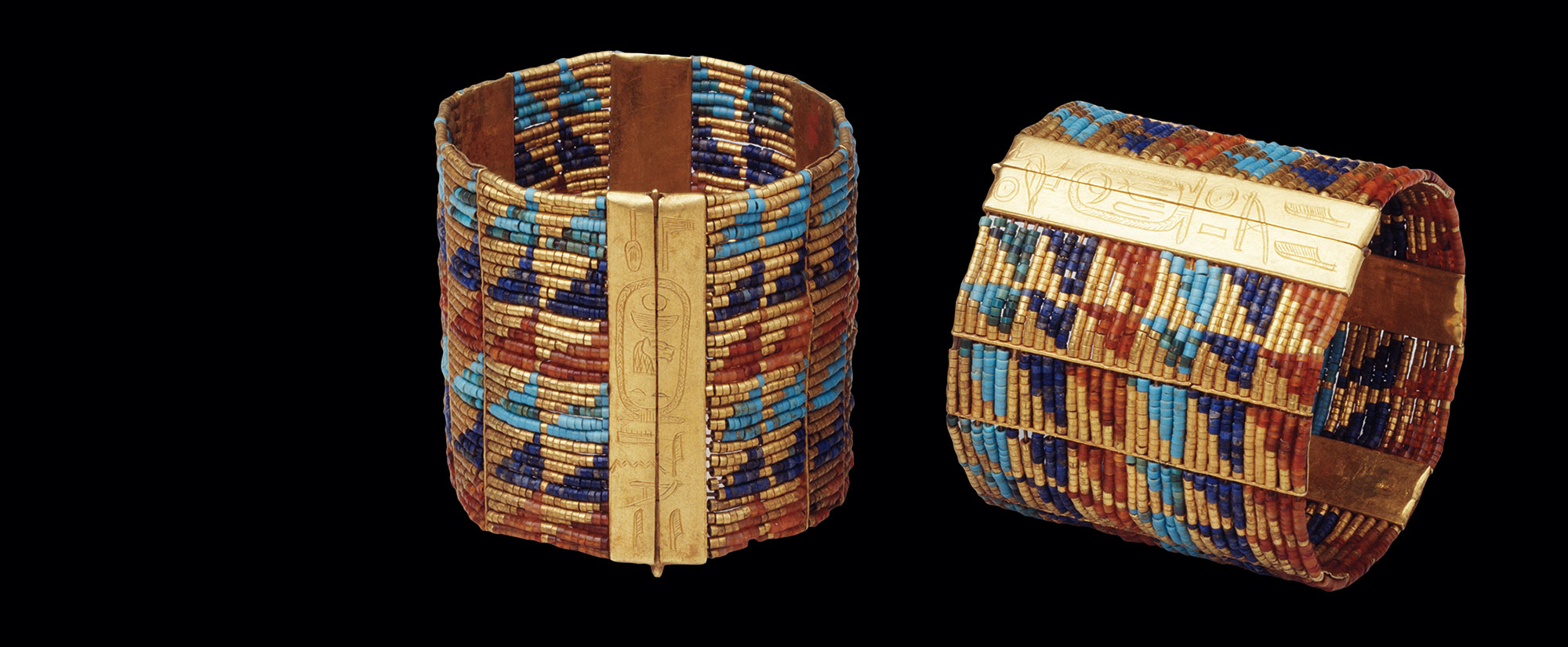
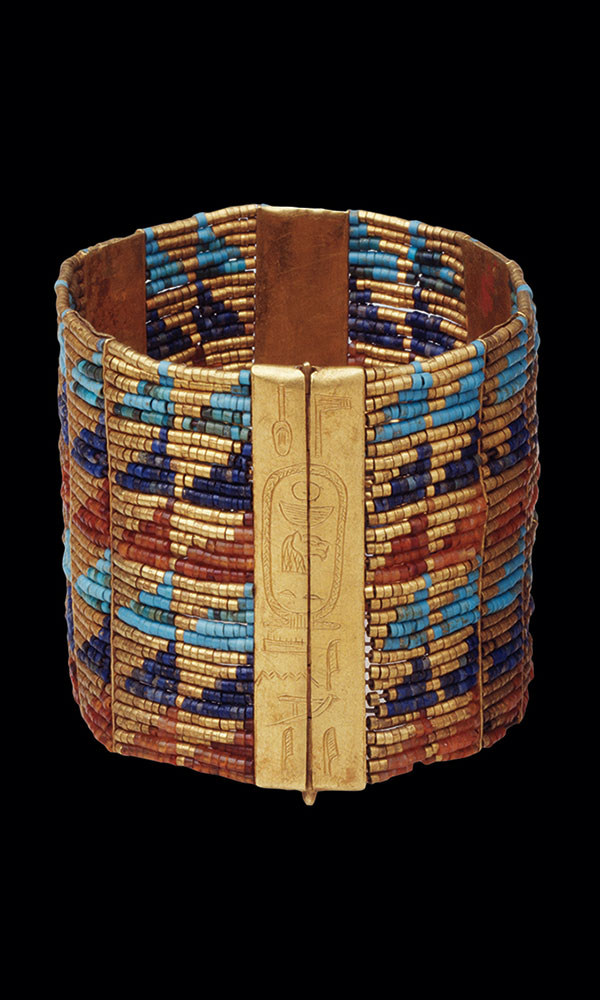
Egypt's First Queen
How a trailblazing ruler pulled her realm back from the brink
-
Features July/August 2026
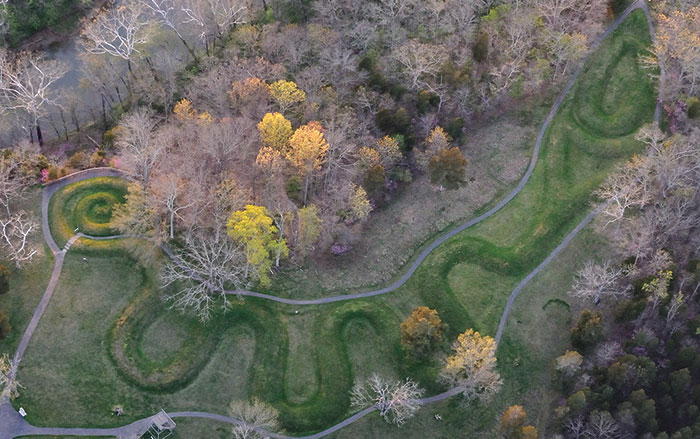
Secrets of the Serpent
Is a Native American origin story embedded in Ohio’s colossal earthwork?
 Timothy E. Black
 -
Features July/August 2026
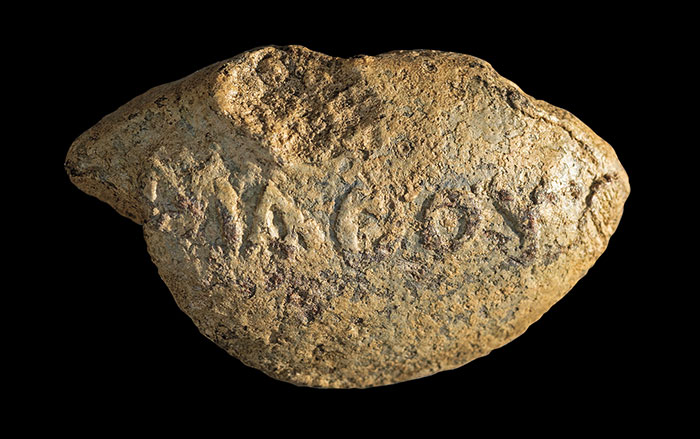
Slinging Insults
Greek and Roman soldiers fired pointed barbs at their enemies
 Courtesy Michael Eisenberg
 -
Features July/August 2026
Inside Africa’s Houses of Stone
Archaeologists are rethinking how kings shared power beyond the great capitals of medieval Zimbabwe
 Ad/AdobeStock
 -
Features July/August 2026
Tennis, Anyone?
Discovering the origins of the peculiar racket game that swept sixteenth-century France
 © Denis Gliksman, Inrap