

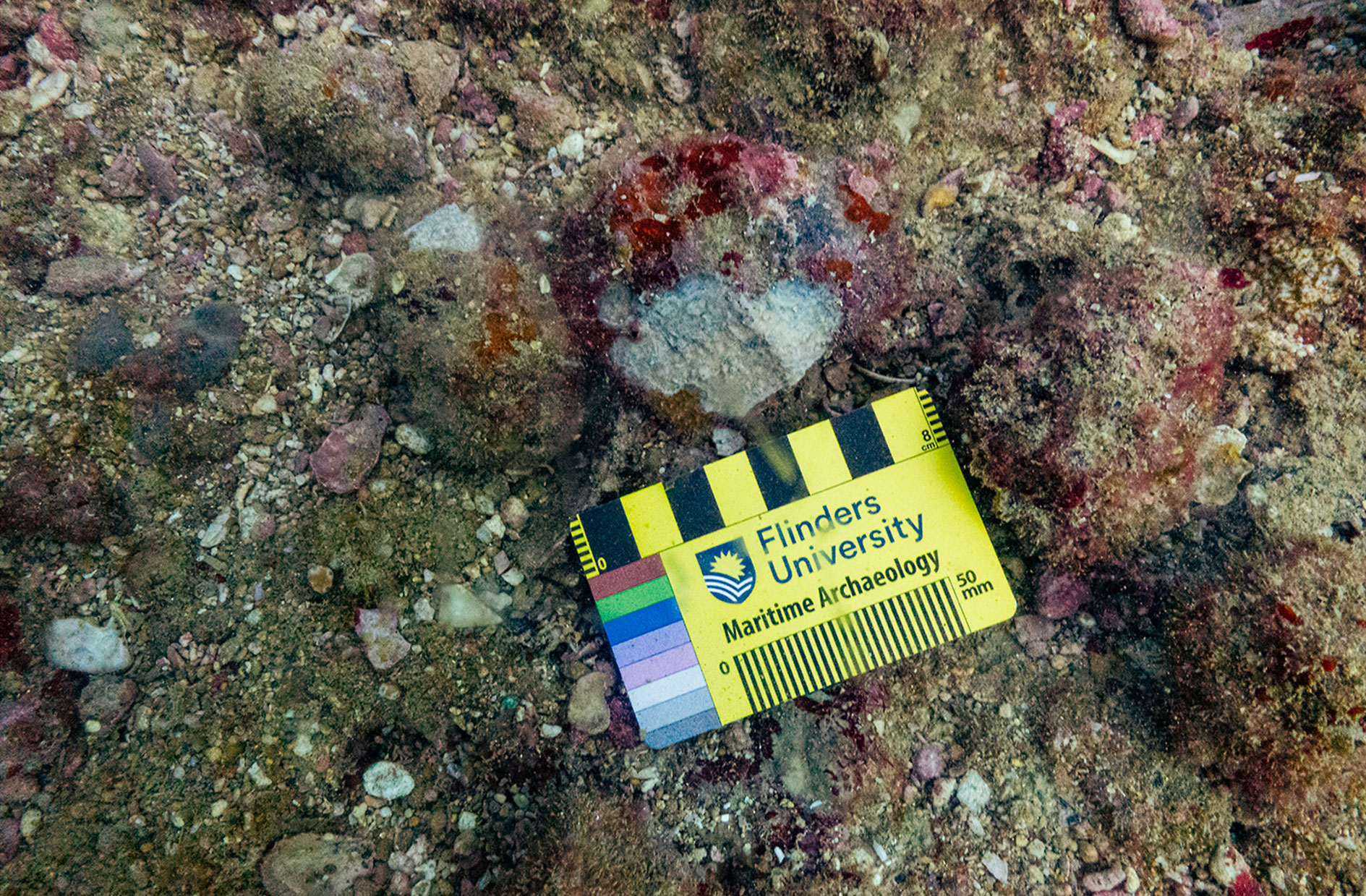
ADELAIDE, AUSTRALIA—According to a statement released by Flinders University, underwater archaeologists working with the Murujuga Aboriginal Corporation rangers and divers have identified sites off the northwestern coast of Australia where First Peoples lived more than 9,000 years ago, when sea levels rose and reshaped the coastline. The submerged area covers some 772,000 square miles. One of the identified sites includes a freshwater spring and stone tools, which were made using material obtained from an island about 14 miles away. Another site featured a rocky hill overlooking a river channel. “The Ngarda-Ngarli people have cared for Murujuga for at least 50,000 years,” said Vincent Adams, director of Murujuga Aboriginal Corporation. “The more we learn about how our ancestors used and cared for Country, the better equipped we are to protect it for future generations,” he added. Read the original scholarly article about this research in Quaternary Science Reviews. To read about Aboriginal rock art documented on Australia’s northeastern coast, go to “Knowing the Ropes.”
Submerged Sites Identified Off Australia’s Northwestern Coastline
News October 16, 2026
Recommended Articles
Digs & Discoveries November/December 2026
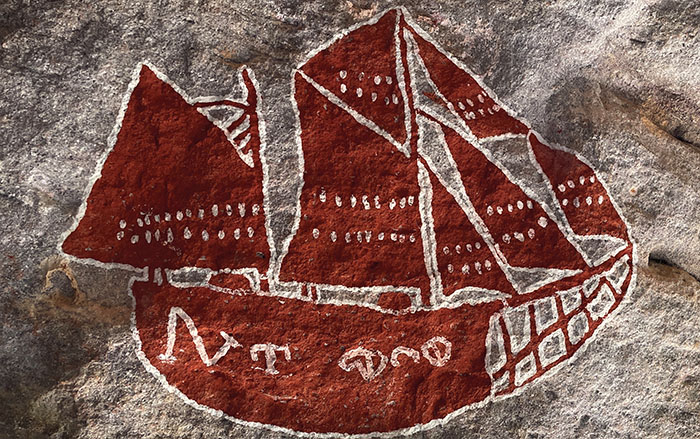
Knowing the Ropes
Digs & Discoveries September/October 2026
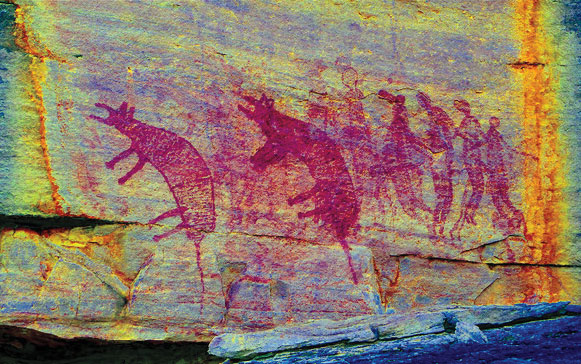
Dearly Beloved Dingo

Digs & Discoveries July/August 2026
Aboriginal Animal Spotters
Digs & Discoveries July/August 2025
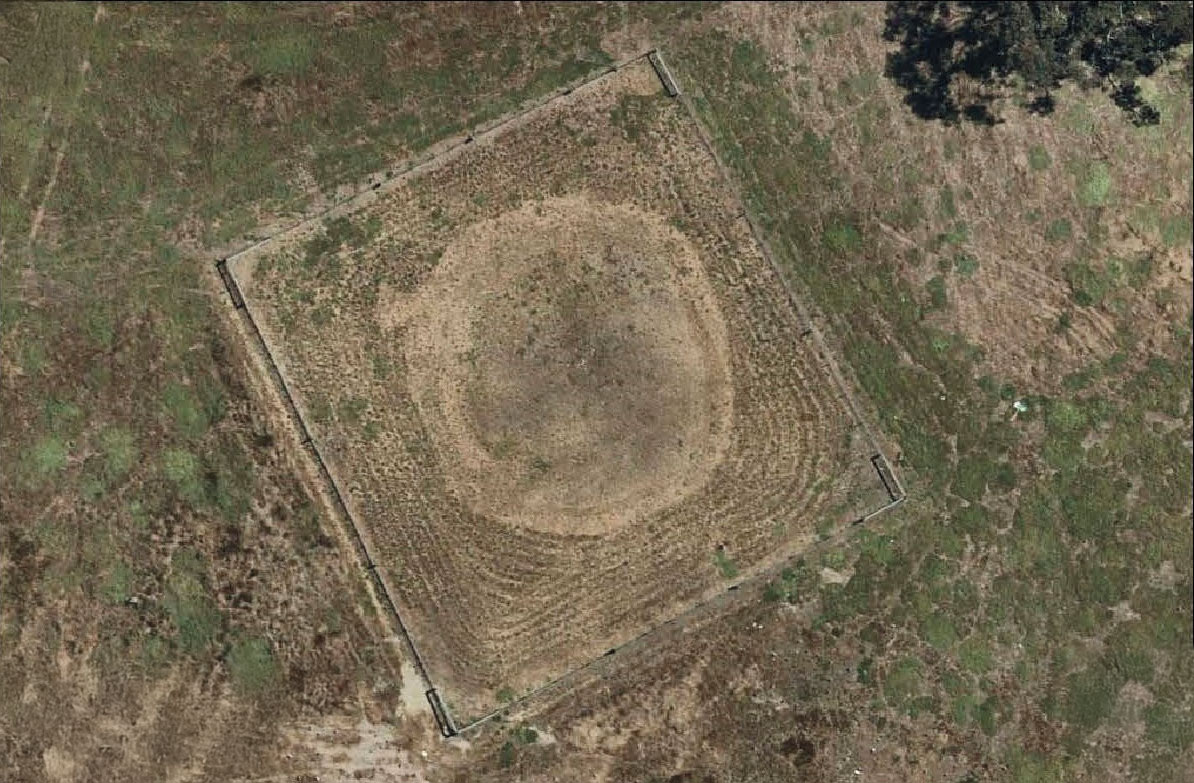
Ancestral Rings
More to Discover
-
Features September/October 2026
A Change in Fashion
Hoards of lavish gold and silver neck rings buried on an English hill reflect dramatic social change
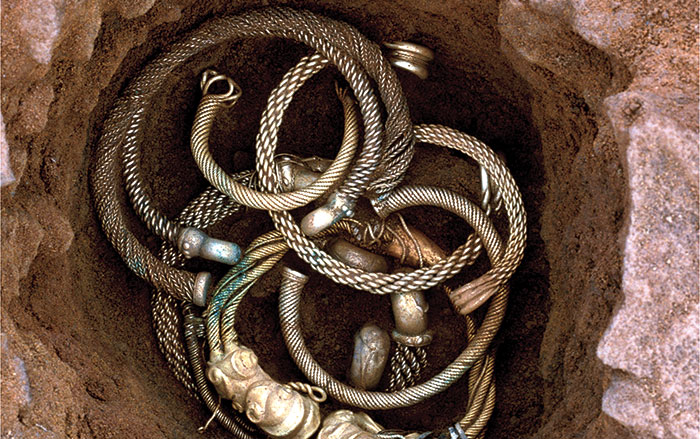 Photo © 2026 The Trustees of the British Museum
 -
Features September/October 2026
Cultivating Fields of Stone
Peru’s ancient farmers used intricate rock maps to plan for the future
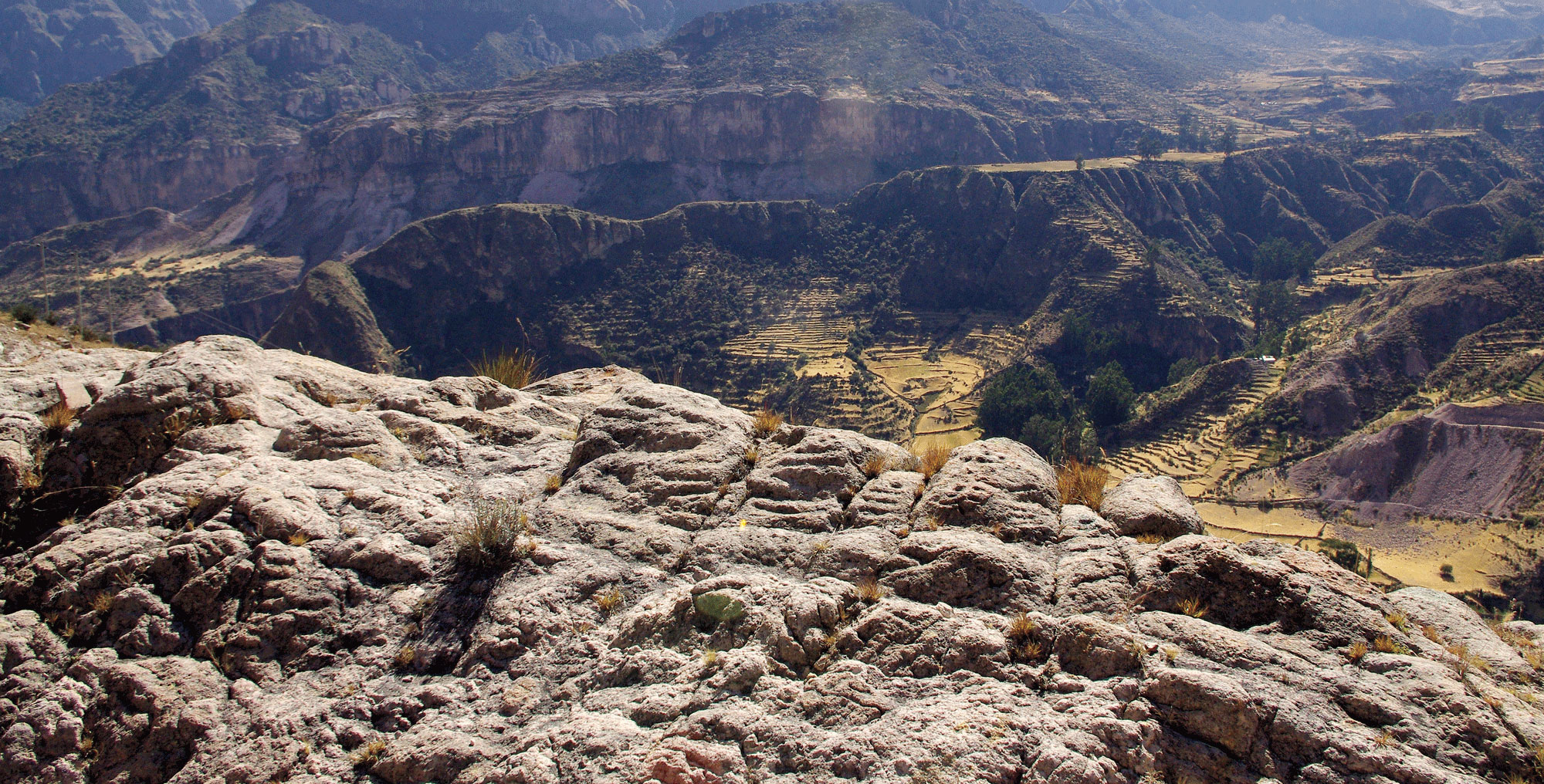 Courtesy Patricia Aparicio Martínez
 -
Features September/October 2026
Where Was Ancient Egypt Born?
Archaeologists are reimagining a time before the first pharaohs
 Courtesy Robert Słaboński/Tell el-Farkha Expedition
 -
Features September/October 2026
2,000 Years Under the Sea
The story of Greece’s famed Antikythera wreck is finally being revealed
 © ESAG/UNIGE