
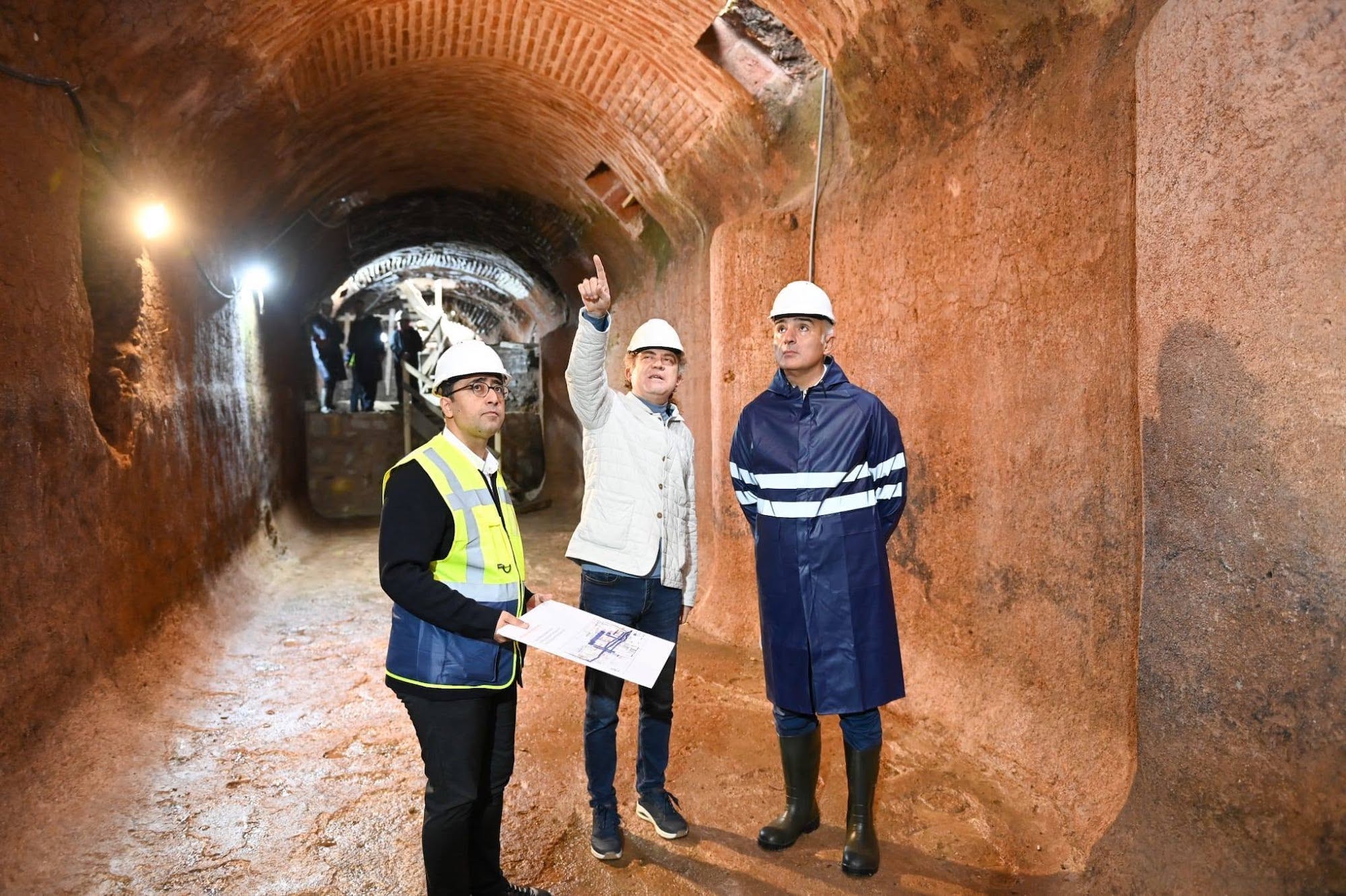
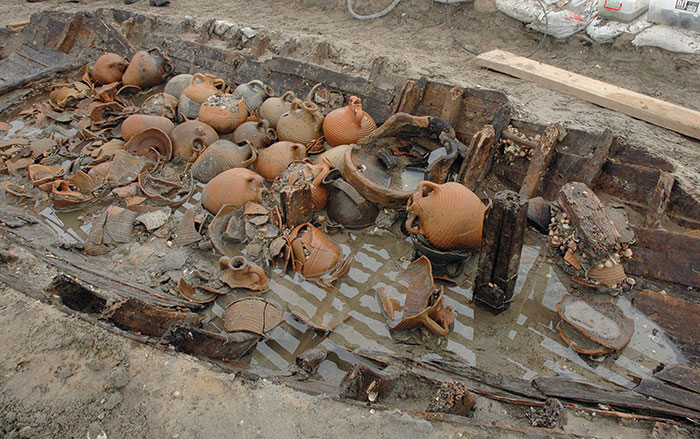
ISTANBUL, TURKEY—Hürriyet Daily News reports that some 3,000 tons of debris has been removed from the tunnels beneath the Vezir Garden and West Garden sections of Hagia Sophia, a structure completed in A.D. 537 during the rule of the Byzantine emperor Justinian I (reigned A.D. 527–565). The more than 1,300 feet of tunnels are thought to have been part of the city’s drainage system, explained Mehmet Nuri Ersoy, Turkey’s Culture and Tourism Minister. As the debris was cleared, researchers repaired damaged vaults and reinforced sections of the tunnels with stainless steel supports. A nearly 600-foot-long section running parallel to the entrance to Hagia Sophia may have once been connected to a Roman road. In the Vezir Garden section, the excavation revealed an underground burial structure that may predate the construction of Hagia Sophia. Conservation and study of the underground structures continues. To read about a Byzantine shipwreck dating to Justinian’s reign, go to “Shipping Stone.”
Tunnels Underneath Hagia Sophia Excavated
News November 24, 2026
Recommended Articles
Features November/December 2026
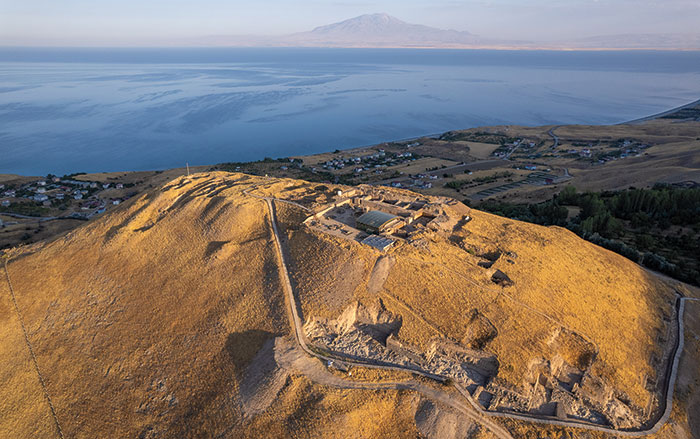
Kingdom of Fortresses
How diverse and far-flung Iron Age chiefdoms united to challenge the Assyrian Empire
Digs & Discoveries November/December 2026
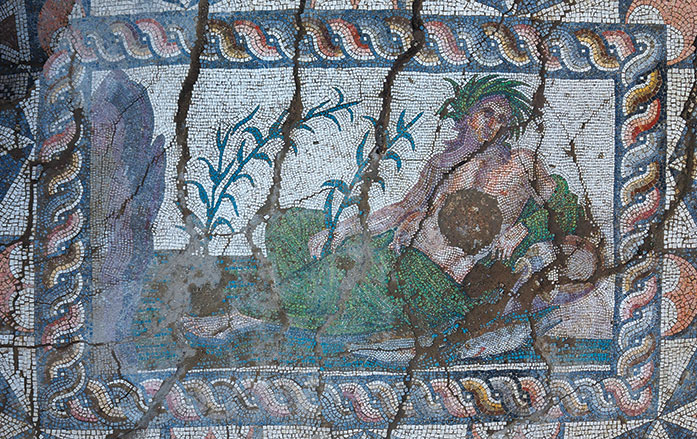
Reclining with the River God
Digs & Discoveries July/August 2026
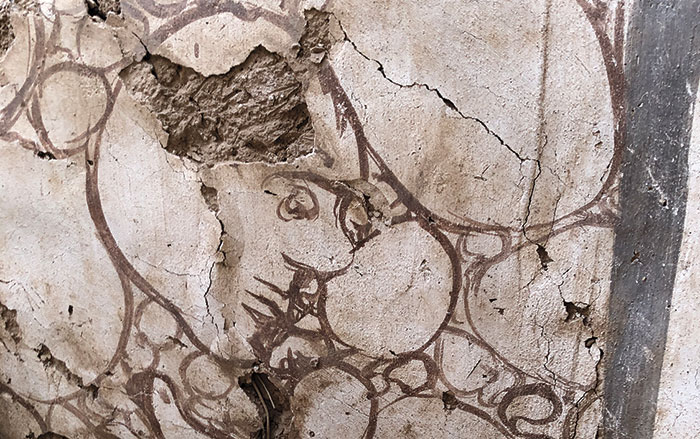
Put On Your Best Face
An opulent Roman villa hid a very peculiar staircase and an underground room for secret rites
More to Discover
Features November/December 2026
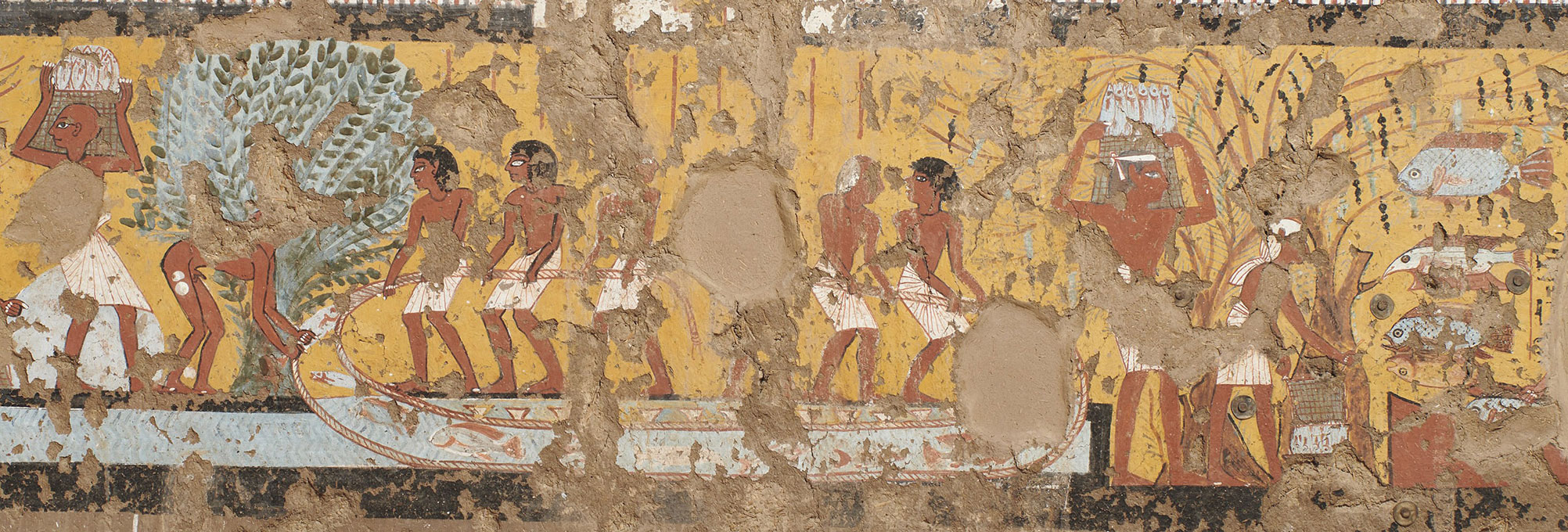
A Tomb of One’s Own
Life behind the scenes in Egypt’s Valley of the Kings
-
Features November/December 2026
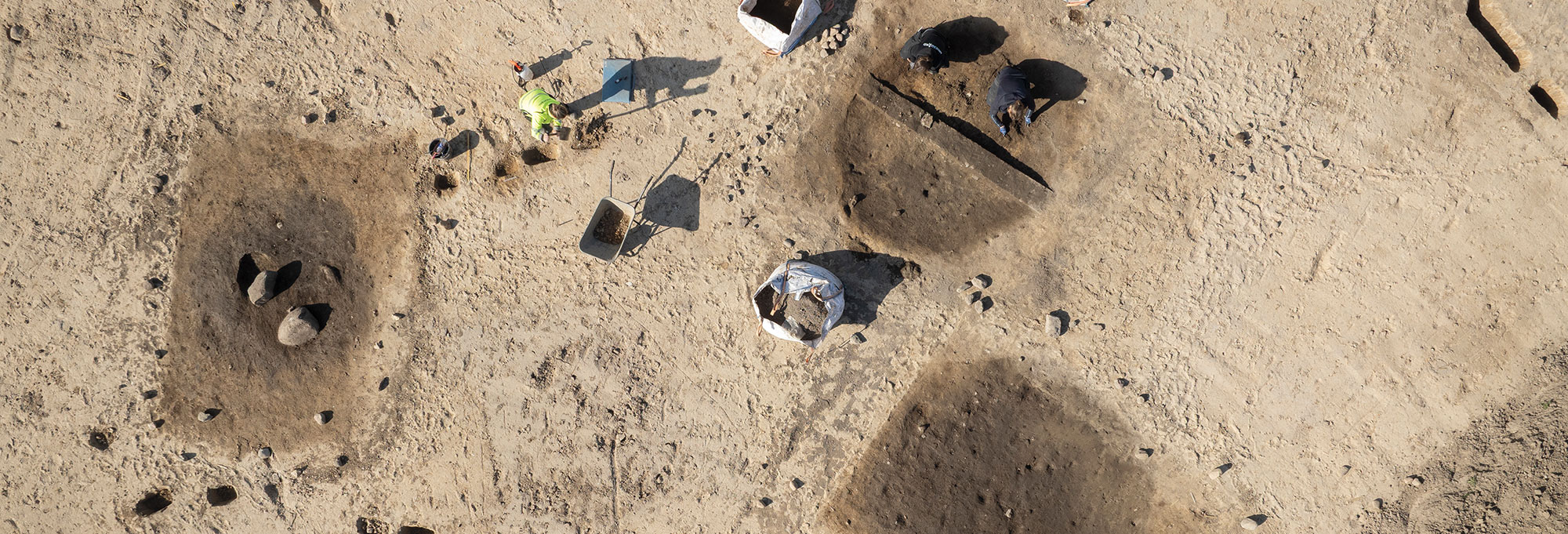
Outfitting Viking Voyagers
In Denmark, archaeologists have discovered a massive factory that equipped an innovative fleet
 Moesgaard Museum
-
Features November/December 2026
Stone Age Stargazers
Did artists 12,000 years ago illuminate a cave in Tajikistan with their vision of the Milky Way?
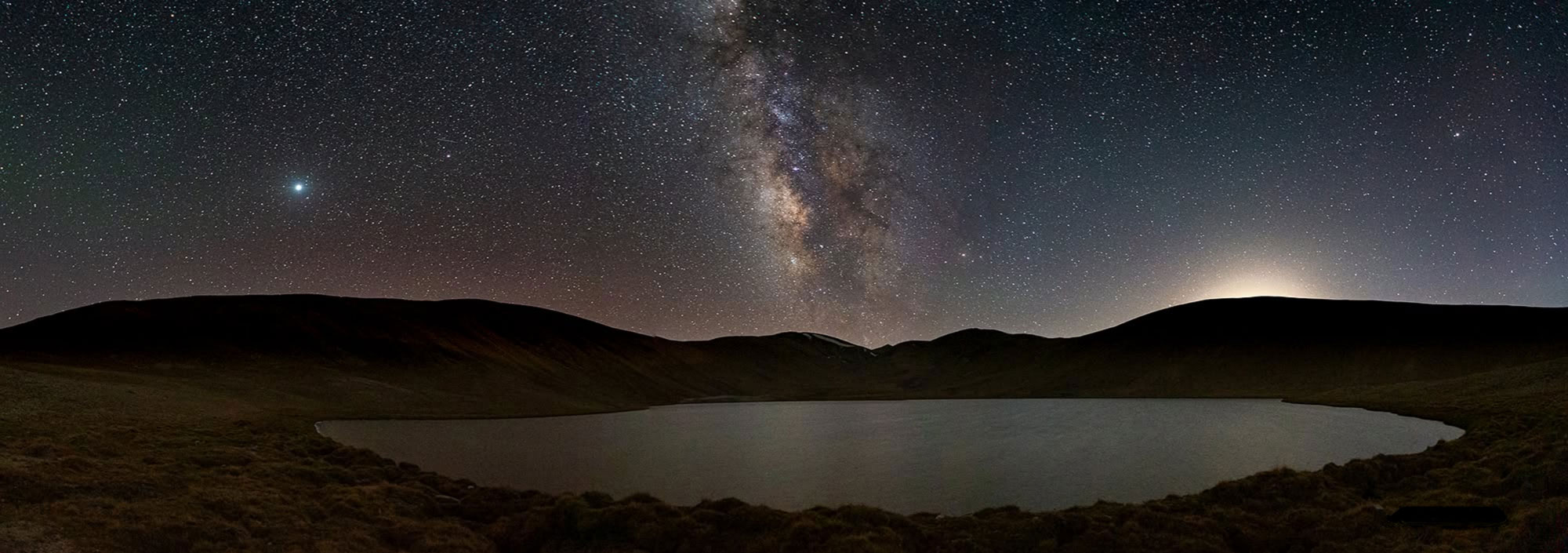 ˝© Nodir Tursun-Zade
-
Features November/December 2026
Unearthing the Outlanders
New discoveries challenge ancient prophecies about the peoples living on China’s borders three millennia ago
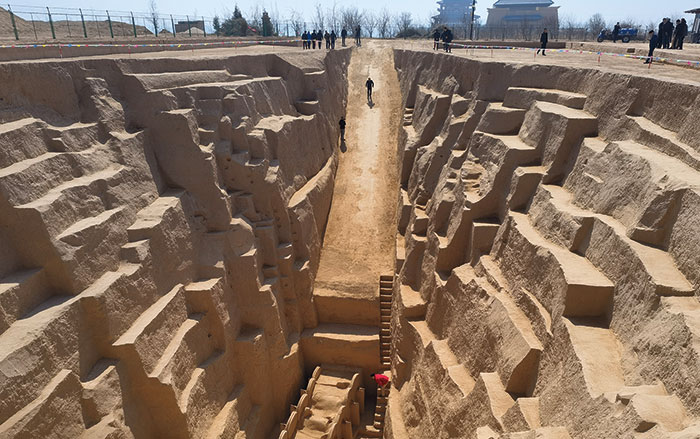 Courtesy Shaanxi Provincial Institute of Archaeology
-
Letter from Cape Canaveral November/December 2026
Dawn of the Space Age
Archaeologists have made surprising discoveries spanning 3,000 years at the birthplace of American space exploration
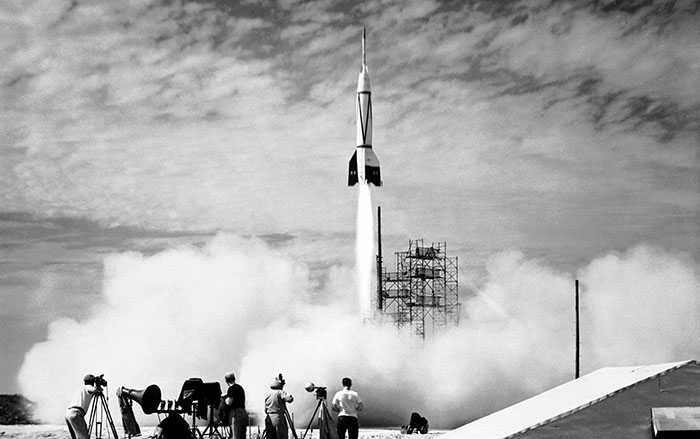 Courtesy Cape Canaveral Space Force Museum