Features
Features May/June 2026
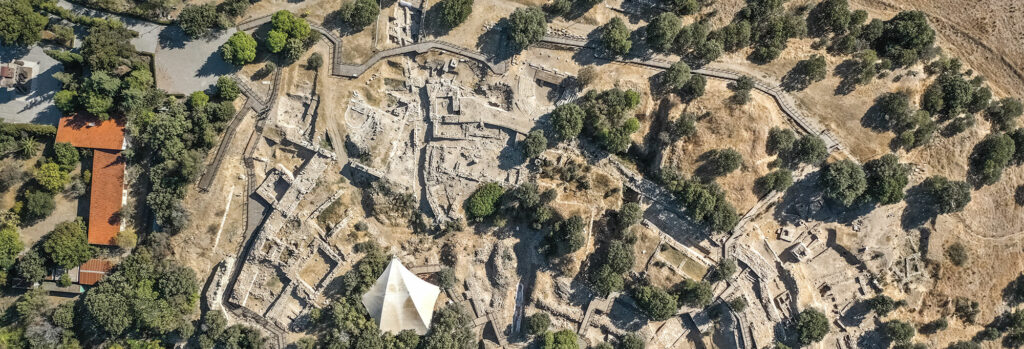
The Unexpected World of the Odyssey
Discovering the surprising inspirations behind Homer’s great tales of the Trojan War
RECENT Features
Features May/June 2026
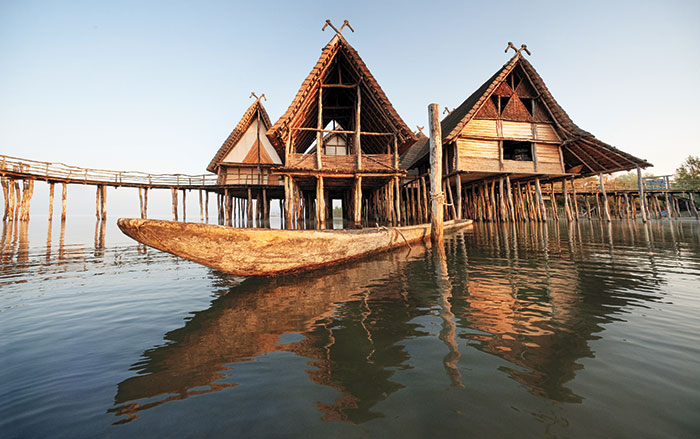
Pioneers of Lakefront Living
Why Neolithic and Bronze Age farmers in the Alps built their villages on stilts
Features May/June 2026
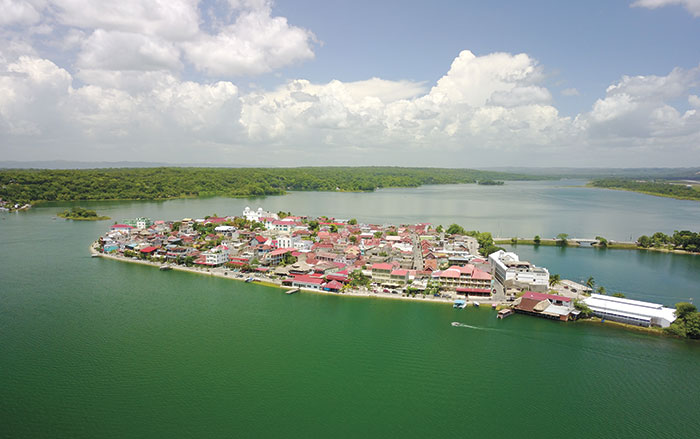
The Last Maya Kingdom
On the shores of a lake in Guatemala, the Itzá people defied the Spanish for nearly 200 years
Features May/June 2026
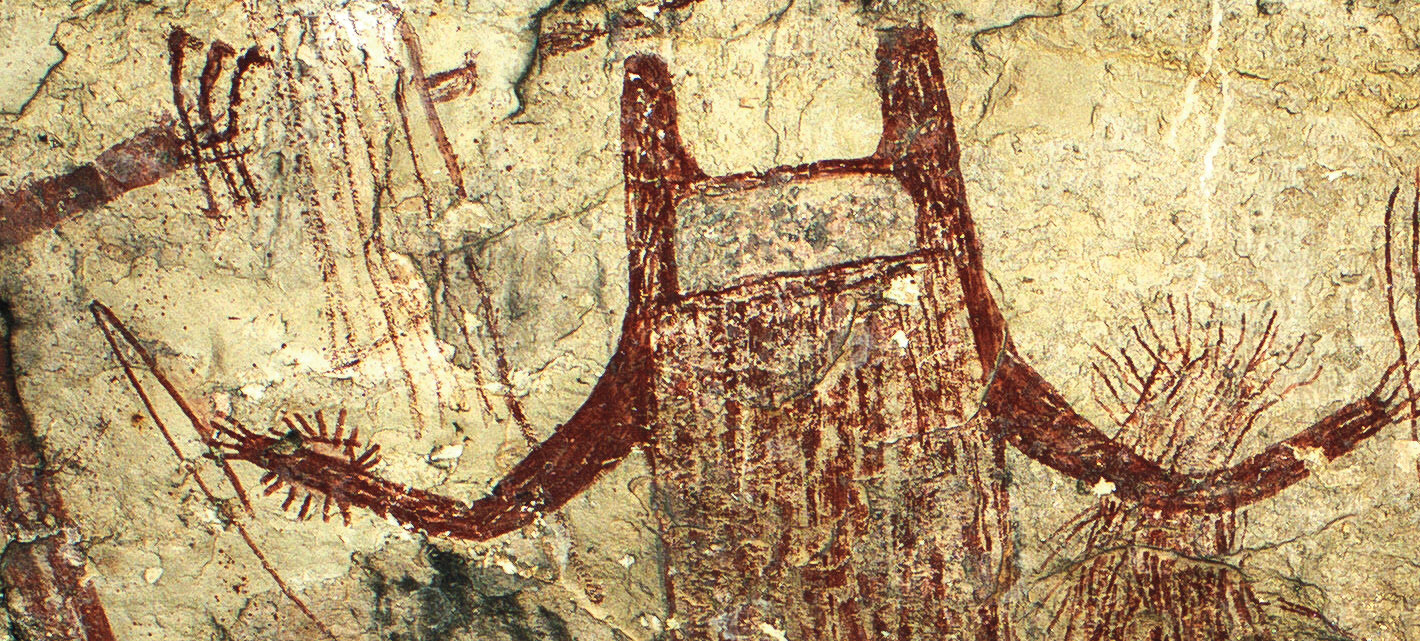
Art for the Ages
A surreal style of painting endured for 4,000 years in the canyonlands of West Texas
Features May/June 2026
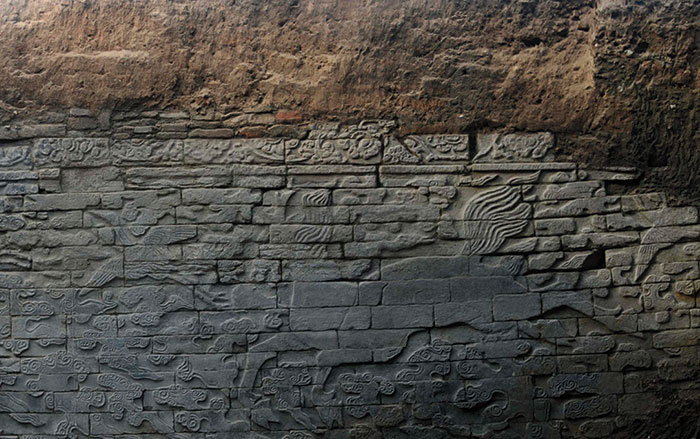
Bridge to the Past
The Yellow River brought both prosperity and calamity to China’s dazzling medieval capital By Ling Xin
MORE Features
-
Features January/February 2012
A Society's Sacrifice
Why the Chimú people of ancient Peru offered what was most valuable to them
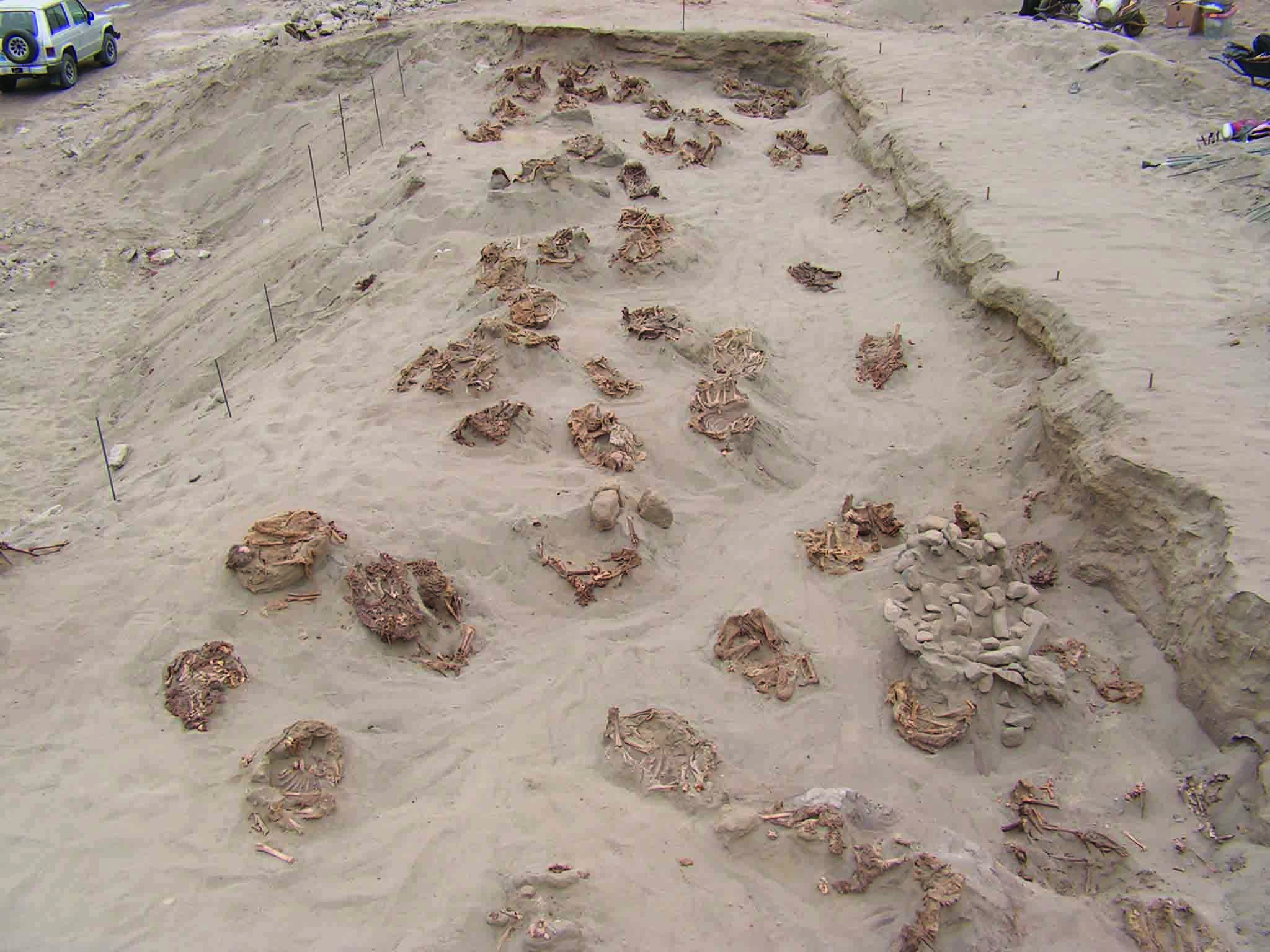 (Courtesy Angiolina Abugattas)
 -
Features January/February 2012
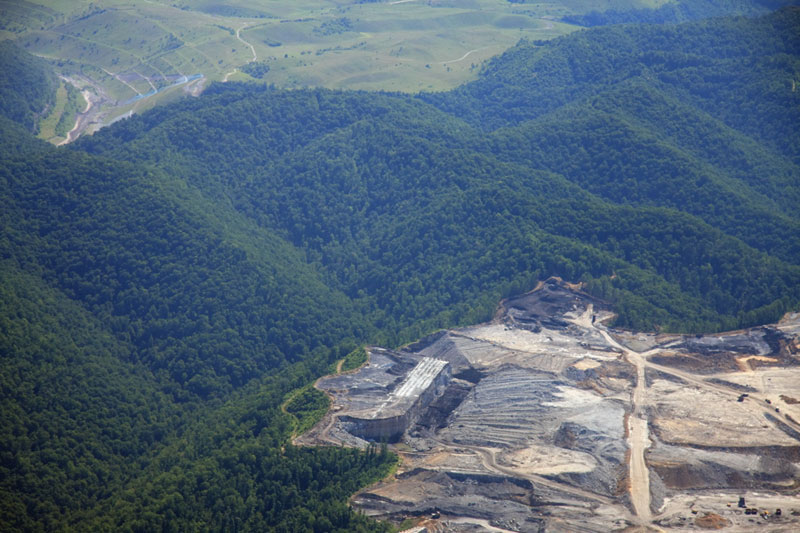
Mountaintop Rescue
ARCHAEOLOGY, coal, and activism collide in the Appalachian Mountains at the site of America's largest labor conflict.
-
Features January 1, 2011
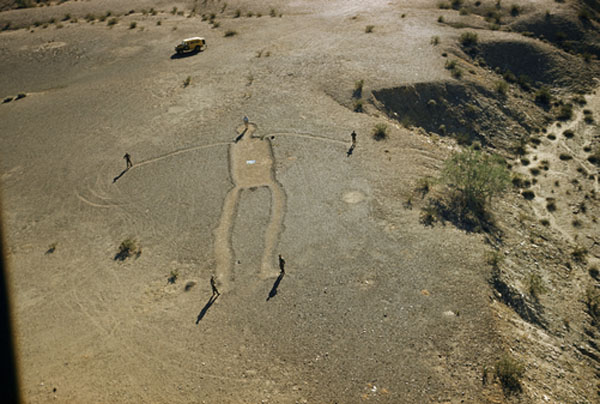
Hunter-Gatherer Landscape - California
Construction of vast solar farms in the deserts of southeastern California is threatening to permanently erase prehistoric Native American sites.
-
Features January 1, 2011
Undiscovery of the Year - Clovis Comet
 (Courtesy NASA)
 -
 AP Photos/Durmus Genc, Anatolian
 -
Features January 1, 2011
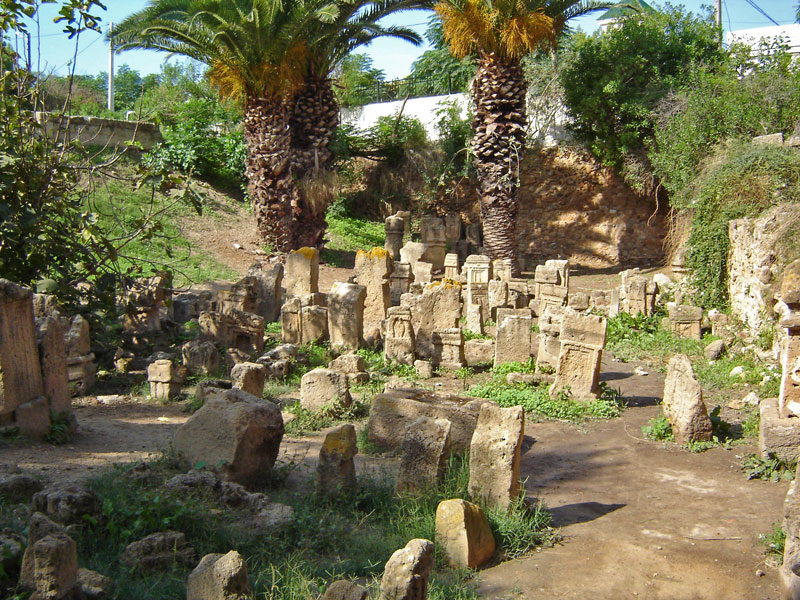
Child Burials - Carthage, Tunisia
A team led by University of Pittsburgh physical anthropologist Jeffrey Schwartz has refuted the long-held claim that the Carthaginians carried out large-scale child sacrifice from the eighth to second centuries b.c.