

Features
Features March/April 2026
Model Homes
A look inside miniature worlds created for the living, the dead, and the divine

RECENT Features
Features March/April 2026
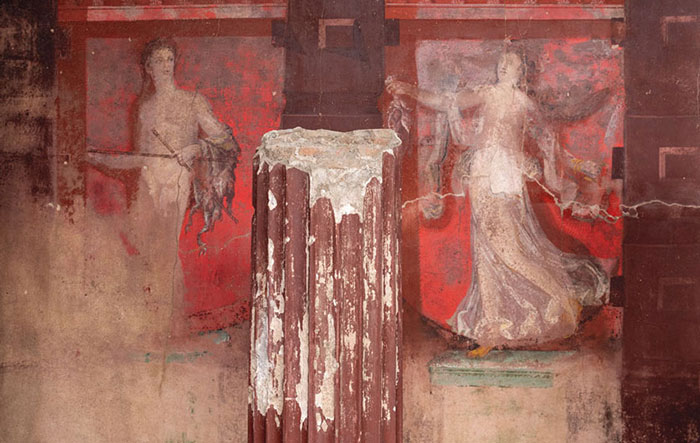
Pompeii's House of Dionysian Delights
Vivid frescoes in an opulent dining room celebrate the wild rites of the wine god
Features March/April 2026
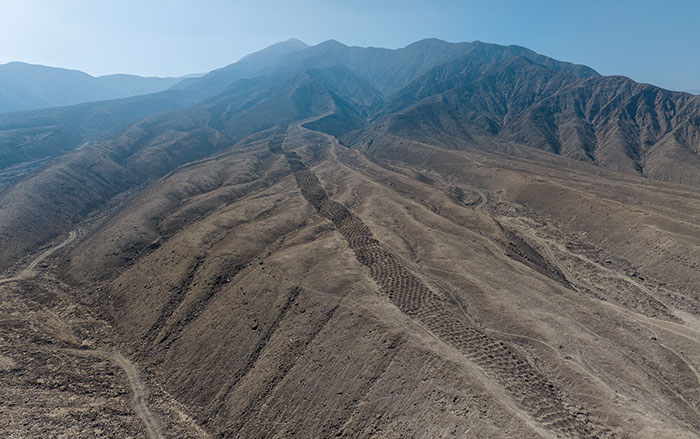
Return to Serpent Mountain
Discovering the true origins of an enigmatic mile-long pattern in Peru’s coastal desert
Features March/April 2026
Himalayan High Art
In a remote region of India, archaeologists trace 4,000 years of history through a vast collection of petroglyphs

Features March/April 2026
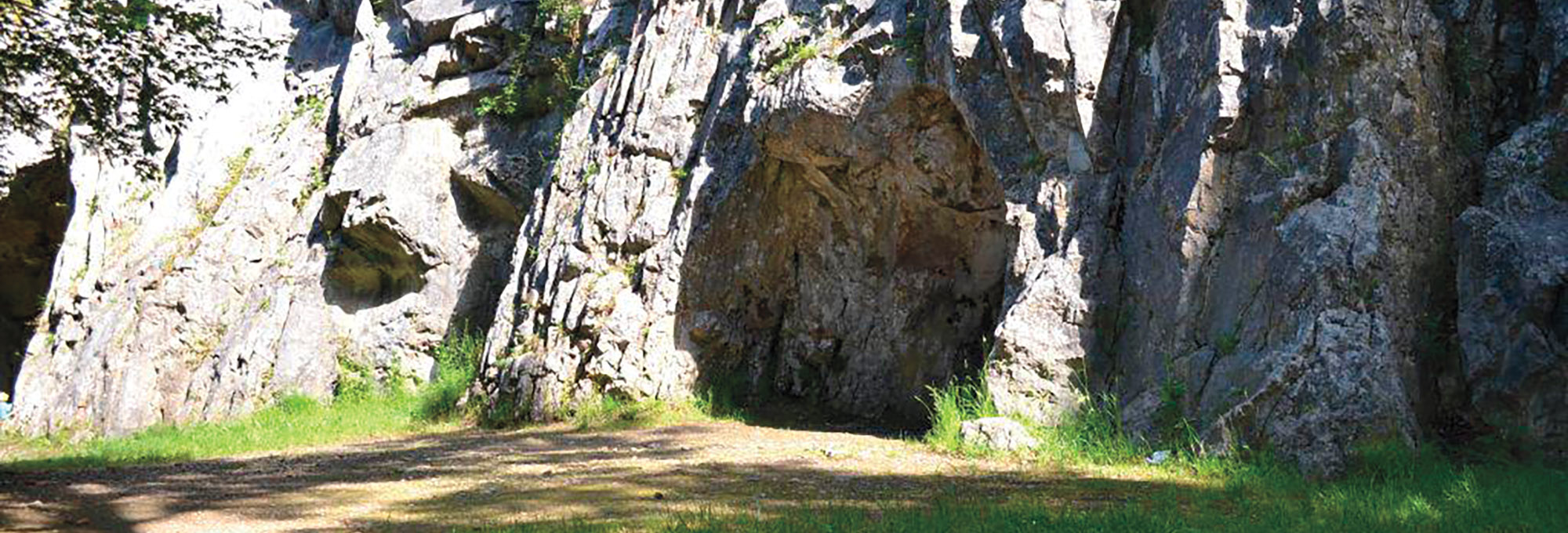
What Happened in Goyet Cave?
New analysis of Neanderthal remains reveals surprisingly grim secrets
MORE Features
-
Features January 1, 2011
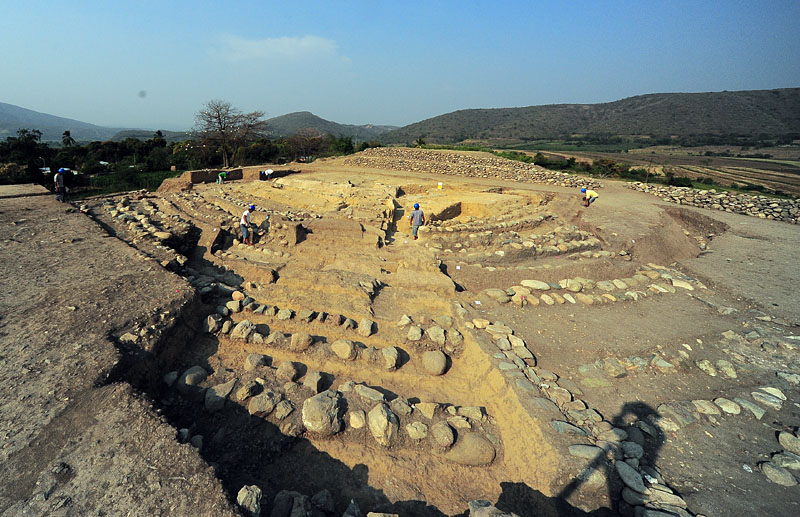
Early Pyramids - Jaen, Peru
Peru's towering burial mounds, with their underground chambers and layers upon layers of history, had long been thought to be a distinctive feature of the country's arid coast.
-
Features January 1, 2011
Royal Tomb - El Zotz, Guatemala
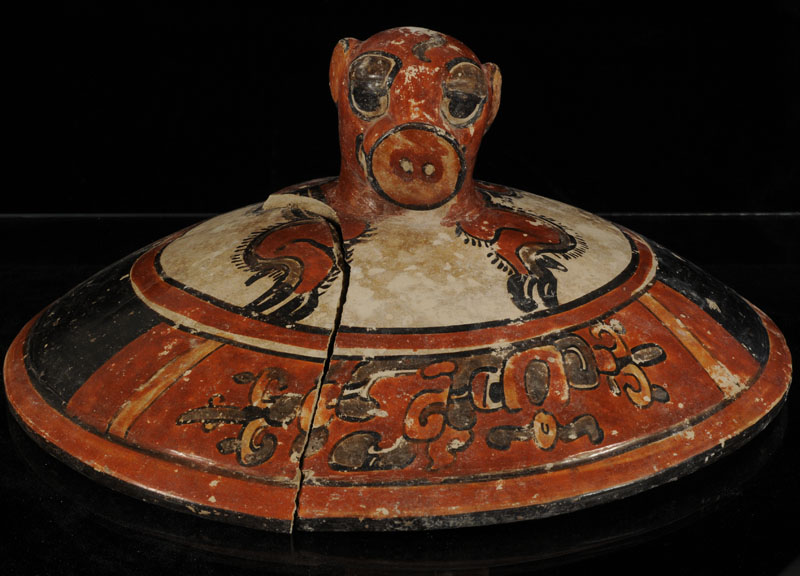
A deep looters' trench led archaeologists to a series of amazing, macabre finds beneath the El Diablo pyramid at the modest Maya city of El Zotz.
-
Features January 1, 2011
Decoding the Neanderthal Genome - Leipzig, Germany
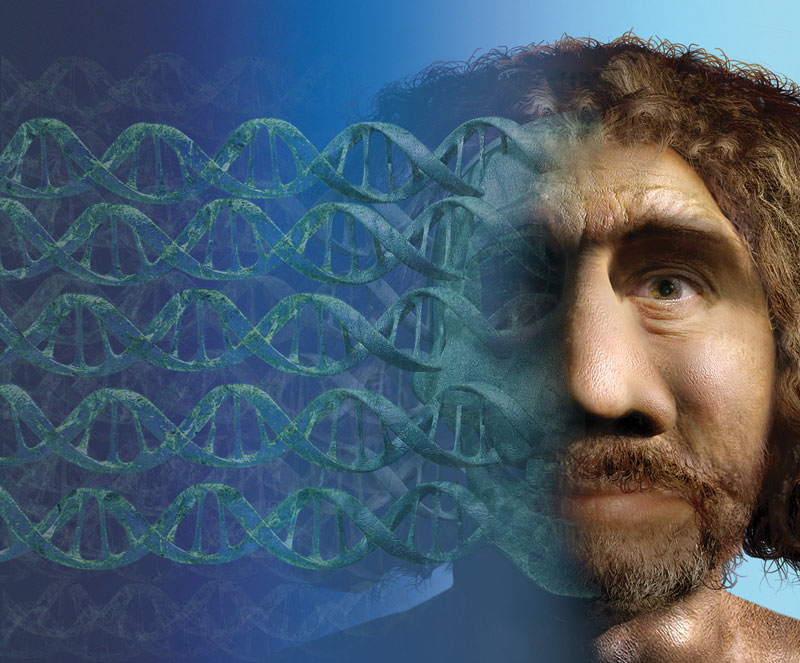
This past year will always be remembered as the year we found out that the Neanderthals survived and they are us.
-
Features January 1, 2011
"Kadanuumuu" - Woranso-Mille, Ethiopia
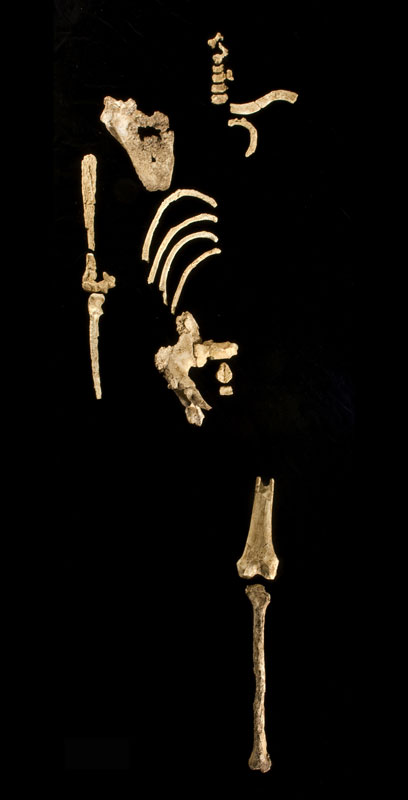
For the last 35 years, the short-legged “Lucy” skeleton has led some scientists to argue that Australopithecus afarensis didn’t stand fully upright or walk like modern humans, and instead got around by “knuckle-walking” like apes. Now, the discovery of a 3.6-million-year-old beanpole on the Ethiopian plains—christened “Kadanuumuu,” or “Big Man” in the Afar language—puts that tired debate to rest. The new fossil demonstrates these early human ancestors were fully bipedal.
-
 (Photo courtesy Thomas Strasser)
 -
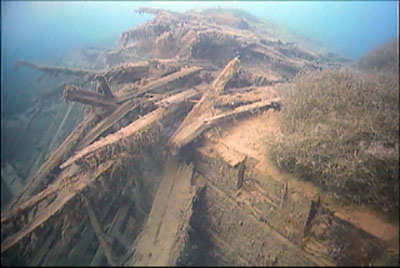 (Courtesy Parks Canada)