
SOUTH KOREA
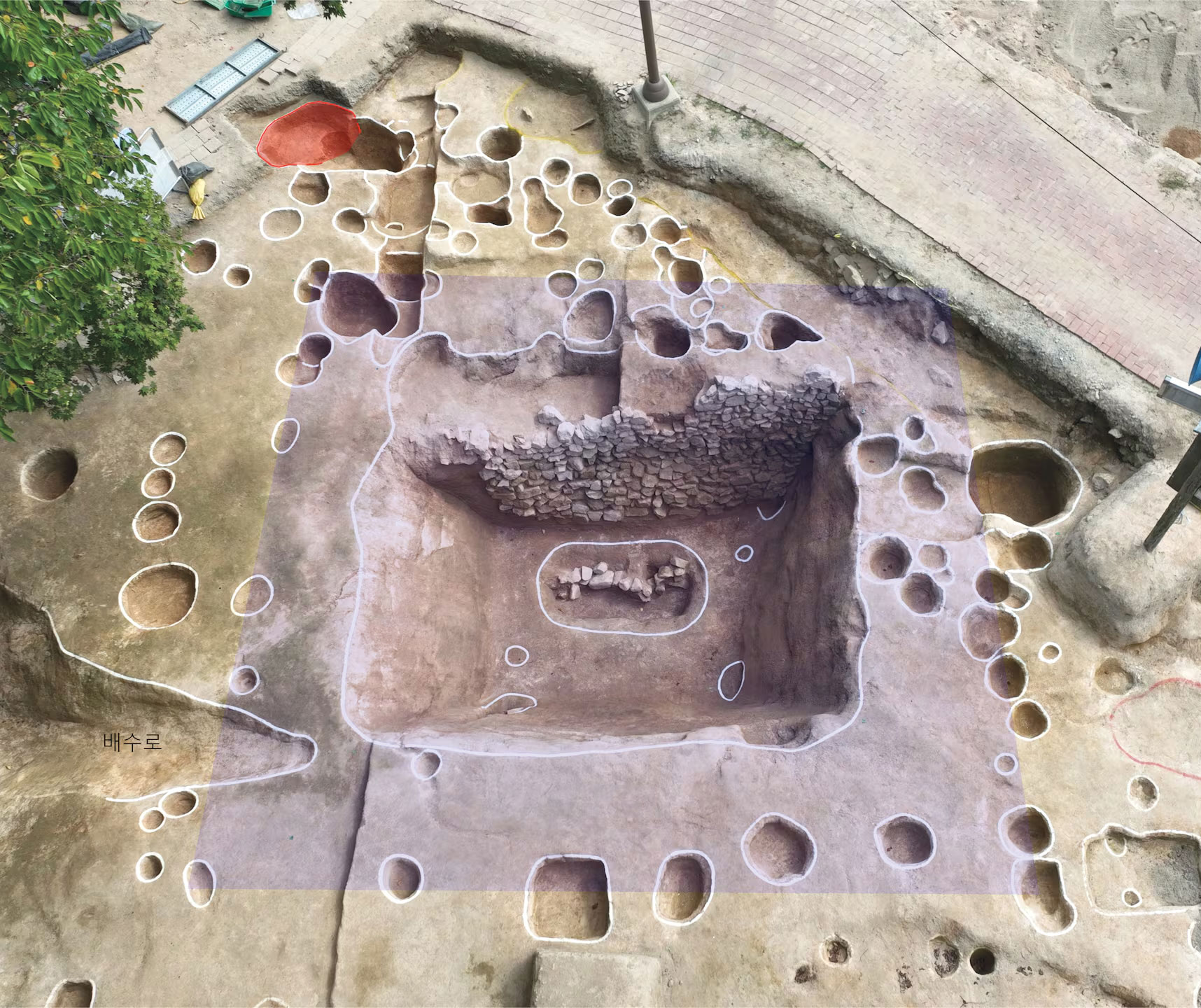
Researchers now know that chicken domestication on the Korean Peninsula dates back nearly 2,000 years. Bones of Gallus gallus found at the site of Gungok-ri have been dated to between a.d. 80 and 361. Isotope analysis, which showed that the chickens were eating feed made from domesticated crops, confirmed that the birds were raised and not hunted. The Korean Peninsula was an integral way station in the spread of chickens from China to Japan, and archaeologists hope the new evidence will help them better understand how and when that occurred.
Related Content
Around the World January/February 2026
SOUTH KOREA
Around the World May/June 2025
SOUTH KOREA
PAKISTAN
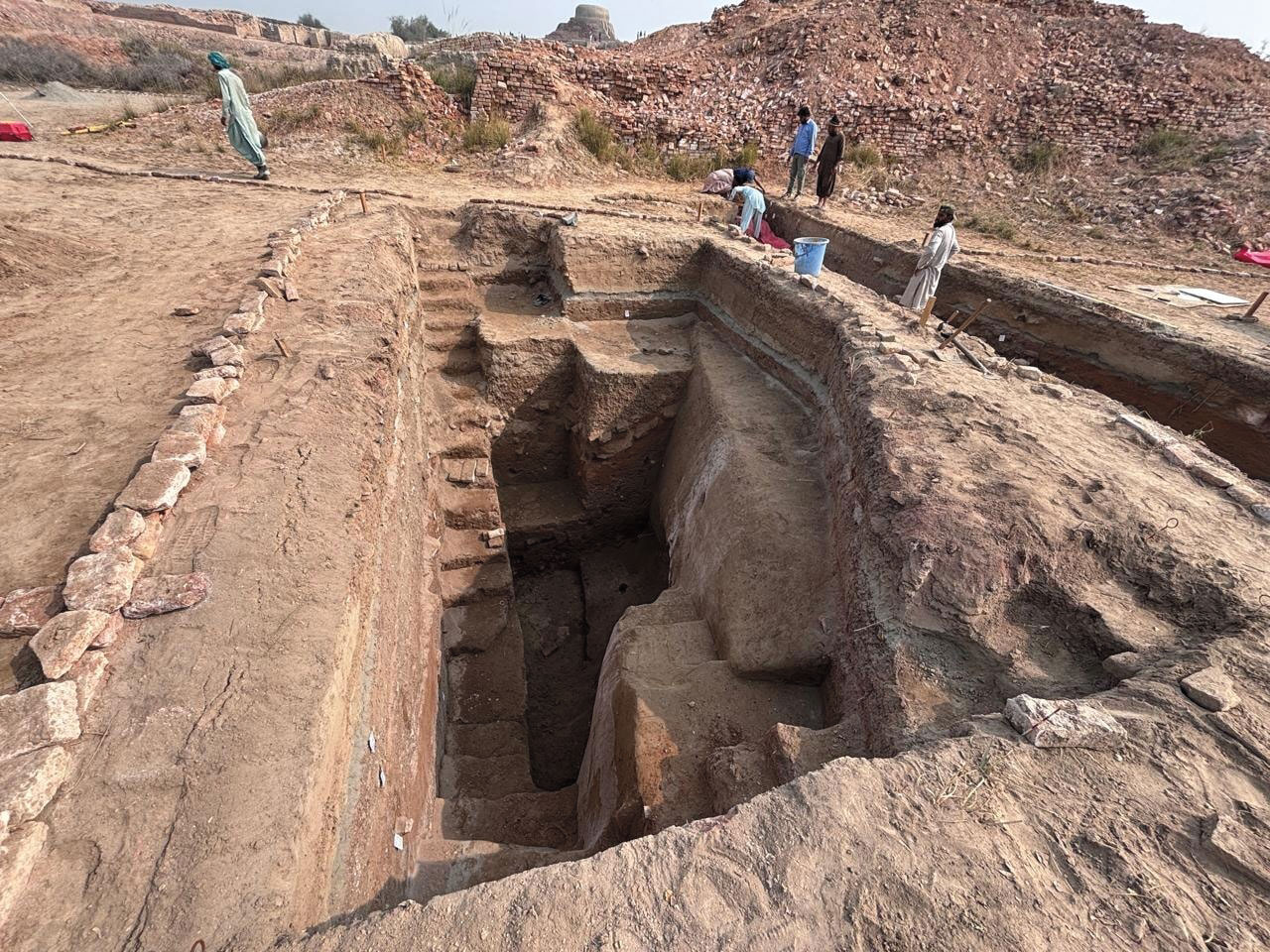
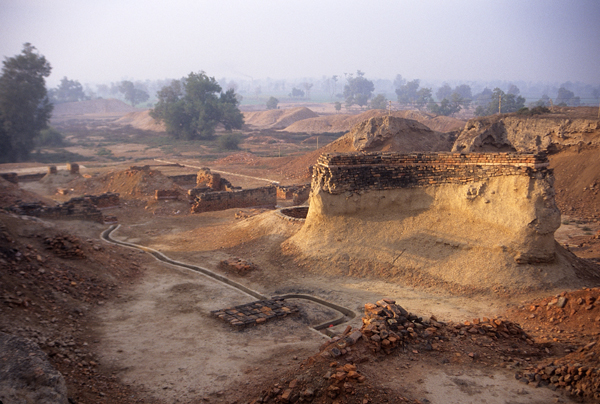
Radiocarbon dating of material excavated along a lower section of Mohenjo-Daro’s 25-foot-high city walls indicated that the sprawling ancient urban center is centuries older than previously thought. The findings revealed that Mohenjo-Daro’s earliest occupation dates to around 2700 b.c. This makes the Indus Valley site one of the world’s earliest major cities, rivaling metropolises in Egypt and Mesopotamia. At its height, Mohenjo-Daro was home to some 40,000 people before it mysteriously collapsed around 1700 b.c.
Related Content
SYRIA
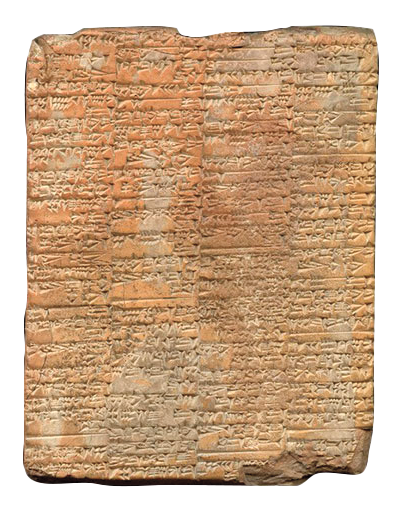
A newly deciphered 3,000-year-old cuneiform tablet records an anti-witchcraft ritual that conveys the extent to which some paranoid ancient rulers went to maintain power. The tablet was excavated at the site of Hama, which was plundered by the Assyrians in 720 b.c. The text records a spell with the power to protect kings and ward off misfortune and political pitfalls. Casting the spell took an entire night and involved burning small clay-and-wax effigies while priests chanted incantations.
Related Content
EGYPT
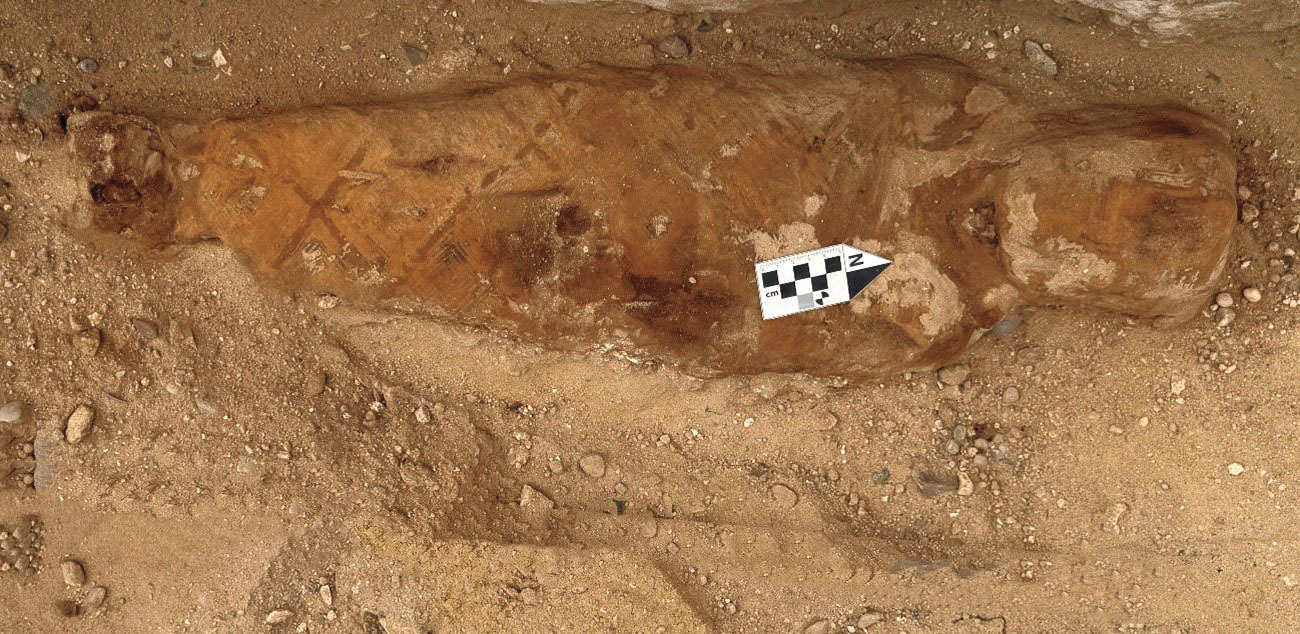
One Roman-era Egyptian went to the afterlife 1,600 years ago dreaming of the exploits of Trojan War heroes. When archaeologists opened a tomb in the ancient city of Oxyrhynchus, they noticed a papyrus bundle that had been placed on the mummified individual’s abdomen during a mortuary ritual. Analysis revealed that the text is a fragment of Homer’s Iliad—specifically, the Catalog of Ships. This is the first time the Greek epic has been found to have been used as part of the ancient mummification process.
Related Content
SENEGAL
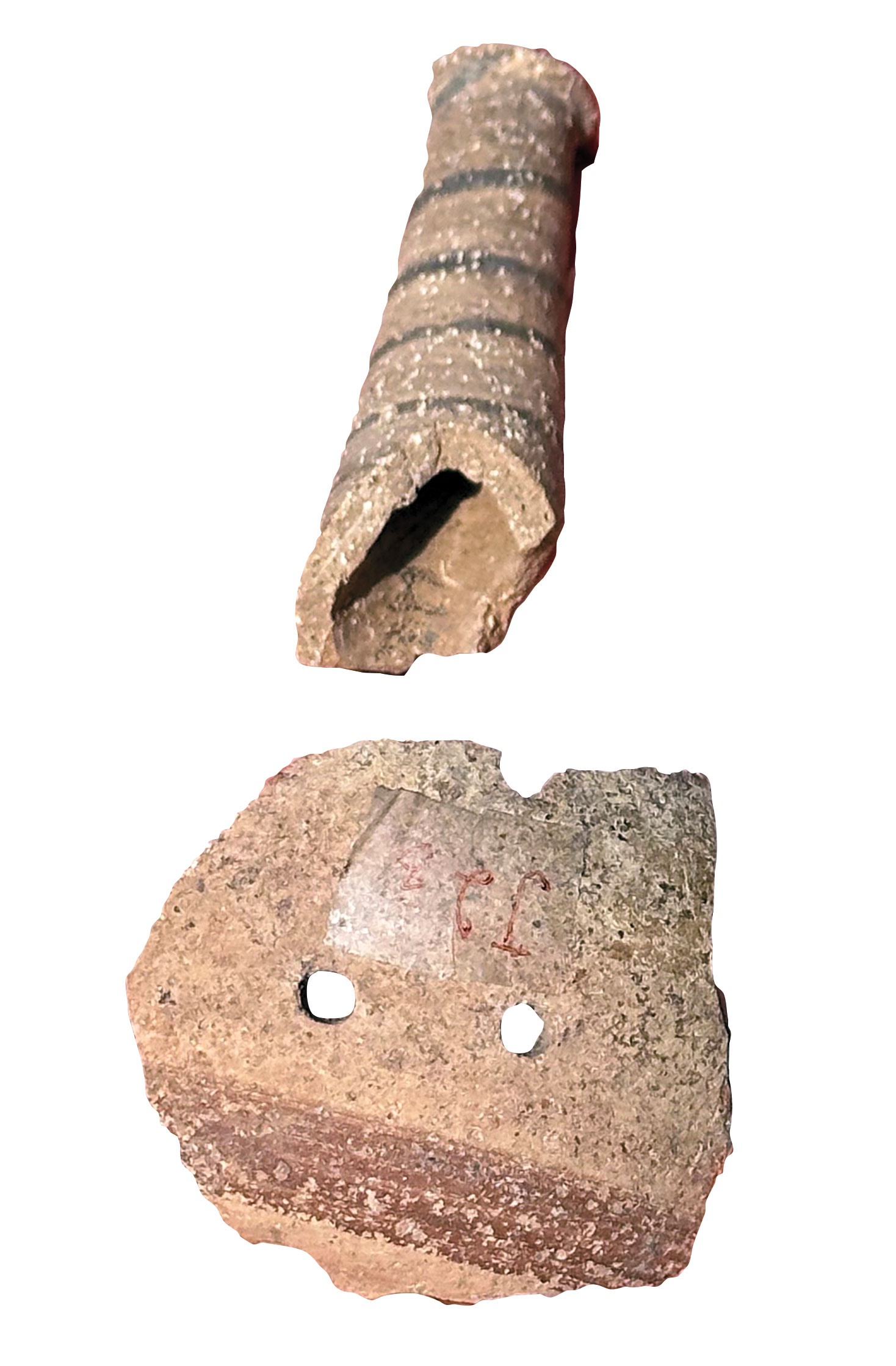
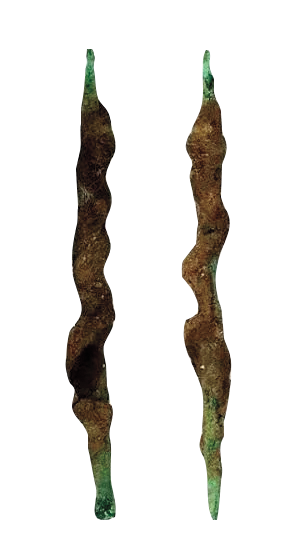
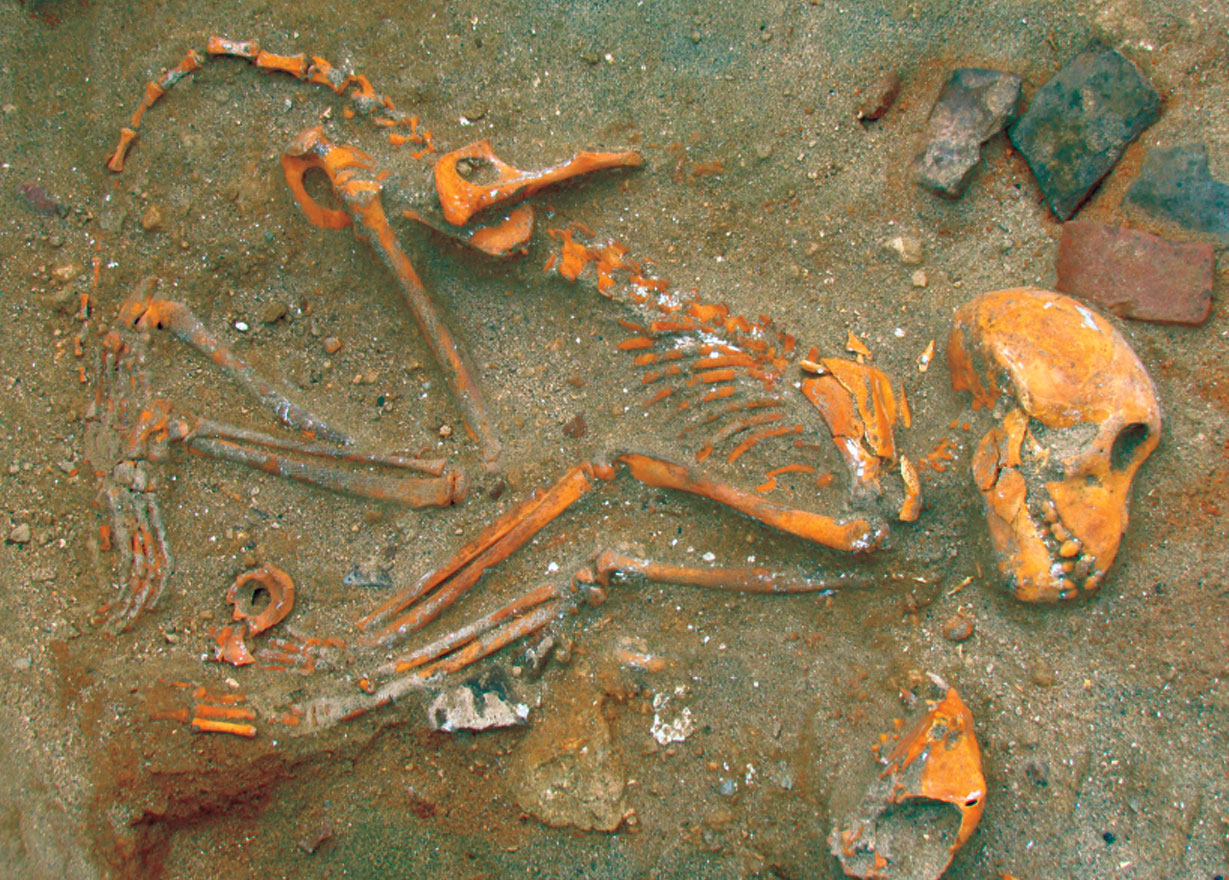
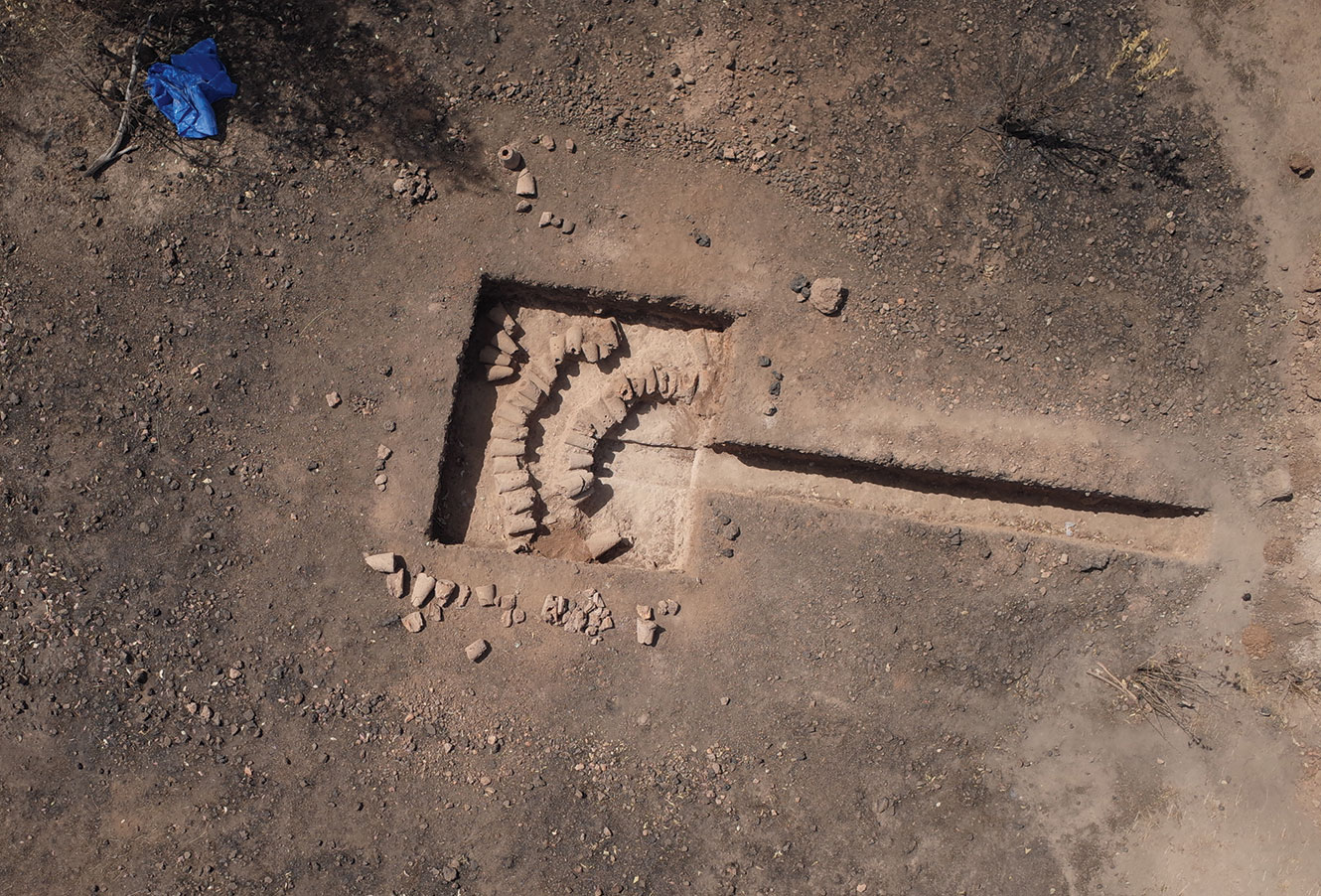
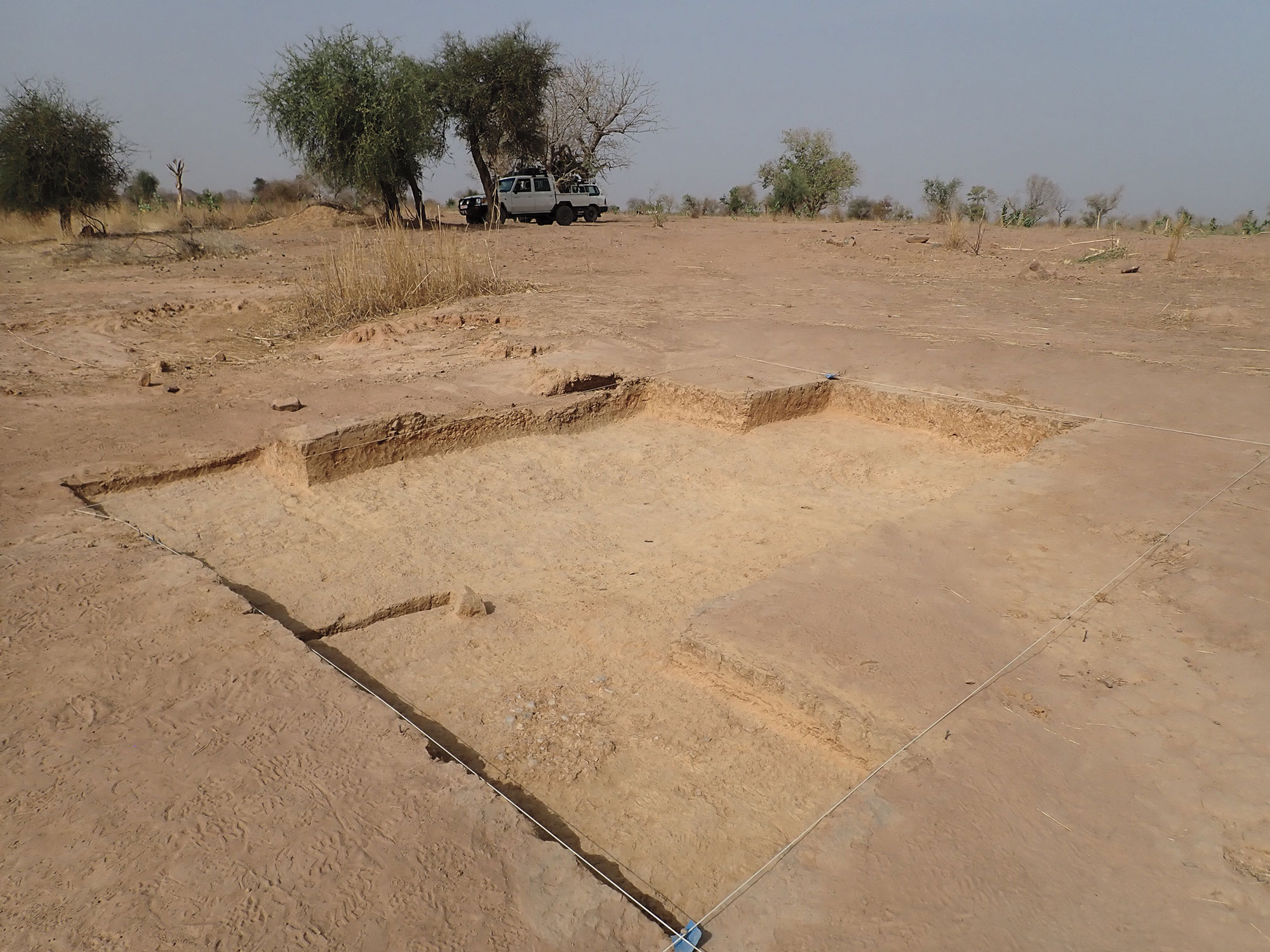
One of the oldest and best-preserved metalworking sites in West Africa recently provided new clues regarding the origin and spread of iron technology in the region. Archaeologists uncovered the remnants of 25 furnaces, 30 tuyeres, or air nozzles, and one ton of metal slag at eastern Senegal’s site of Didé West 1. The workshop likely produced agricultural tools used by local people between 400 b.c. and a.d. 400. Didé West 1’s 800-year history is noteworthy, as similar sites were typically occupied for only a few generations.
Related Content
Around the World November/December 2025
SENEGAL
GREECE
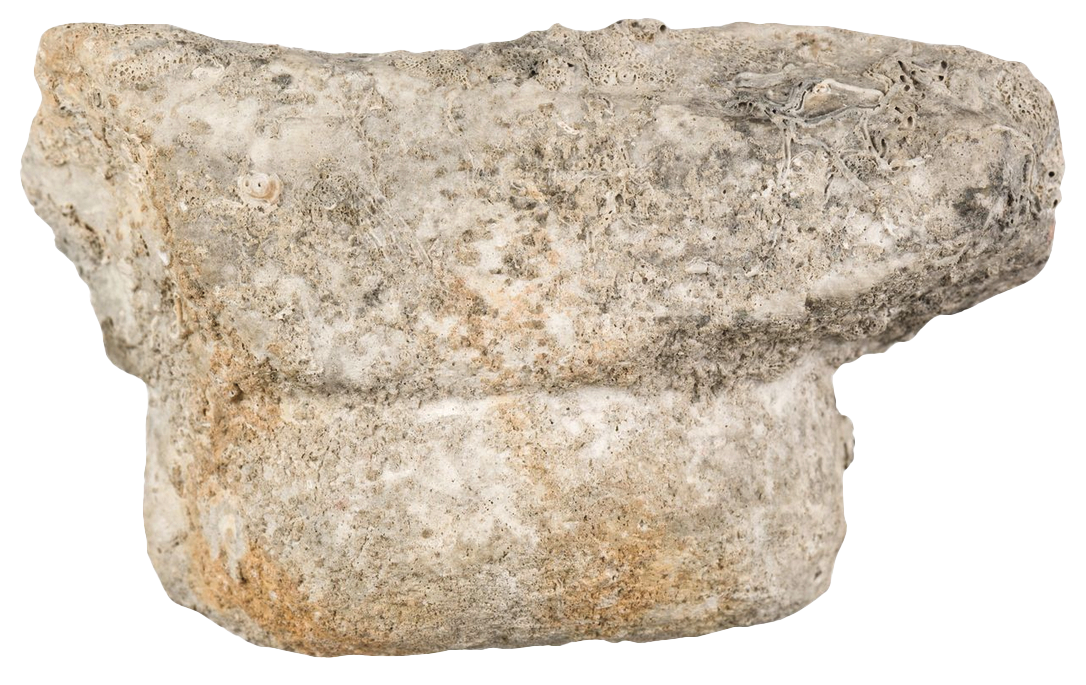
After Lord Elgin set sail for Britain from Greece in 1802 in a ship laden with sculptures from the Parthenon, the artworks were nearly lost forever. Elgin’s ship, Mentor, sank off the island of Kythera, sending the sculptures to the seafloor. Divers salvaged most of the items, but some of Mentor’s cargo has remained submerged. Archaeologists recently retrieved a small piece of decorative marble at the wreck site. It likely came from a relief located above one of the Parthenon’s columns.
Related Content
ENGLAND
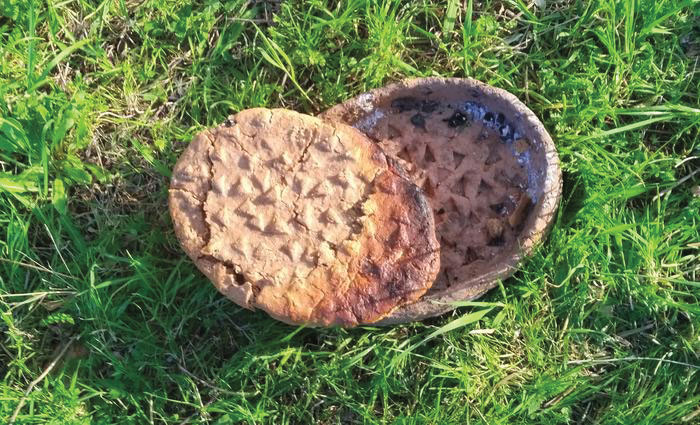
During the Roman era, a dye called Tyrian purple, made from sea snails, was so expensive that it was reserved for people at the highest social echelons such as emperors and aristocrats. Analysis of two 4th-century a.d. infant burials from York, however, revealed that both were shrouded in luxurious purple textiles, the first time use of the costly colorant has been identified in the Roman frontier settlement. The babies were no doubt members of very wealthy families who deeply mourned their premature deaths.
Related Content
CANARY ISLANDS
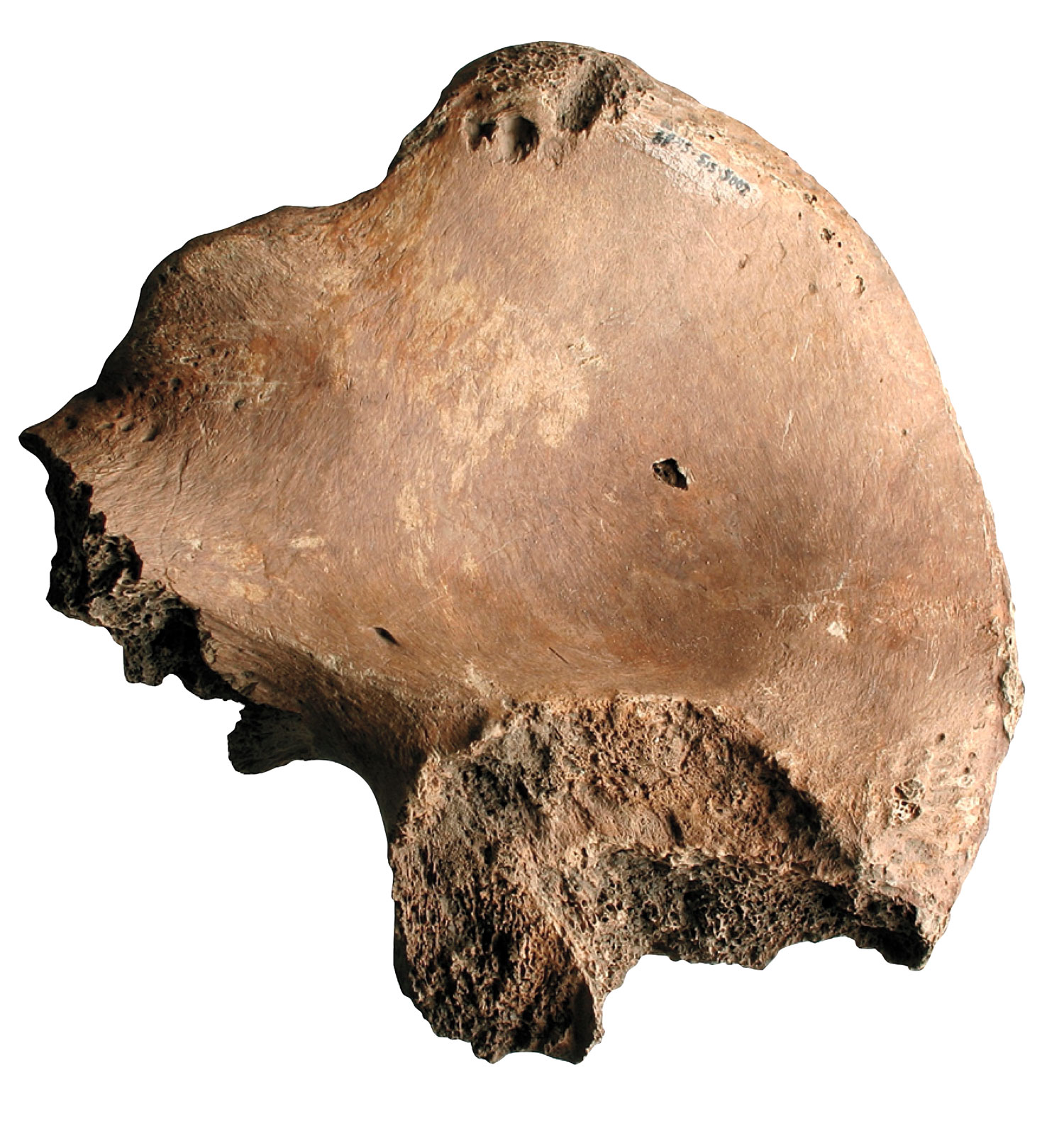
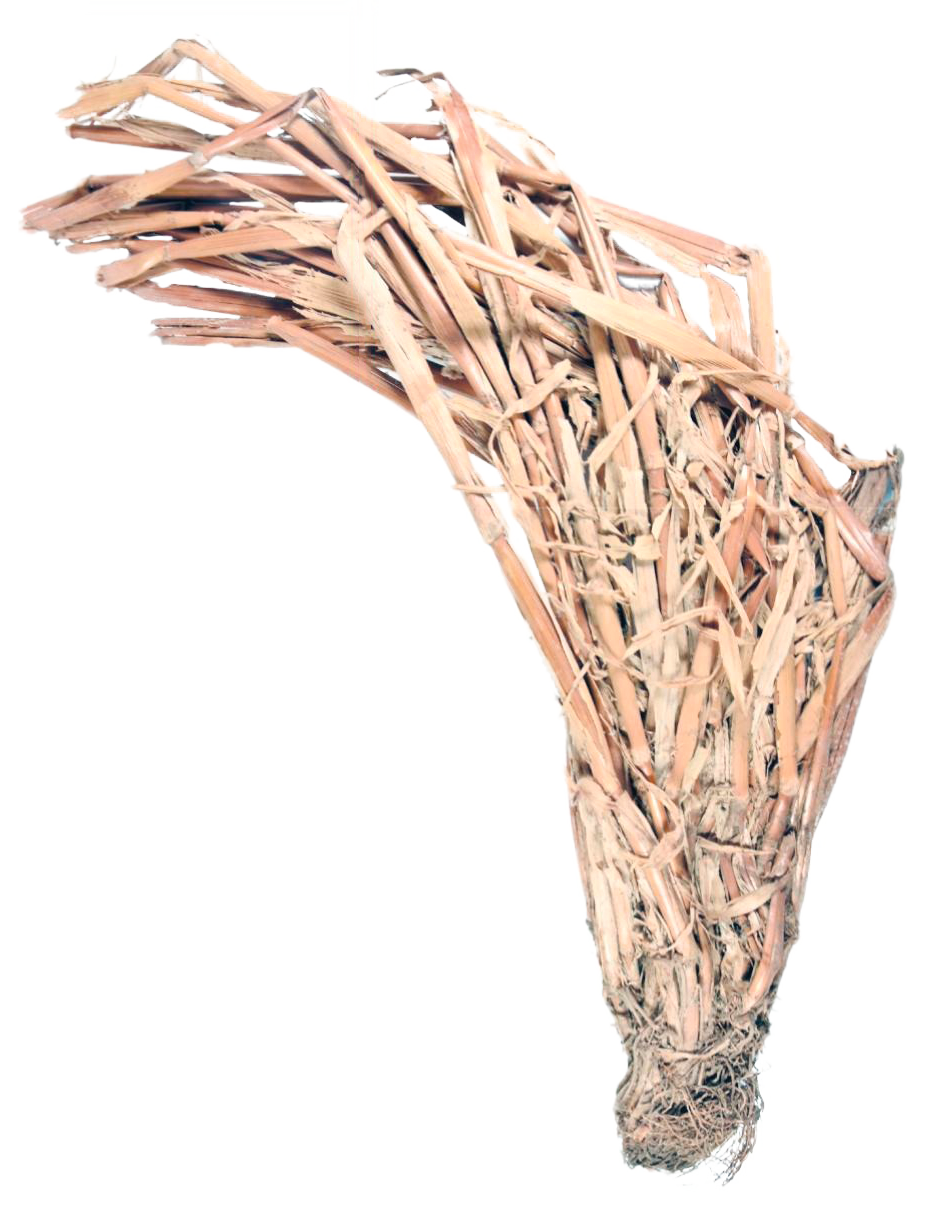
Stone tools and remains of plants found in a cave at Roque Bentayga on Gran Canaria are the earliest known evidence of cereal harvesting in the archipelago. Wear patterns on the tools, especially a basalt blade, suggest that members of the local Berber culture used them more than 800 years ago to cut the stems of cereal crops such as barley. Scholars previously debated whether the archipelago’s inhabitants had such technology prior to the 15th-century Spanish conquest.
PERU
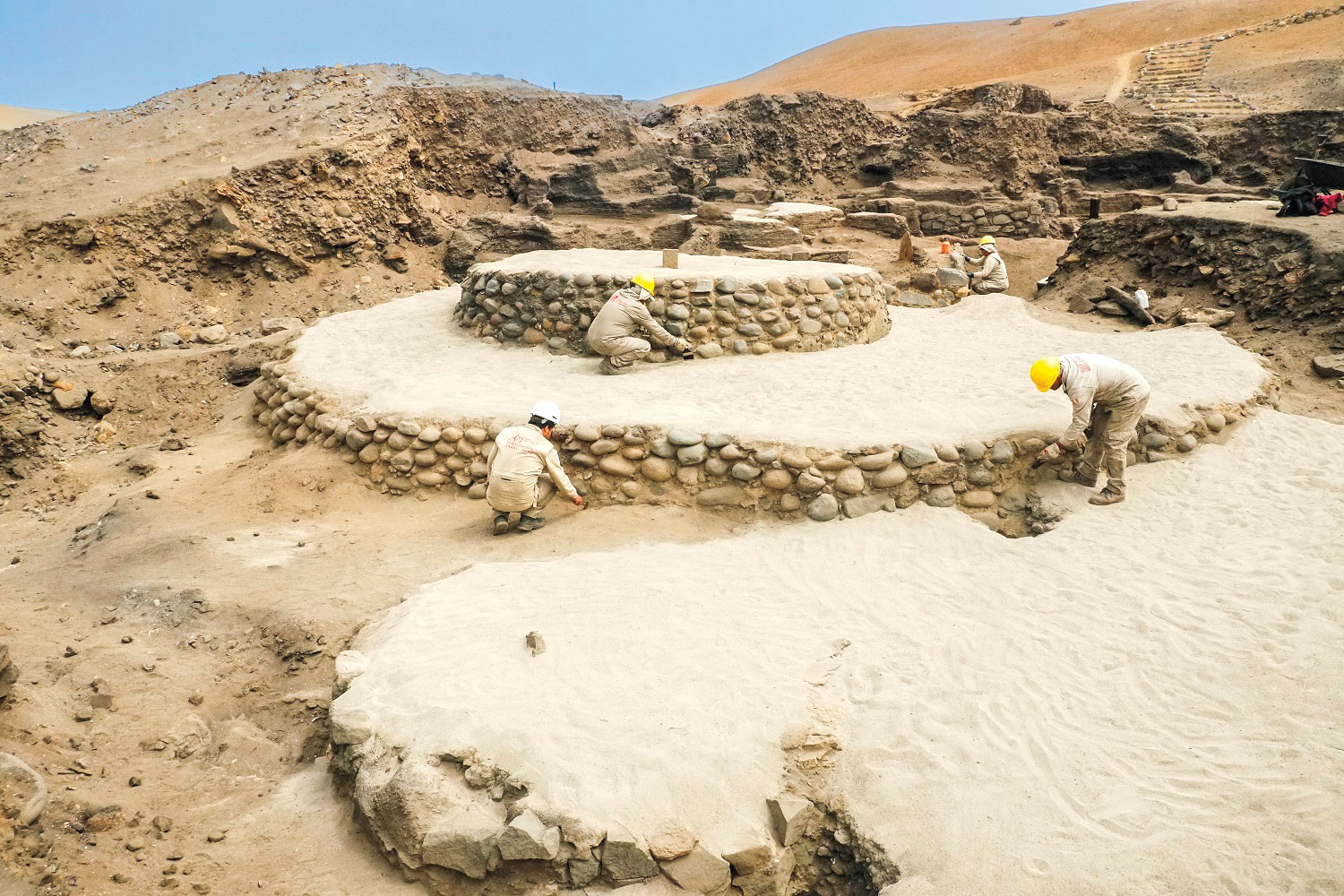
A newly unearthed enigmatic complex at the ancient coastal settlement of Áspero is believed to be an early astronomical observatory. The site was associated with the Caral culture, one of the oldest civilizations in the Americas, which flourished between 3000 and 1800 b.c. The complex consists of circular stone platforms from which ancient astronomers likely recorded the movements of the sun, moon, and stars. This helped Áspero’s inhabitants anticipate seasonal changes, plan fishing trips, and manage coastal resources.
Related Content
VIRGINIA
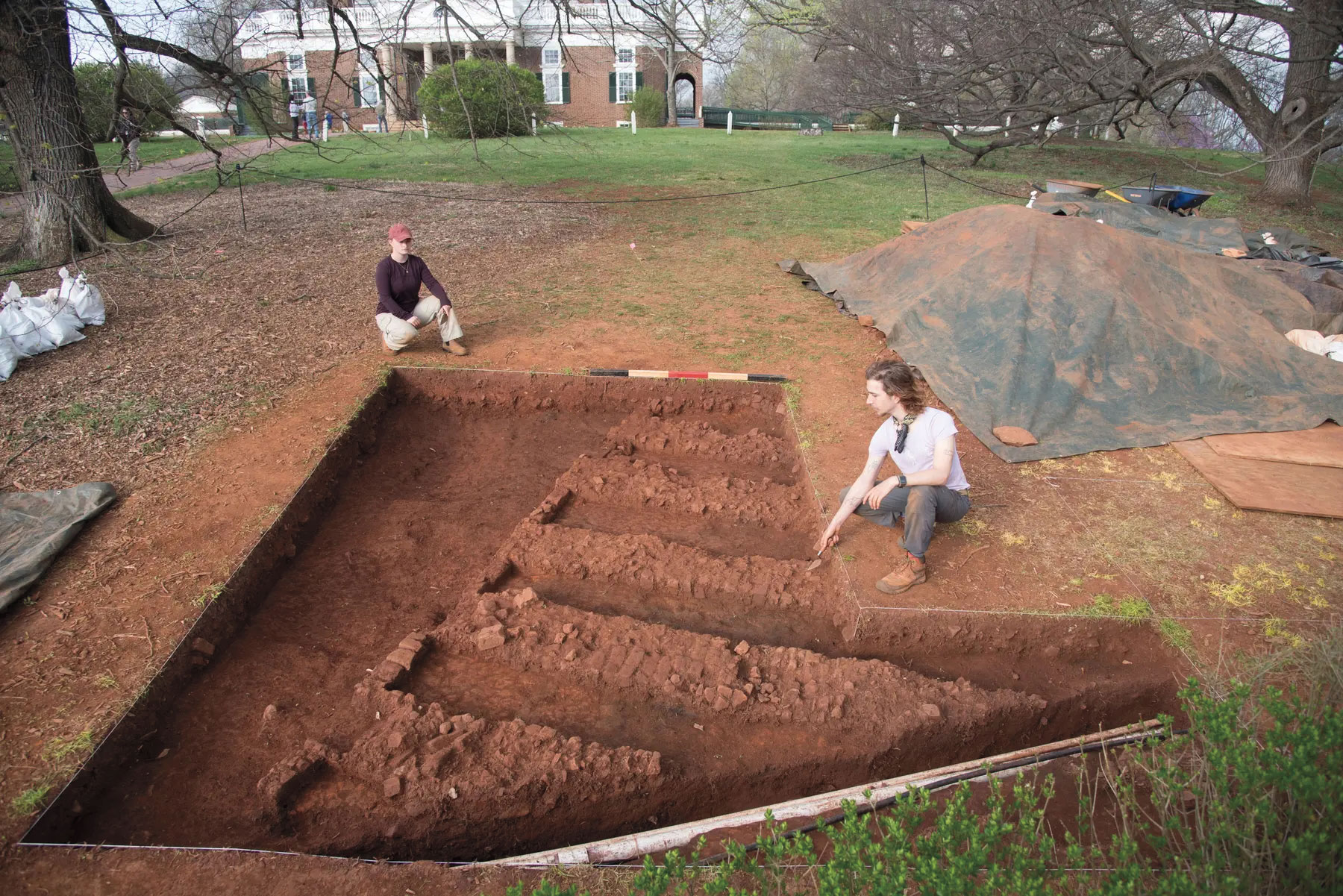
Workers unearthed a forgotten piece of history at Thomas Jefferson’s estate when they uncovered a kiln beneath the East Lawn. The structure was used to fire bricks to decorate Jefferson’s first home at the site, Monticello I, in the 1770s. The present structure, Monticello II, was built in the 1790s. By that time, Jefferson had moved the estate’s main kiln downhill, closer to sources of water and wood.