Latin Graffiti Recorded in Underground Cave

News July 31, 2026

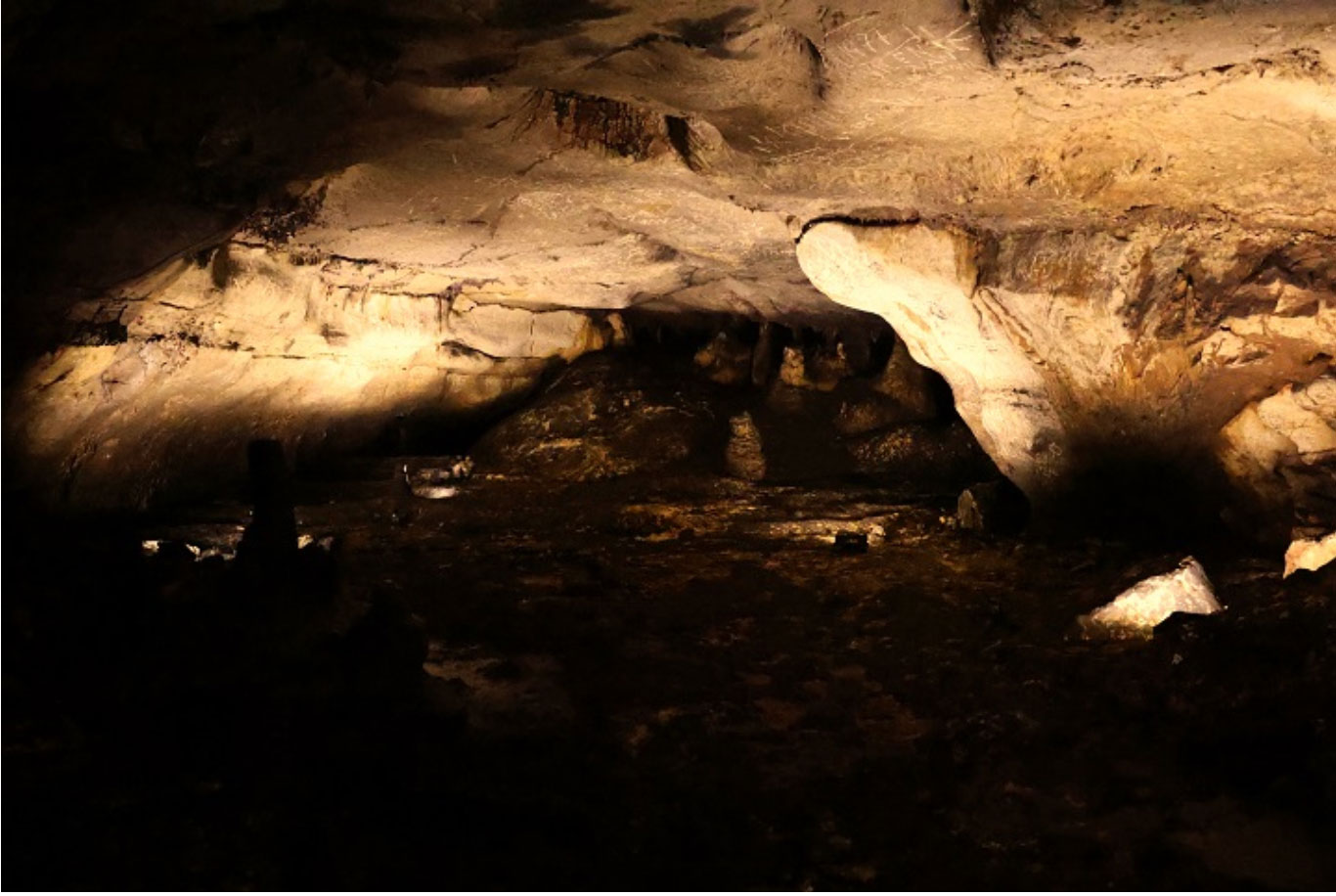
Interior of Cova Dones, Spain
University of Alicante
SHARE:

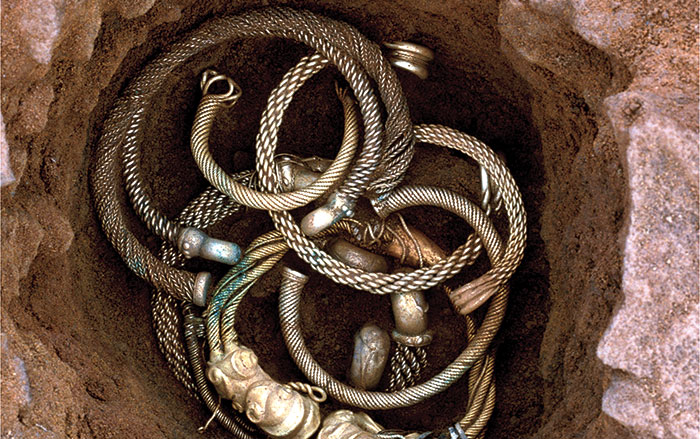
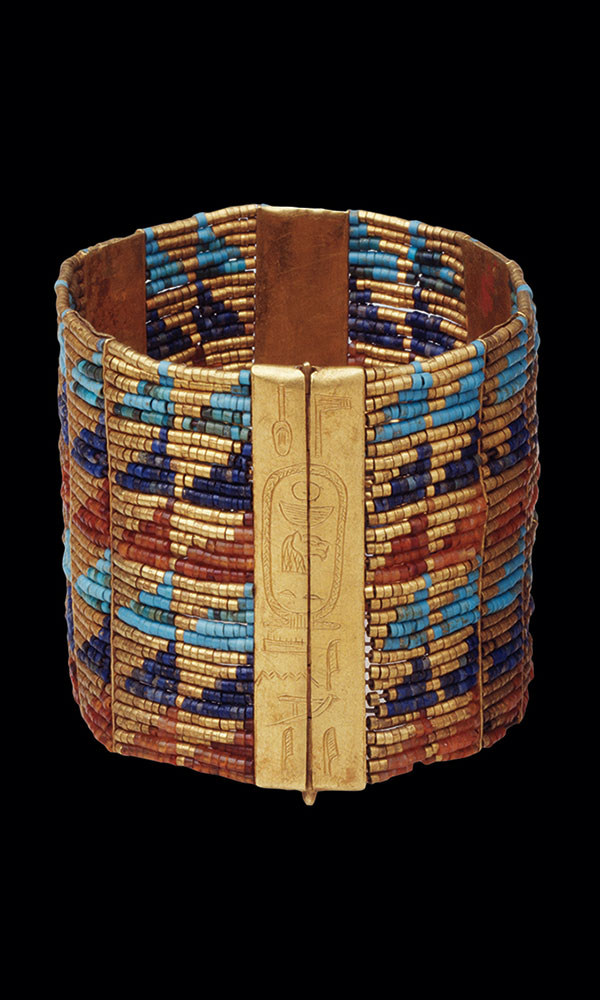
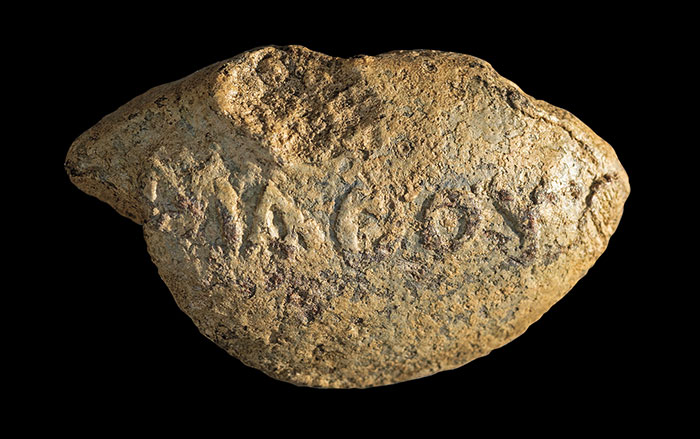
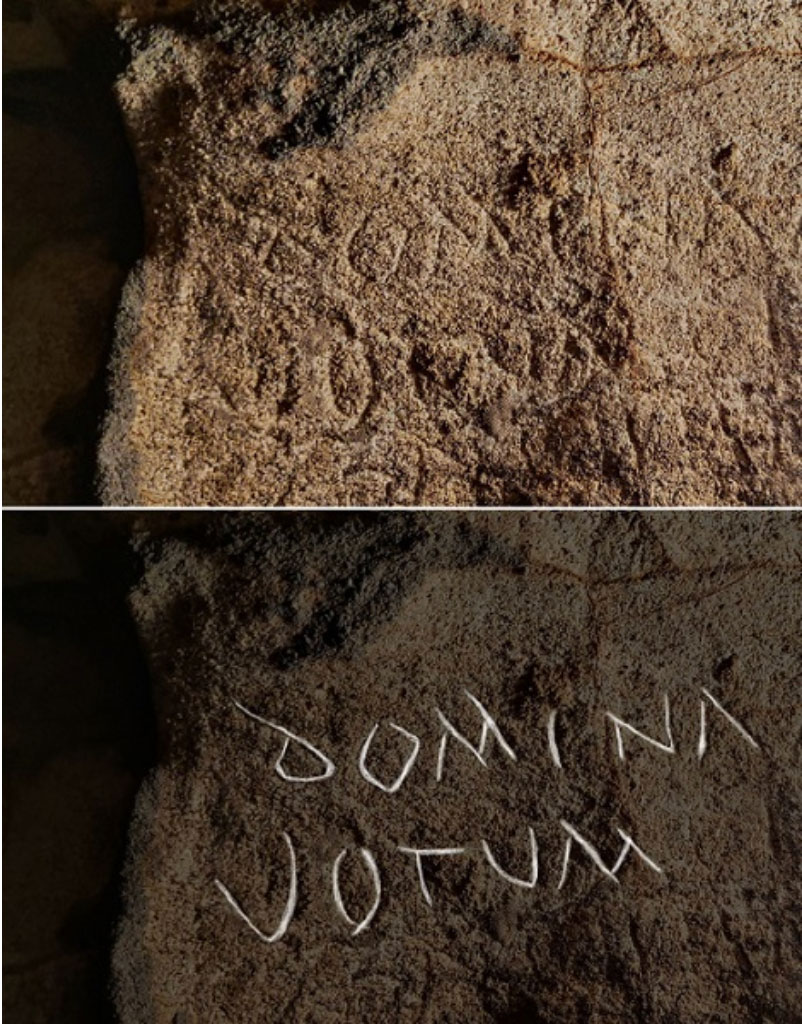
VALENCIA, SPAIN—Some 120 Latin inscriptions on the walls and ceiling of Cova Dones, an underground cave in southeastern Spain, have been recorded by Virginia Barciela of the University of Alicante and Aitor Ruiz-Redondo of the University of Zaragoza, according to a report in La Brújula Verde. The cave is thought to have been a Roman cult sanctuary used primarily by women for ritual practices. The researchers determined that most of the graffiti dates to the first and second centuries A.D. Women’s names appear in the inscriptions, and many spindle whorls, thought to have been deposited as offerings, have been recovered from the cave. Some of the offerings had been placed in small, natural pools of water in the floor. Other objects found at the site include bronze rings, a bracelet, chalice-shaped vessels, ceramic fragments, and faunal remains. Five of the inscriptions refer to a goddess as “Domina,” or “the Lady.” Three of these graffiti also use the word “MALACI,” thought to be the name of an unknown goddess. To read about 25,000-year-old paintings and engravings discovered deep inside Cova Dones, go to "Paleo Palette."

  • Features July/August 2026

    Tennis, Anyone?

    Discovering the origins of the peculiar racket game that swept sixteenth-century France

    Read Article
    King Louis XIII's jeu de paume court at the Palace of Versailles
    © Denis Gliksman, Inrap
  • Letter from Boston July/August 2026

    In the Shadow of Bunker Hill

    The forgotten lives of the townspeople who lost everything in the early days of the American Revolution

    Read Article
    A late eighteenth-century painting titled View of the Attack on Bunker's Hill, with the Burning of Charles Town
    National Gallery of Art
  • Artifacts July/August 2026

    Native American Dice

    About 12,000 years ago, Indigenous people started playing high-stakes games of chance

    Read Article
    Courtesy Robert J. Madden
  • Digs & Discoveries July/August 2026

    Ancient China’s “Pony Express”

    Han Dynasty postal horses had hard lives but evocative names—meet Wandering Hawk, Podgy and Lumpy, and Mr. Red Horse

    Read Article
    The Metropolitan Museum of Art, New York/Gift of George D. Pratt, 1928