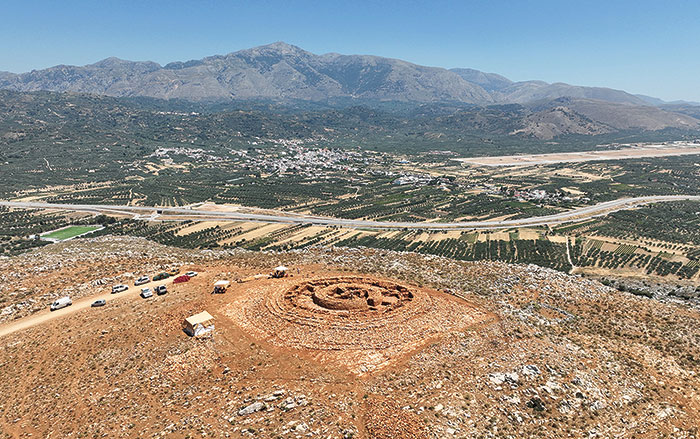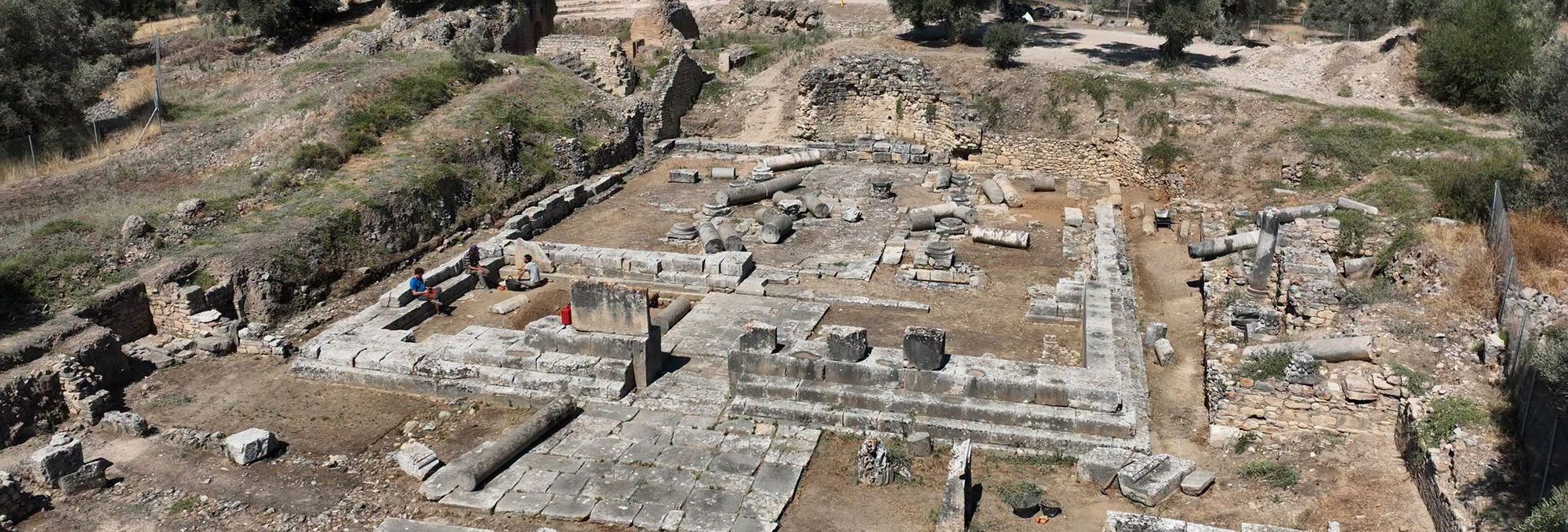
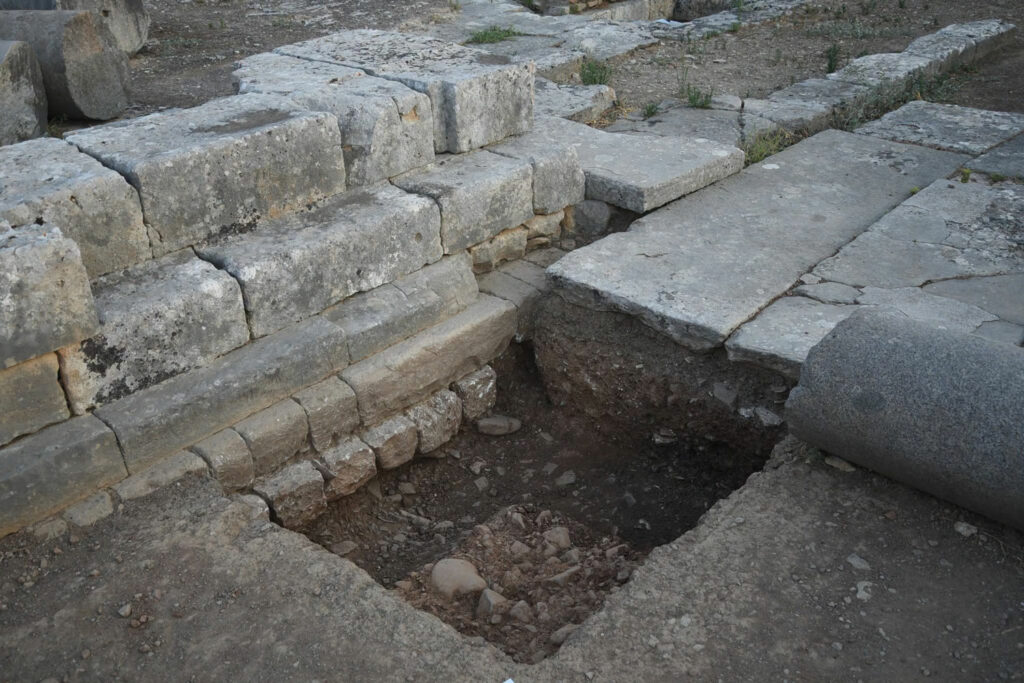
GORTYNA, CRETE—La Brújula Verde reports that researchers from the Italian School of Archaeology at Athens and the University of Padua recovered the bones of more than 450 mice (Mus musculus) from the sediments of a votive deposit inside a structure dated to the seventh century B.C. in the sanctuary of Apollo at the site of Gortyna. Ancient texts had linked the sanctuary to manifestations of Apollo Pythios, who was associated with purification, divination, and the founding of cities. These practices are said to have grown out of a myth in which Apollo slew a python near Delphi in central Greece. The discovery of the mouse remains within the sacred enclosure, however, suggests that this Cretan sanctuary may have originally been dedicated to Apollo Smintheus, the “mouse slayer,” who was believed to protect against plagues carried by rodents and the damage that they can cause to crops. Archaeologists think the focus of the sanctuary shifted from the protection of agriculture to worship of Apollo as the source of the Oracle of Delphi as Gortyna grew in size and importance as a religious center in the Greek world. For more on the sanctuary of Apollo at Delphi, go to "Inner Beauty."