

COPENHAGEN, DENMARK—An international team of researchers including Clara Granzotto of the University of Copenhagen and Rebecca J. Stacey of the British Museum has analyzed the proteins in 28 samples of paint taken from 14 Egyptian artifacts ranging in date from 1425 B.C. to A.D. 400, Phys.org reports. The coffins, wall paintings from tombs, painted limestone, and mummy-related plasterwork are currently housed in three European museums. The test results indicate that collagen from cattle was used most often as a binding medium for paint. However, the hides, connective tissues, and bones of sheep or goats, donkeys, and horses—and perhaps even wild antelopes—were also used to make paint adhesives. Plant proteins were also identified in the mixtures. These proteins are thought to have been used in the form of seed cake, which is what is left over after seeds are pressed for their oil. Read the original scholarly article about this research in Science Advances. To read about the materials artists in Roman Egypt used to create portraits of the dead, go to "At Face Value."
Proteins in Ancient Egyptian Paints Analyzed
News August 28, 2026
Recommended Articles
Features November/December 2026
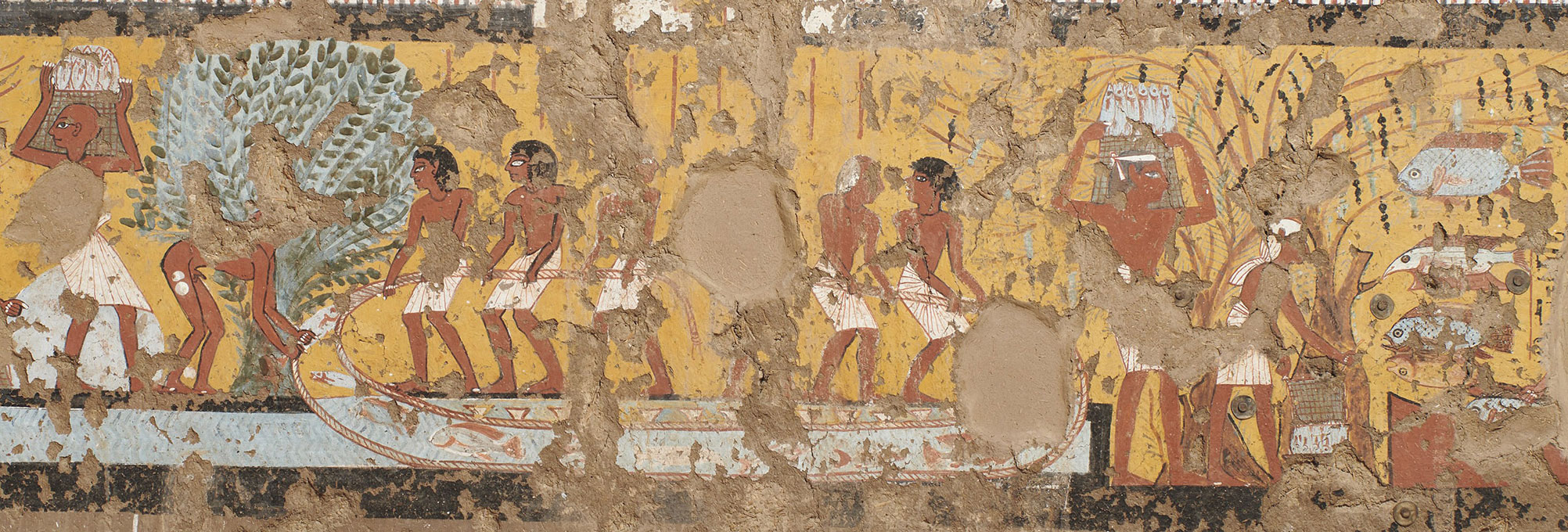
A Tomb of One's Own
Life behind the scenes in Egypt’s Valley of the Kings
Digs & Discoveries November/December 2026
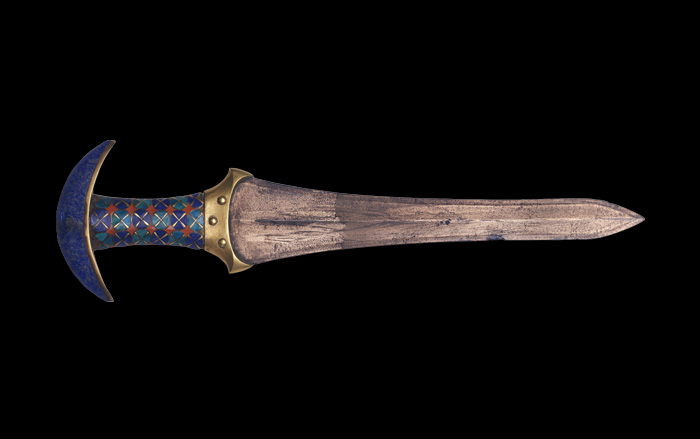
Egyptian Warrior Women
Features September/October 2026
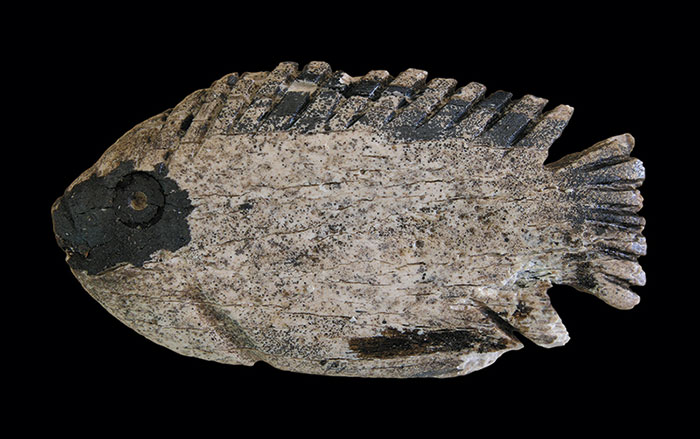
Where Was Ancient Egypt Born?
Archaeologists are reimagining a time before the first pharaohs
The Music of Time September/October 2026
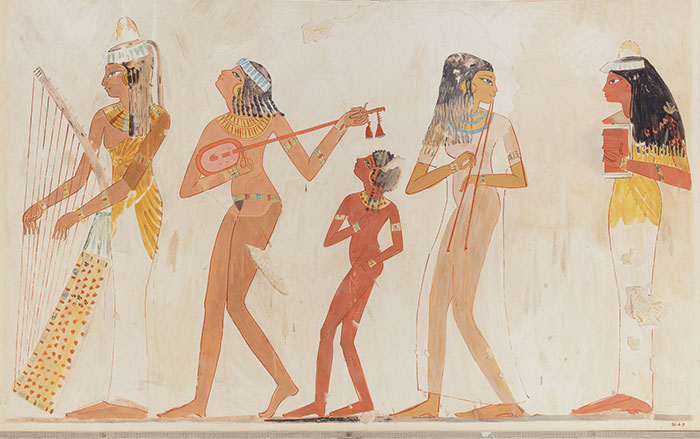
Accompanying the Afterlife
More to Discover
Features July/August 2026
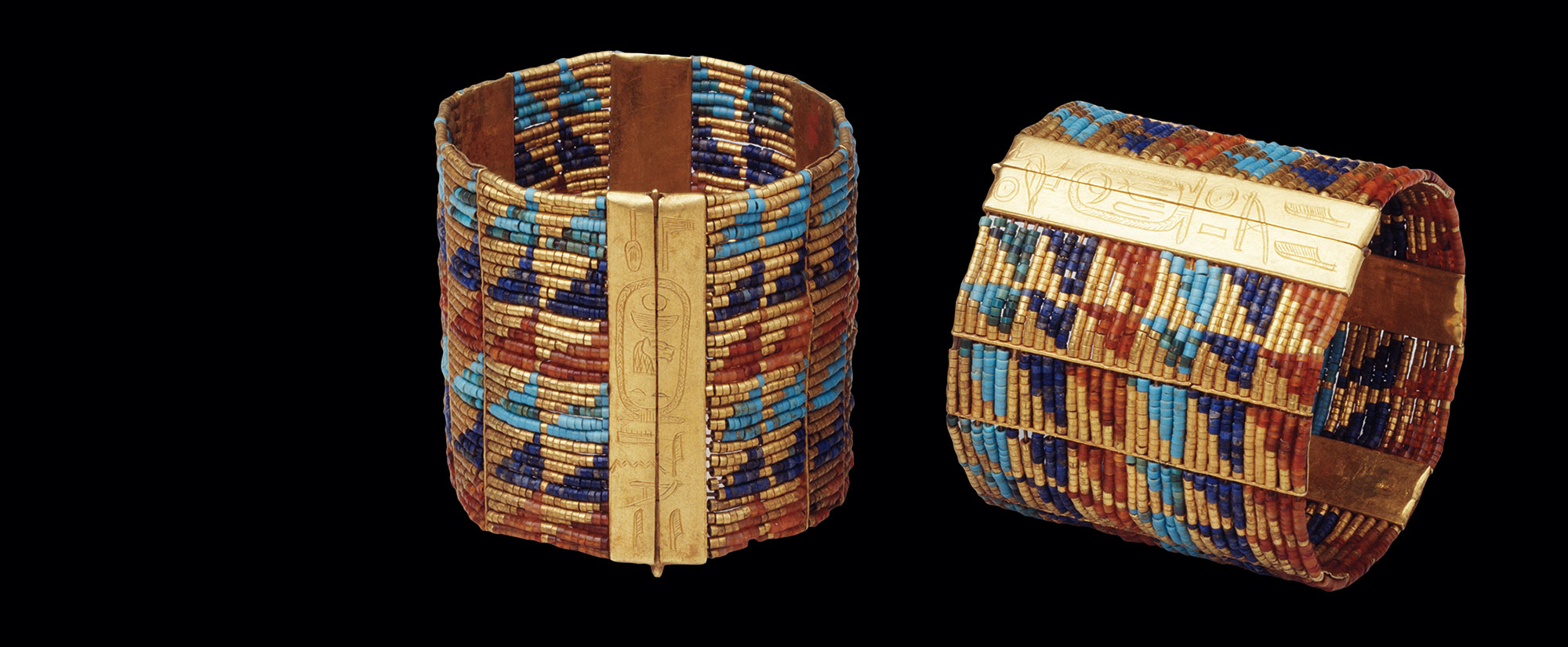
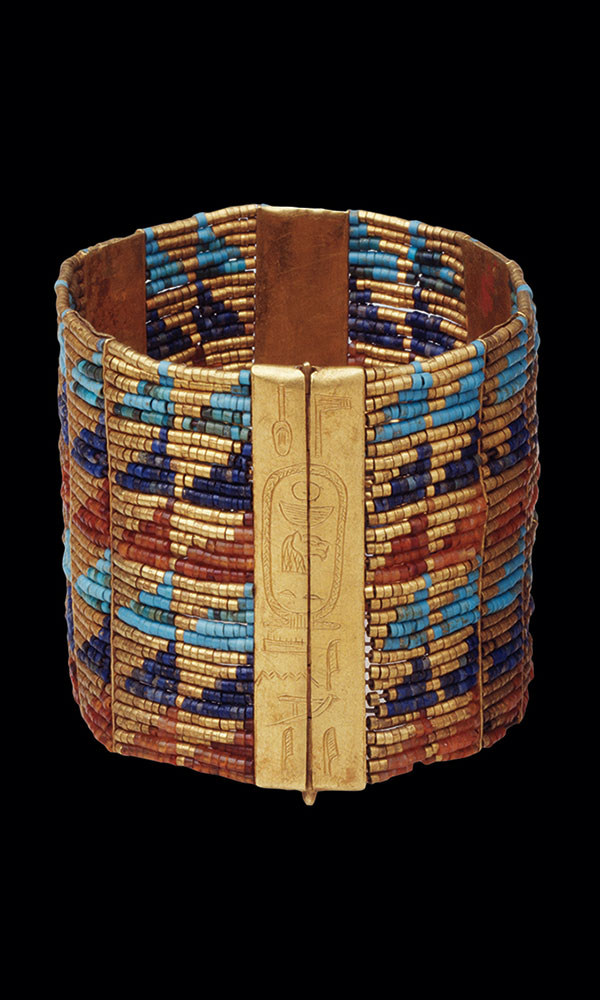
Egypt's First Queen
How a trailblazing ruler pulled her realm back from the brink
-
Features July/August 2026
Secrets of the Serpent
Is a Native American origin story embedded in Ohio’s colossal earthwork?
 Timothy E. Black
 -
Features July/August 2026
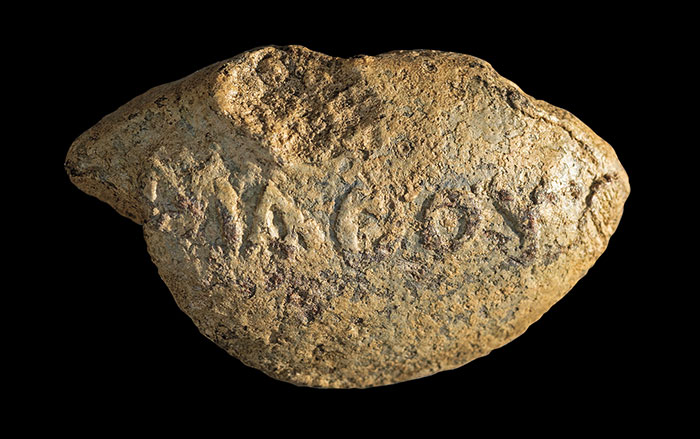
Slinging Insults
Greek and Roman soldiers fired pointed barbs at their enemies
 Courtesy Michael Eisenberg
 -
Features July/August 2026
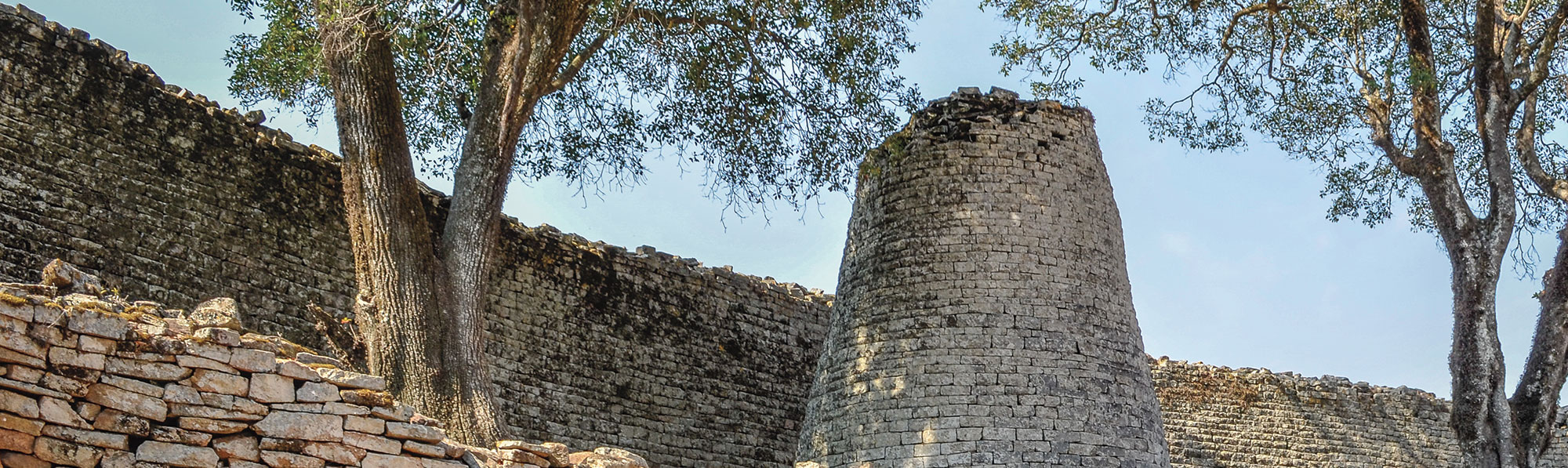
Inside Africa’s Houses of Stone
Archaeologists are rethinking how kings shared power beyond the great capitals of medieval Zimbabwe
 Ad/AdobeStock
 -
Features July/August 2026
Tennis, Anyone?
Discovering the origins of the peculiar racket game that swept sixteenth-century France
 © Denis Gliksman, Inrap