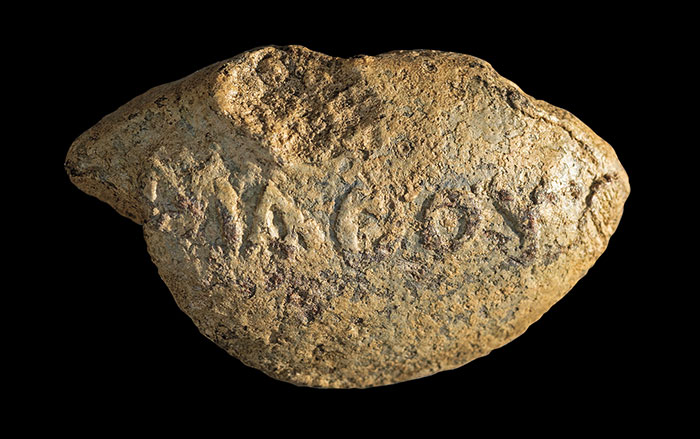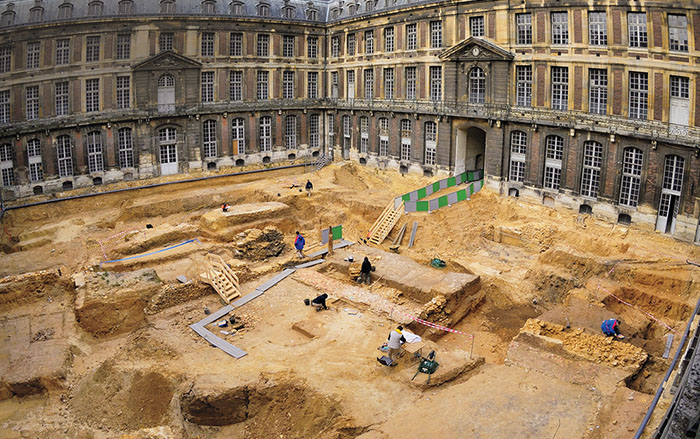
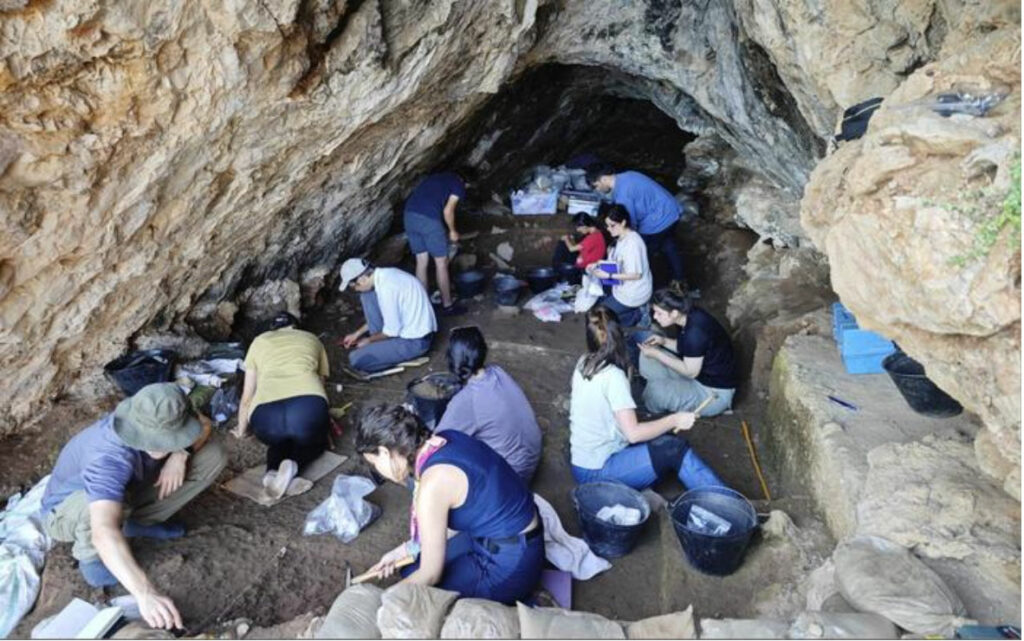
KYOTO, JAPAN—Modern humans and Neanderthals may have shared a common culture over a period of some 20,000 years, Live Science reports. An international team of researchers excavated Üçağizlı II Cave in southern Turkey and uncovered evidence that the two species used the same space, had similar hunting and gathering strategies, and shared the same tool technologies. Dating of sediments where Neanderthal and modern human remains were recovered indicates that Neanderthals used the space between about 77,000 and 59,000 years ago, and modern humans from about 59,000 to 47,000 years ago. Both species collected raw materials from the same sources, and both groups hunted wild goats, fallow deer, roe deer, and wild boar. The study also suggests that Neanderthals and modern humans both collected a specific marine seashell that had little food value. This shell had previously been associated with modern humans alone, and had been thought to have been used as an ornament or symbol. “Our findings indicate a deep level of cultural interaction,” said Naoki Morimoto of Kyoto University. “These two distinct but closely related human groups were not just adapting to the same environment: they were probably sharing symbolic preferences,” she added. The two groups may have therefore lived in the same region, had contact with each other, and shared cultures, the researchers concluded. To read about other evidence for Neanderthal culture, go to "Neanderthal Fashion Statement."