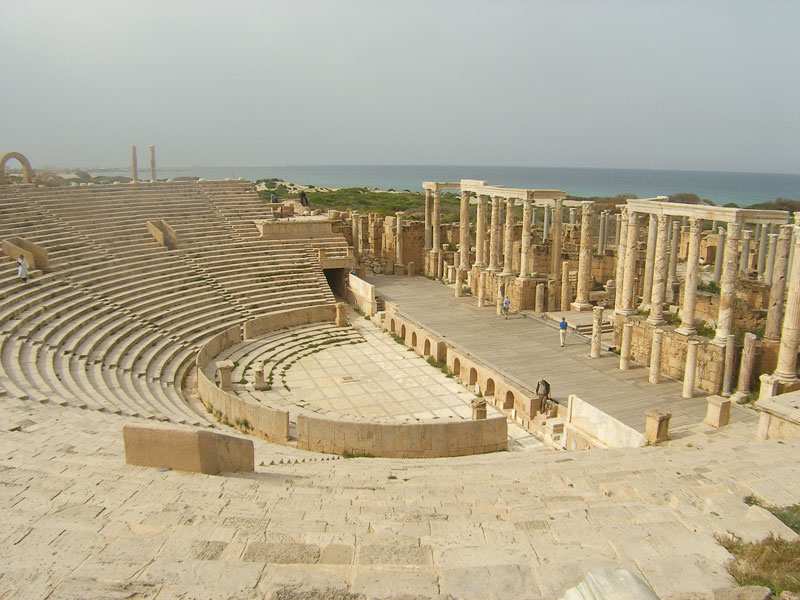
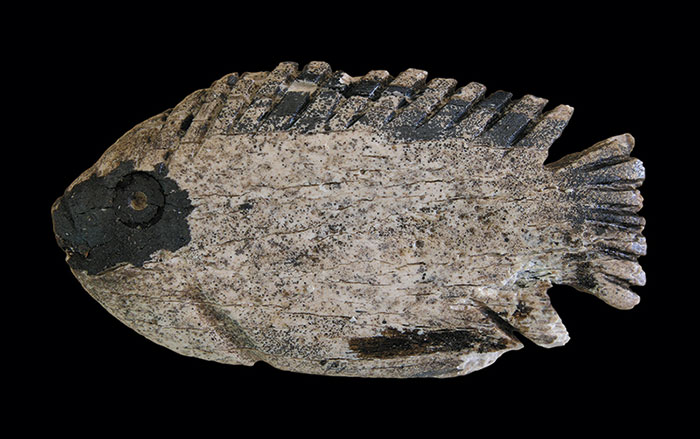
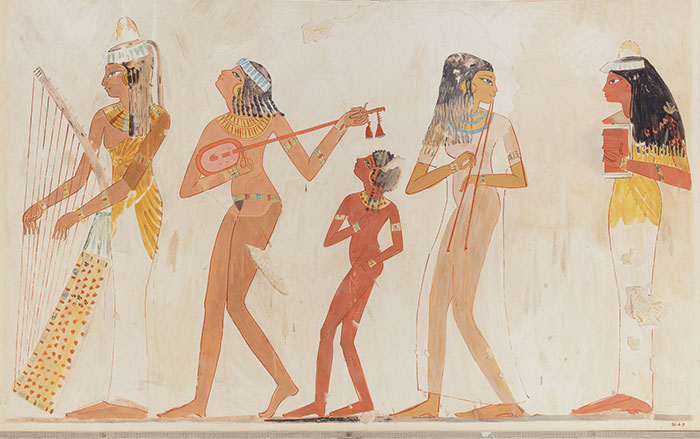
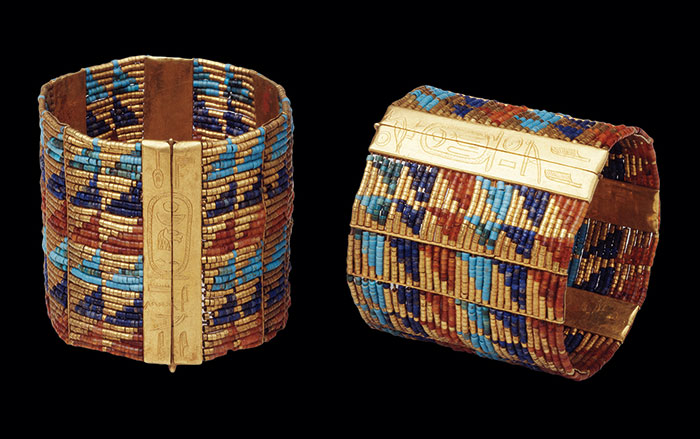
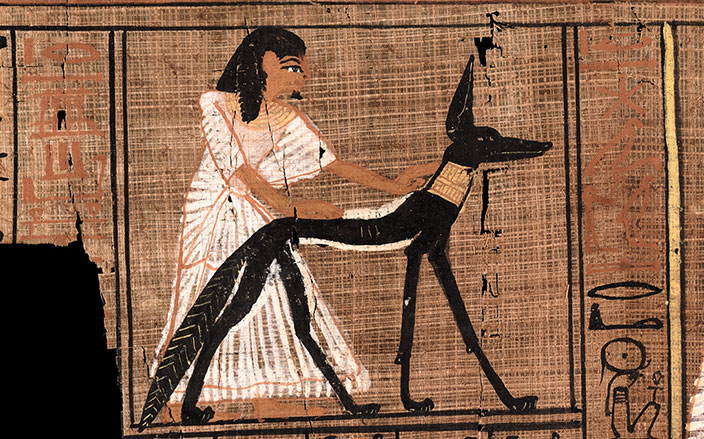
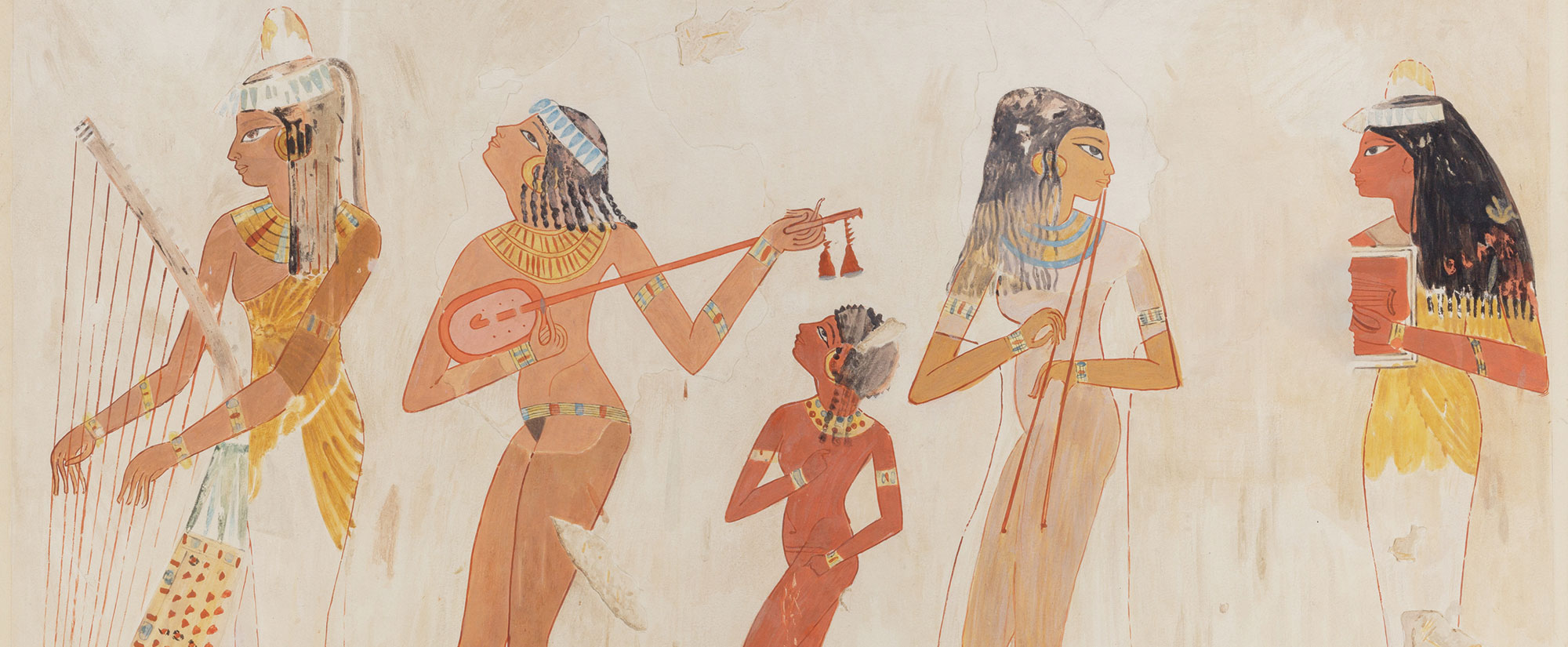
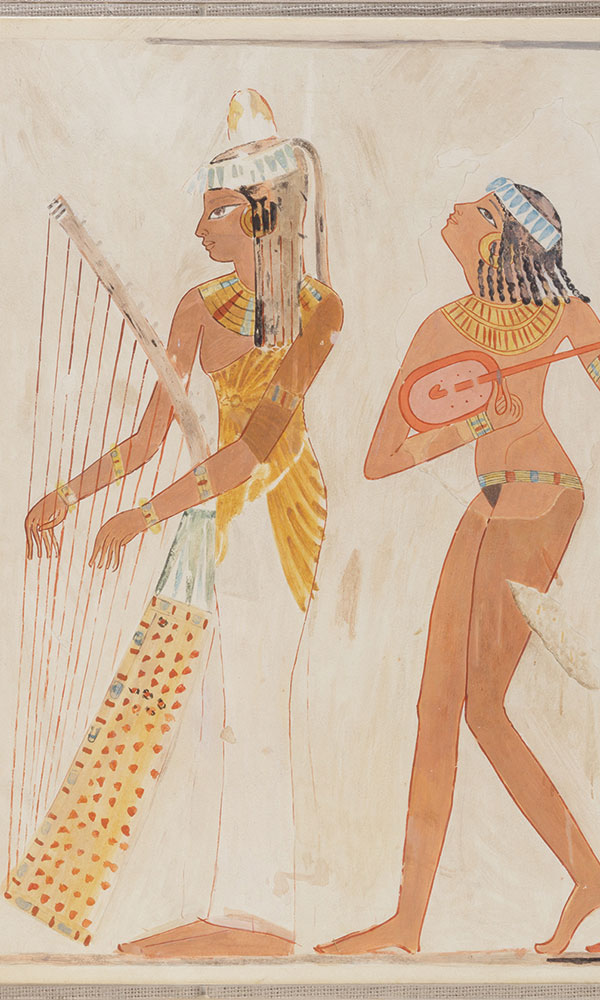
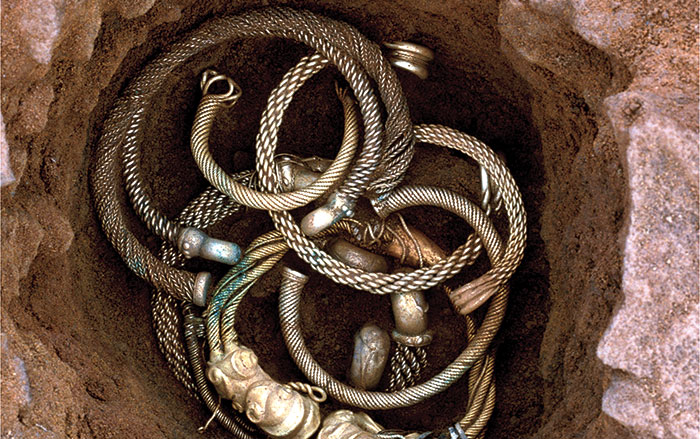
Years from now, when we look back on 2011, the year will almost certainly be defined by political and economic upheaval. At the same time that Western nations were shaken by a global economic slump, people in the Middle East and North Africa forcefully removed heads of state who had been in power for decades. “Arab Spring,” as the various revolutions have collectively been named, will have far-reaching implications, not just for the societies in which it took place, but also for archaeology. No year-end review would be complete without polling archaeological communities in the affected areas to determine whether sites linked to the world ’s oldest civilizations, from Apamea in Syria to Saqqara in Egypt, are still intact.
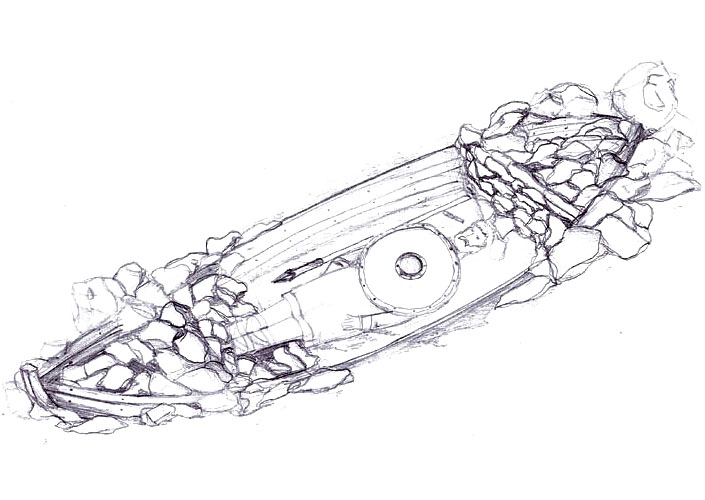
Of course, traditional fieldwork took place in 2011 as well. Archaeologists uncovered one of the world ’s first buildings in Jordan. In Guatemala, a Maya tomb offered rare evidence of a female ruler, and, in Scotland, a boat was found with a 1,000-year-old Viking buried inside.
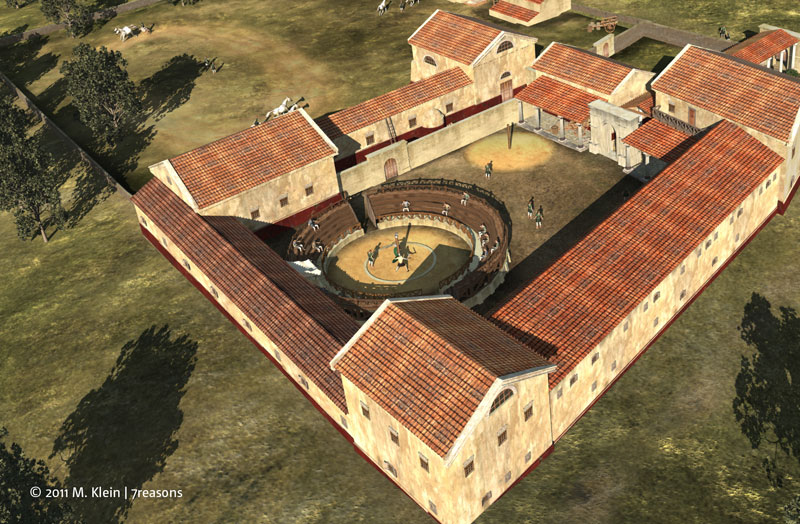
We also witnessed the impact that technology continues to have on archaeol- ogy. Researchers used a ground-penetrating radar survey of the site of a Roman gladiator school to create digital model of what it may once have looked like. And scientists studying an early hominid have taken their investigation online by tapping the blogging community. The team is seeking help to determine if they have actually found a sample of fossilized skin that appears to be more than 2 million years old. These projects stand as clear evidence that as cultures around the world undergo sweeping changes, so too does the practice and process of archaeology.
-
-
-
-
-
-
-
-
-
Top 10 Discoveries of 2011 January/February 2012
Atlantic Whaler Found in Pacific
French Frigate Shoals, Hawaii

-
Top 10 Discoveries of 2011 January/February 2012
Arab Spring Impacts Archaeology
Libya/Egypt/Tunisia/Syria