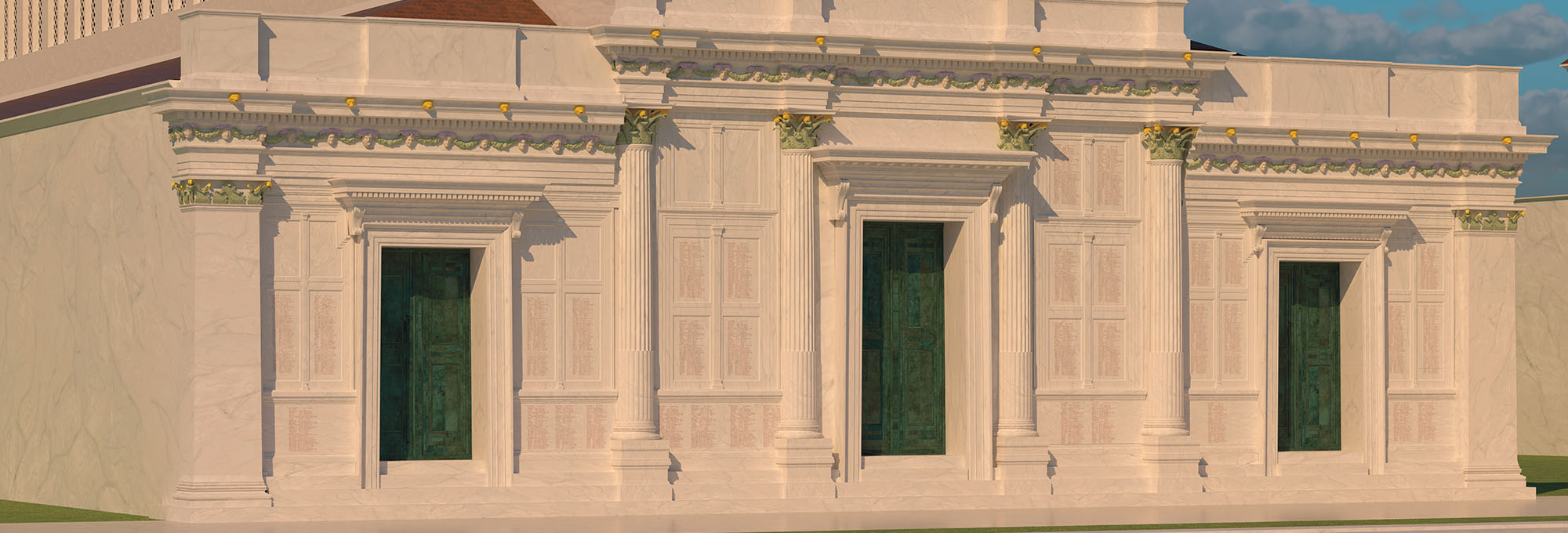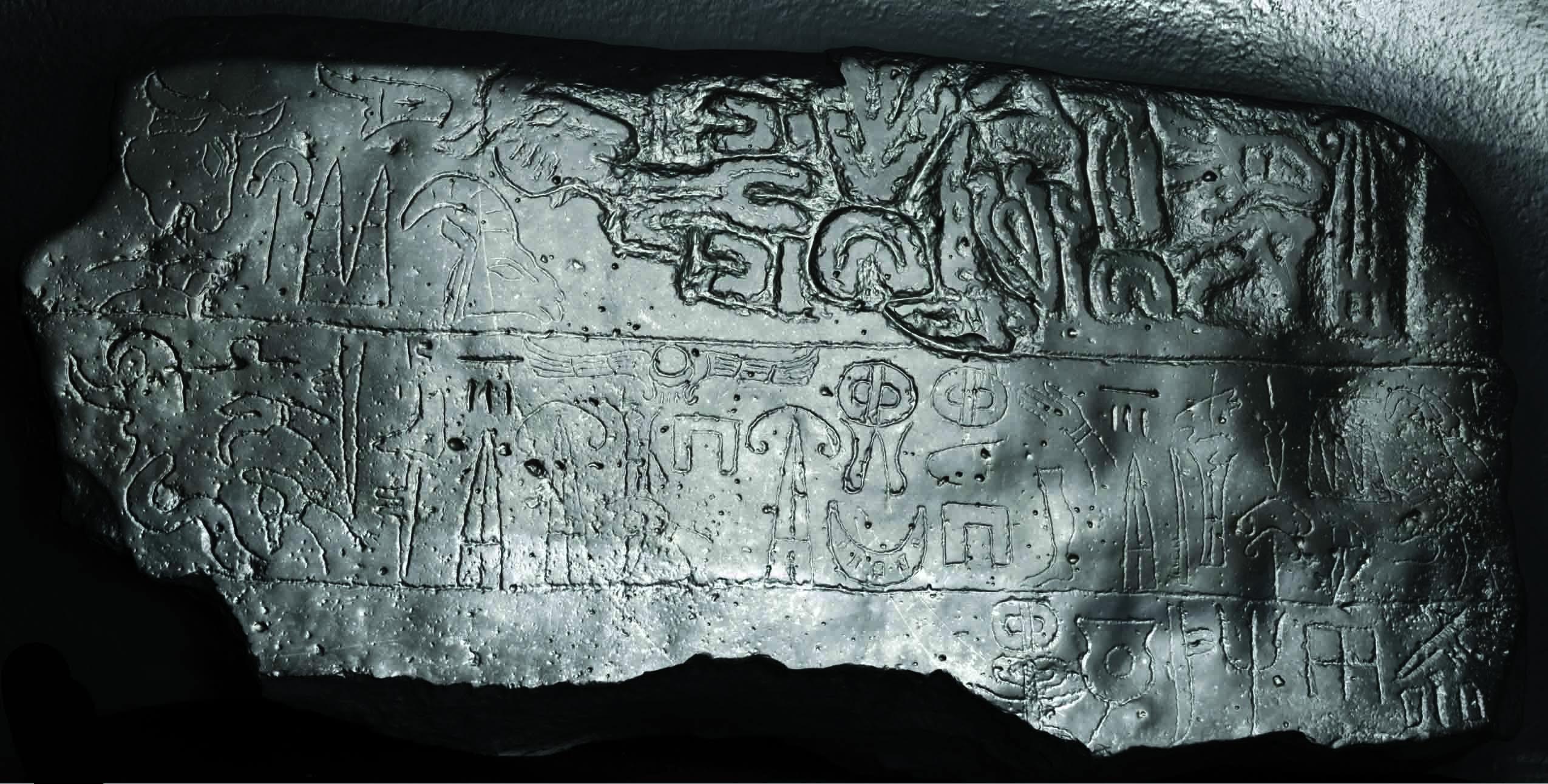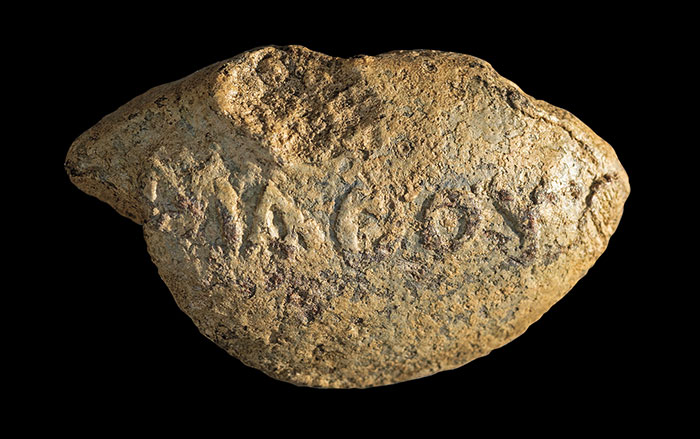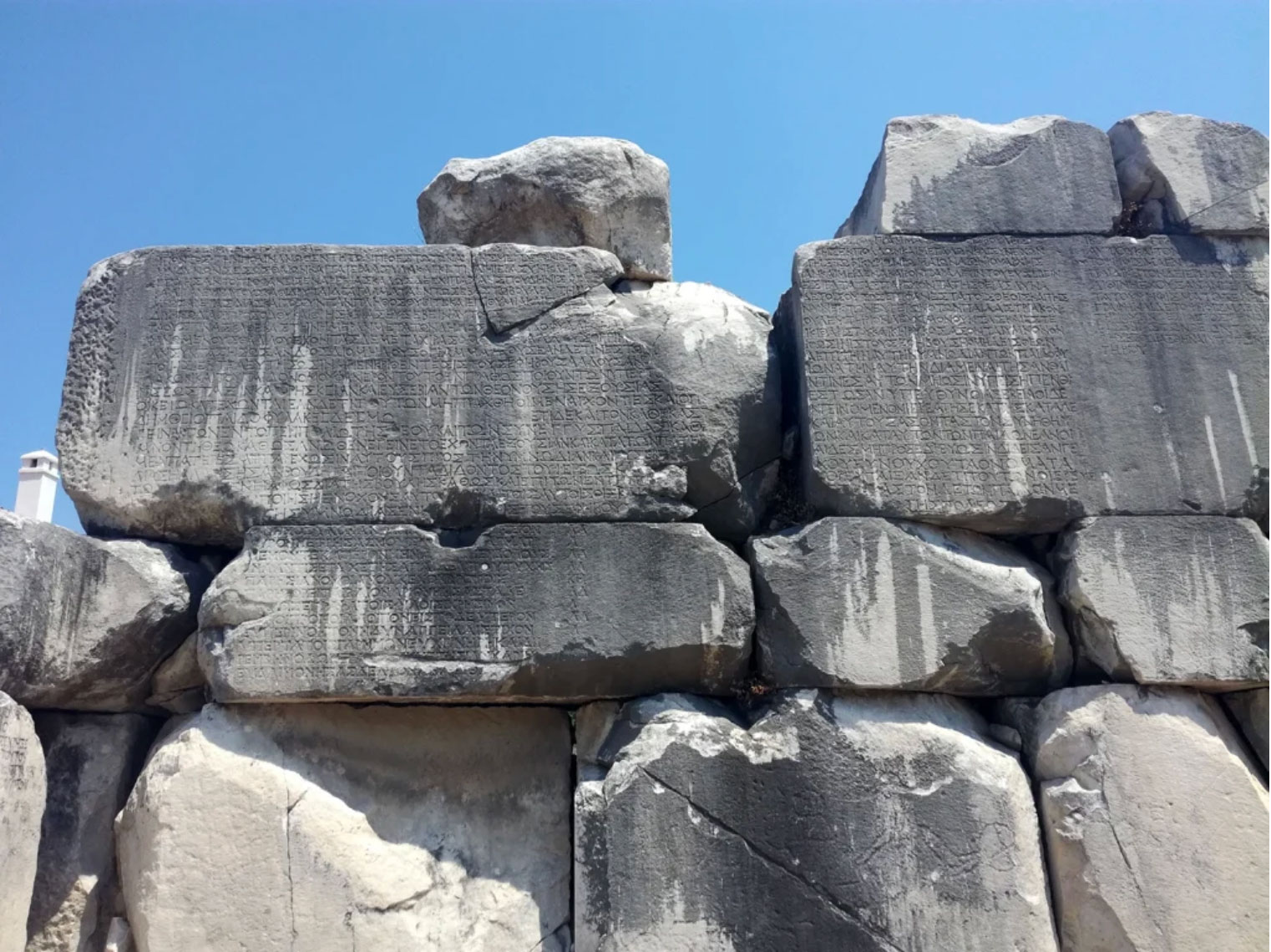
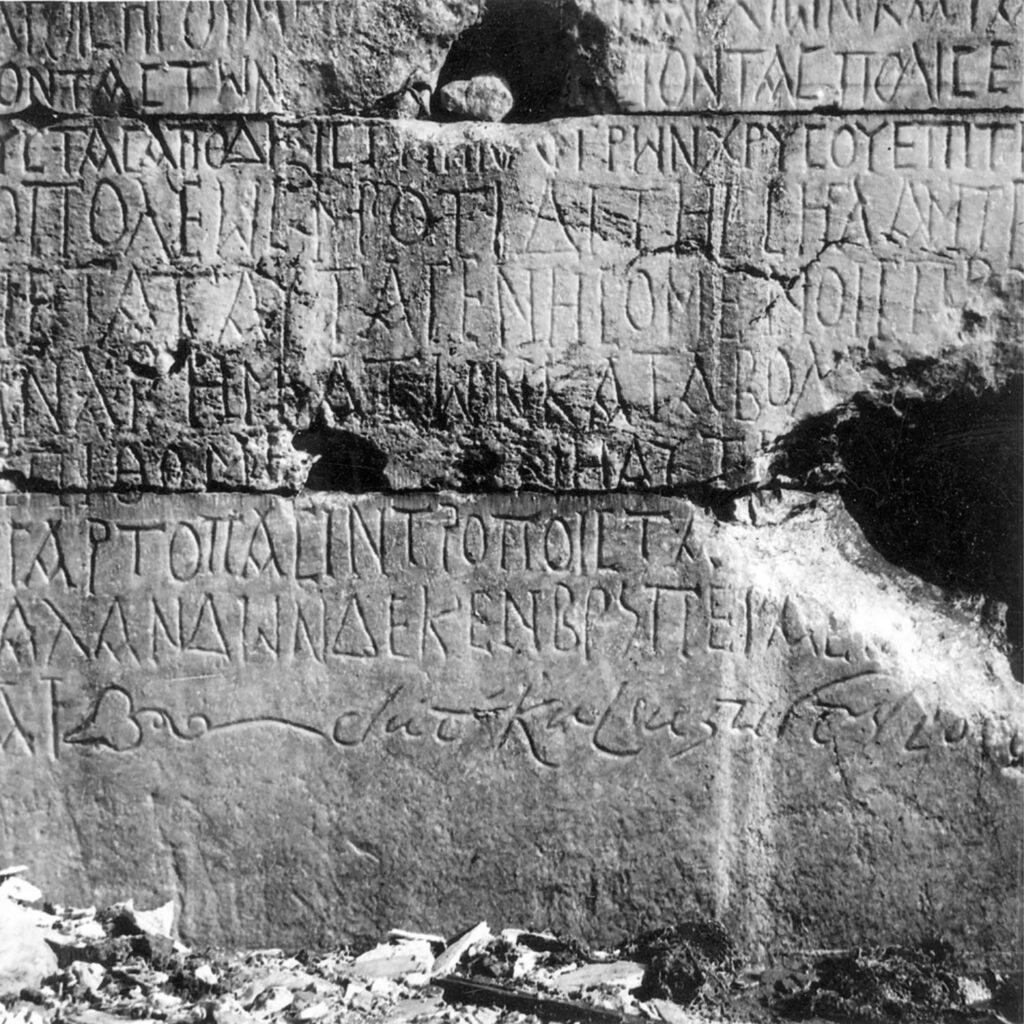
STRATONICEA, TURKEY—La Brújula Verde reports that fragments from a fifth-century a.d. inscription have provided new details about a late Roman–era tax scandal. Since the eighteenth century, archaeologists have known about sections of the legal document from copies that had once been displayed in ancient Anatolian cities. Analysis of newly found pieces from the city of Stratonicea in the Roman province of Caria have helped fill in some of the missing pieces. For a period of 15 years, corrupt Carian tax collectors were underreporting the amount of money they had obtained to government officials and pocketing the difference, thereby making themselves wealthy men. After news of these offenses reached the capital of Constantinople, a decree was issued on August 1, a.d. 480 by Flavius Illus Pusaeus Dionysius, praetorian prefect of the East. The order called for a special commissioner to be sent to the region to resolve the issue within a strict deadline of three months. Punishment for those that were guilty of fraud was death, a somewhat draconian measure at the time. Other contemporary records suggest that the usual sanctions for such offenders only involved heavy fines. To read about a case of tax evasion in Roman Judea, go to "Law & Order," and read more about how taxes funded the rise of past empires in "Ancient Tax Time."