

Features From the Issue
-
 © Araldo De Luca
 -
Features
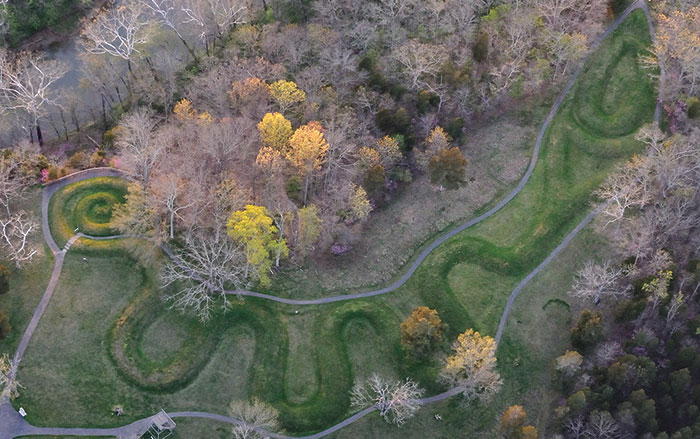
Secrets of the Serpent
Is a Native American origin story embedded in Ohio’s colossal earthwork?
 Timothy E. Black
 -
 Courtesy Michael Eisenberg
 -
Features
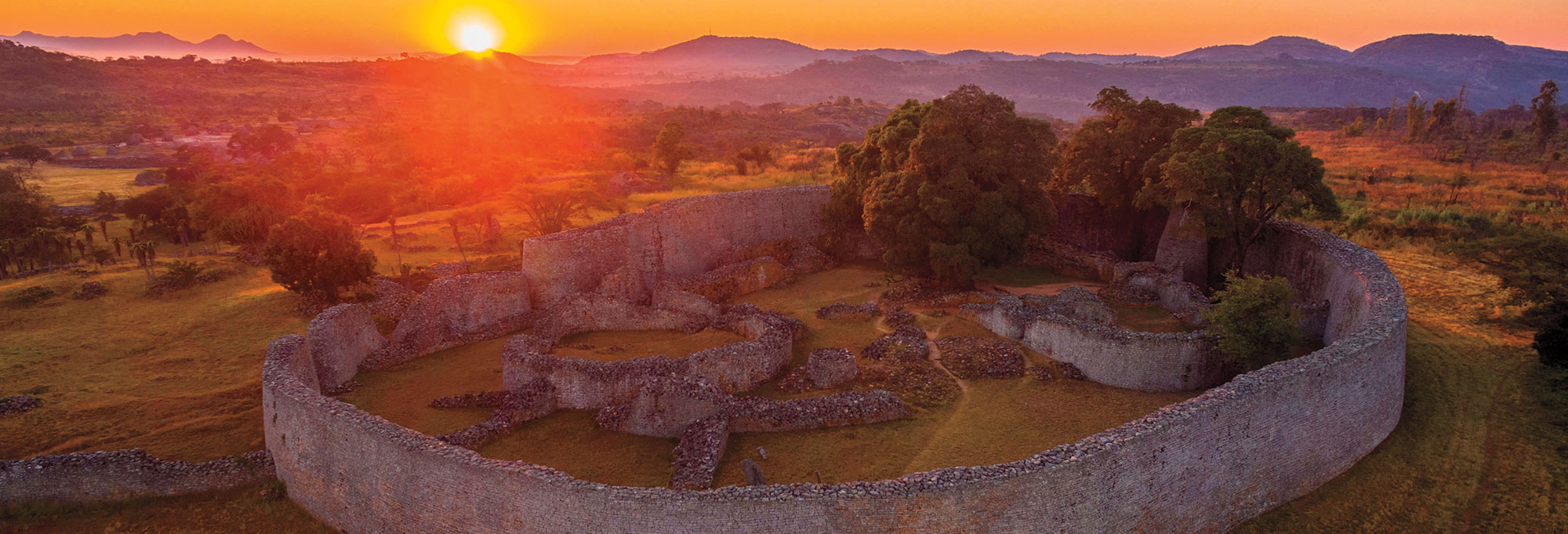
Inside Africa’s Houses of Stone
Archaeologists are rethinking how kings shared power beyond the great capitals of medieval Zimbabwe
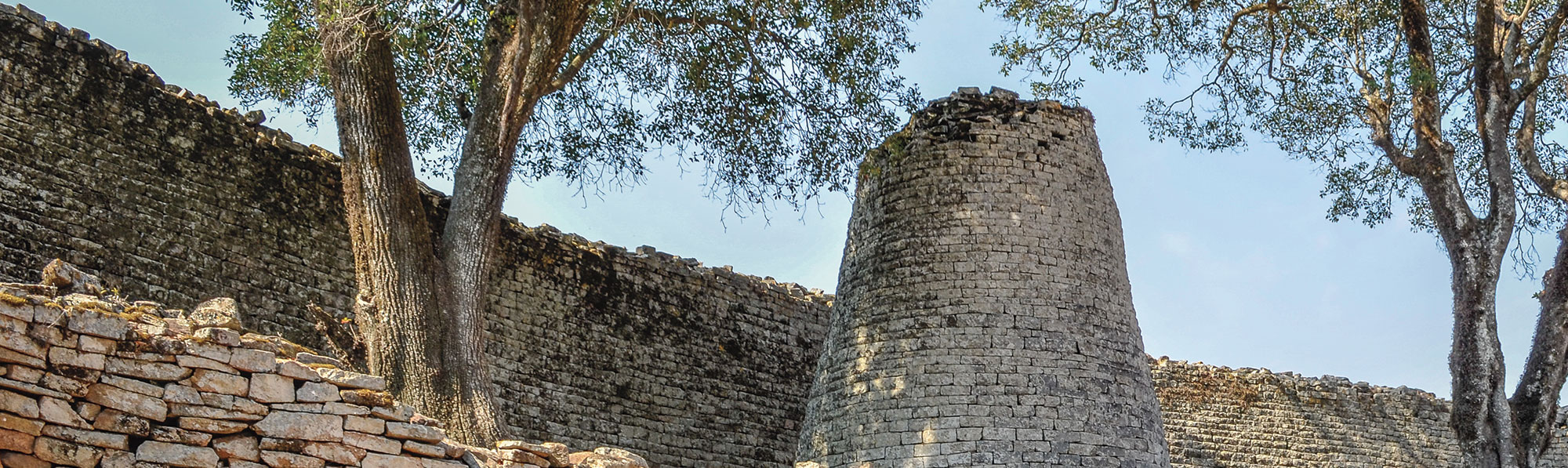 Ad/AdobeStock
 -
Features
Tennis, Anyone?
Discovering the origins of the peculiar racket game that swept sixteenth-century France
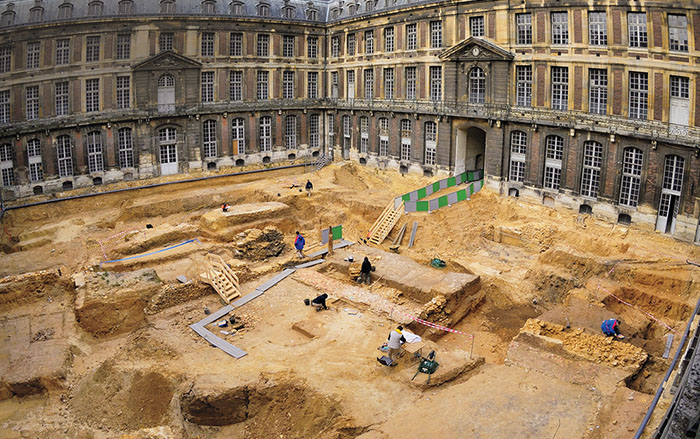 © Denis Gliksman, Inrap
Letter from Boston
Letter from Boston
In the Shadow of Bunker Hill
The forgotten lives of the townspeople who lost everything in the early days of the American Revolution
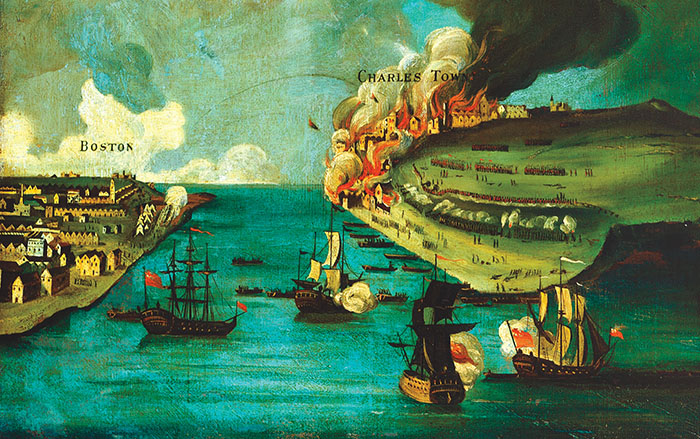
Artifact
Artifacts
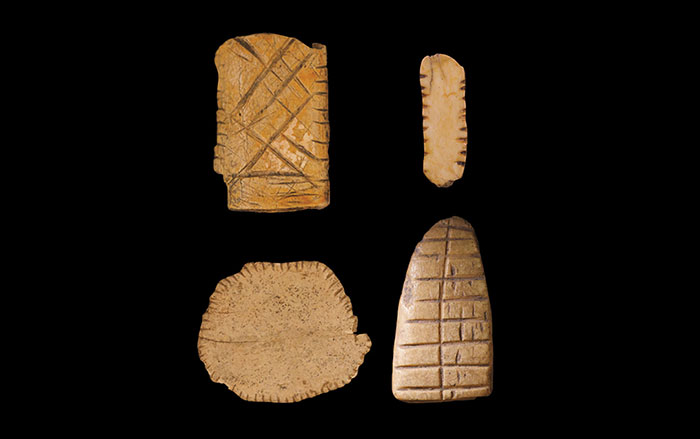
Native American Dice
About 12,000 years ago, Indigenous people started playing high-stakes games of chance
Digs & Discoveries
-
Digs & Discoveries
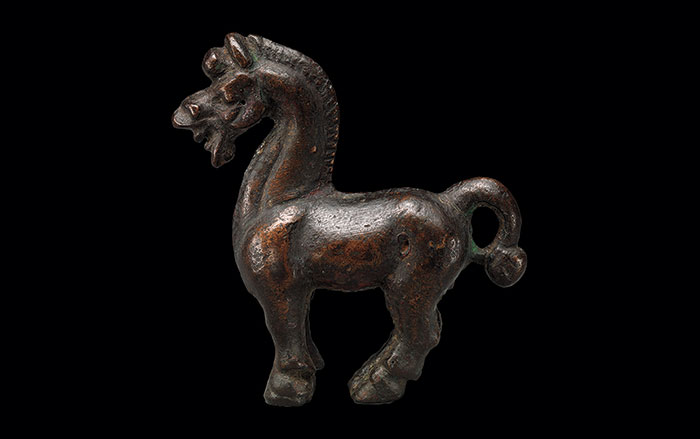
Ancient China’s “Pony Express”
Han Dynasty postal horses had hard lives but evocative names—meet Wandering Hawk, Podgy and Lumpy, and Mr. Red Horse
 The Metropolitan Museum of Art, New York/Gift of George D. Pratt, 1928
 -
Digs & Discoveries
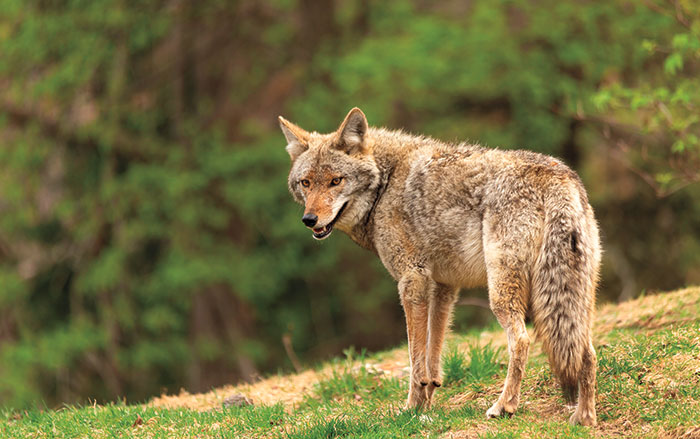
Coyote’s Quest
 Joe/AdobeStock
 -
Digs & Discoveries
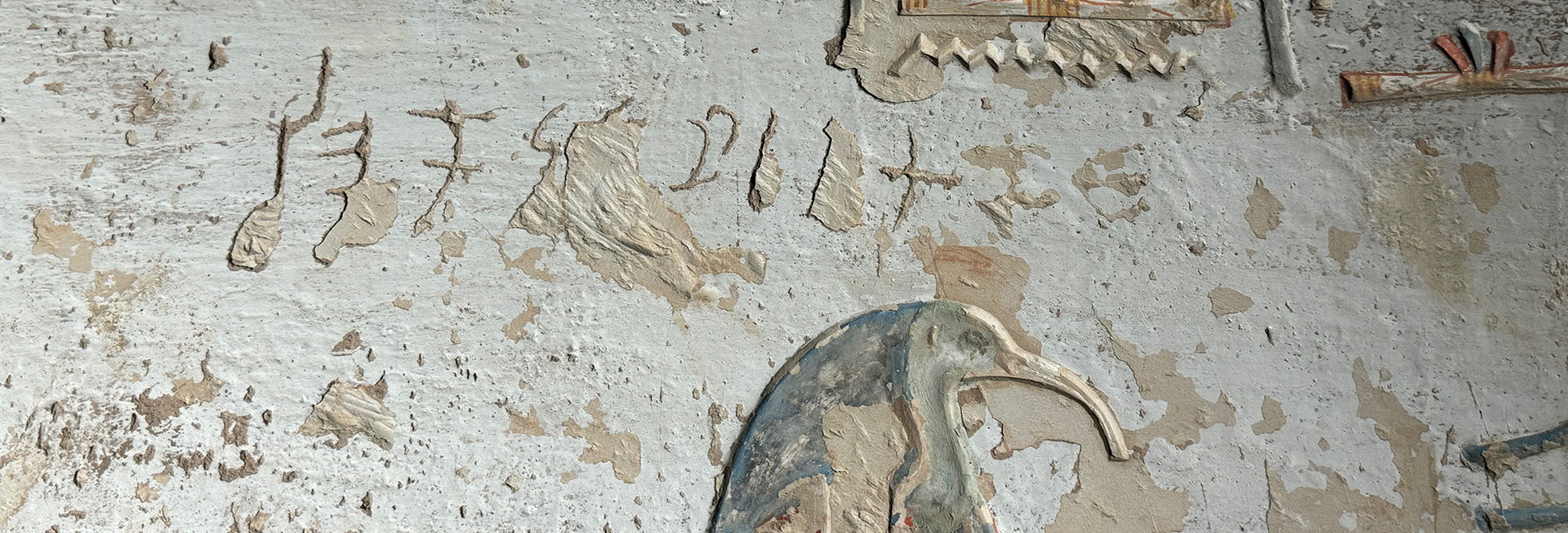
Tamil Tourists
 Ingo Strauch
 -
Digs & Discoveries
Put On Your Best Face
An opulent Roman villa hid a very peculiar staircase and an underground room for secret rites
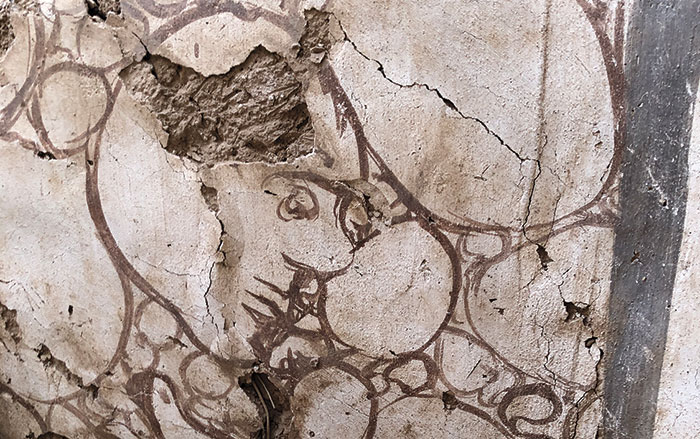 Courtesy R. R. R. Smith, Aphrodisias Excavations
 -
Digs & Discoveries
Viking Payday
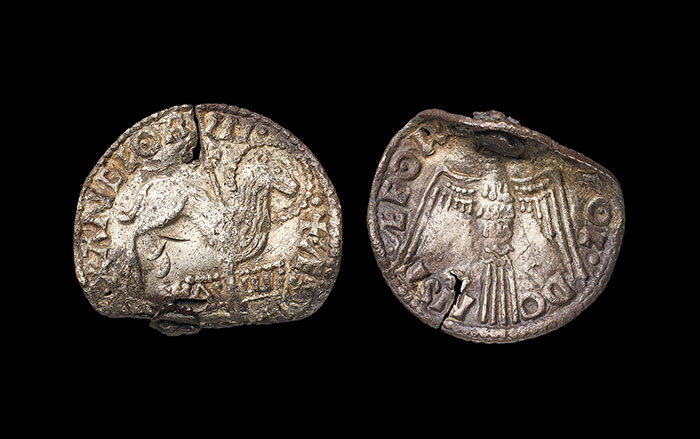 Photographs Søren Greve/National Museum of Denmark
 -
Digs & Discoveries
A Surprising Encounter
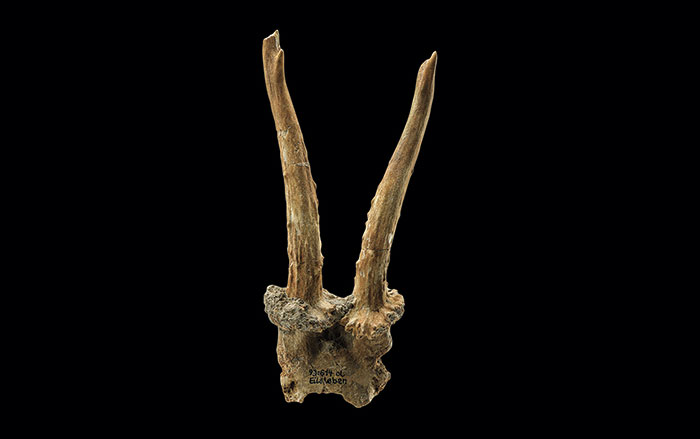 State Office for Heritage Management and Archaeology Saxony-Anhalt
 -
Digs & Discoveries
Hurry Up and Celebrate
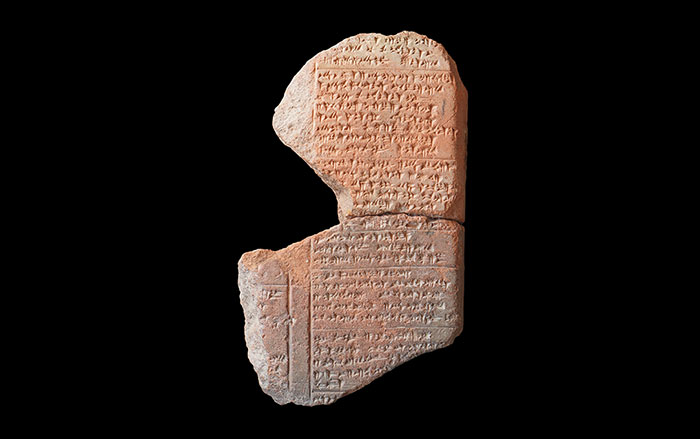 Hethitologie-Archiv Mainz
 -
Digs & Discoveries
Trimming the Fat
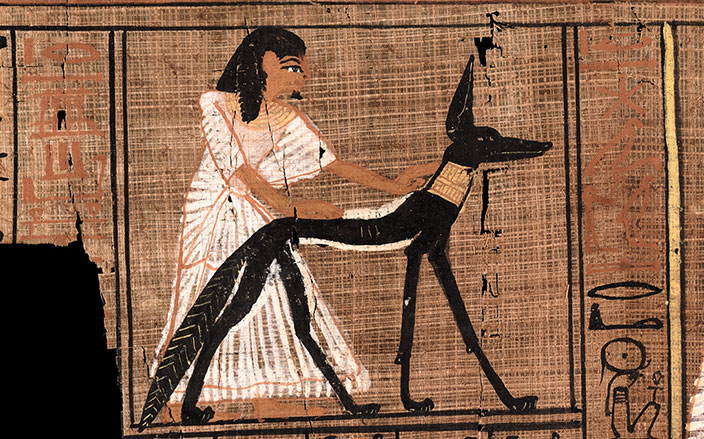 The Fitzwilliam Museum, University of Cambridge
 -
Digs & Discoveries
Aboriginal Animal Spotters
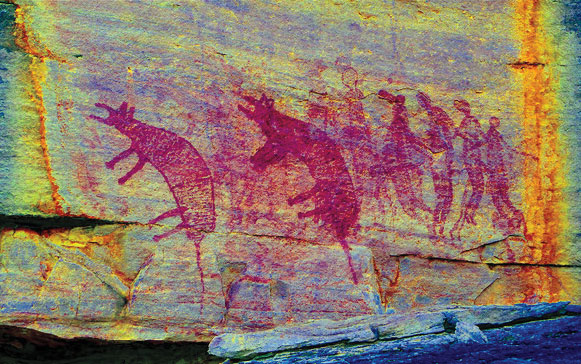 Joakim Goldhahn
 -
Digs & Discoveries
Cat Trails
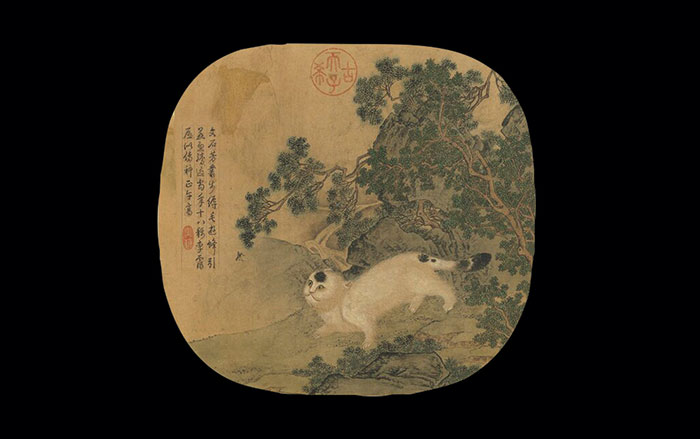 The National Palace Museum, Taipei, CC BY 4.0, www.npm.gov.tw
 -
Digs & Discoveries
Light in the Cave
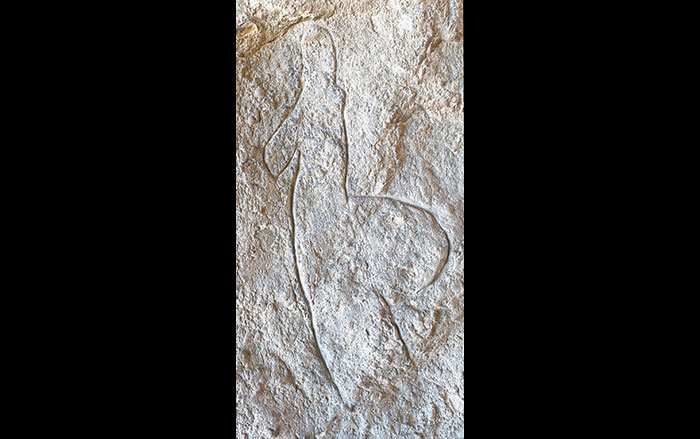 Courtesy Hesham Hussein
Off the Grid
Off the Grid July/August 2026
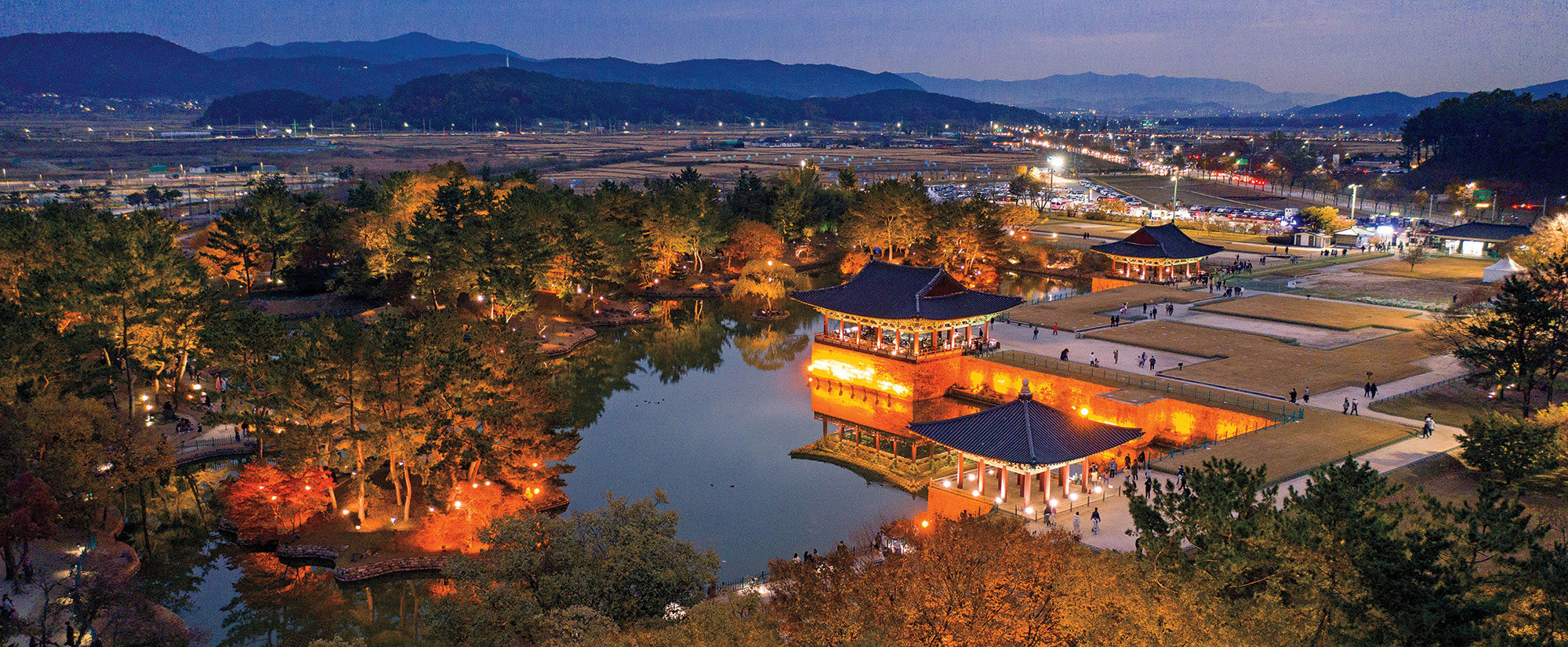
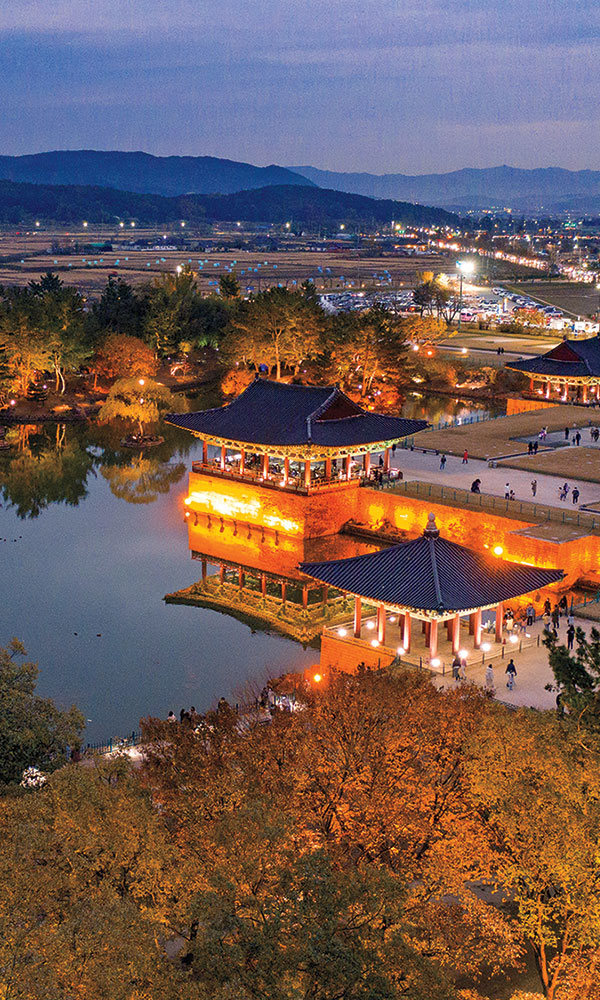
Donggung Palace and Wolji Pond, South Korea
Archaeologists encounter a palace of intrigues at one of medieval Asia’s most glorious capitals
Around the World
Explore
-
PERU
-
SENEGAL
-
GREECE
PERU
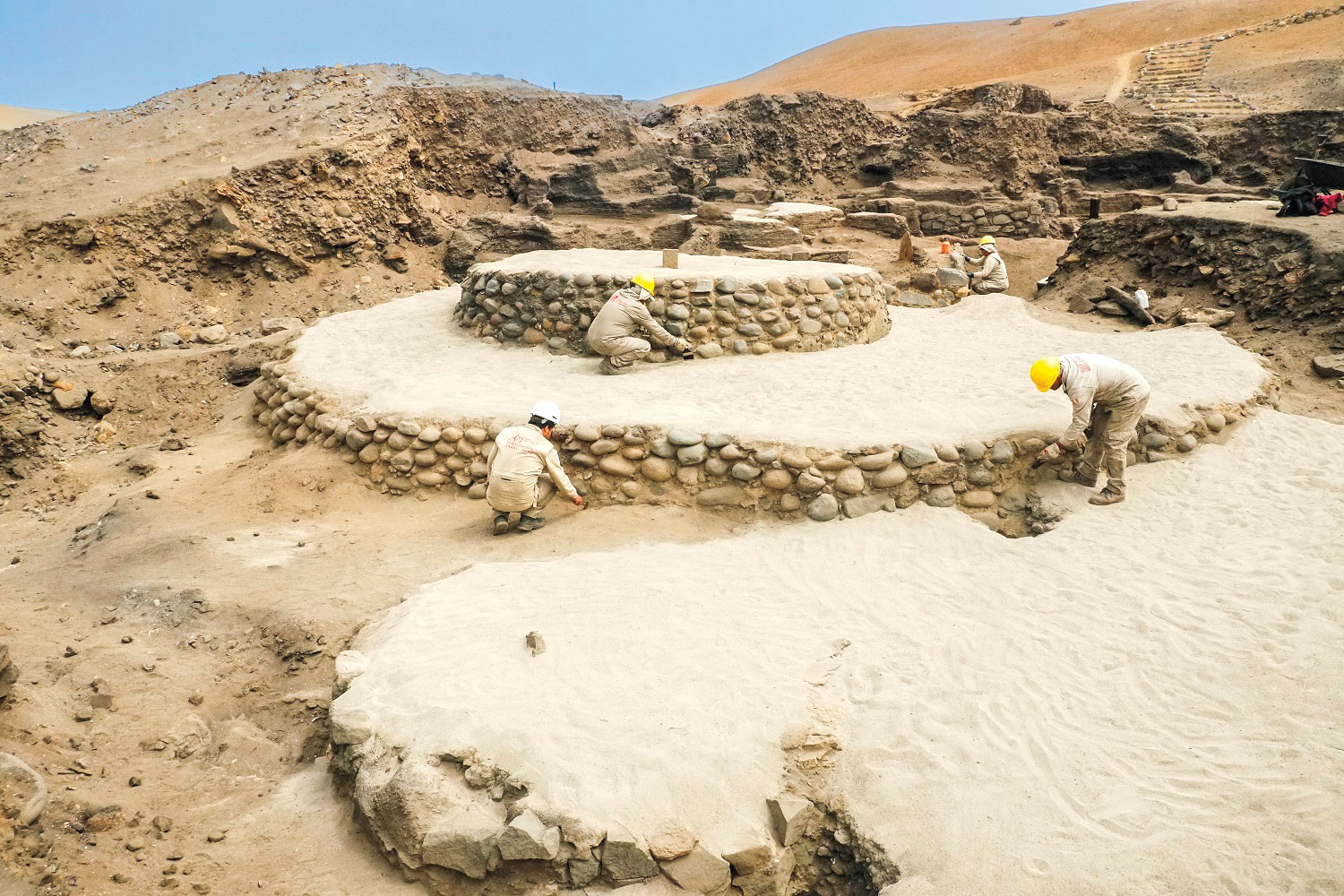
A newly unearthed enigmatic complex at the ancient coastal settlement of Áspero is believed to be an early astronomical observatory. The site was associated with the Caral culture, one of the oldest civilizations in the Americas, which flourished between 3000 and 1800 b.c. The complex consists of circular stone platforms from which ancient astronomers likely recorded the movements of the sun, moon, and stars. This helped Áspero’s inhabitants anticipate seasonal changes, plan fishing trips, and manage coastal resources.
Related Content
SENEGAL
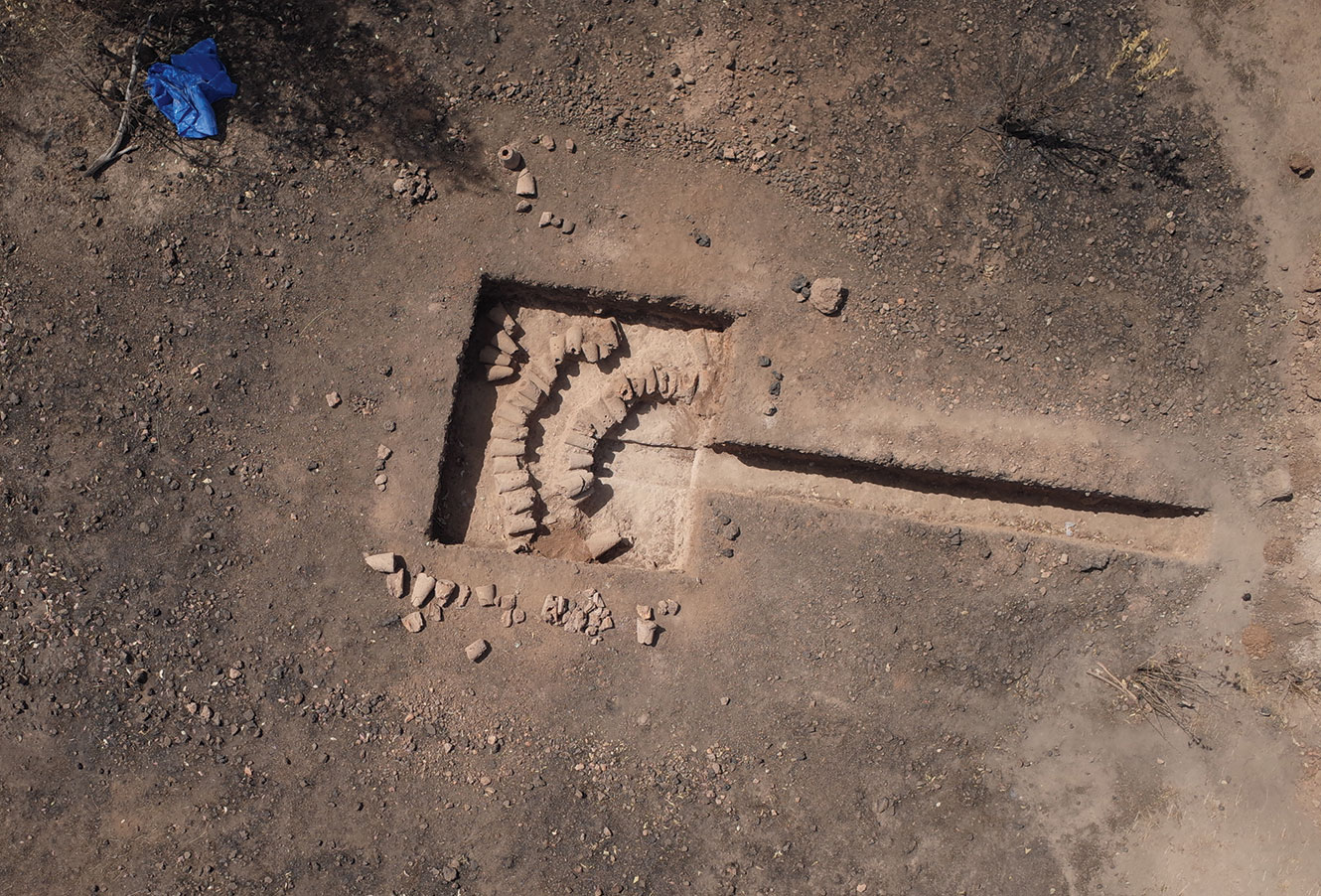
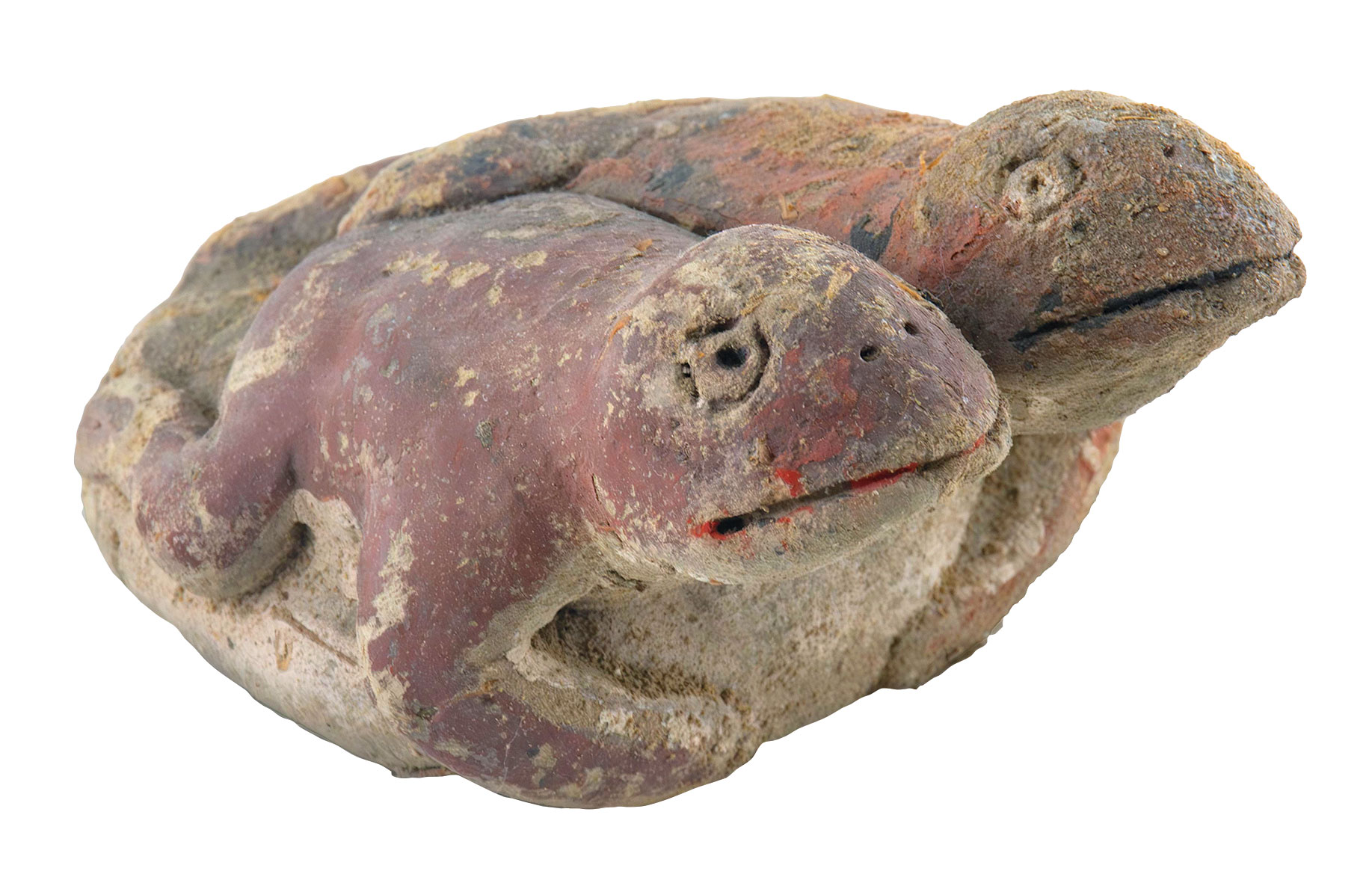
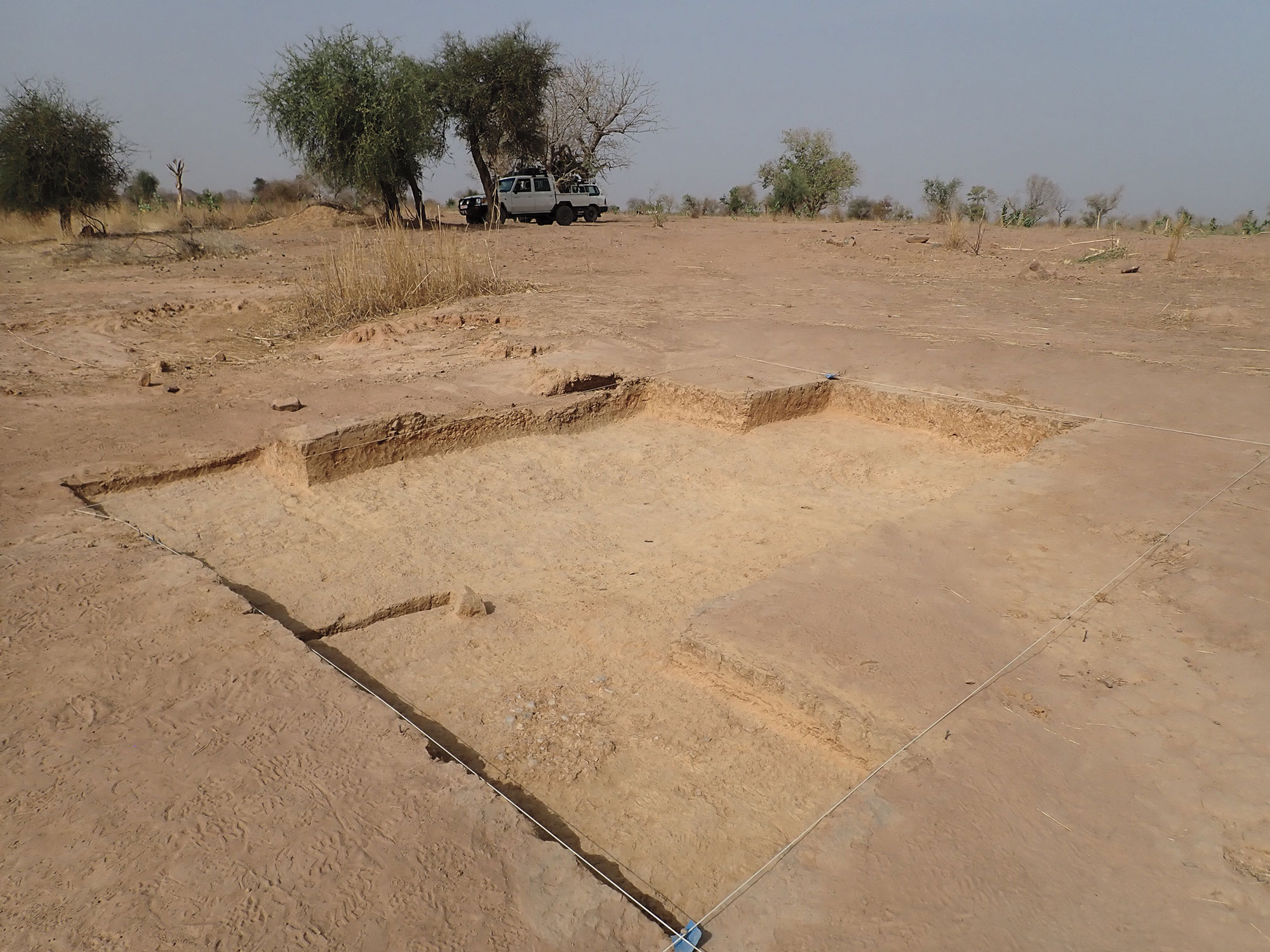
One of the oldest and best-preserved metalworking sites in West Africa recently provided new clues regarding the origin and spread of iron technology in the region. Archaeologists uncovered the remnants of 25 furnaces, 30 tuyeres, or air nozzles, and one ton of metal slag at eastern Senegal’s site of Didé West 1. The workshop likely produced agricultural tools used by local people between 400 b.c. and a.d. 400. Didé West 1’s 800-year history is noteworthy, as similar sites were typically occupied for only a few generations.
Related Content
Around the World November/December 2025
SENEGAL
GREECE
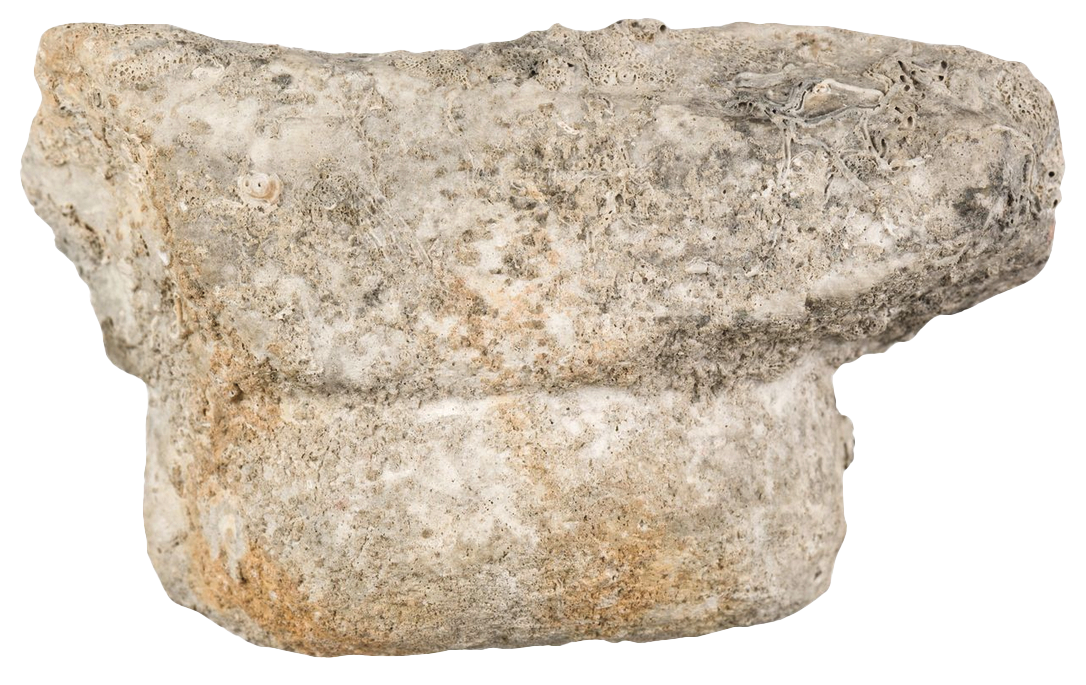
After Lord Elgin set sail for Britain from Greece in 1802 in a ship laden with sculptures from the Parthenon, the artworks were nearly lost forever. Elgin’s ship, Mentor, sank off the island of Kythera, sending the sculptures to the seafloor. Divers salvaged most of the items, but some of Mentor’s cargo has remained submerged. Archaeologists recently retrieved a small piece of decorative marble at the wreck site. It likely came from a relief located above one of the Parthenon’s columns.
Related Content
Slideshow: A Tennis-Crazed Land
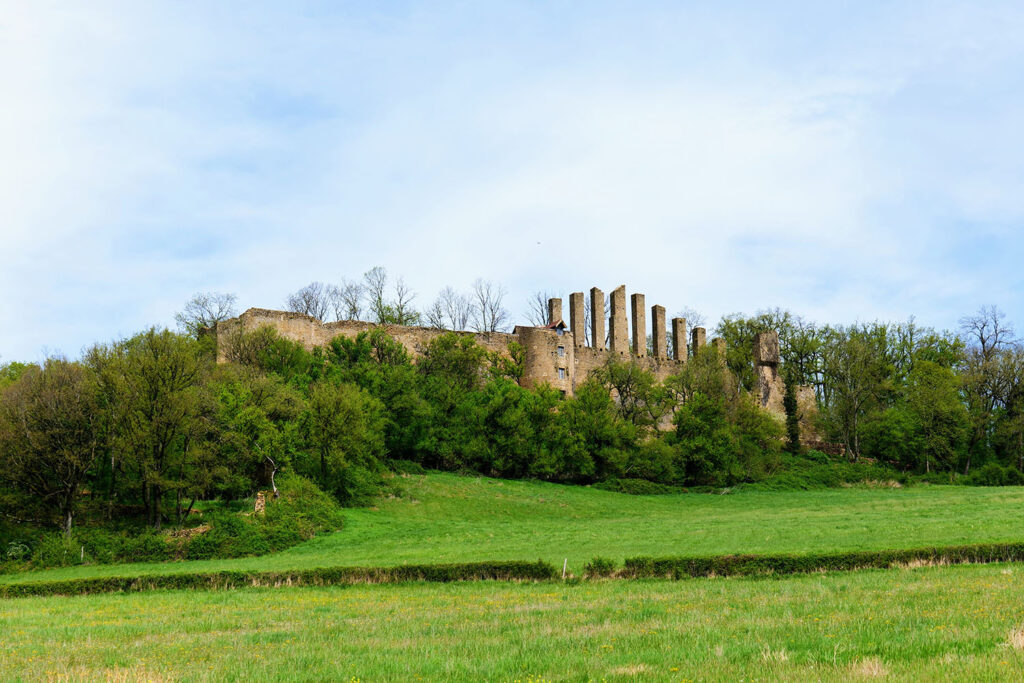
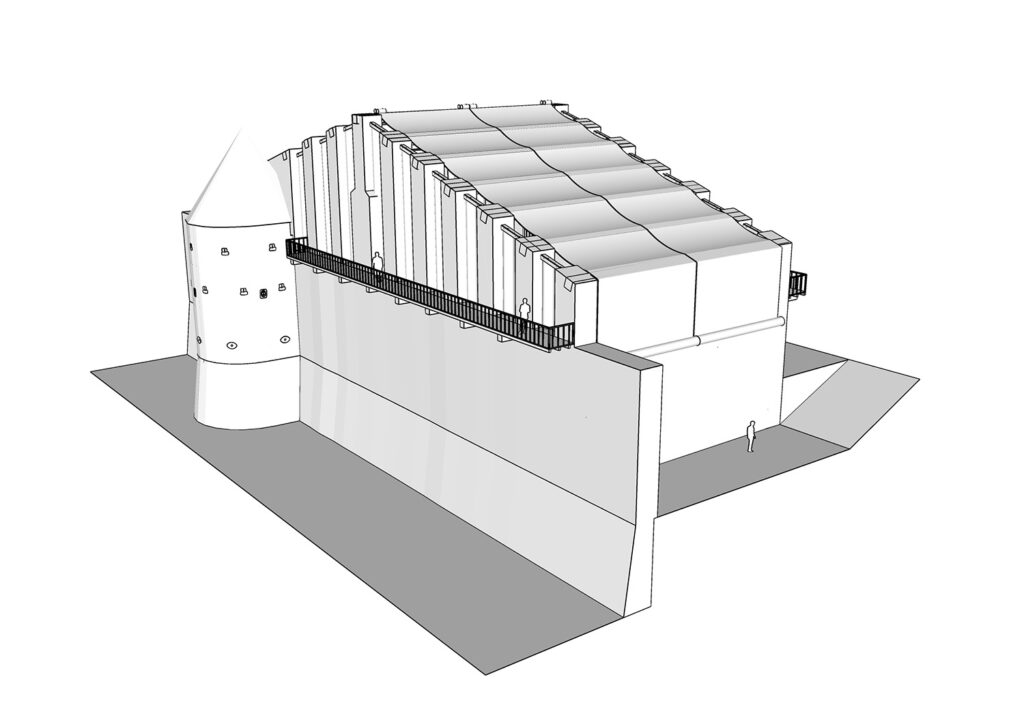
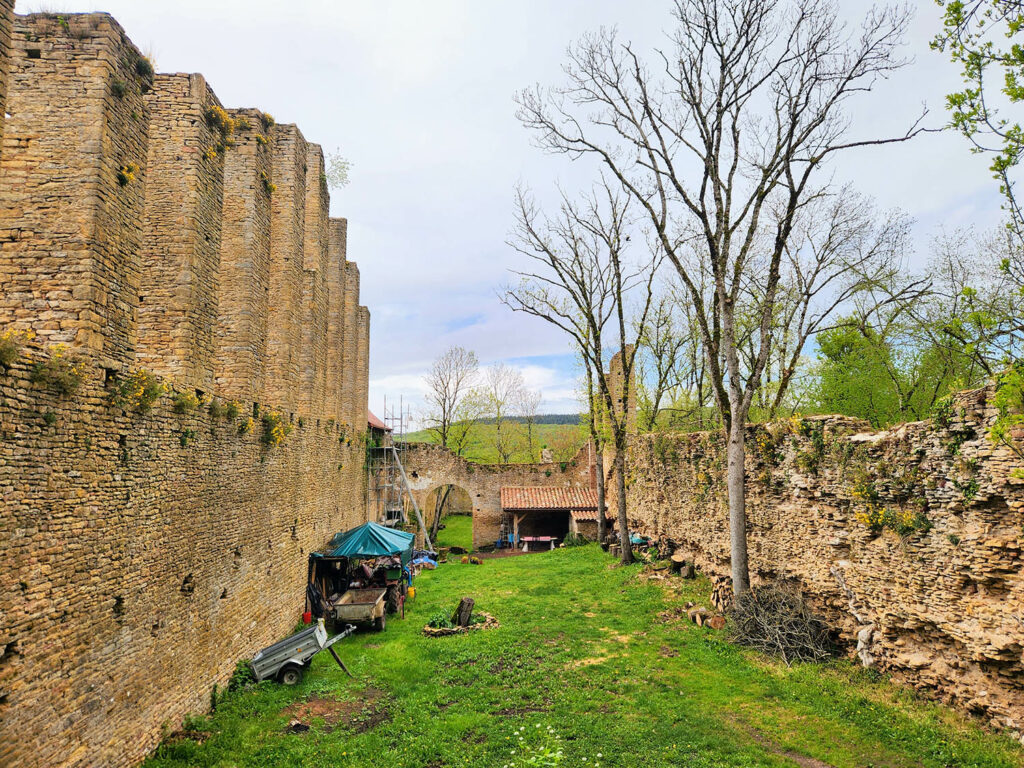
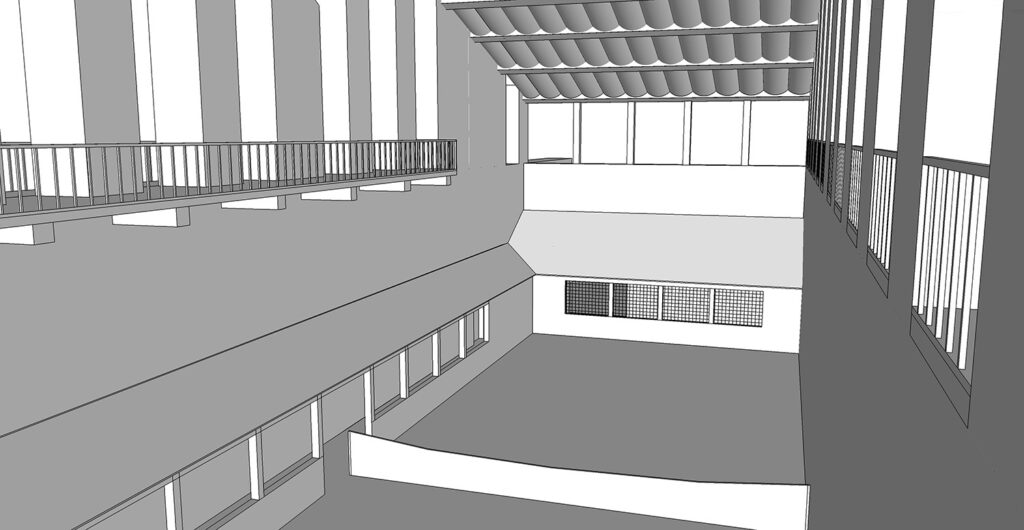
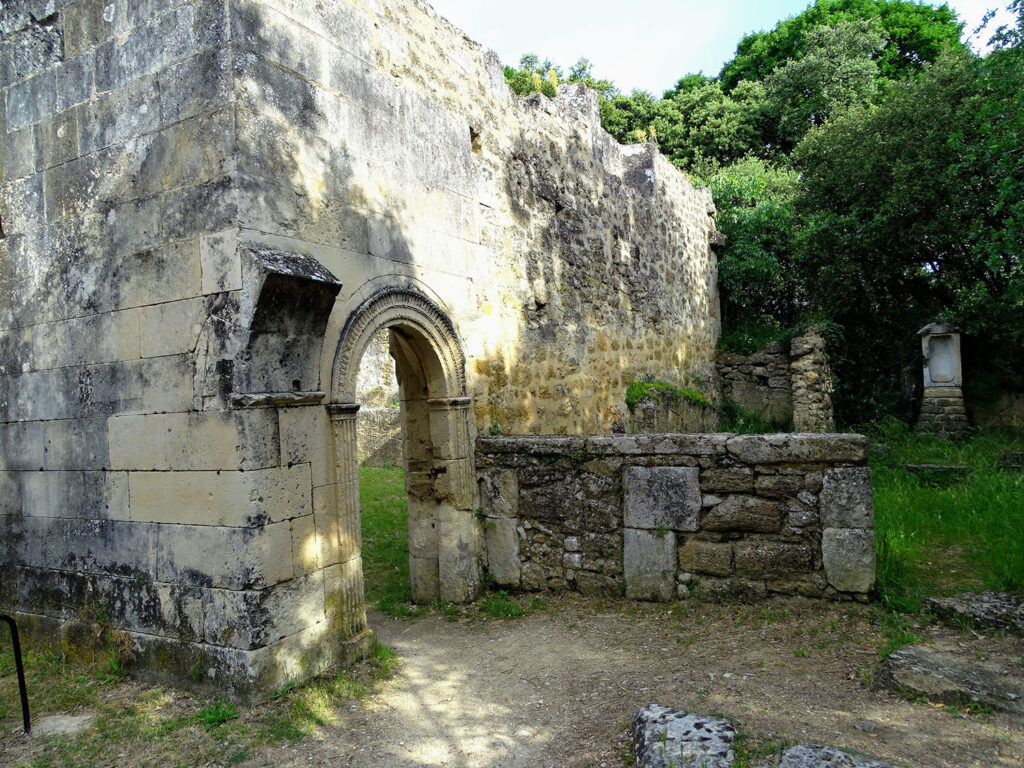
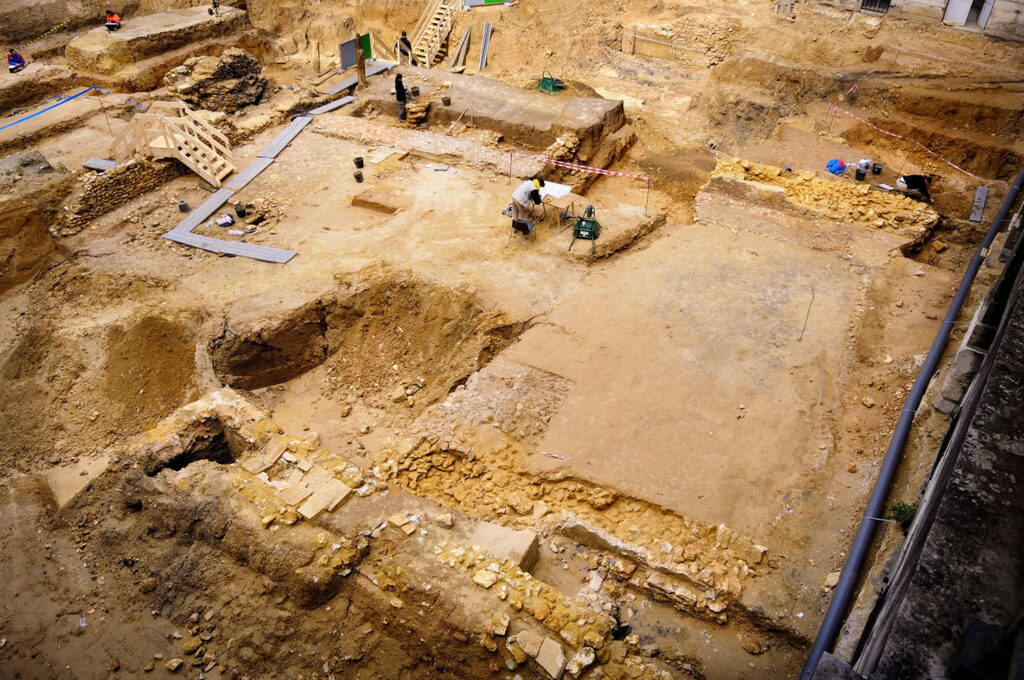
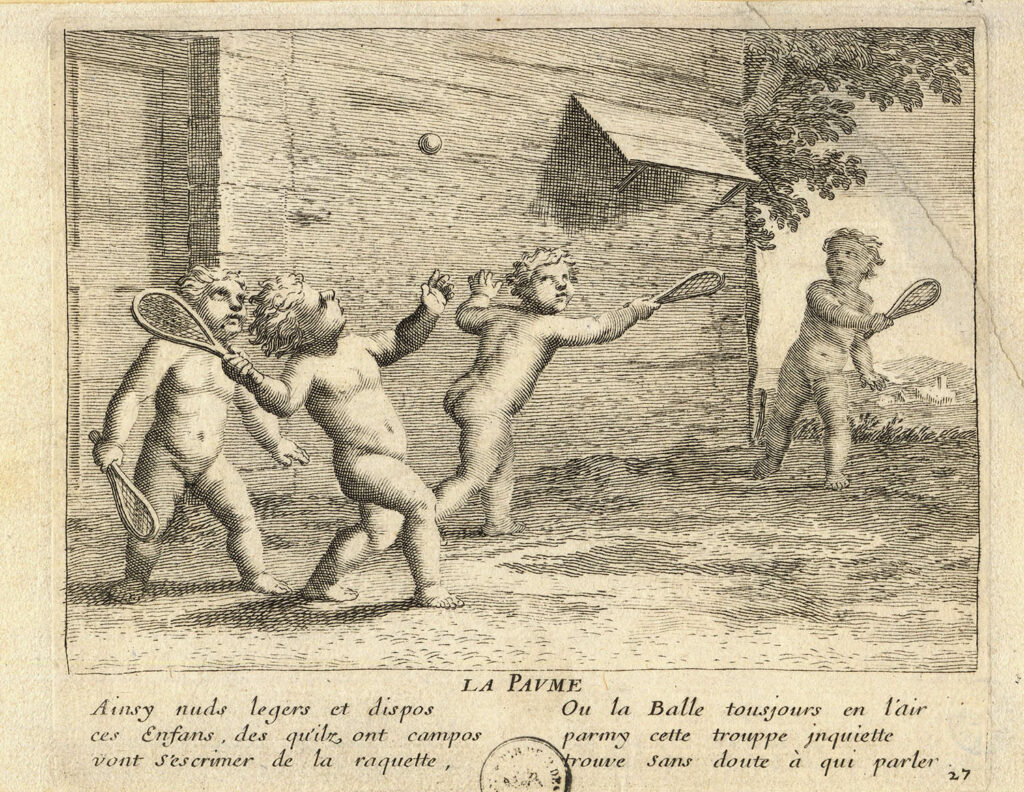
All you needed to play was a ball, a net, and a couple of friends. Jeu de paume, or “game of the palm,” first became a popular diversion in western Europe during the thirteenth century, and the French got hooked. By the late sixteenth century, everyone played paume, the ancestor of modern tennis—kings and commoners, laypeople and clergy, women and men. The early game was played in fields or city streets. Enthusiasts picked up rackets, put down money on games, and smacked shots off roofs and facades. A slightly more restrained style of paume was played in tennis halls, some built for townspeople, others ensconced in the châteaus of aristocrats. Chroniclers estimated that by 1600 there were more than 250 courts in Paris.
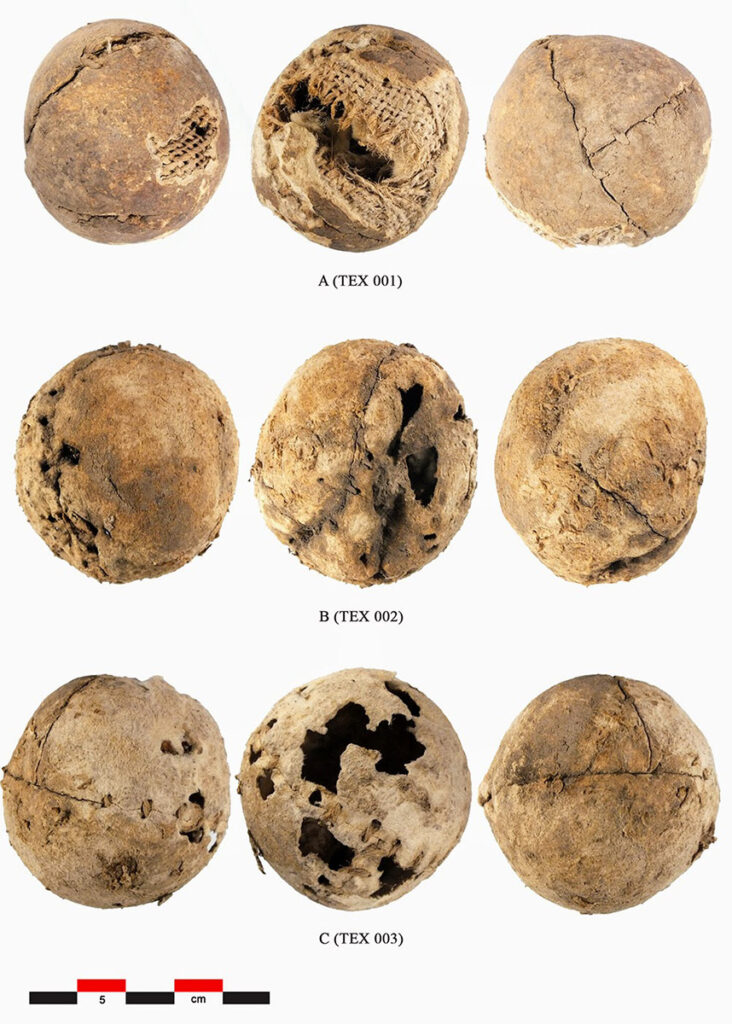
With the discovery of Louis XIII’s (reigned 1610–1643) tennis hall during rescue excavations at the Palace of Versailles in 2006, archaeologists became students of the game. Over the past two decades, they’ve unearthed courts around the country and learned to identify how the floors were paved, the walls were painted, the balls were stitched, and odd in-game targets were positioned. Archaeologists have found courtside amenities such as latrines, changing rooms, and even evidence of possible tonics gulped to soothe aches and sprains. Their findings are a highlight reel of France at play amid the turbulent political, economic, and religious changes that shaped the early modern era. To read our full article on the archaeology of tennis, click here.
Dig Deeper
If you enjoyed the articles in this issue, there are many more like them on our website! We’ve linked to some of our favorite ARCHAEOLOGY stories on similar topics below—along with some of the books, journal articles, and other resources that we drew upon while researching the articles in our July/August 2026 issue.
How a trailblazing ruler pulled her realm back from the brink
A Nubian Kingdom Rises
Excavations at a city on the Nile reveal the origins of an ancient African power
Rediscovering Egypt’s Golden Dynasty
How King Tutankhamun’s family forever changed the land of the Nile
The Rulers of Foreign Lands
Was a new regional power, once thought of as a bloodthirsty invading force, actually a catalyst for ancient Egypt’s most prosperous era?
Top 10 Discoveries: Inside a Pharaoh’s Coffin
Using CT scanning, archaeologists can finally see the man buried in one of Egypt’s most splendid sarcophagi
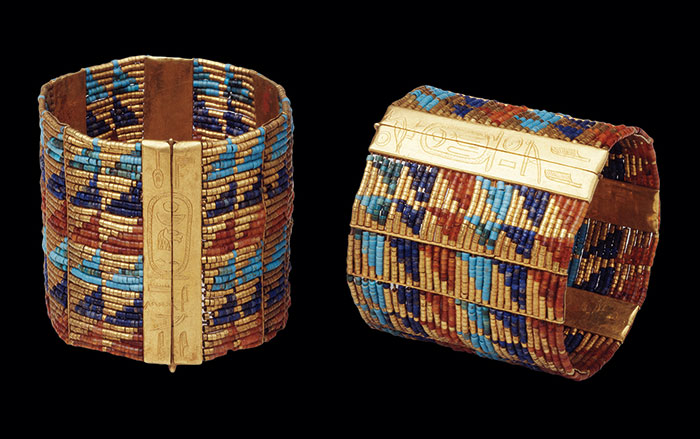
The Treasure of the Egyptian Queen Ahhotep and International Relations at the Turn of the Middle Bronze Age (1600–1500 BCE) by Gianluca Miniaci and Peter Lacovara in Middle Kingdom Studies 11
Archaeologists take a fresh look at one of the most important—and puzzling—discoveries in Egyptology
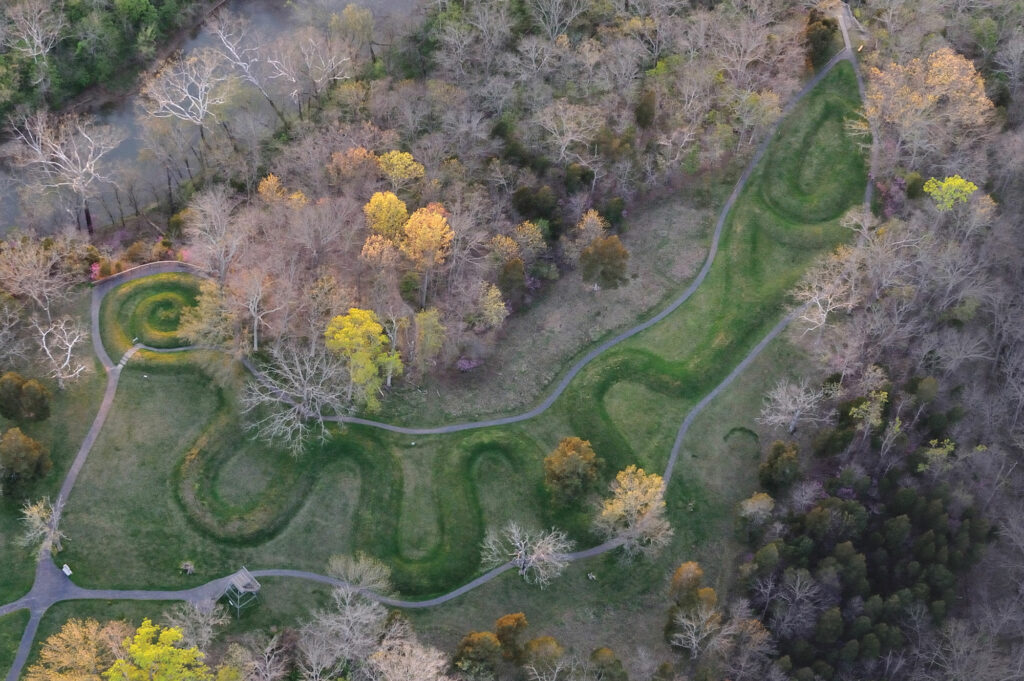
Is a Native American origin story embedded in Ohio’s colossal earthwork?
Artists of the Dark Zone
How archaeologists discovered Native American rock art deep in the caves of Tennessee
Letter from Wisconsin: People of the Sacred Voice
The Ho-Chunk maintain a strong connection to their ancestors’ vast network of mounds
Artifact Spotlight: Black Drink Beakers
A potent ritual beverage was imbibed at the center of Cahokia in southwestern Illinois
Ohio History Connection
The state historical society of Ohio maintains a trove of information about Serpent Mound
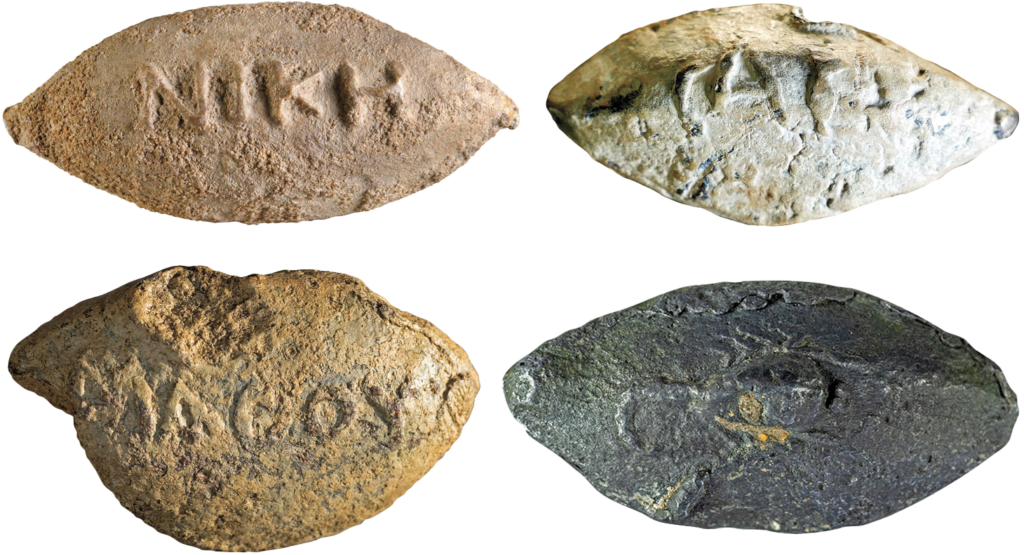
Greek and Roman soldiers fired pointed barbs at their enemies
Weapons of the Ancient World: Siege Weapons
Archaeologists are uncovering evidence of the time when Roman forces besieged Pompeii
Mask Metamorphosis
A bronze mask depicting a hedonistic demigod reveals a hidden sanctuary at the site of Hippos
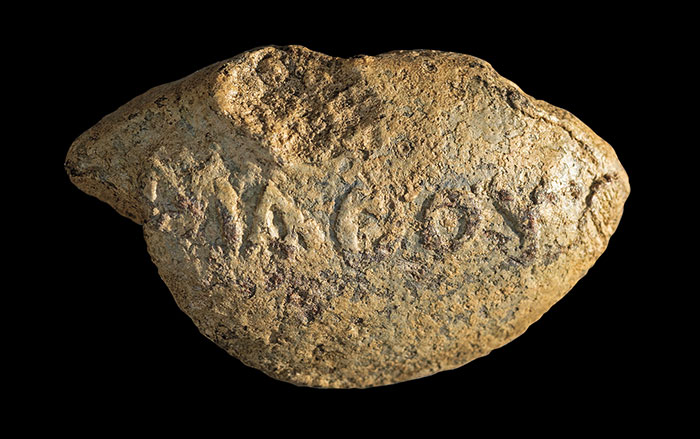
Learn! A New Type of Inscription on a Sling Bullet from Hippos of the Decapolis by Michael Eisenberg et al. in Palestine Exploration Quarterly
Archaeologists have found 69 lead bullets at Hippos—one made a particular impression
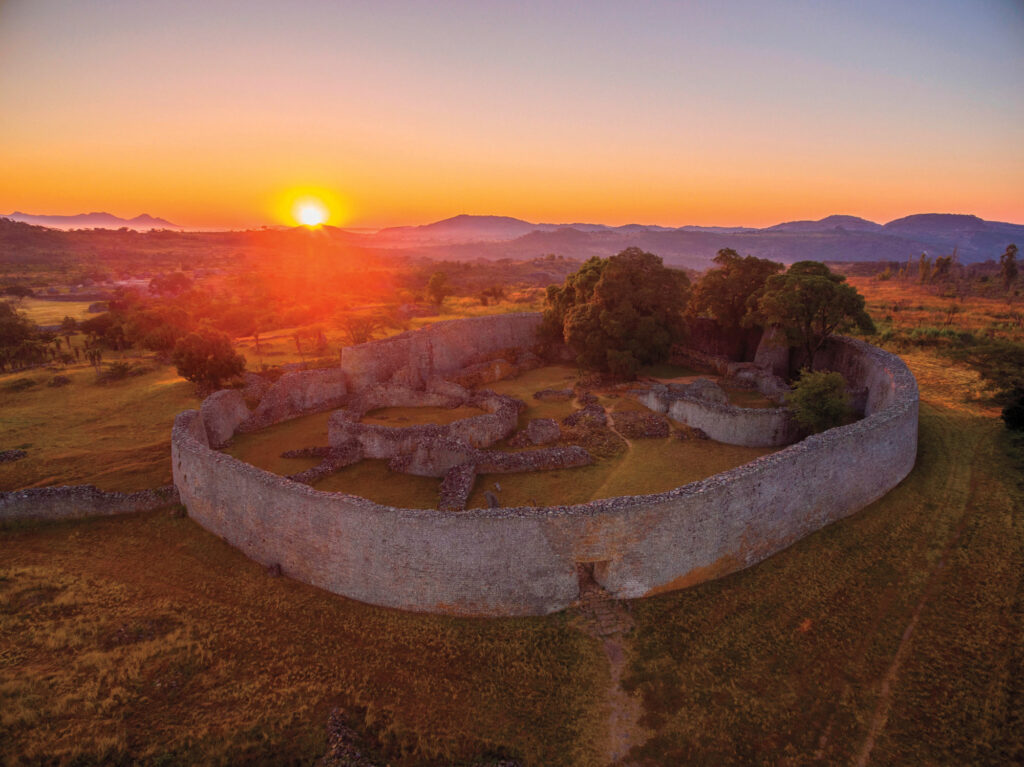
Inside Africa’s Houses of Stone
Archaeologists are rethinking how kings shared power beyond the great capitals of medieval Zimbabwe
Stone Towns of the Swahili Coast
Along 2,000 miles of the East African coast, the sophisticated trading centers of the medieval Swahili reveal their origins and influences
Africa’s Merchant Kings
The early Christian kingdom of Aksum was at the heart of a great maritime trading network
Great Zimbabwe: Reclaiming a ‘Confiscated’ Past by Shadreck Chirikure
An authoritative account of Great Zimbabwe’s history informed by a deep knowledge of Shona practices
Archaeologist Robert Nyamushosho’s Comprehensive Works
The Queens College archaeologist has published a number of freely available articles on the culture of Zimbabwe
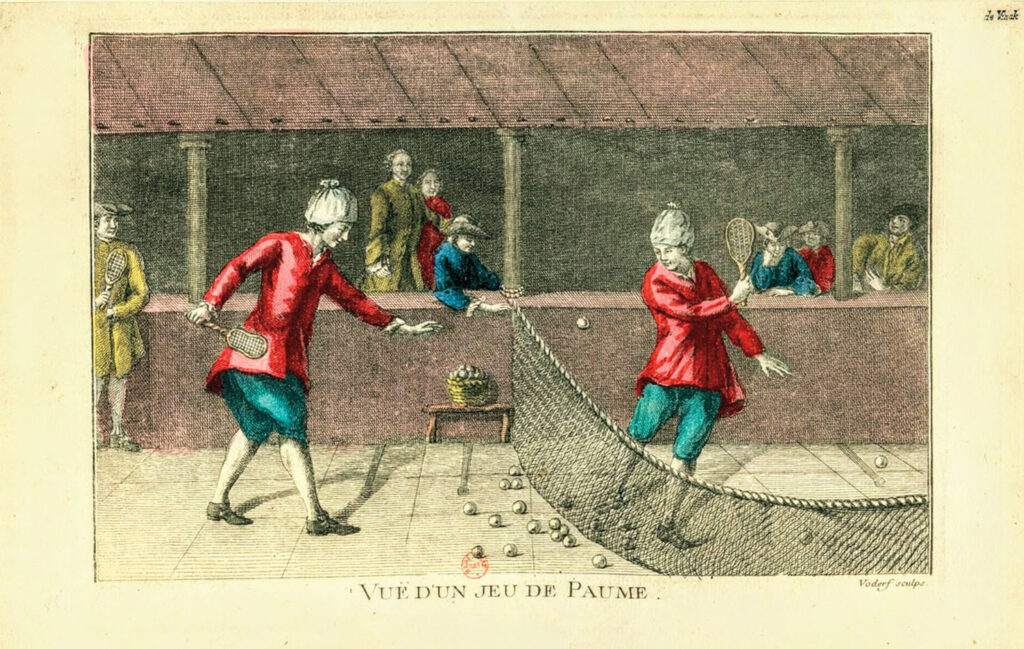
Discovering the origins of the peculiar racket game that swept sixteenth-century France
The Pursuit of Wellness
How the ancients attended to mind, body, and soul
Bringing Back Moche Badminton
How reviving an ancient ritual game gave an archaeologist new insight into the lives of ancient Peruvians
A New View of the Birthplace of the Olympics
Taking an innovative approach to one of ancient architecture’s most intriguing questions
Artifact Spotlight: Subeixi Game Balls
Three young men buried in China in the first millennium B.C. went to the afterlife equipped for a ball game
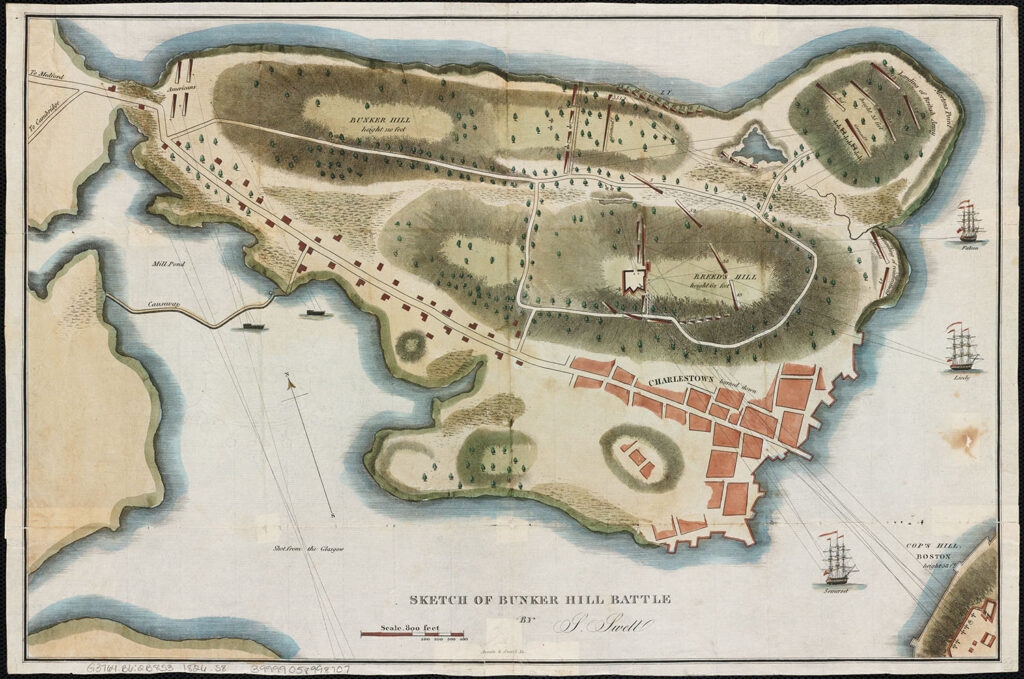
Letter from Boston: In the Shadow of Bunker Hill
The forgotten lives of the townspeople who lost everything in the early days of the American Revolution
Letter from Lake George: Exploring the Great Warpath
Evidence from forts, hospitals, and taverns in upstate New York is illuminating the lives of thousands of British soldiers during the French and Indian War
Boston 250 Archaeology
The city of Boston’s archaeology department has embarked on a range of projects to shed new light on 1770s Massachusetts. Immerse yourself in its excellent digital info hub
The Jack and Acton Project
Two enslaved craftspeople were part of a rich tradition of pottery at Charlestown. Boston archaeologists are now documenting their work and telling their story
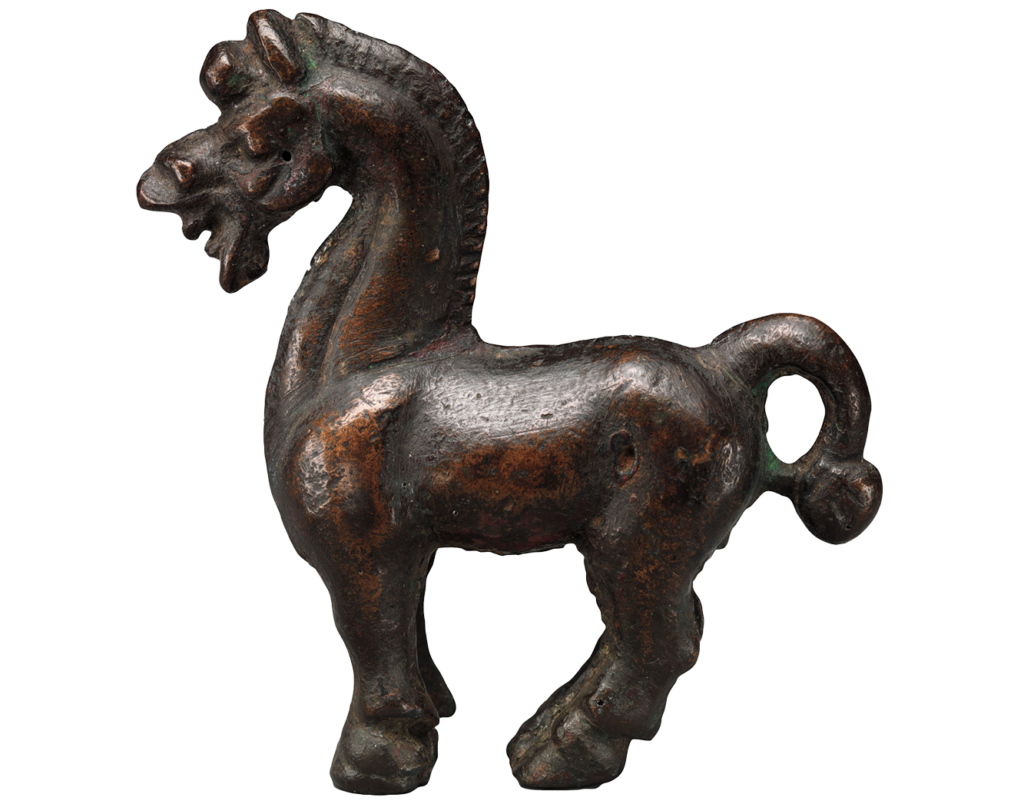
Ancient China’s “Pony Express”
In Han China, postal horses had hard lives but evocative names—Wandering Hawk, Podgy and Lumpy, and Mr. Red Horse among them
Calm at the Carriage, Kills Bandits, Protects the Stables: Unique Horse Names in Excavated Han Administrative Documents from Xuanquan by Kelsey Granger in Early China
Granger has recorded the names of 115 horses who labored at an ancient frontier postal station—find them here
The Story of the Horse
How its unique role in human culture transformed history
Colonial Connection
Wild ponies roam the barrier islands of Virginia and Maryland. How did they get there?
Mapping the Past: Han Dynasty Map
Some 2,200 years ago, Chinese cartographers produced sophisticated silk maps
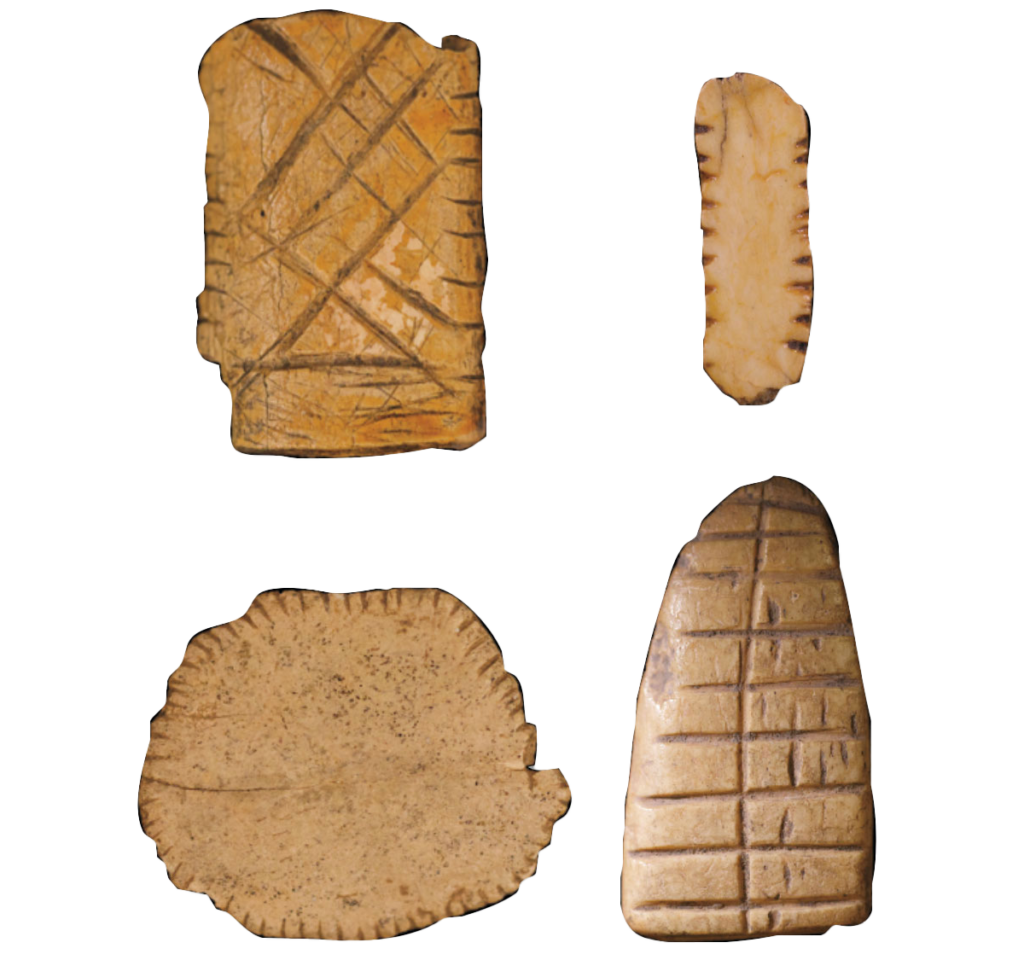
About 12,000 years ago, people in North America started playing high-stakes games of chance
A Roll of the Dice: How Native Americans Shaped Gambling and Probability Long Before the Old World, a podcast featuring archaeologist Robert J. Madden
For hunter-gatherers, games of chance could foster relationships and the exchange of information
Spirit Cave Connection
The world’s oldest mummified person is the ancestor of Nevada’s Northern Paiute people
Searching for the Comanche Empire
In a deep gorge in New Mexico, archaeologists have discovered a unique site that tells the story of a nomadic confederacy's rise to power in the heart of North America
Letter from Montana: The Buffalo Chasers
Vast expanses of grassland near the Rocky Mountains bear evidence of an extraordinary ancient buffalo hunting culture
Walking Into New Worlds
Native traditions and novel discoveries tell the migration story of the ancestors of the Navajo and Apache