Features From the Issue
-
Features
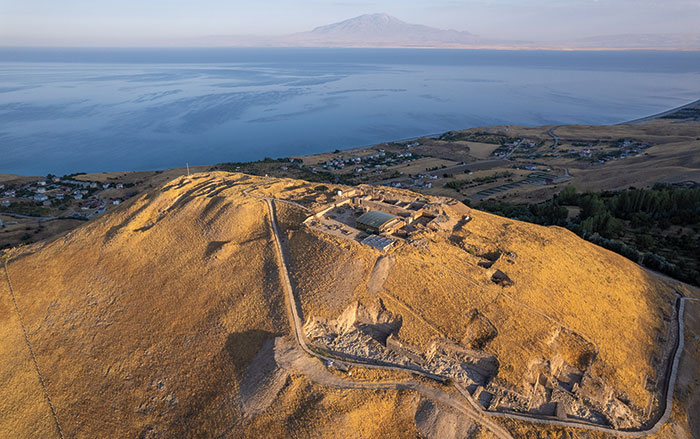
Kingdom of Fortresses
How diverse and far-flung Iron Age chiefdoms united to challenge the Assyrian Empire
 © Tolga İldun
 -
 © Matjaz Kacicnik/Project TT 217–The Tomb of the Sculptor Ipuy in Context (JGU Mainz, IFAO Cairo)
 -
Features
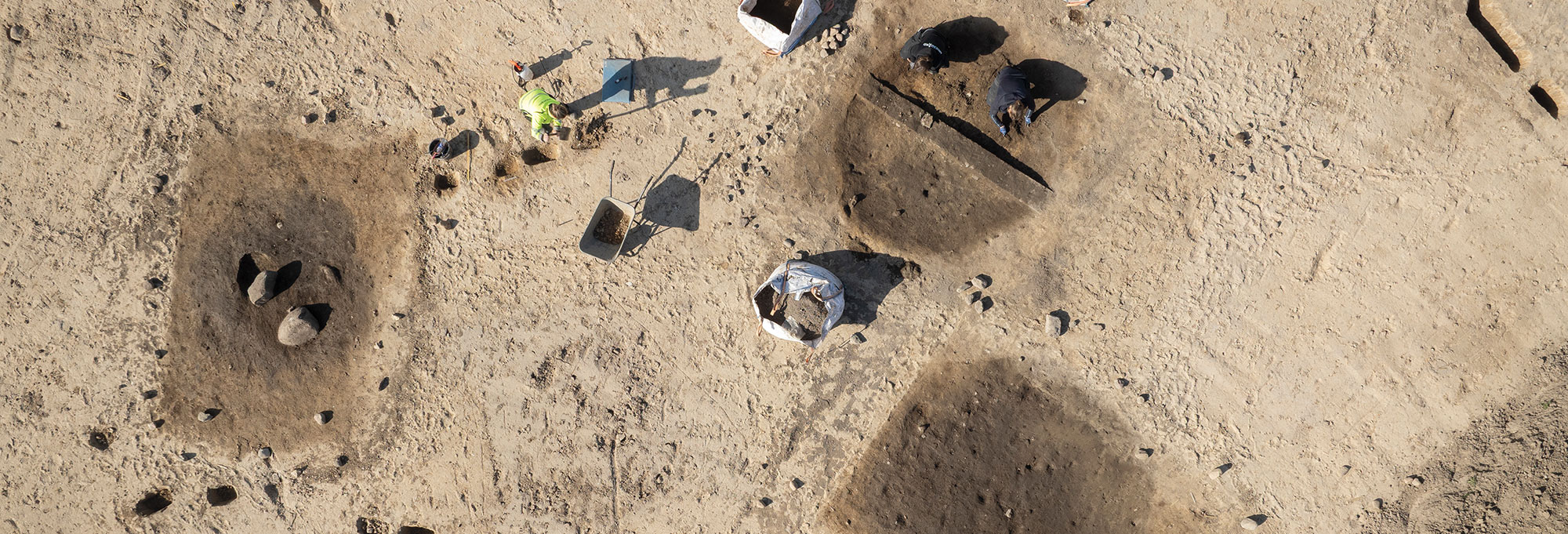
Outfitting Viking Voyagers
In Denmark, archaeologists have discovered a massive factory that equipped an innovative fleet
 Moesgaard Museum
 -
Features
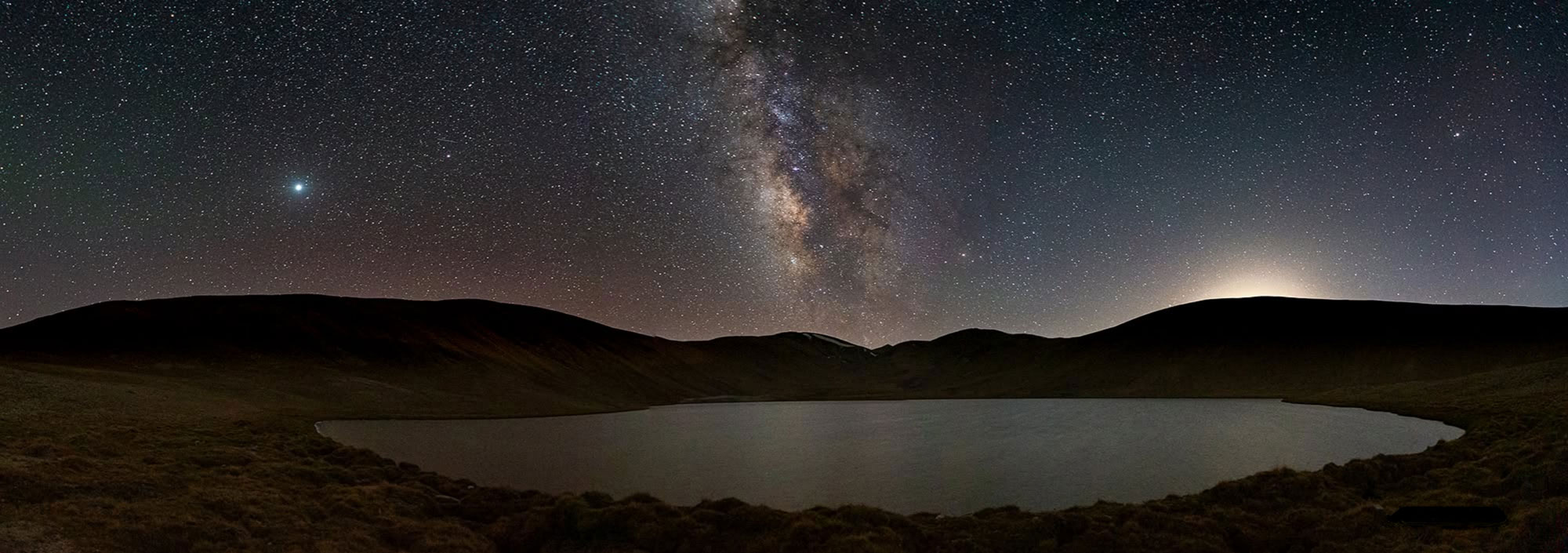
Stone Age Stargazers
Did artists 12,000 years ago illuminate a cave in Tajikistan with their vision of the Milky Way?
 ˝© Nodir Tursun-Zade
 -
Features
Unearthing the Outlanders
New discoveries challenge ancient prophecies about the peoples living on China’s borders three millennia ago
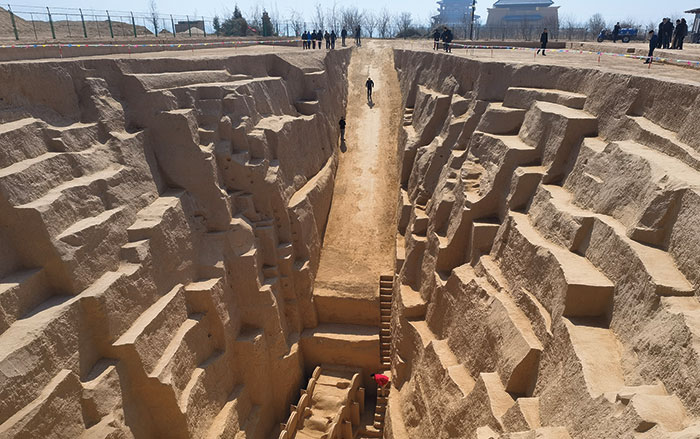 Courtesy Shaanxi Provincial Institute of Archaeology
Letter from Cape Canaveral
Letter from Cape Canaveral
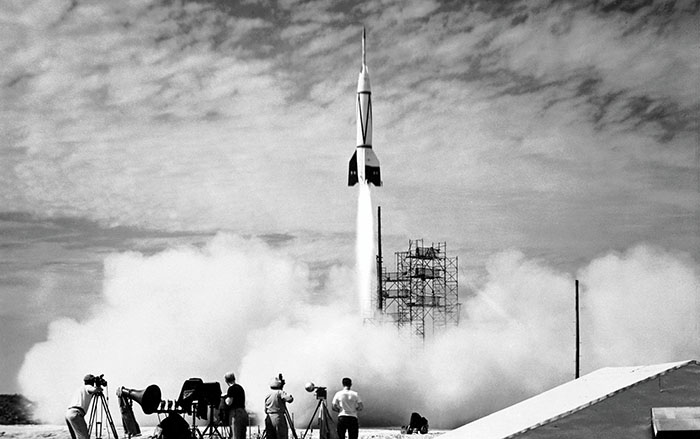
Dawn of the Space Age
Archaeologists have made surprising discoveries spanning 3,000 years at the birthplace of American space exploration
Artifact
Artifacts
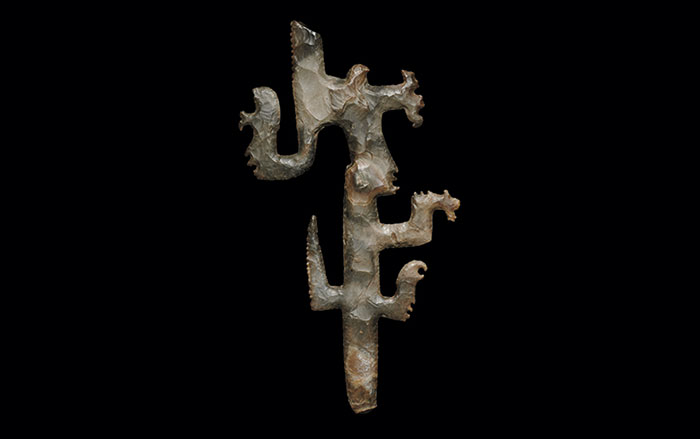
Maya Eccentric Flint
Digs & Discoveries
-
Digs & Discoveries
Night of the Dangerous Dead
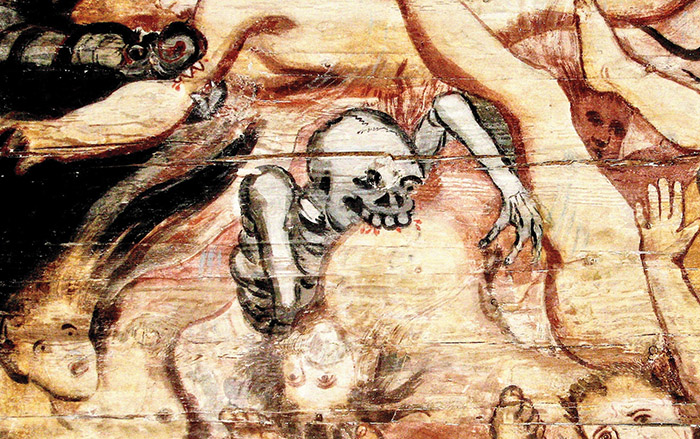 Photo John Blair
 -
Digs & Discoveries
Bottom of the Barrel
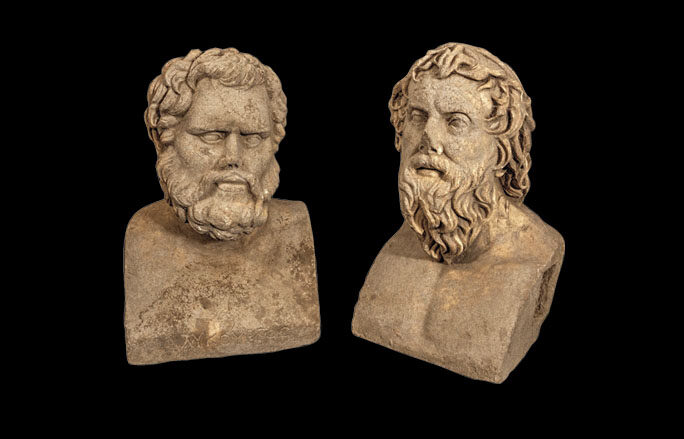 Courtesy Assaf Peretz and Yoli Schwartz/Israel Antiquities Authority
 -
Digs & Discoveries
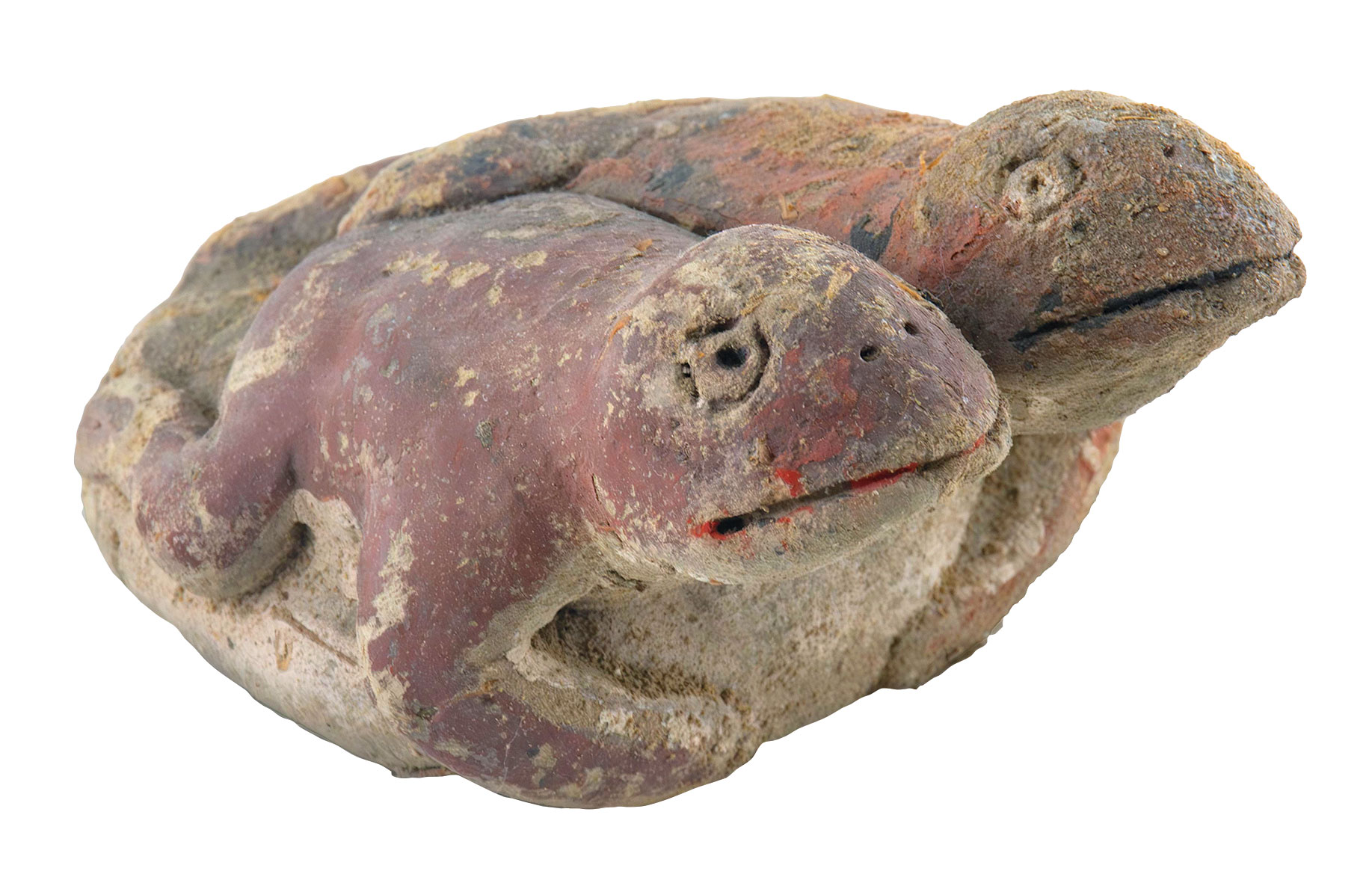
Moche Pottery Pros
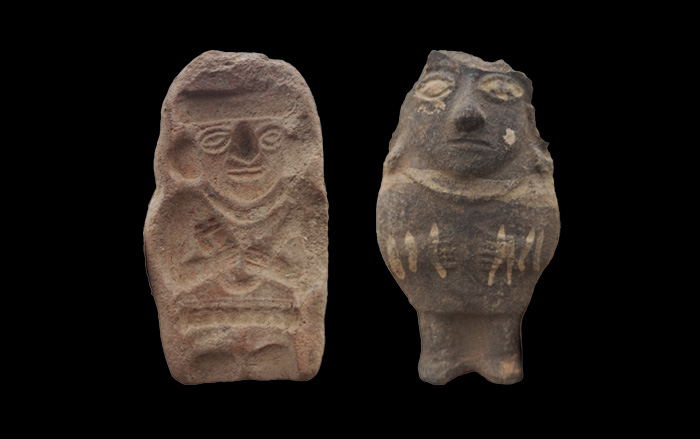 Courtesy Henry Tantaleán/Chicama Archaeological Program
 -
Digs & Discoveries
Herculean Hilarity
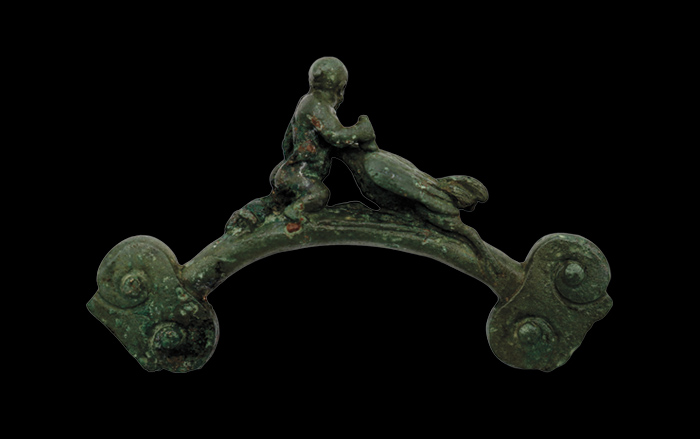 National Museum of Union, Alba Iulia
 -
Digs & Discoveries
To Bow or to Throw
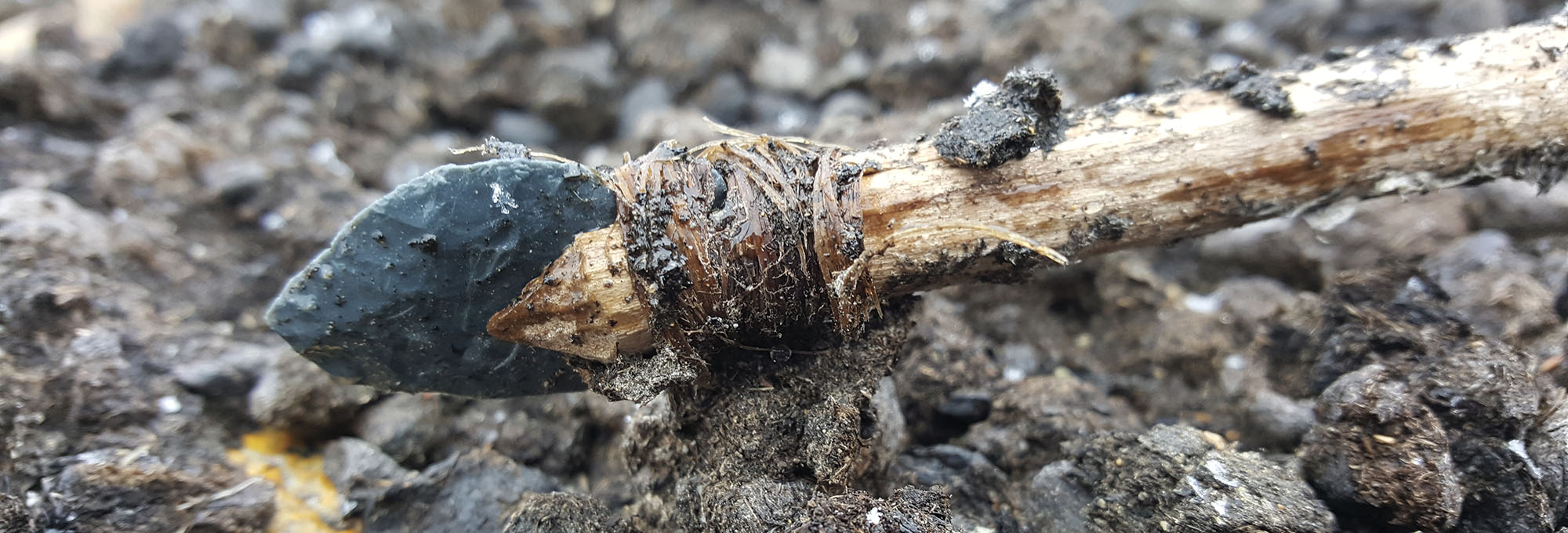 Photo by Holly Smith, Government of Yukon
 -
Digs & Discoveries
Forgotten Flemish Master
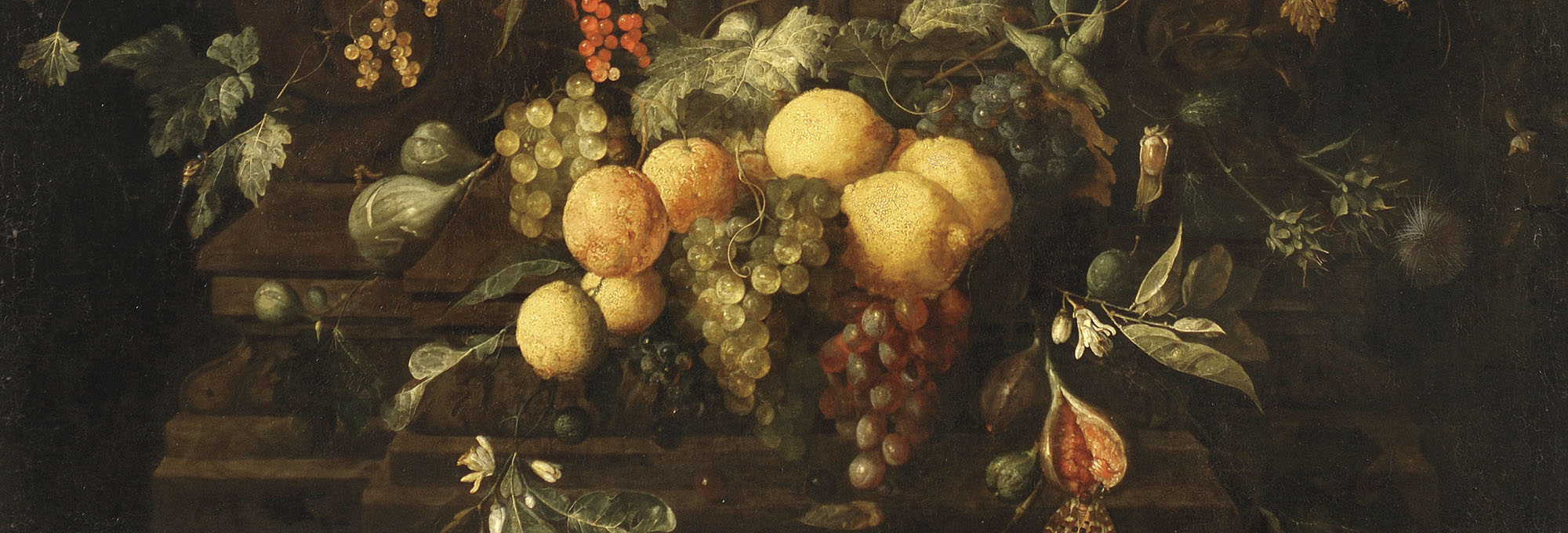 Photograph © The Fitzwilliam Museum, University of Cambridge
 -
Digs & Discoveries
Pestilence in Paradise
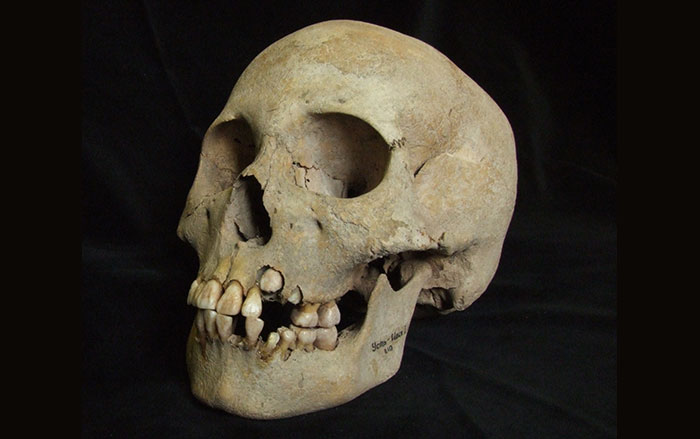 Vladimir Bazaliiski
 -
Digs & Discoveries
Egyptian Warrior Women
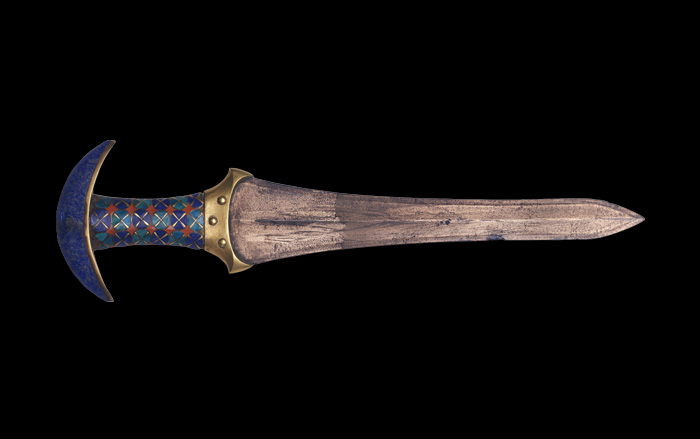 Courtesy Sameh Abdel Mohsen, Egyptian Museum
 -
Digs & Discoveries
Reclining with the River God
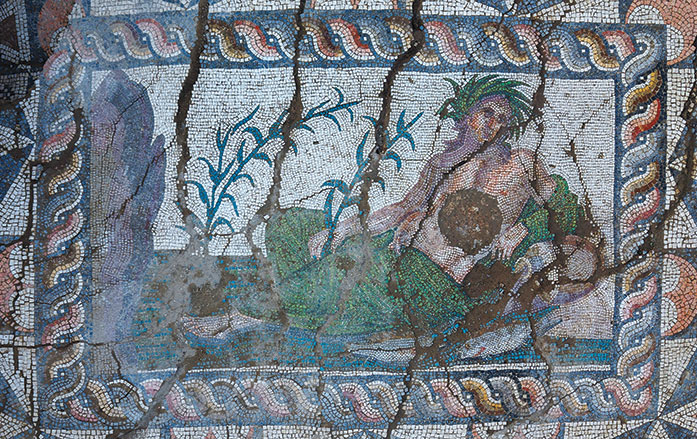 Ministry of Culture and Tourism of the Republic of Türkiye
 -
Digs & Discoveries
Fit for a Caliph
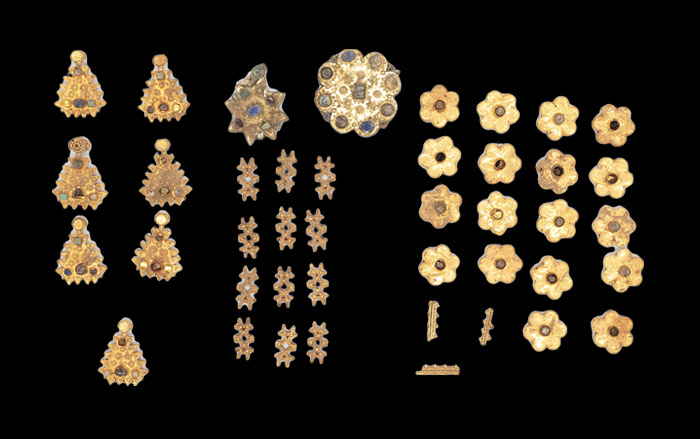 Saudi Heritage Commission
 -
Digs & Discoveries
Knowing the Ropes
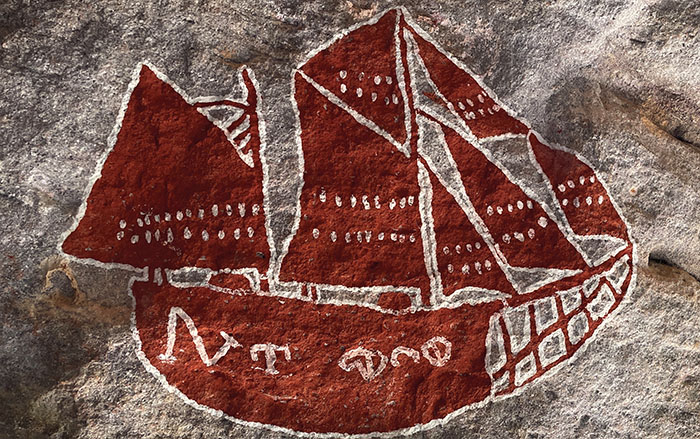 Courtesy Lynley Wallis
Off the Grid
Off the Grid November/December 2026
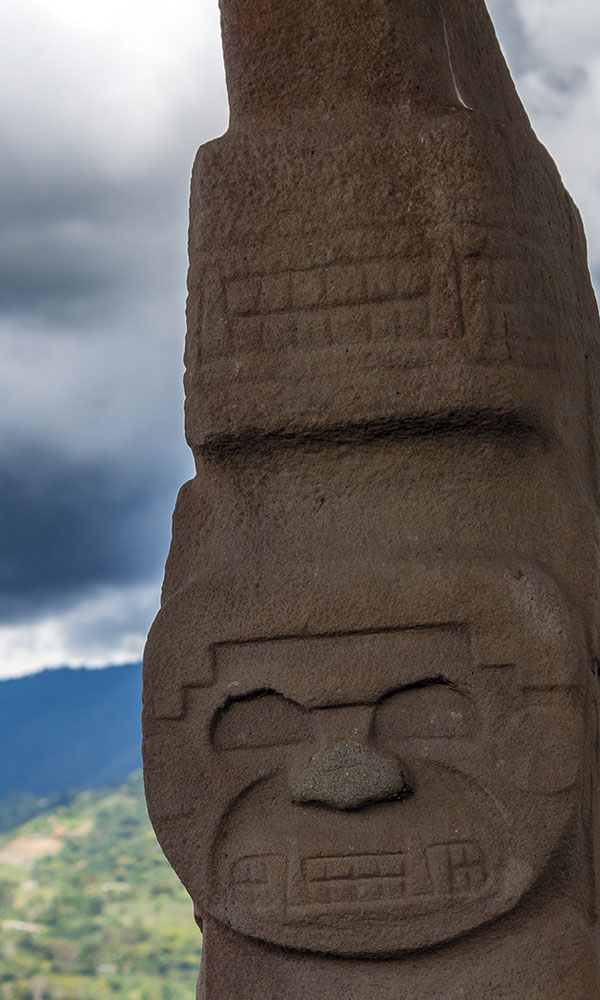
San Agustín, Colombia
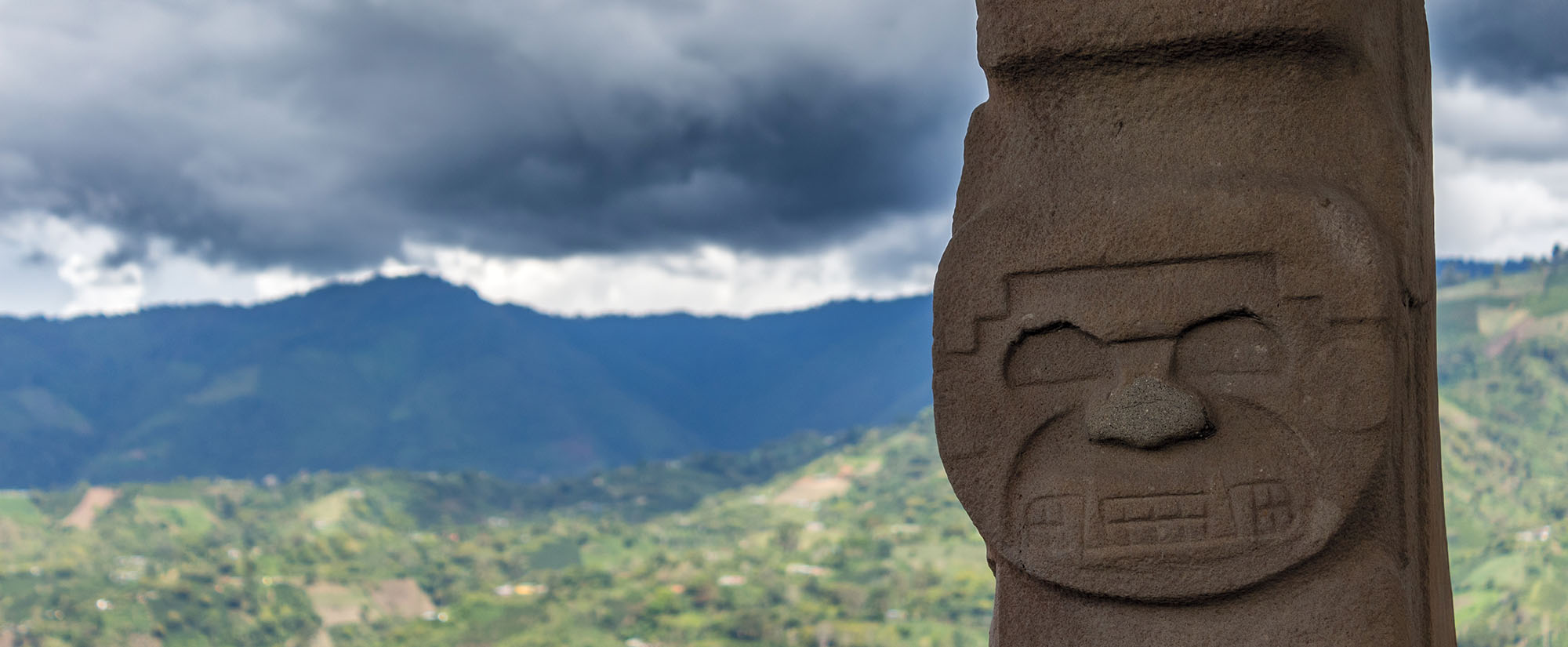
Around the World
Explore
-
EGYPT
-
INDONESIA
-
PERU
EGYPT
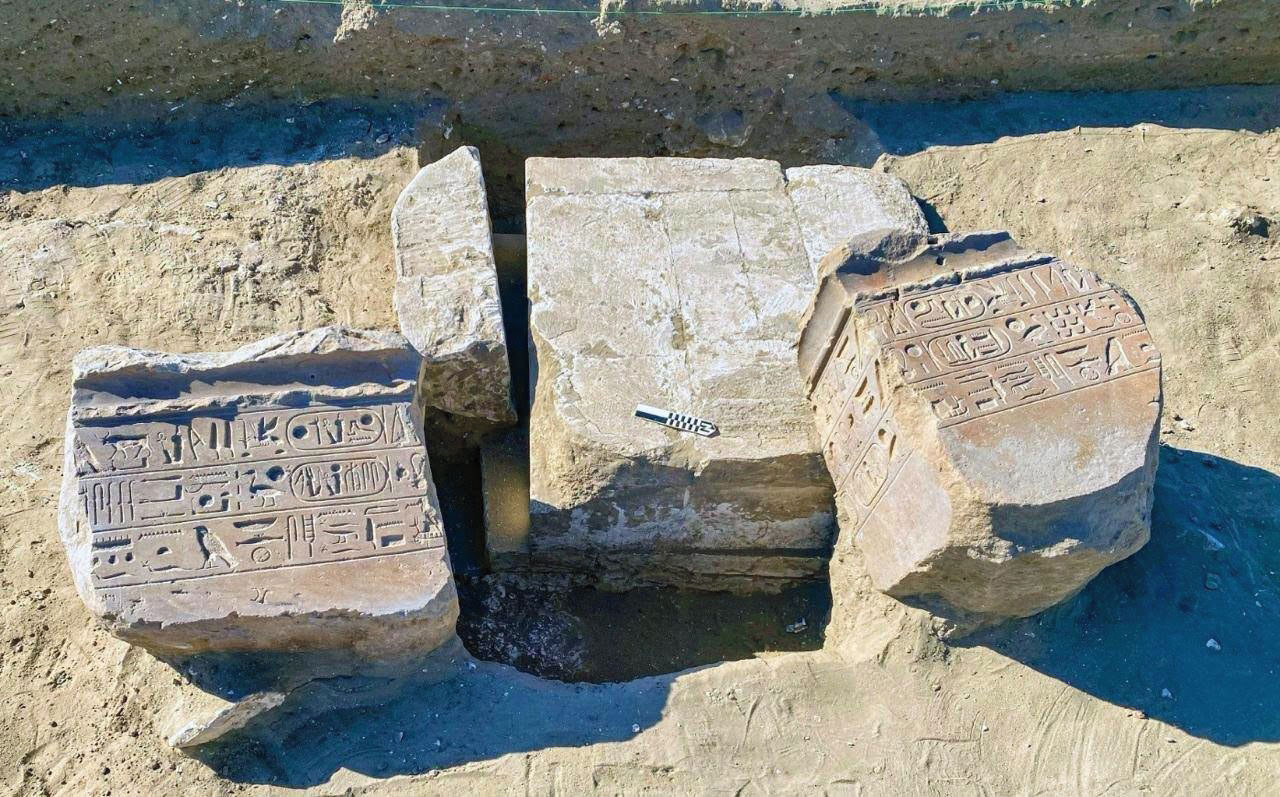
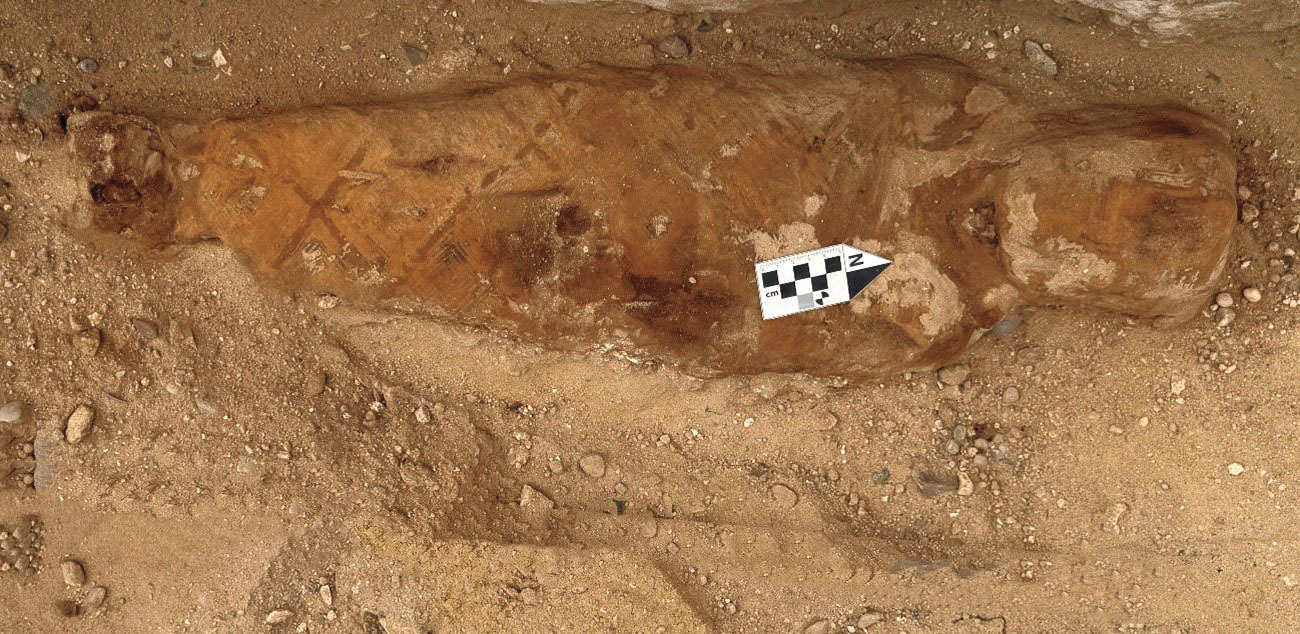
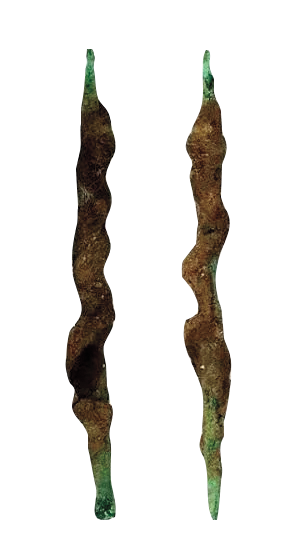
Tantalizing new evidence from Tell Abu Saifi has strengthened the case for the site’s association with an important long-lost Egyptian city. A recently uncovered sandstone lintel is inscribed with titles belonging to the pharaoh Ramesses II (reigned ca. 1279–1213 b.c.) as well as a reference to the god Horus as the Lord of Mesen. The city of Mesen is mentioned in ancient sources and was located along the Way of Horus, a key coastal military and trade route, but its exact whereabouts have never been confirmed.
Related Content
INDONESIA
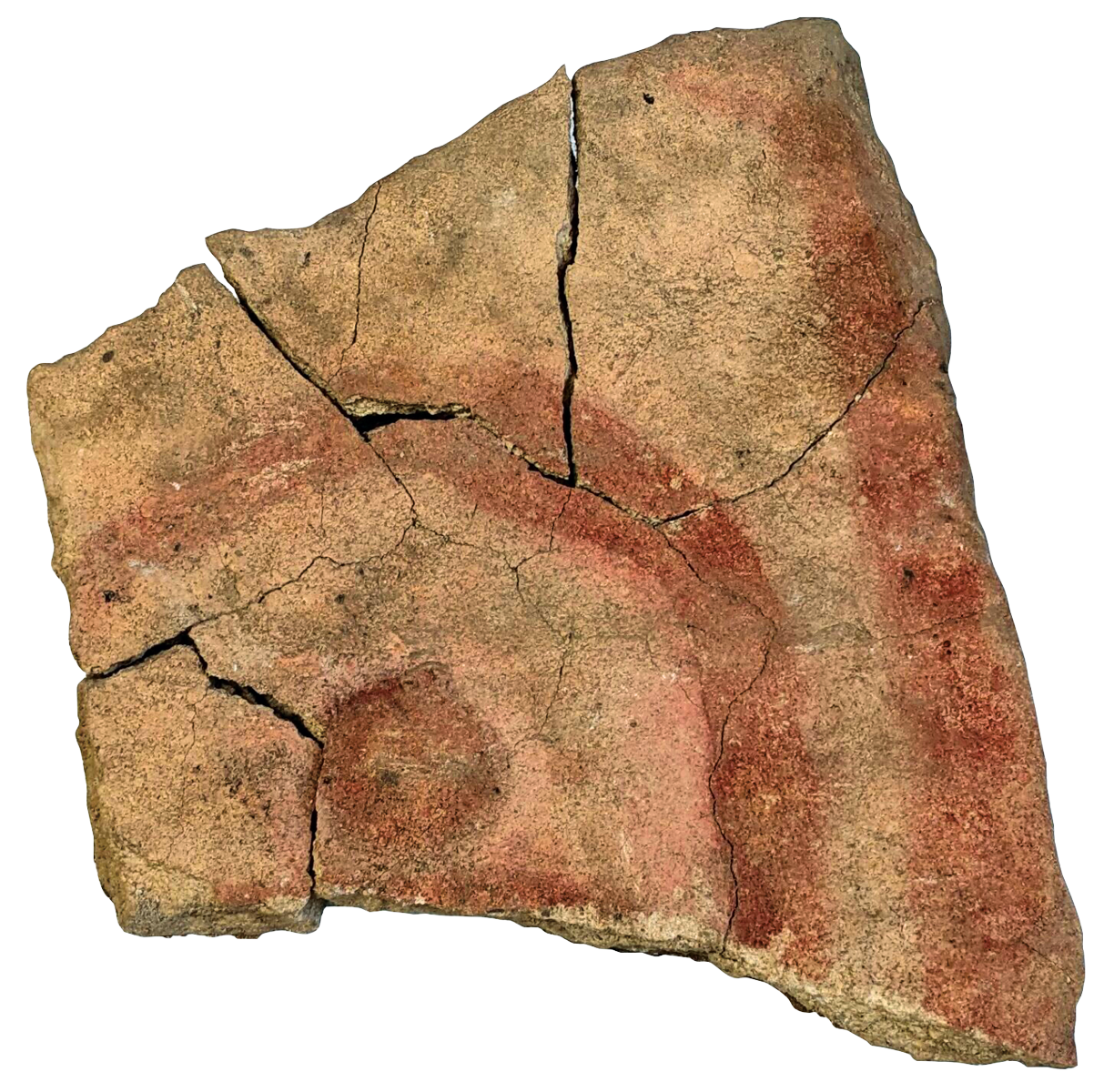
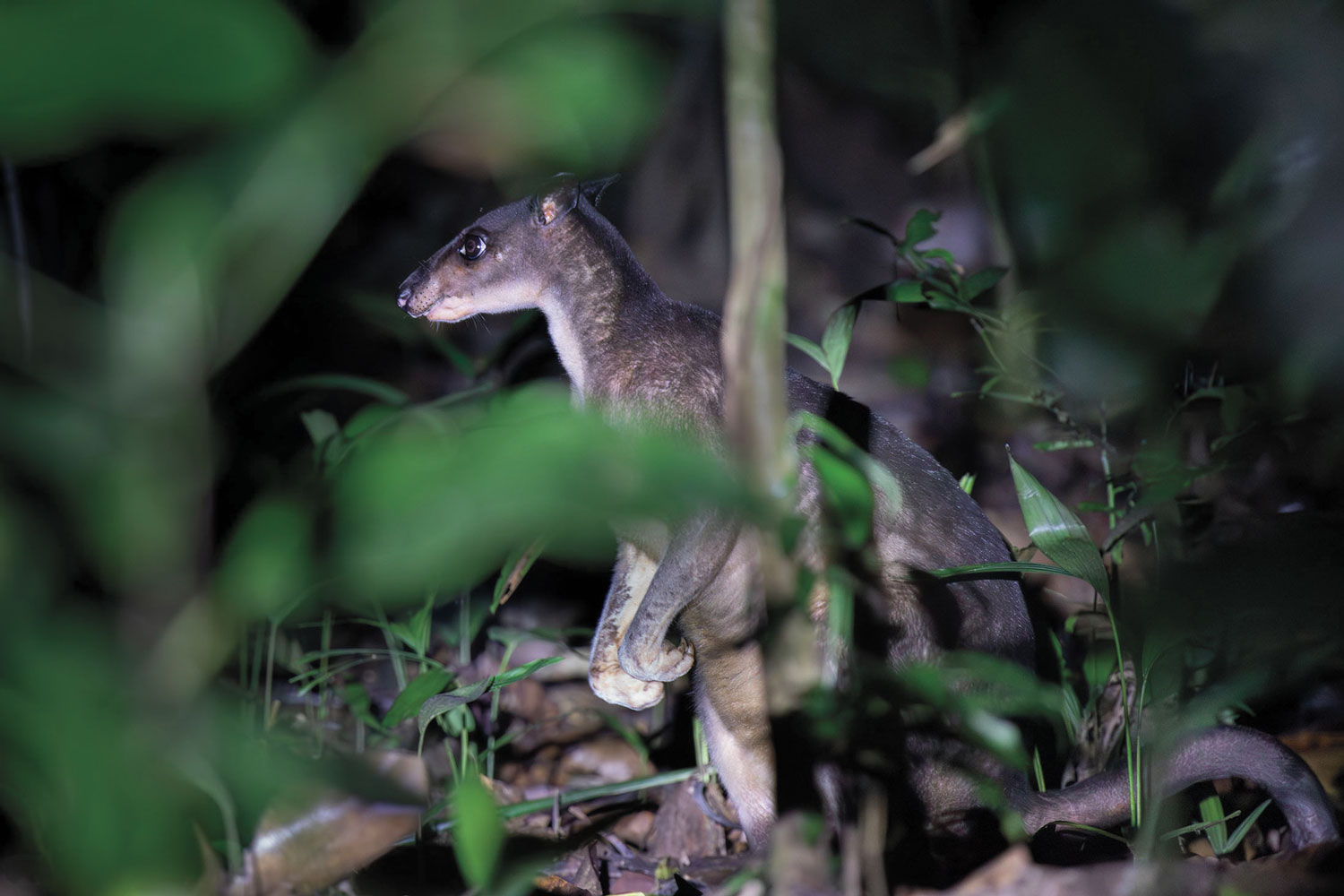
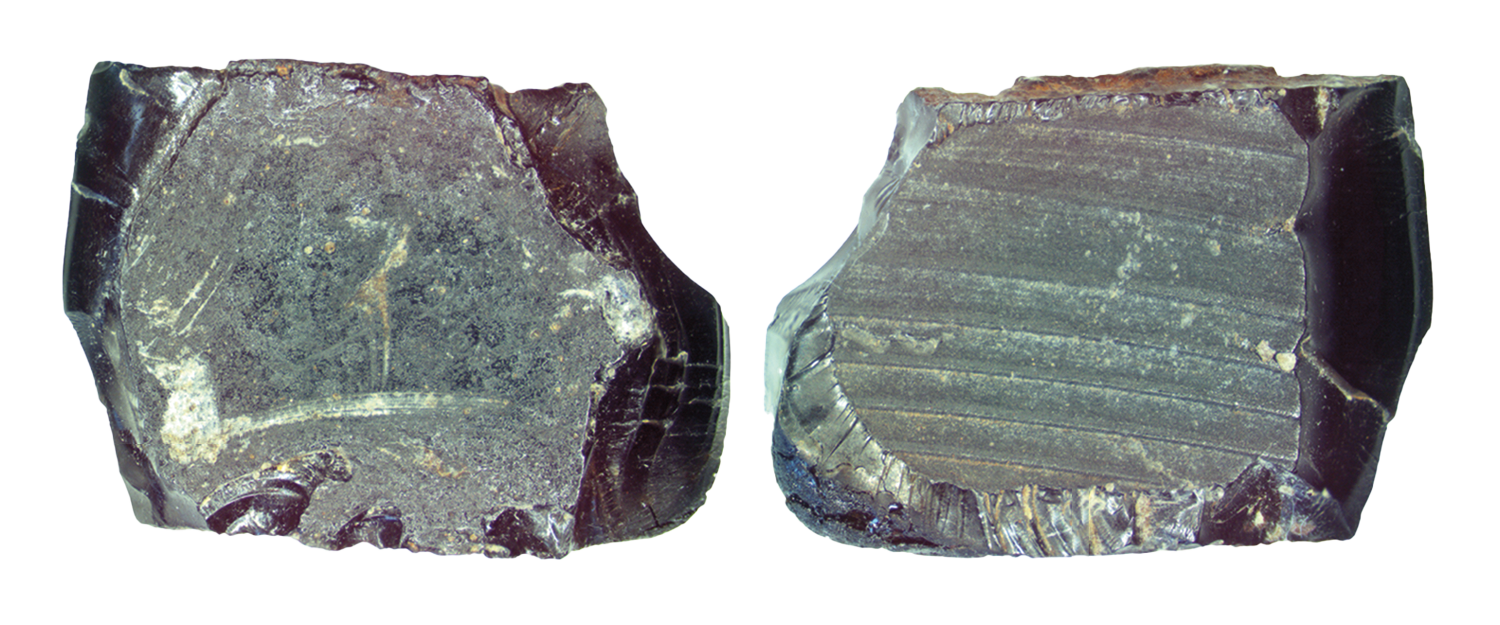
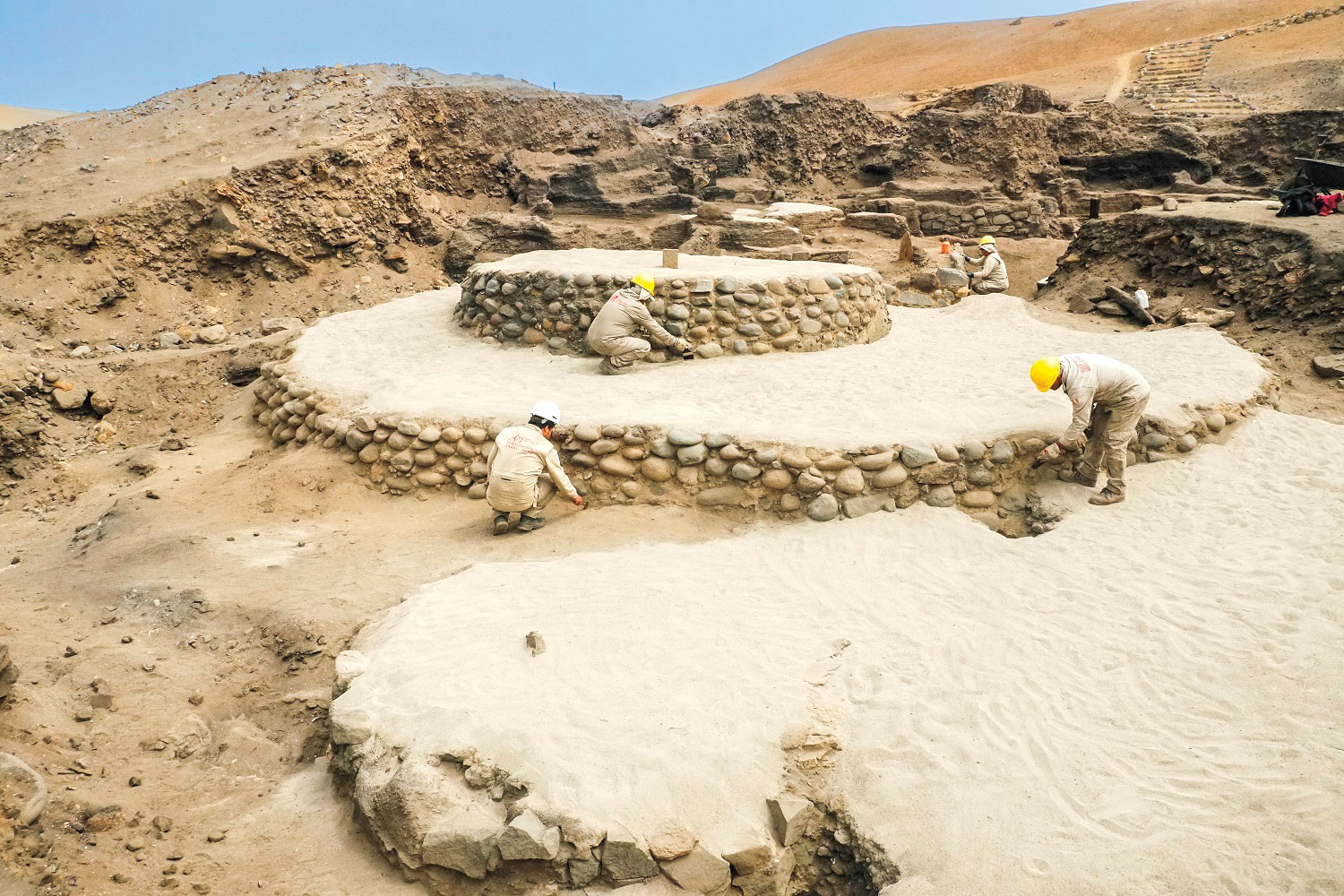
A 4,000-year-old painted stone plaque found in Wetar Island’s Huknaur rock shelter is the first of its kind ever discovered in Indonesia. The artifact’s red concentric circles and radiating sunray motif are characteristic of the Austronesian Painting Tradition, which has been identified around the western Pacific. These paintings are typically found on cave walls, but the recently unearthed artifact is the only known portable artwork executed in this style. The plaque was likely carried by an intrepid seafarer for protection or as a symbol of community identity.
Related Content
PERU
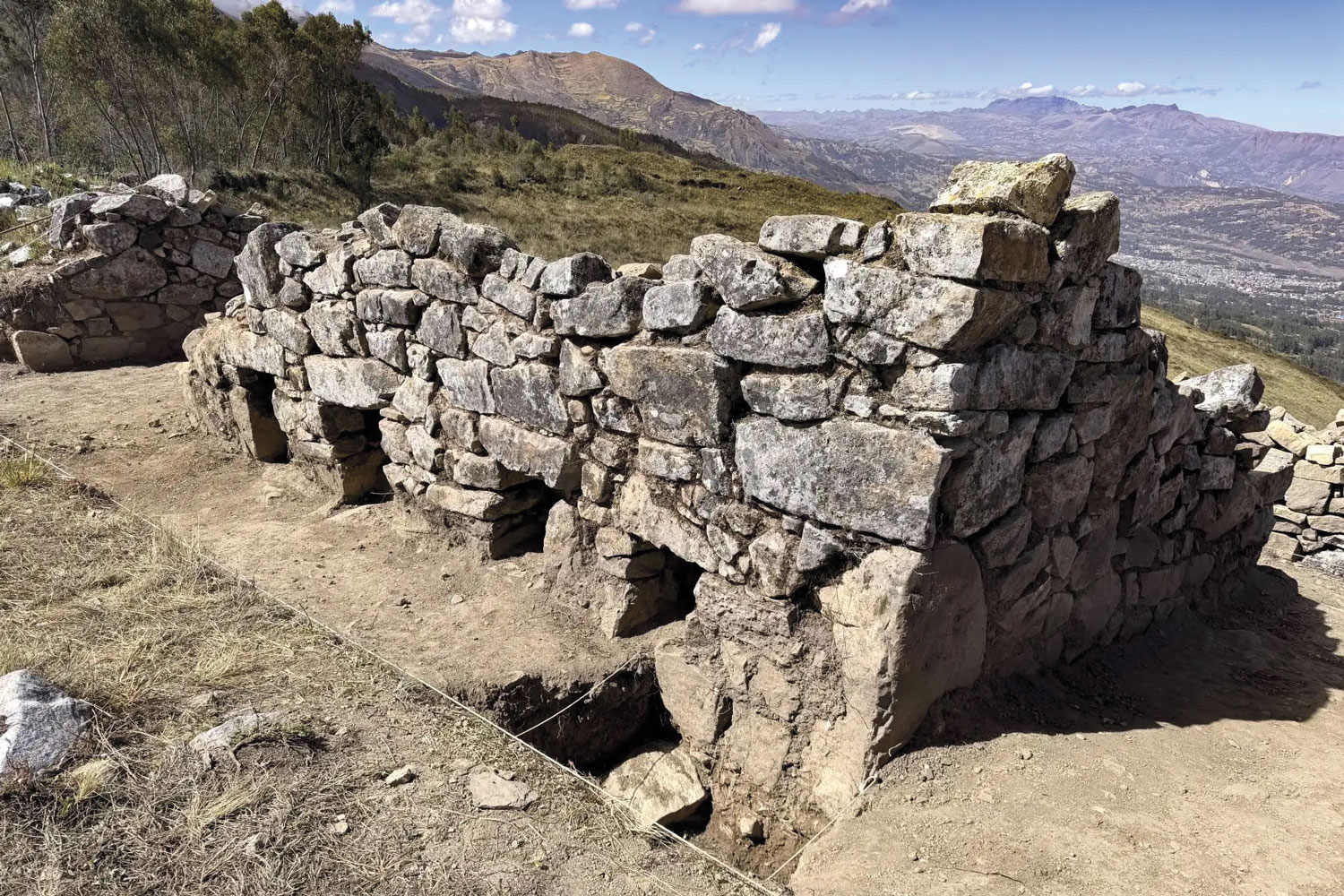
State-run Inca food storage facilities, or colcas, were sometimes located at high elevations where chilly mountain air helped preserve perishable provisions. Twelve circular colcas dating to 500 years ago were recently uncovered at the site of Wancasanga, which sits at 11,000 feet above sea level overlooking the Condebamba Valley. Archaeologists excavated a nearby building equipped with innovative stone ventilation shafts that circulated cool air through the storehouses to help regulate conditions inside.
Related Content
Dig Deeper
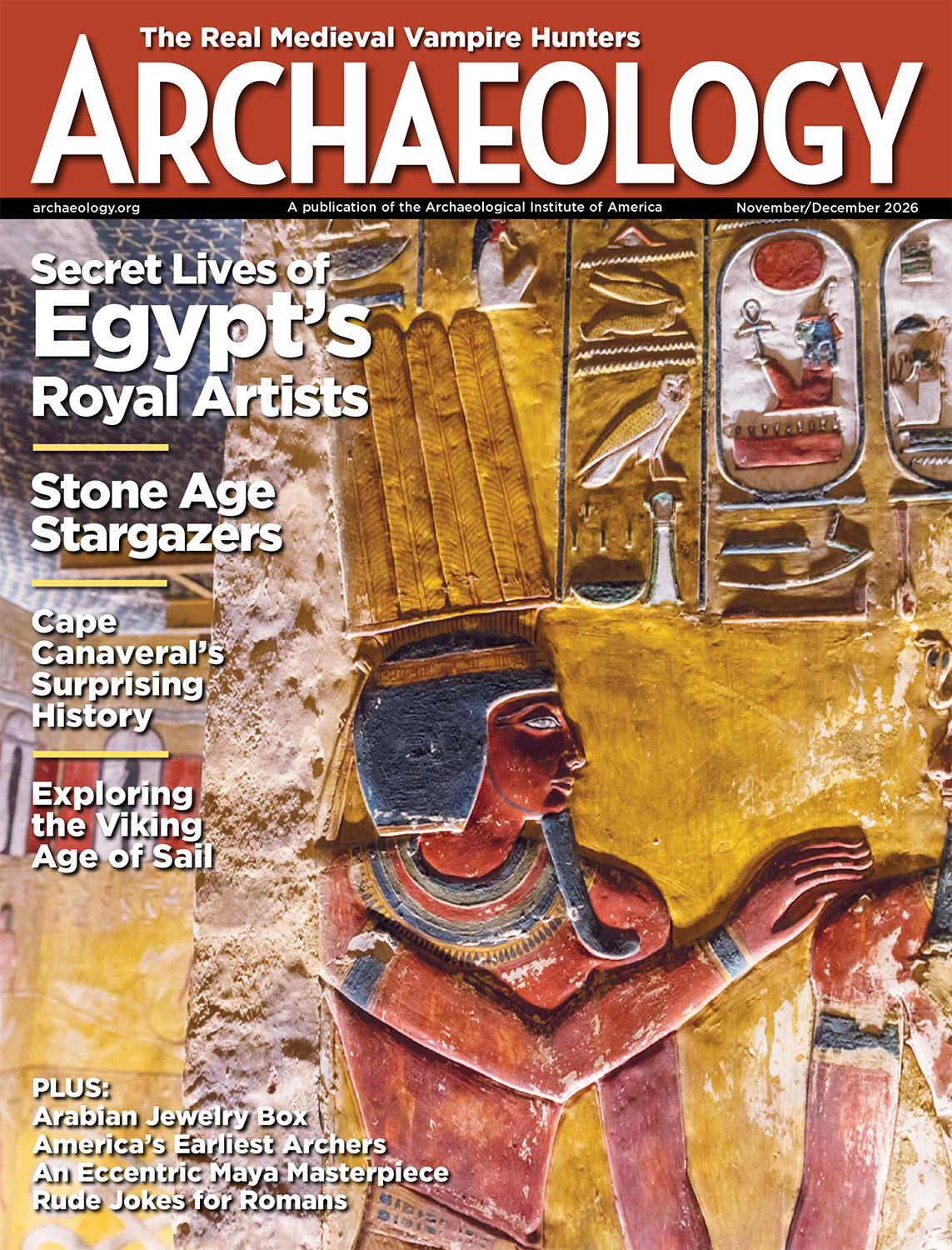
If the articles in this issue caught your imagination, don’t miss some of our favorite ARCHAEOLOGY stories on similar topics—along with some of the books, journal articles, and other resources we drew upon as we researched and wrote the articles in our November/December 2026 issue. Grab a copy on newsstands or subscribe to get one in the mail!
Life behind the scenes in Egypt’s Valley of the Kings
The Cat and the Fat
Curious notes document an illness that plagued Nebre, a draftsman at Deir el-Medina
Ghosts of the Ancestors
Why a scribe named Butehamun believed that he was haunted by his dead wife’s spirit
The Goldmine Papyrus
Amennakhte, a chief scribe in the Valley of the Kings, created the world’s oldest known geological map
Virtual Tour of the Tomb of Seti I
Go inside the opulently decorated burial of the 19th Dynasty pharaoh
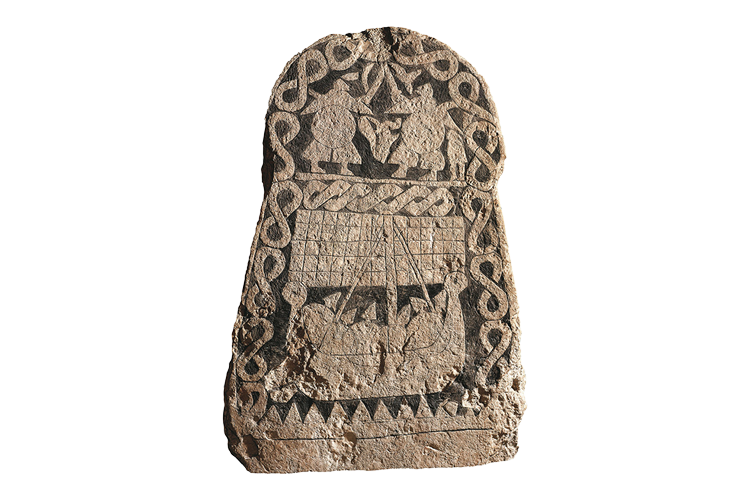
In Denmark, archaeologists have discovered a massive factory that equipped an innovative fleet
The Viking Great Army
A tale of conflict and adaptation played out in northern England
Setting Sail for Valhalla
Vikings staged elaborate spectacles to usher their rulers into the afterlife
Top 10 Discoveries of 2020: Largest Viking DNA Study
Genomes reveal the story of where Vikings made their homes
The Vikings in Ireland
A discovery challenges long-held ideas about when Scandinavian raiders arrived on the Emerald Isle
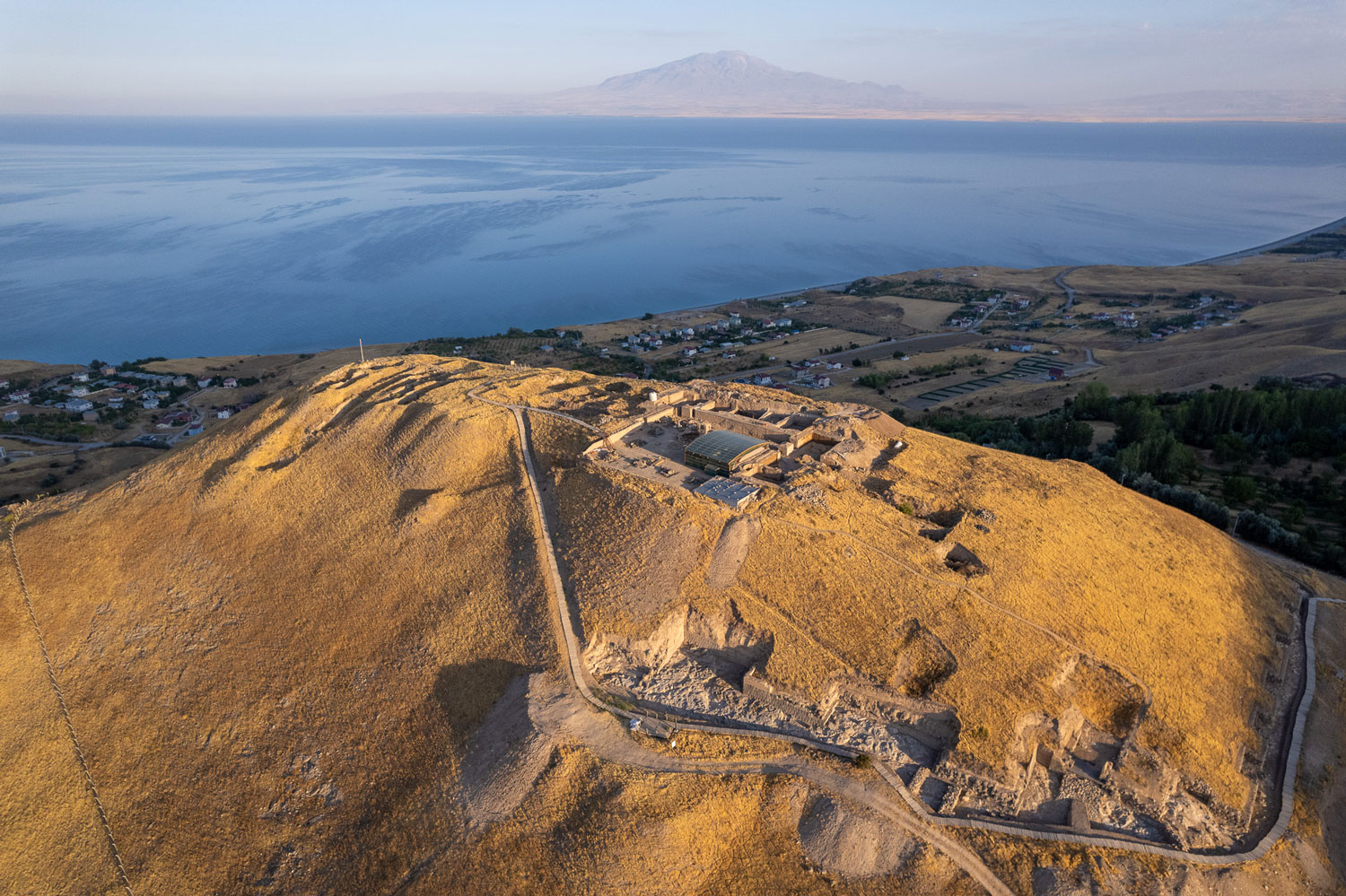
How diverse and far-flung Iron Age chiefdoms united to challenge the Assyrian Empire
The Assyrian Renaissance
Archaeologists return to Nineveh in northern Iraq, one of the ancient world’s grandest imperial capitals
Assyrian Women of Letters
4,000-year-old cuneiform tablets illuminate the personal lives of Mesopotamian businesswomen
When Lions Were King: Mesopotamia
The Assyrian inspiration behind the art of Urartu
The Price of Plunder
Exploring Iron Age Iran’s most famous—and most looted—site
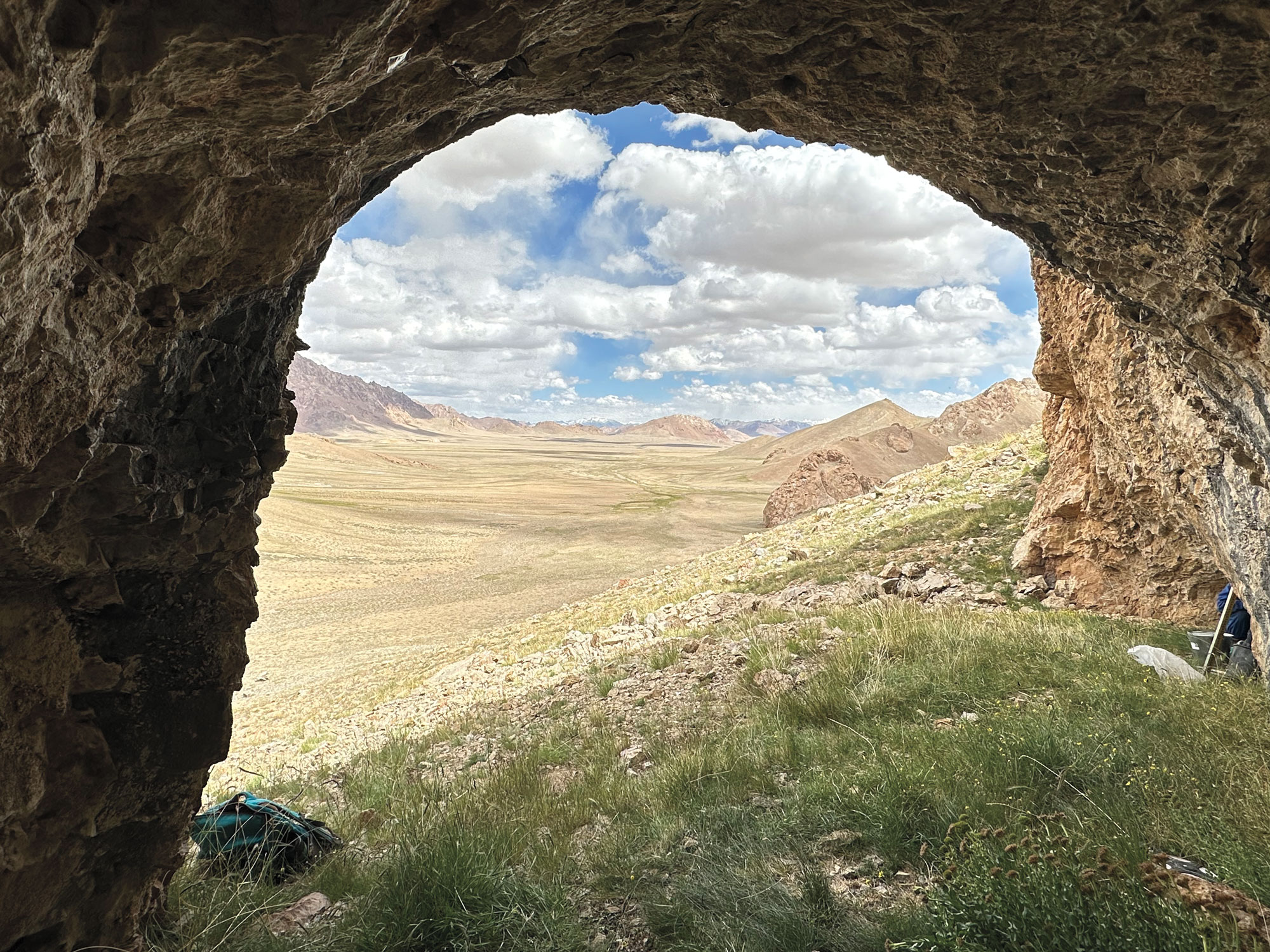
Did artists 12,000 years ago illuminate a cave in Tajikistan with their vision of the Milky Way?
Himalayan High Art
In a remote region of India, archaeologists trace 4,000 years of history through petroglyphs
Remote Sanctuary at the Crossroads of Empire
Ancient Bactrians invented distinct ways to worship their gods 2,300 years ago in Tajikistan
Unearthing an Elusive Empire
Archaeologists have discovered rare evidence of an enlightened medieval dynasty in Central Asia
Reading the White Shaman Mural
Paintings in a Texas canyon may depict mythic narratives that have endured for millennia
Artists of the Dark Zone
Deciphering Cherokee ritual imagery deep in the caves of the American South
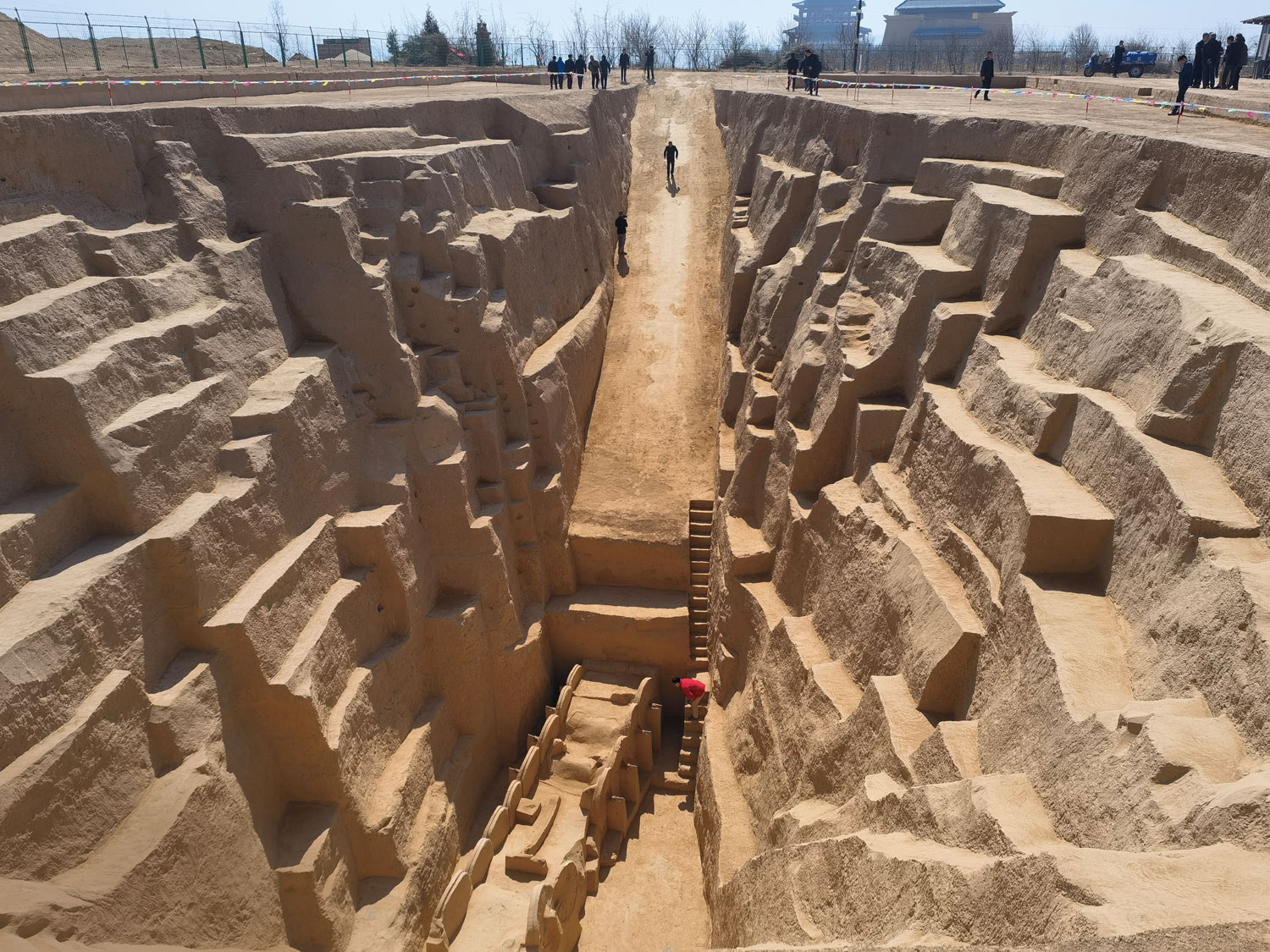
New discoveries challenge ancient prophecies about the peoples living on China’s borders three millennia ago
The Many Faces of the Kingdom of Shu
Thousands of fantastical bronzes are beginning to reveal the secrets of a legendary Chinese dynasty
Top 10 Discoveries of the Decade: Neolithic City of Shimao
Archaeologists in China unearth a remarkably sophisticated 4,000-year-old settlement
You Are How You Cook
An archaeologist explores the Bronze Age origins of Chinese cuisine
Ancient China’s “Pony Express”
Han Dynasty postal horses had hard lives but evocative names
Loess Highland Societies During the Yinxu Period (1300–1050 B.C.): New Evidence from Zhaigou
Antiquity journal article by the archaeologists excavating the site of Zhaigou
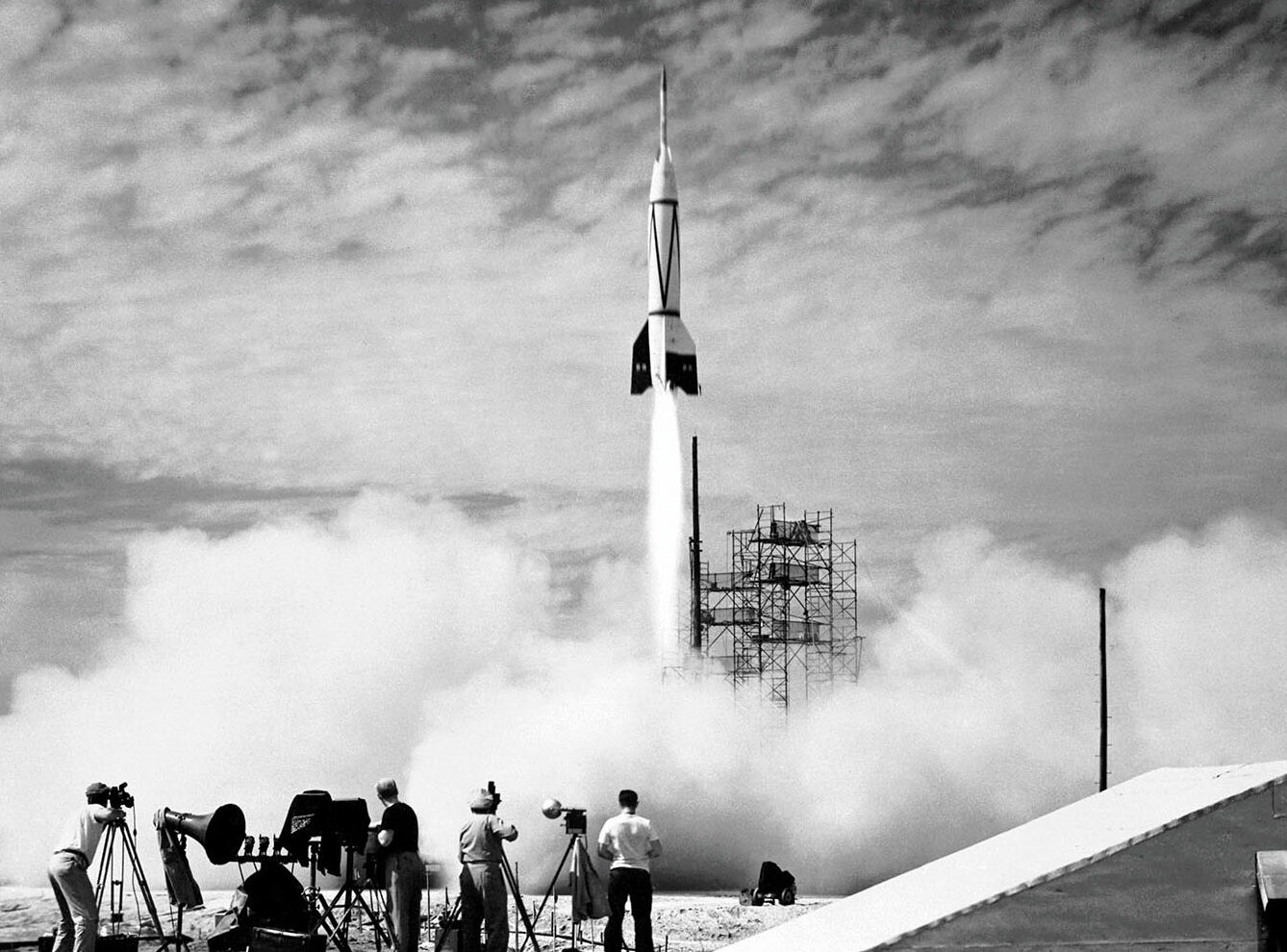
Letter from Cape Canaveral: Dawn of the Space Age
Archaeologists have made surprising discoveries spanning 3,000 years at the birthplace of American space exploration
Searching for the Fisher Kings
In the waters of southern Florida, the creative Calusa people forged a mighty empire
V-2 Rocket from the Muck
Nazi Germany’s weapon of terror later inspired American rocket engineering
Cape Canaveral, Past and Present: Virtual Tours
Archaeologists at Argonne National Laboratory have brought the Cape’s historic sites to life
Cape Canaveral in 3D
Explore 3,000 years of Canaveral through pottery sherds, missile fragments, and launchpads
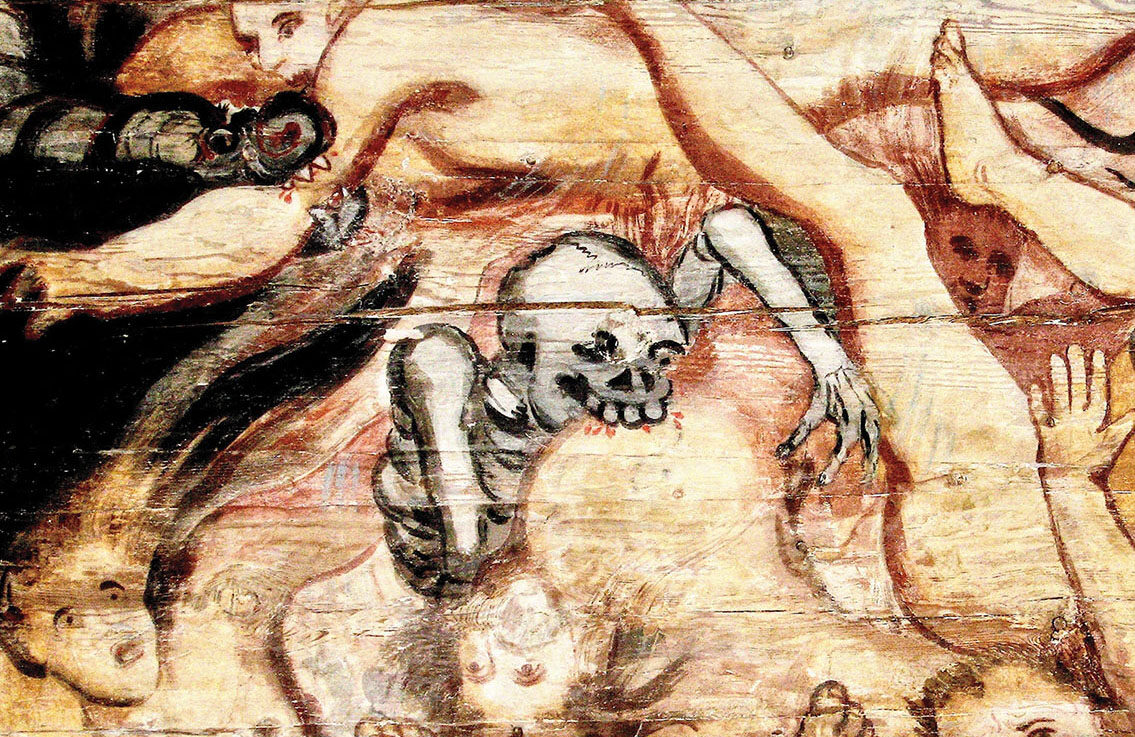
Mutilated remains in medieval burials show how far vampire hunters were willing to go
Vampire-Proofing Your Village
Why were two bodies in a medieval Bulgarian graveyard impaled with sharp metal implements?
Searching for the Witches’ Tower
Archaeologists hunt for evidence of a seventeenth-century English family accused of witchcraft
Top 10 Discoveries of 2016: Salem’s Lost Gallows
Finding where the infamous witch trials reached their grim conclusion
Killing the Dead: Vampire Epidemics from Mesopotamia to the New World by John Blair
An archaeologist investigates history’s great and gory vampire panics
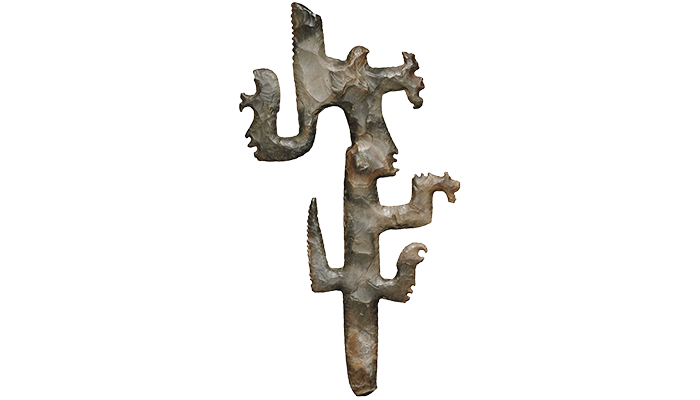
Artisans carved complex objects called eccentrics using forgotten techniques
Piecing Together Maya Creation Stories
Thousands of mural fragments illustrate how the Maya envisioned their place in the universe
Jungle Realm of the Snake Queens
How women ascended the ranks in the high-stakes world of Maya politics
Autobiography of a Maya Ambassador
A grand monument and a humble burial chronicle the changing fortunes of a career diplomat
Tomb of the Vulture Lord
A king’s burial reveals a pivotal moment in Maya history
Slideshow: Inside an Egyptian Sculptor’s Tomb
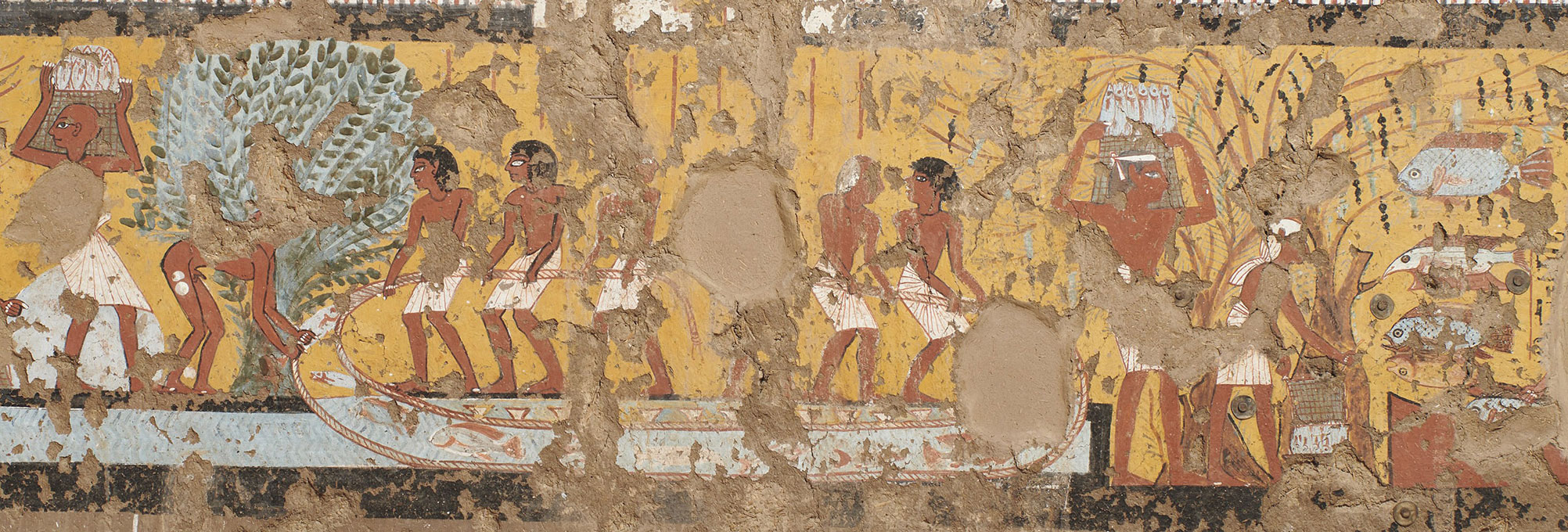
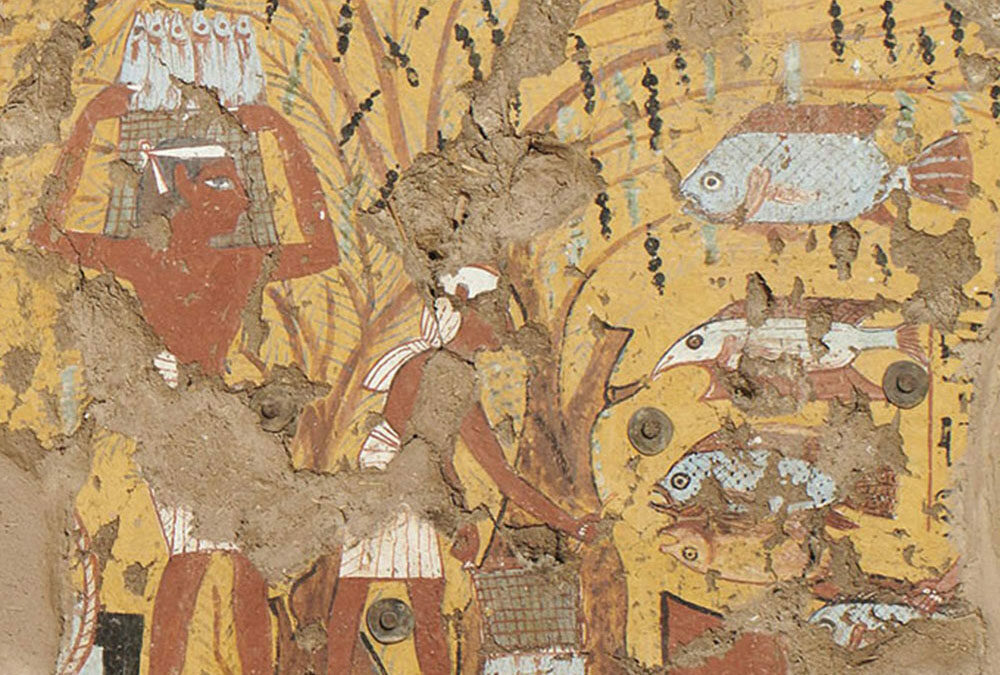
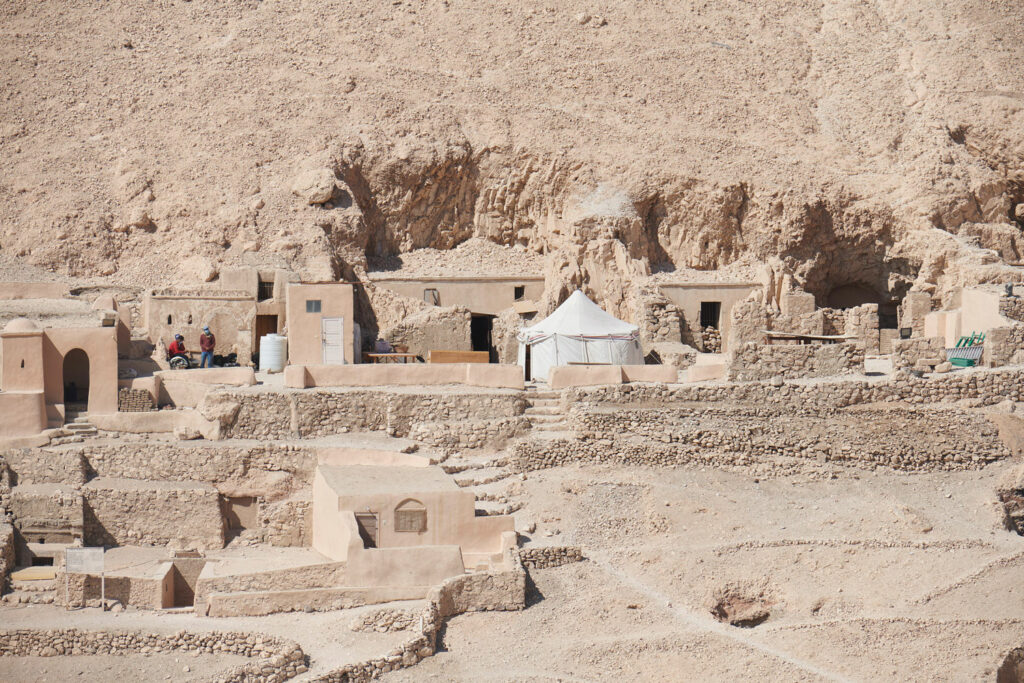
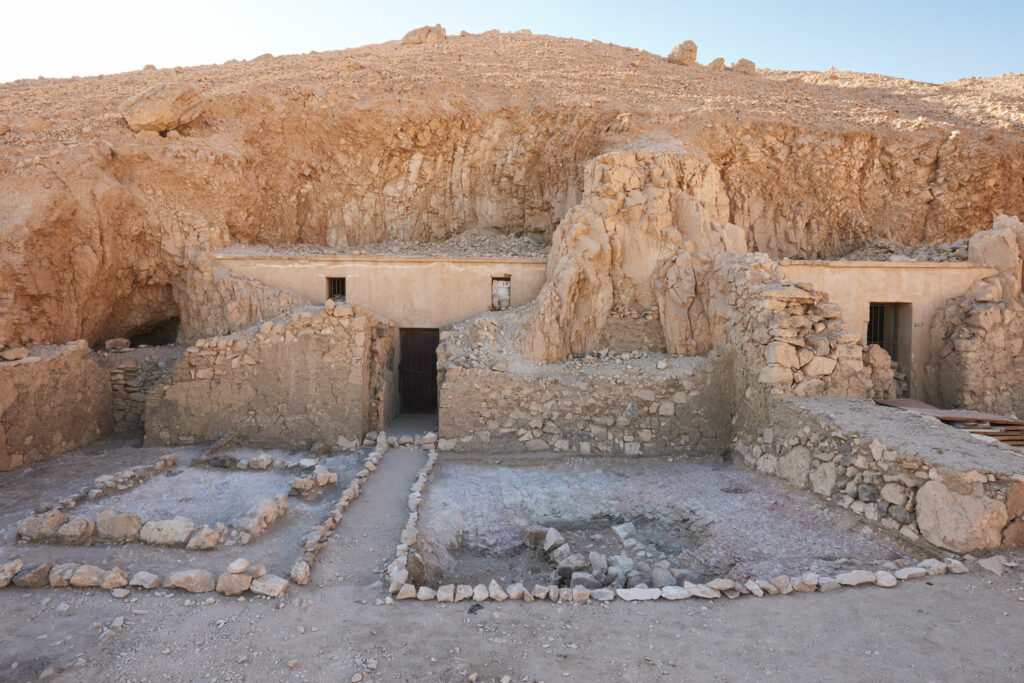
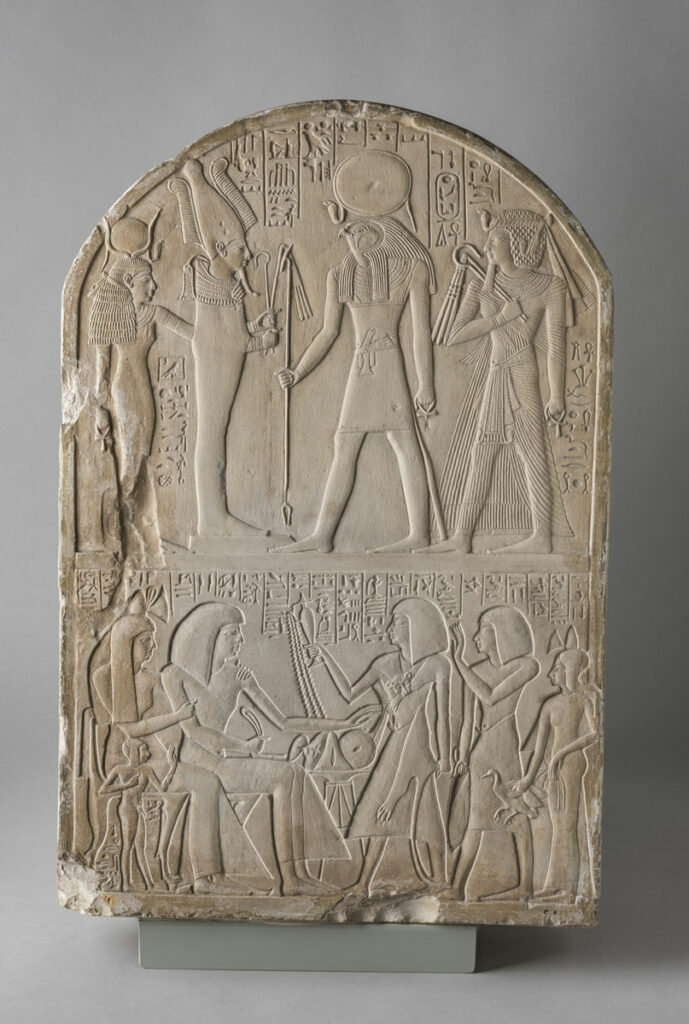
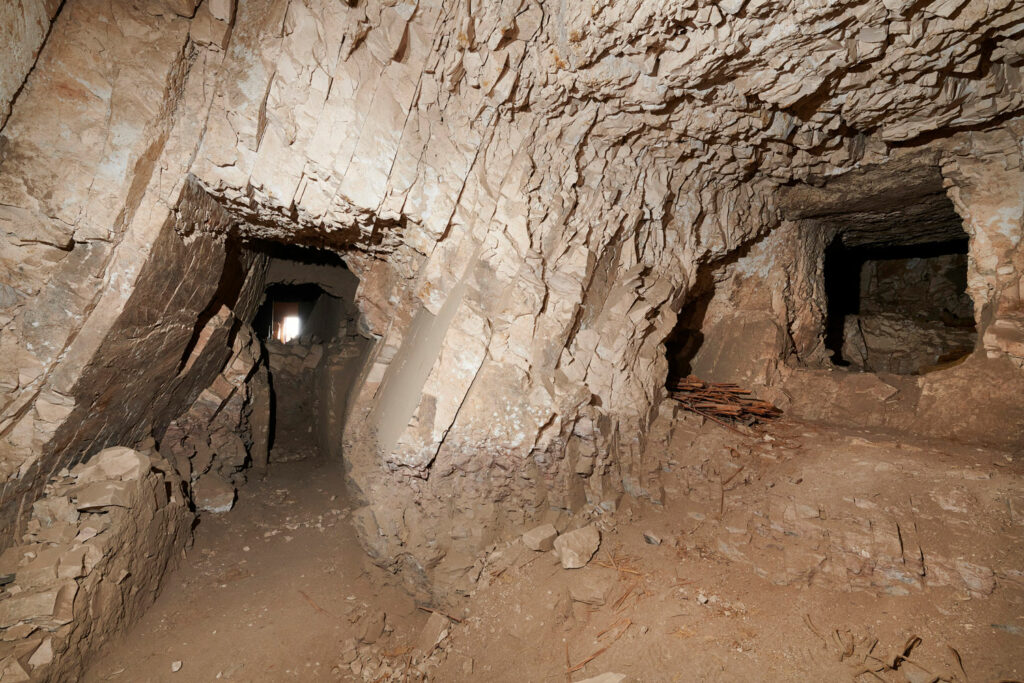
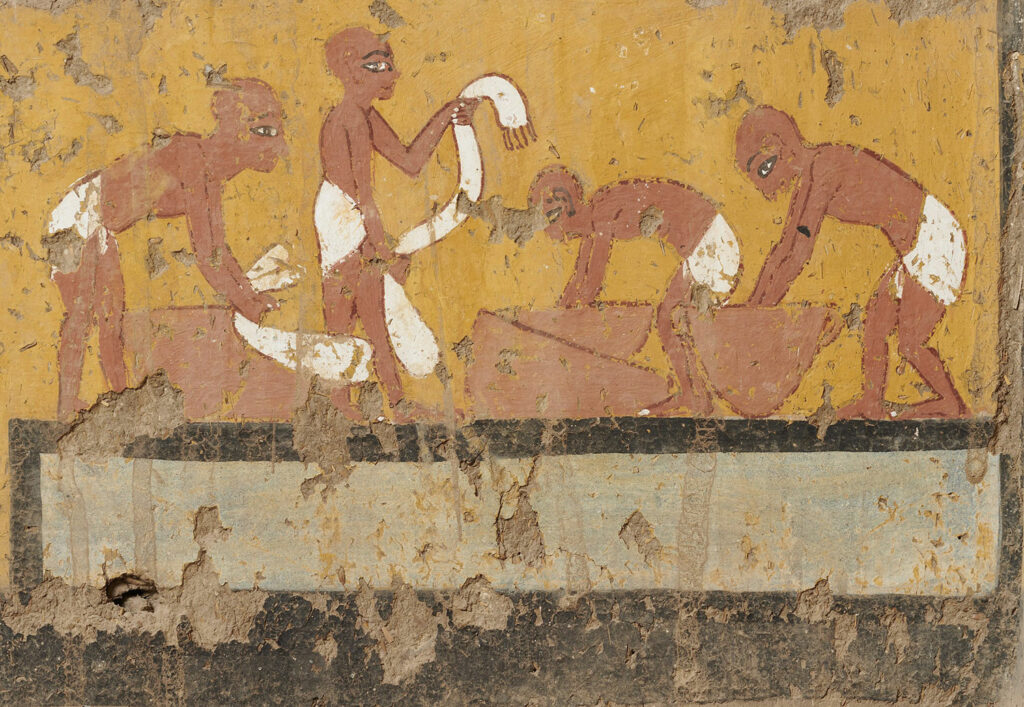
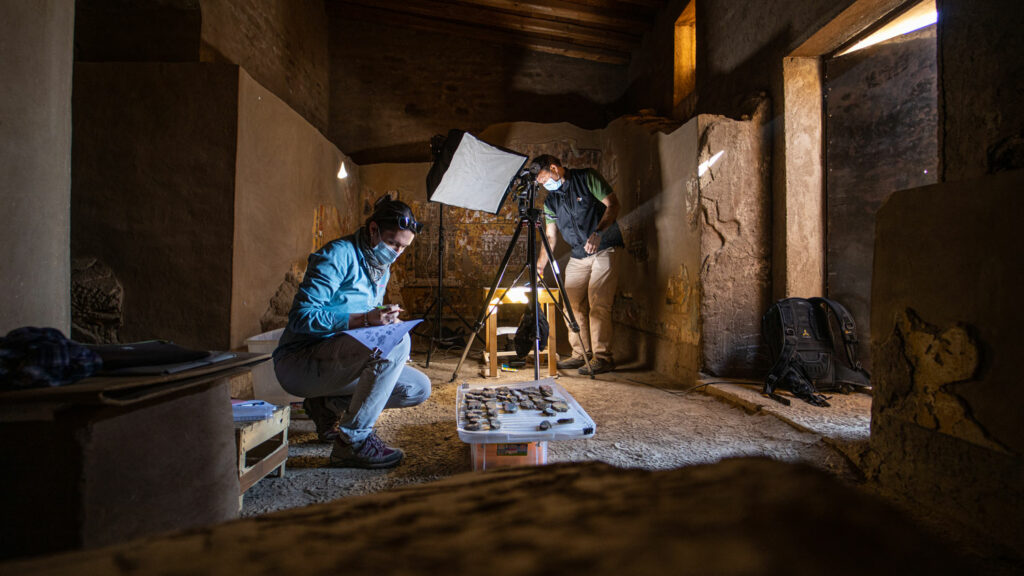
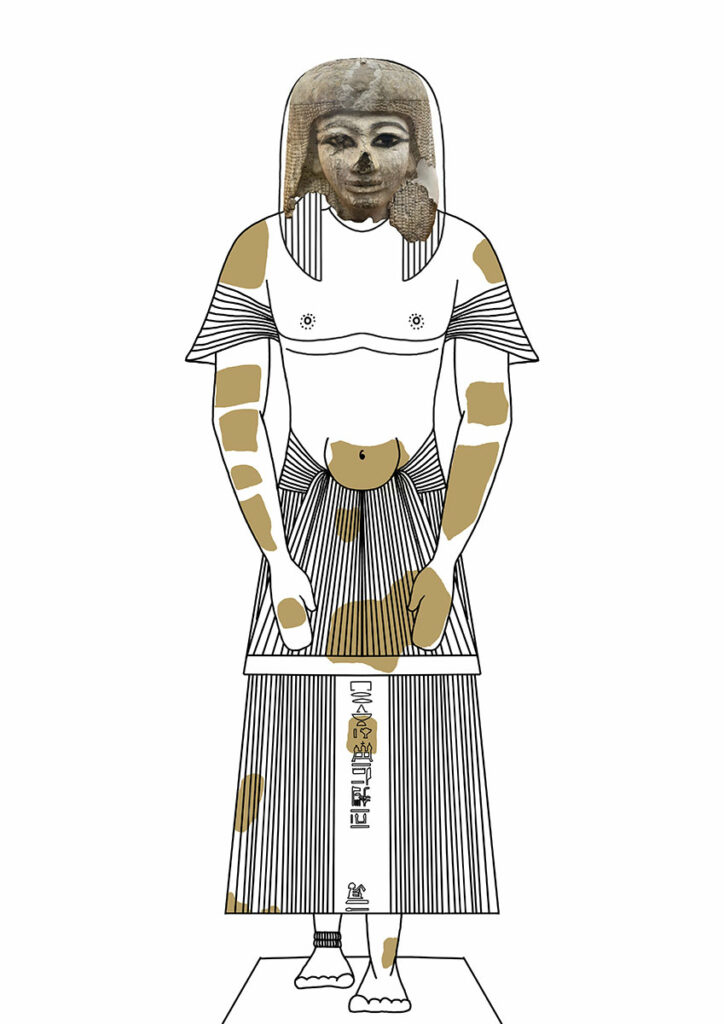
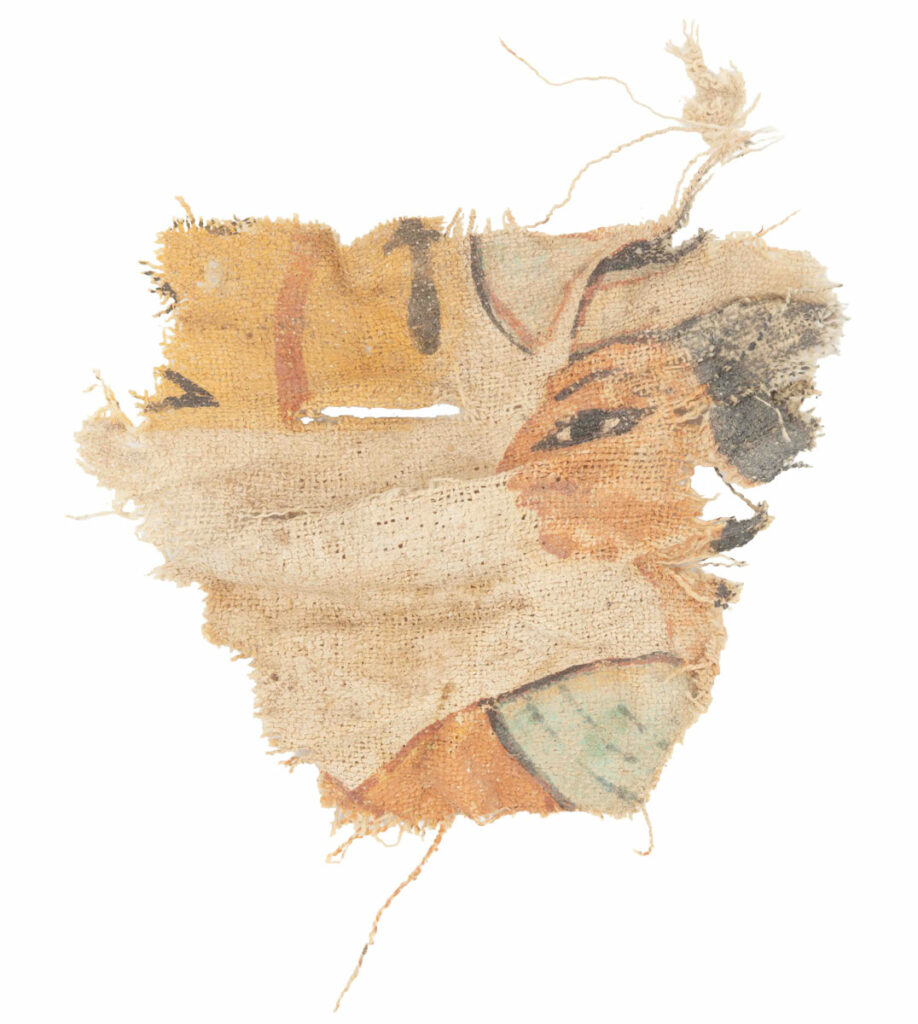
As construction on the tombs of the pharaohs in the Valley of the Kings grew in scale during the 19th Dynasty (ca. 1295–1186 b.c.), the nearby village of Deir el-Medina, on the Nile’s west bank in southern Egypt, became a permanent home for the community of scribes, draftsmen, sculptors, carpenters, and painters who created these lavish royal burial complexes. In their spare time, many of these artisans, including a relief sculptor named Ipuy, put their skills to use building and decorating their own tombs on terraces above the village. When excavators first explored Ipuy’s tomb in the late nineteenth century, they documented surviving murals in its aboveground chapel, which feature rare depictions of Deir el-Medina’s craftspeople and supply staff at work.
A team led by Egyptologist Kathrin Gabler of the University of Mainz is currently investigating Ipuy’s tomb complex for the first time in nearly a century. They have surveyed and documented half the tomb’s chambers, and are assessing previously unearthed but long-forgotten fragments of wall paintings and statuary. This material is helping to illuminate the daily lives of Deir el-Medina’s cadre of dedicated craftspeople. To read our full article on Ipuy's tomb, click here. Get your copy of the November/December 2026 issue of ARCHAEOLOGY on newsstands, and subscribe to explore more.
Video: The Last Urartian Speaker
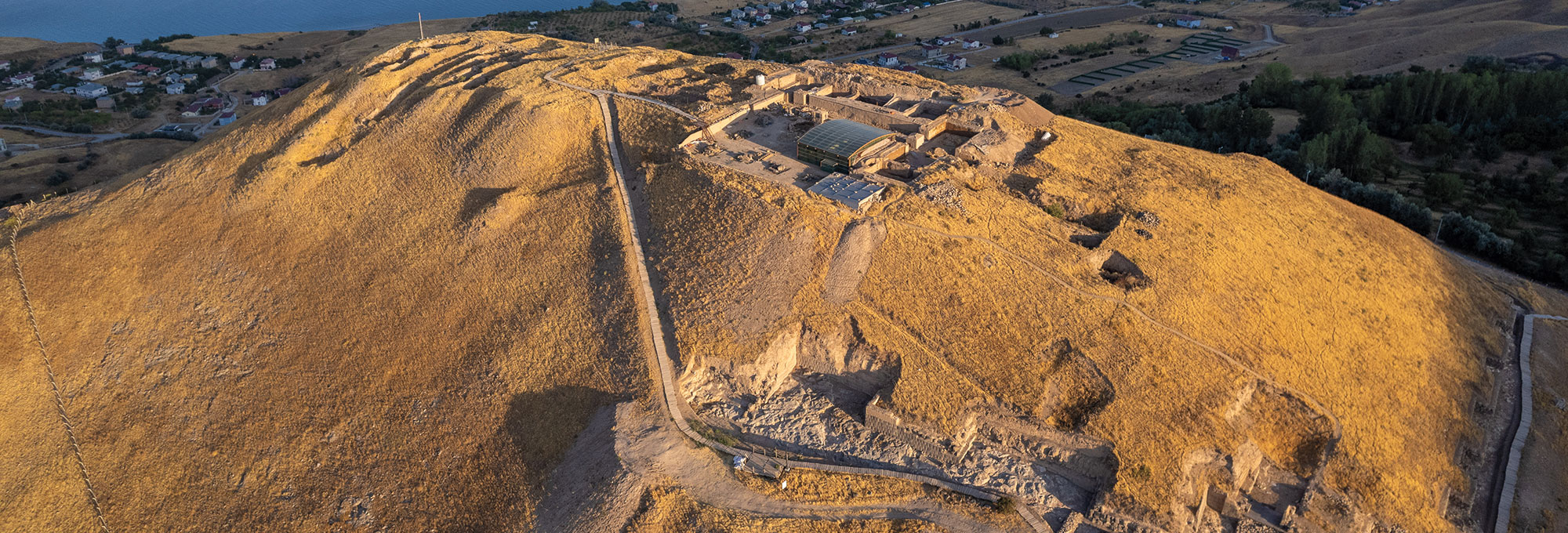
Since 1962, Mehmet Kuşman has worked as a caretaker at the site of the fortress at Çavuştepe in eastern Turkey’s Van Province. Çavuştepe is one of perhaps dozens of such fortresses in a vast network constructed during the Iron Age by the rulers of the Kingdom of Urartu, who controlled parts of eastern Turkey, Armenia, Azerbaijan, and Iran from the ninth to the seventh century b.c. For decades, even long after his official retirement, Kuşman has studied, written, read, and spoken the Urartian language. In this video, listen as he reads some of the most famous Urartian inscriptions found at Çavuştepe and carves his own sayings and phrases in Urartian, which is more than 2,500 years old and remains barely known, even today. To read our full article on the Kingdom of Urartu, click here. Get your copy of the November/December 2026 issue of ARCHAEOLOGY on newsstands, and subscribe to explore more.
Slideshow: Cape Canaveral’s Surprising History
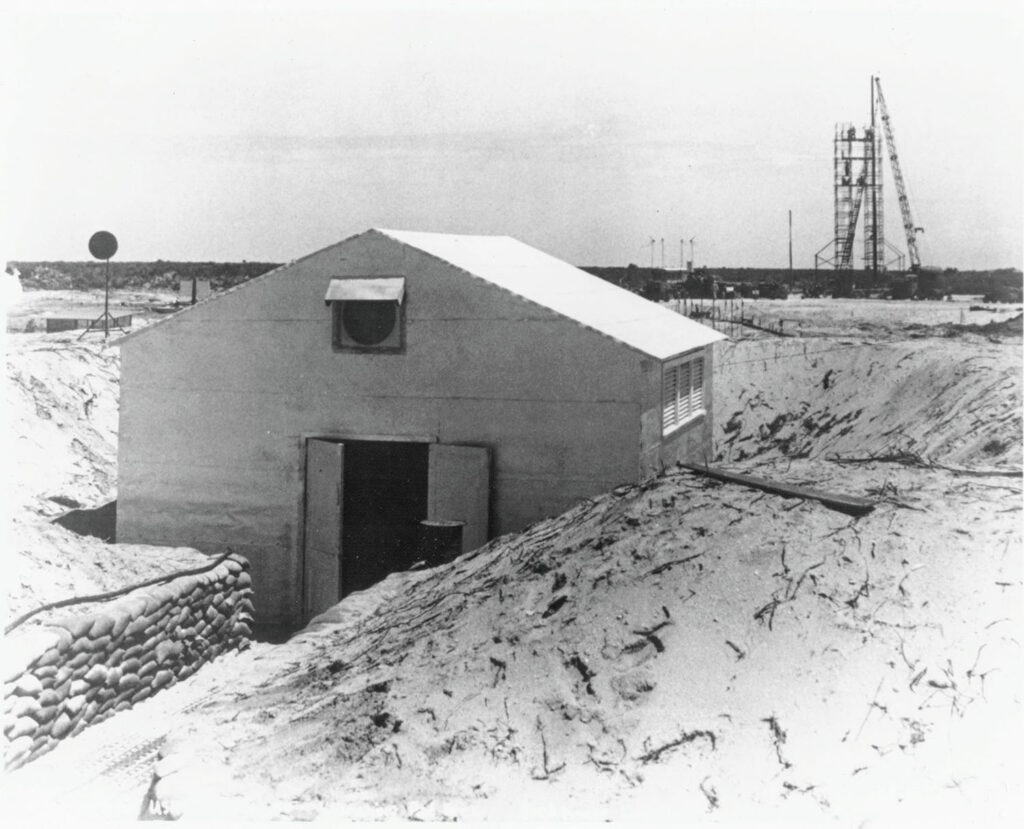
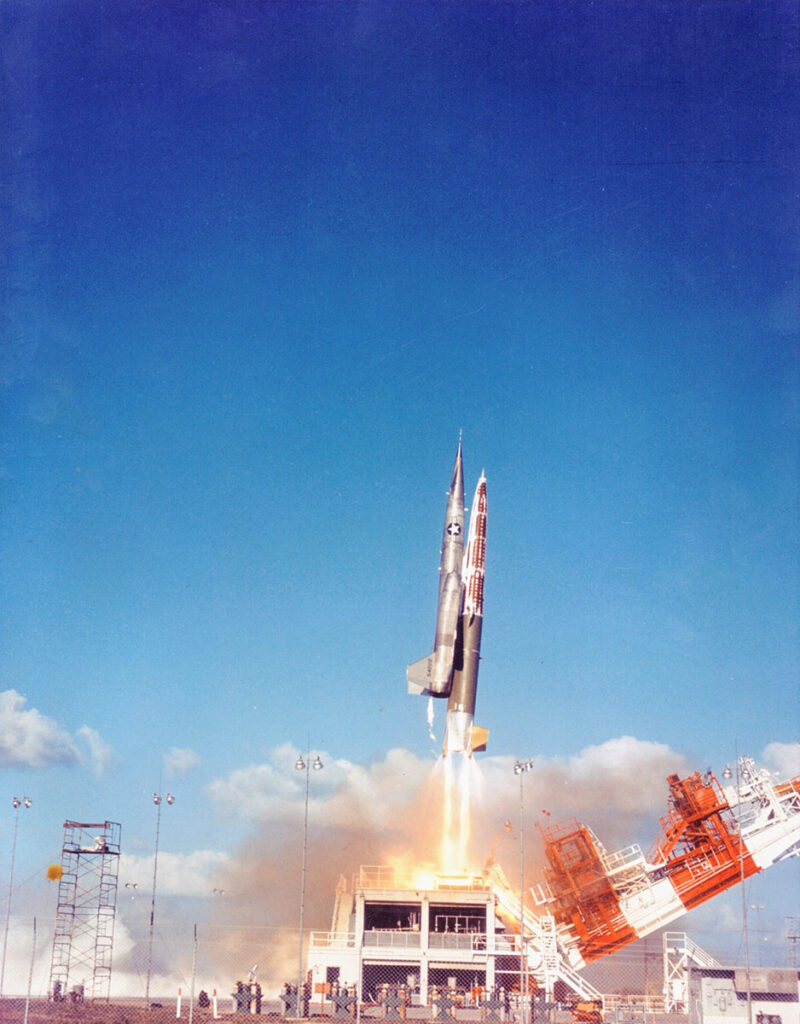
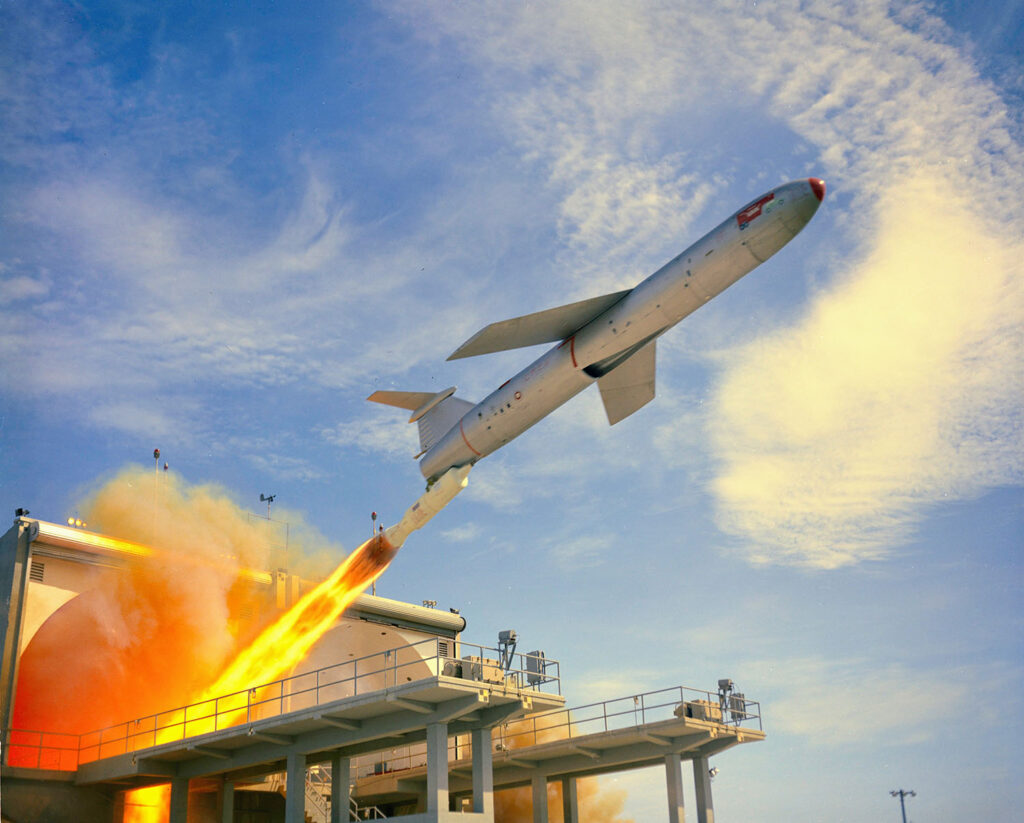
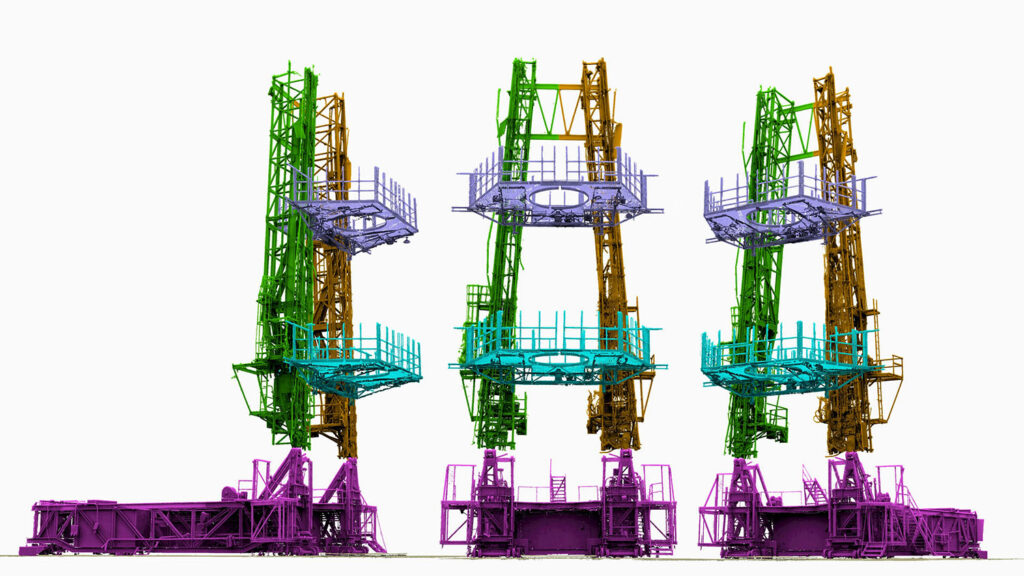
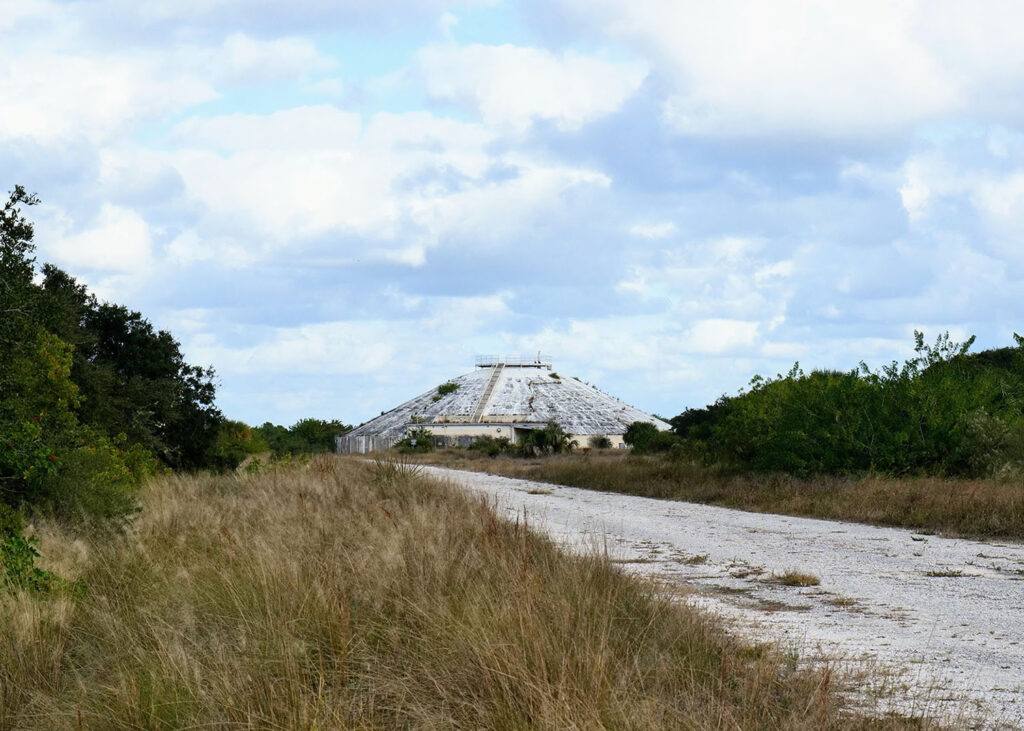
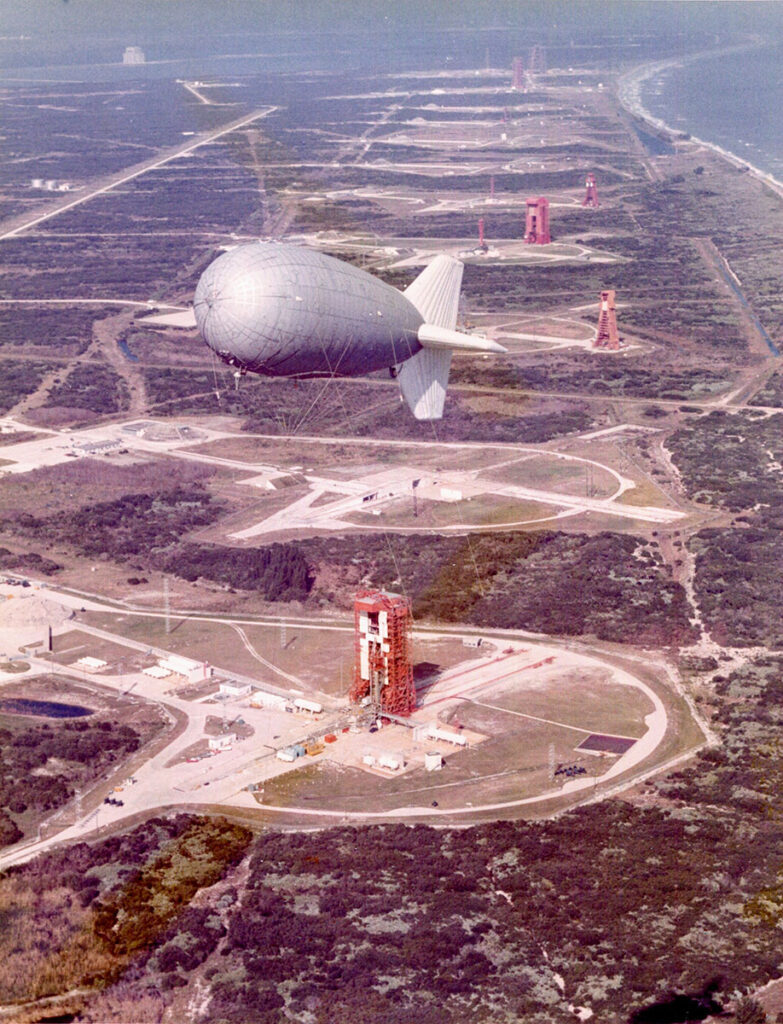
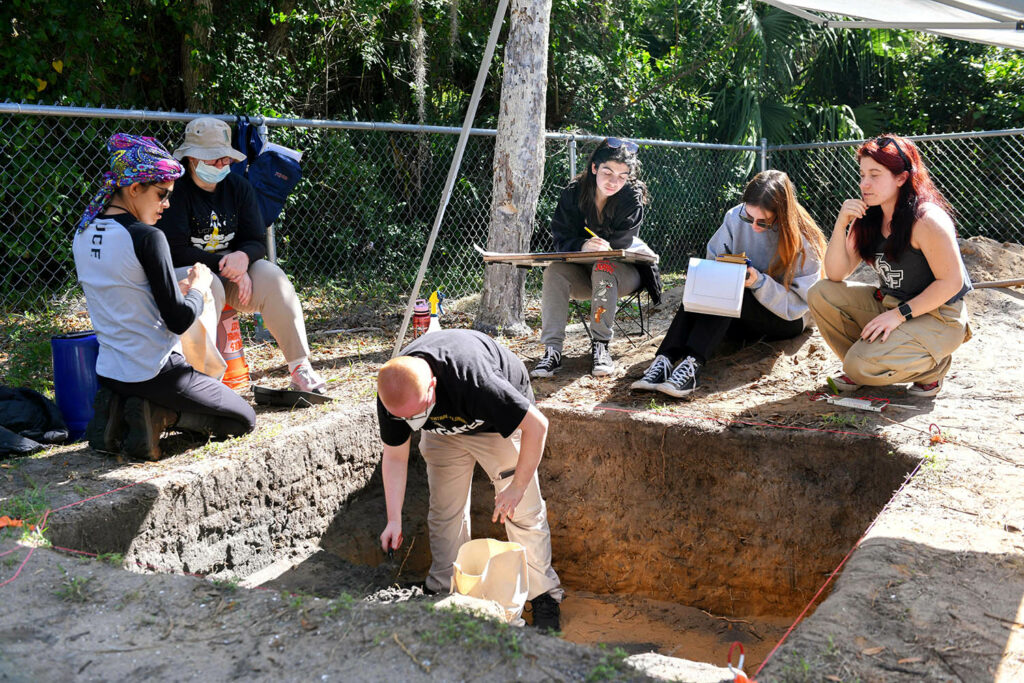
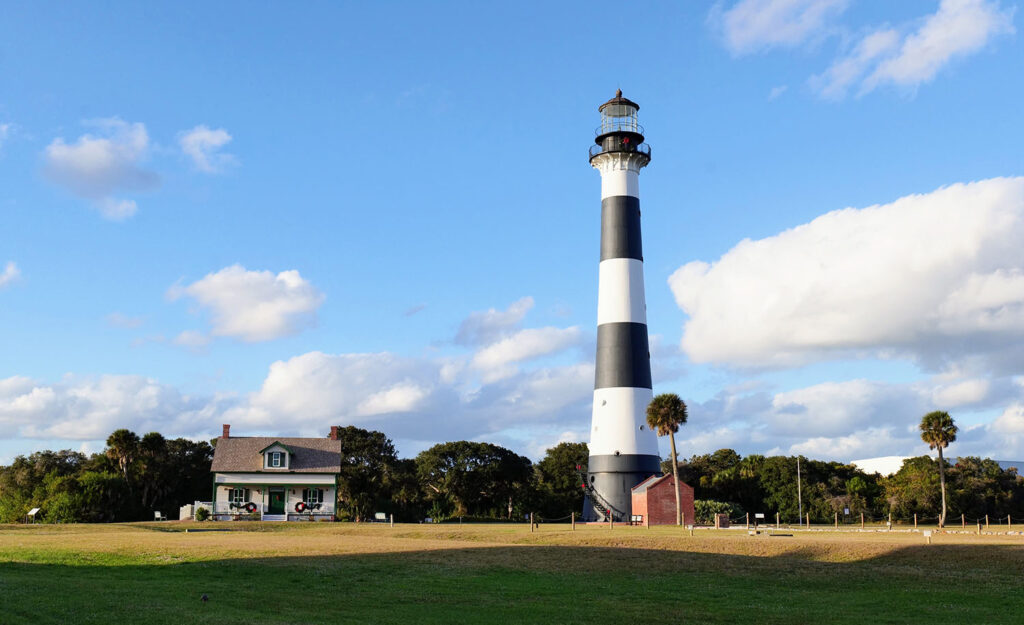
On a clear day or night, you can see a rocket launched from Cape Canaveral on Florida’s Atlantic coast from 400 miles away. The flame, the contrail, and the separation of boosters all announce the hubbub in the sky, but there’s also excitement for scientists, including archaeologists, on the ground at Cape Canaveral Space Force Base. Here, the U.S. government built Cold War–era missile test sites and the launch complexes for the Mercury, Gemini, and Apollo program rockets that first sent Americans into space in the 1960s. These titanic structures of rocketry and spaceflight infrastructure are now archaeological sites.
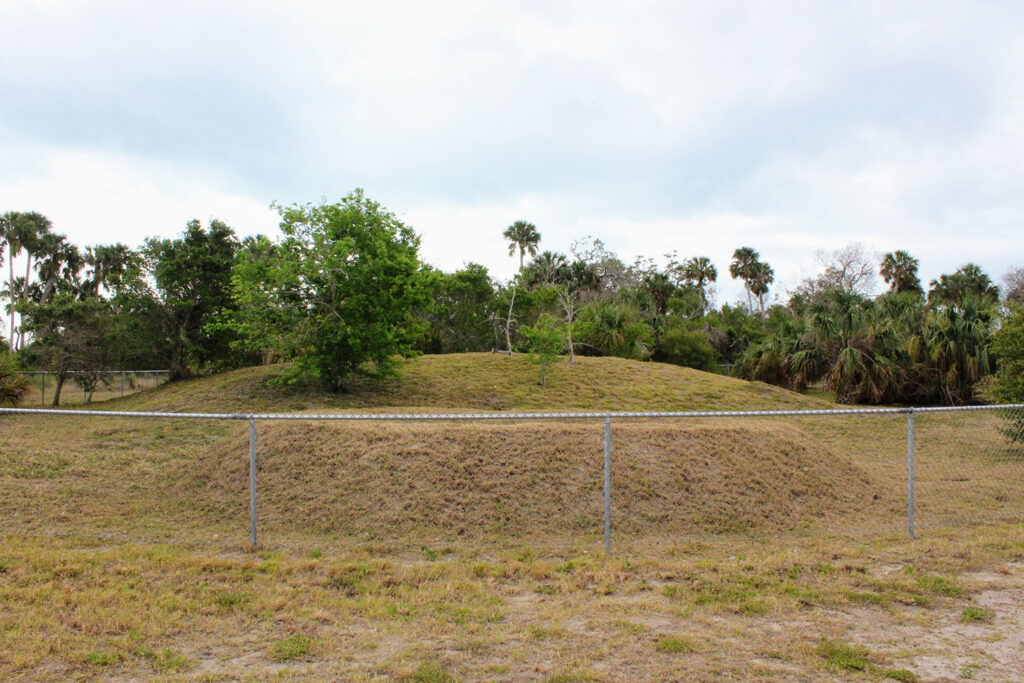
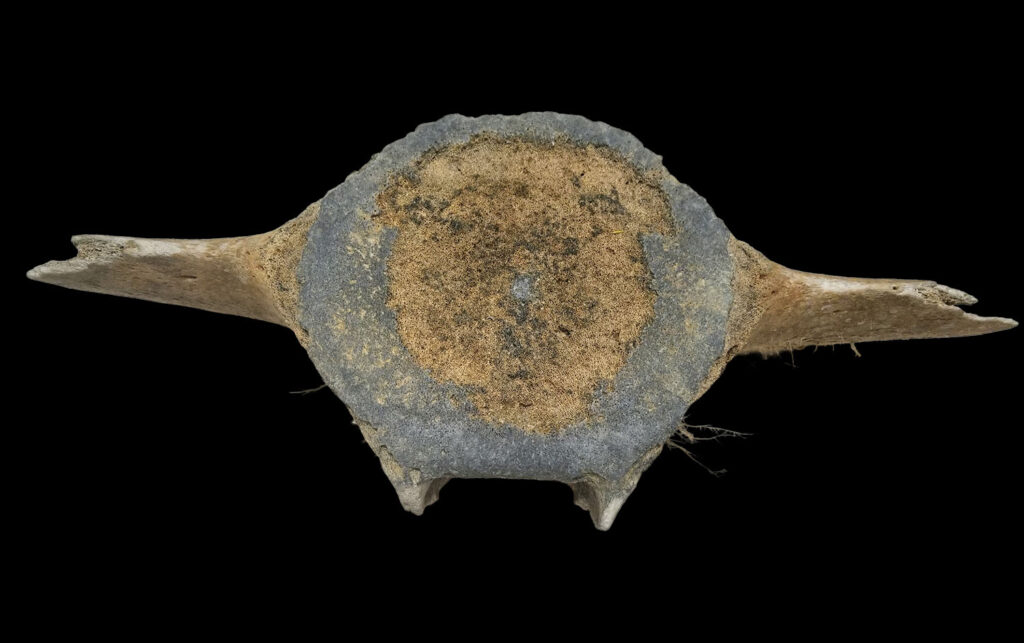
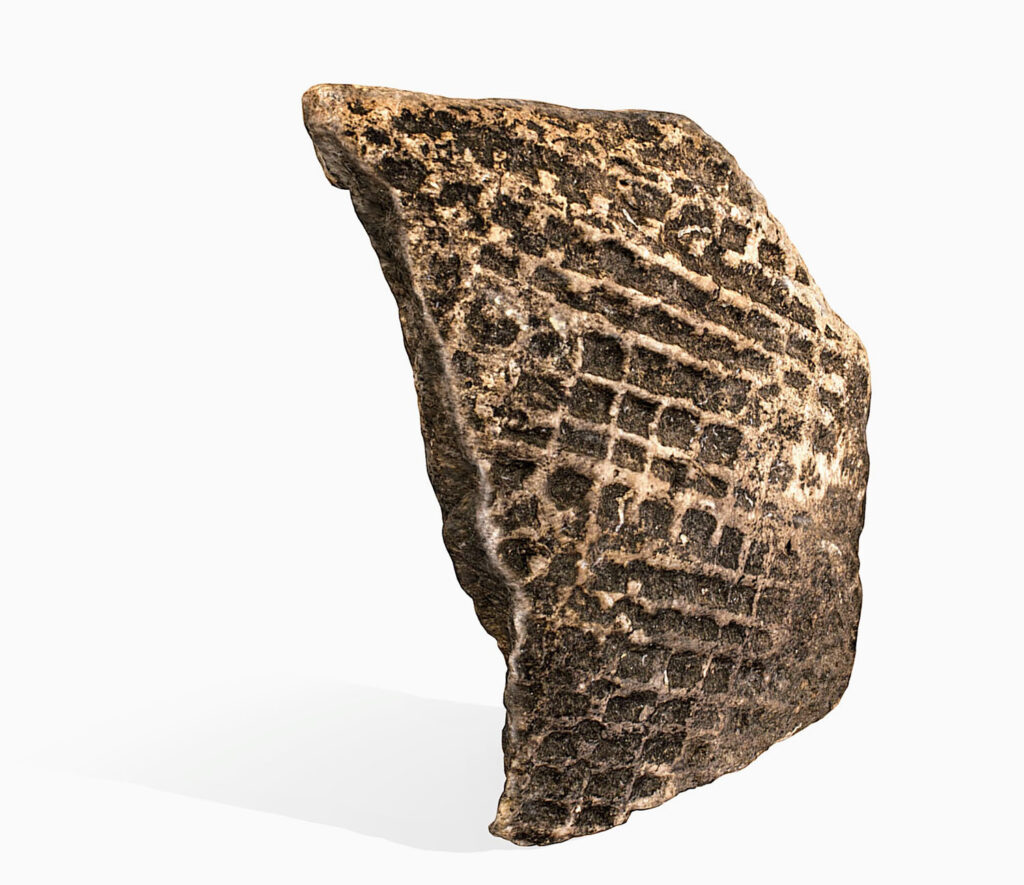
Before the rockets, Canaveral had homesteads, a luxury hotel, and a factory for processing shark livers into fad medicine. More than 3,000 years before that, ancient Floridians began fishing and foraging on the Cape. The descendants of those people established settlements, performed ceremonies, traded for food and goods across Florida, and built huge burial mounds. From this 15,800-acre area, archaeologists have a vantage point spanning the recent past to the deep history of Indigenous people on the continent. To read our full article on the archaeology of Cape Canaveral, click here. Get your copy of the November/December 2026 issue of ARCHAEOLOGY on newsstands, and subscribe to explore more.